 Preview
 Send
Send Share
Share
 Details

 Download
 Similars
 X-Ray
X-Ray Diaporama
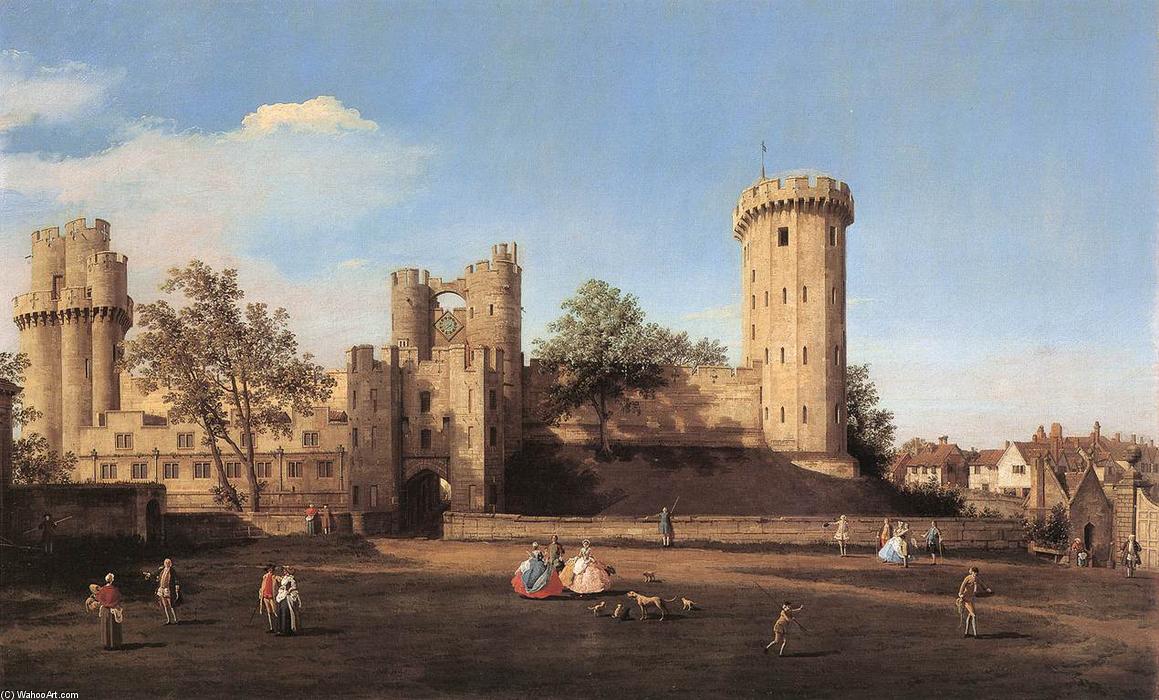
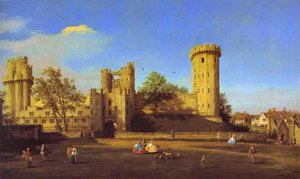
Warwick Castle: the East Front
 Oil
Oil- WallArt
- Venetian Landscape Painting
 1752
1752 73.0 x 122.0 cm
 Birmingham Museum and Art Gallery
 Read More
Hand Made Oil Reproduction
Hand-painted oil on canvas in your size and frame, made to order by our artists. ( Buy Print Buy Image)




P118B $10

P118H $10

P118W $10

P438Z $10

P508JH $12

P508YH $12

P805H $10

P805Z $10

P919BZ $10

P919G $10

P919XJ $10

P959ZH $10

P968JZ $12

W106C $8

W218G $10

W218JH $8

W218Y $10

W307PJ $10

W316G $10

W316PJ $8

W316Y $10

W398PJ $8

W4111J $10

W500HY $15

W500JH $15

W692G $12

W849H $8

W940BG $15

W953PJ $8




Pick from our preset sizes that match the artwork's original proportions.

You may enter your own dimensions to fit a specific frame or space. If your selected size does not match the original image's proportions, we will either crop the artwork or extend the painting with additional hand-painted elements. A digital mockup will be sent for your approval before production begins.
Please note that the on-screen preview does not reflect the actual cropping or extension. Only the mockup will accurately show the final composition.
While custom sizes are available, we recommend selecting a dimension from the predefined list to preserve the original proportions.
After order, ArtsDot.com team will email client for instructions and provide a mockup preview
Worldwide Delivery () in 3/4 weeks instead of standard 5 weeks. (16 August). No compromise on quality.

Free Worldwide Express Shipping

High-Quality Linen Canvas

Full Shipping Insurance

Customs Tax Refund Guarantee

True Color Matching Guarantee

60-Day Return Policy (Defects Only)

100% Money-Back Guarantee

Bulk Discount Offer
 Glass option is only available in size under 110 CM

Warwick Castle: the East Front
Reproduction Medium
Reproduction Size
-


Total Price
$ 263
Artwork Description
A Window into a Medieval World
Giovanni Antonio Canal, universally known as Canaletto, possessed an extraordinary ability to capture the essence of a place and time. His 1752 painting, “Warwick Castle: The East Front,” isn’t merely a depiction of a stone fortress; it's a vibrant portal into the heart of 18th-century England – a moment frozen in light, sound, and bustling activity. The canvas breathes with life, transporting the viewer to the very courtyard of Warwick Castle, a monument to centuries of history and strategic importance.
The Art of Observation: Canaletto’s Technique
Canaletto was a master of *veduta*, an Italian term for landscape painting, specifically focused on urban scenes. His meticulous approach involved extensive sketching in the open air – a revolutionary practice at the time – allowing him to accurately record architectural details and atmospheric effects. Notice the subtle gradations of light and shadow, skillfully rendered with delicate brushstrokes that create a remarkable sense of depth. The artist’s use of oil paint allows for rich colors and fine detail, capturing not just the physical appearance but also the very mood of the scene. The slightly hazy atmosphere, achieved through careful layering of pigments, evokes a warm, sunny day, while the distant trees provide a touch of natural serenity against the imposing stone architecture.
A Castle Steeped in History
Warwick Castle’s story is as compelling as the painting itself. Originally built by William the Conqueror in 1068, it has served as a royal residence, a military stronghold, and a stately home for centuries. The castle's strategic location on the River Avon made it vital for controlling the Midlands during turbulent times. The painting offers a glimpse into the castle’s life during this period – a lively courtyard filled with people engaged in various activities: guards patrolling the walls, merchants trading goods, and citizens going about their daily lives. The imposing gate serves as an entrance to the castle grounds, hinting at the power and authority it represented.
Symbolism and Emotional Resonance
Beyond its realistic depiction of a historical site, “Warwick Castle: The East Front” resonates with deeper symbolic meanings. The castle itself represents stability, strength, and continuity – enduring symbols of English history and tradition. The bustling activity in the courtyard speaks to the vitality of the community that depended on the castle for protection and prosperity. Canaletto’s masterful composition draws the viewer's eye towards the castle, creating a sense of awe and admiration for its grandeur. The painting evokes feelings of nostalgia, wonder, and a connection to the past – inviting us to contemplate the lives of those who came before us.
A Timeless Reproduction
Today, high-quality reproductions of Canaletto’s “Warwick Castle: The East Front” are available through ArtsDot.com. These meticulously crafted prints capture the essence of the original painting, allowing you to bring this remarkable work of art into your home or office. Whether you’re an art enthusiast, a collector, or simply seeking to add a touch of historical elegance to your space, this reproduction offers a beautiful and authentic representation of Canaletto's genius.
Related Artworks
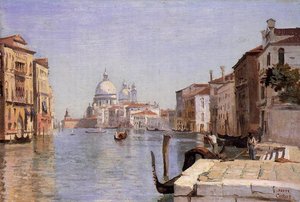
Artist Biography
early life and training
giovanni antonio canal, commonly known as canaletto, was born on october 18, 1697, in venice, italy. he was the son of bernardo canal, a painter of theatrical scene settings, and artemisia barbieri. canaletto's early training in painting began with his father, who taught him the fundamentals of art.
the making of a master
in 1718, canaletto traveled to rome, where he worked on producing scenery for two operas by alessandro scarlatti. this experience had a profound impact on his development as an artist. upon returning to venice, canaletto began painting in his signature topographical style, which would eventually make him famous.
notable works and collaborations
some of canaletto's most notable works include:
- the stonemason's yard (c. 1725), a masterpiece showcasing his early skill.
- regatta on the grand canal, a vivid depiction of venetian public ceremonies.
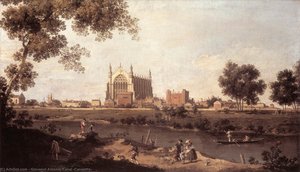
- eton college (1746-1756), a testament to his influence in england. collaboration with his nephew bellotto, who became an accomplished artist in his own right.
artistic style and technique
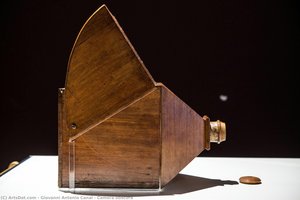
canaletto's use of precise perspective and meticulous preparatory drawings has led some experts to believe he may have employed a camera obscura for topographical accuracy. however, his primary concern remained the compositional design, ensuring his works were not merely accurate recordings but also visually stunning.
legacy and collections
canaletto's work can be found in various museums, including the national gallery, london, which showcases his influence on 18th-century art. his legacy extends to the numerous artists he inspired, cementing his place as a master of venetian landscapes.
- view canaletto's works at https://ArtsDot.com/@/giovanni-antonio-canal
- explore more about canaletto on wikipedia
- discover the beauty of venetian art at the palumbo-fossati collection (venice, italy)
key dates
- october 18, 1697: born in venice, italy
- 1718: traveled to rome
- 1725: painted the stonemason's yard
- 1746-1756: visited england, painting notable works like eton college
- april 19, 1768: passed away in venice, italy
remember to explore the world of art at https://ArtsDot.com for more biographies and artworks.
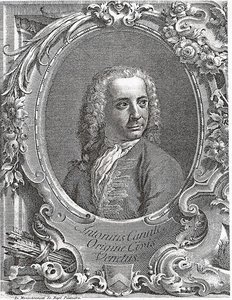
Canaletto
1697 - 1768 , Italy
Quick Facts
- Artistic Movement Or Style: Vedute Venice
- Artists Or Movements Influenced By This Artist: ['Tintoretto']
- Artists Who Influenced This Artist: ['Giovanni Paolo Pannini']
- Date Of Birth: October 18, 1697
- Date Of Death: April 19, 1768
- Full Name: Giovanni Antonio Canal
- Nationality: Italian
- Notable Artworks:
- The Stonemason's Yard
- Regatta on the Grand Canal
- Eton College
- Place Of Birth: Venice, Italy
Related Articles

Beyond the Horizon: 10 Landscape Masterpieces for Your Home Decor
Journey through 10 breathtaking landscape paintings by Monet, Van Gogh & more! Explore iconic artworks, artistic techniques & find inspiration for your home decor. Museum-quality reproductions at ArtsDot.com. Discover all masterpieces on ArtsDot.com

Romantic Landscapes: 10 Masterpieces for Your Home | ArtsDot
Journey through 10 Romantic landscape masterpieces by Friedrich, Turner & Cole. Explore emotional art, sublime nature scenes & iconic 19th-century paintings. Find museum-quality reproductions for your home at ArtsDot.com – discover the full collection online!

Evocations of Place: A Historical Journey Through Landscape Art
Explore the rich history of landscape art with ArtsDot. Discover renowned artists, movements like Impressionism & Romanticism, and expert guidance for collecting timeless pieces. Find your perfect serene escape today!

John Constable's Masterpieces: Explore 25 Iconic Landscapes for Your Home
Journey through John Constable's 25 most celebrated landscapes. Explore Romanticism, Dedham Vale & his masterful use of light in iconic paintings like 'Hay Wain'. Find museum-quality art reproductions and elevate your home decor on ArtsDot.com.
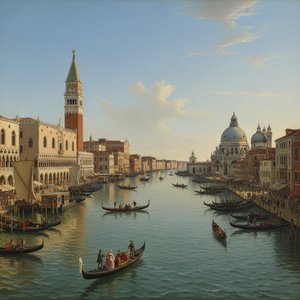
Giovanni Antonio Canal (Canaletto): A Venetian Master of Light, Space & Societal Observation
Explore the life & art of Giovanni Antonio Canal (Canaletto), a Venetian master renowned for his breathtaking cityscapes. Discover his techniques, legacy, and captivating depictions of 18th-century Venice & London.