 Preview
 Send
Send Share
Share
 Details

 Download
 Similars
 X-Ray
X-Ray Diaporama
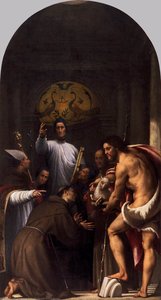
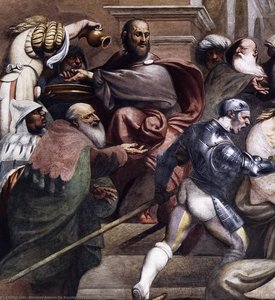
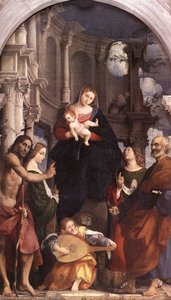
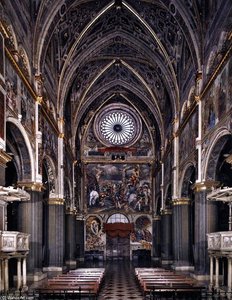
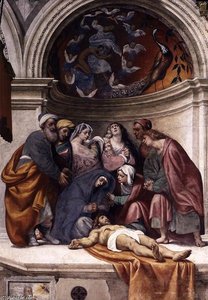
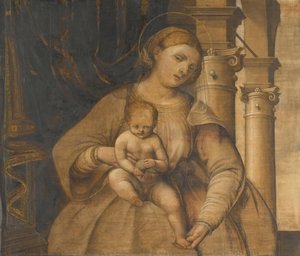
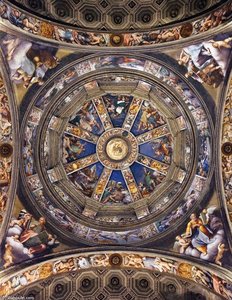
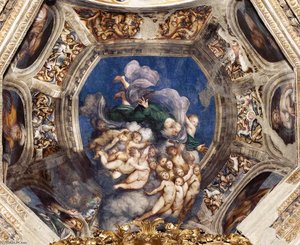
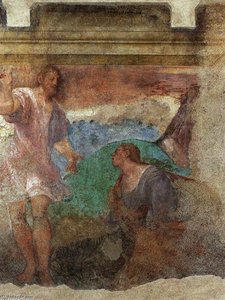
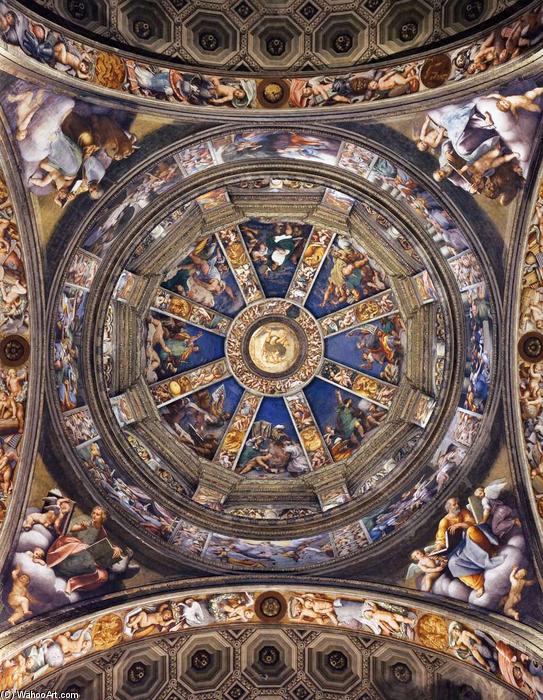
Decoration of the main dome


 Read More
Hand Made Oil Reproduction
Hand-painted oil on canvas in your size and frame, made to order by our artists. ( Buy Print Buy Image)




































Pick from our preset sizes that match the artwork's original proportions.

You may enter your own dimensions to fit a specific frame or space. If your selected size does not match the original image's proportions, we will either crop the artwork or extend the painting with additional hand-painted elements. A digital mockup will be sent for your approval before production begins.
Please note that the on-screen preview does not reflect the actual cropping or extension. Only the mockup will accurately show the final composition.
While custom sizes are available, we recommend selecting a dimension from the predefined list to preserve the original proportions.
After order, ArtsDot.com team will email client for instructions and provide a mockup preview
Worldwide Delivery () in 3/4 weeks instead of standard 5 weeks. (16 August). No compromise on quality.

Free Worldwide Express Shipping

High-Quality Linen Canvas

Full Shipping Insurance

Customs Tax Refund Guarantee

True Color Matching Guarantee

60-Day Return Policy (Defects Only)

100% Money-Back Guarantee

Bulk Discount Offer
 Glass option is only available in size under 110 CM

Decoration of the main dome
Reproduction Medium
Reproduction Size
-


Total Price
$ 263
Related Artworks
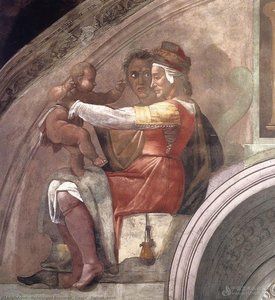
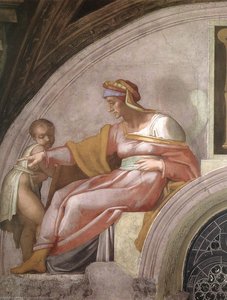
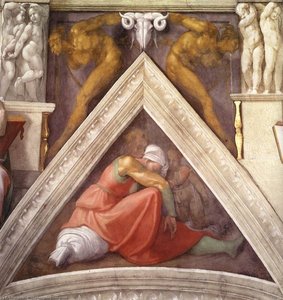
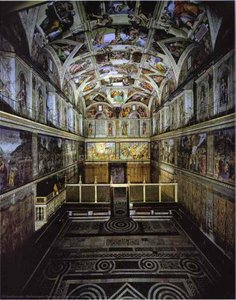
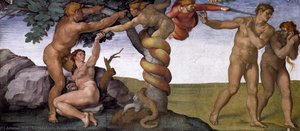
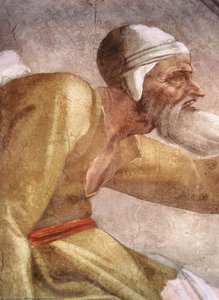
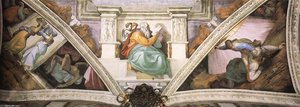
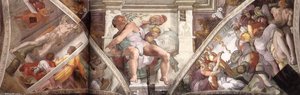
Artist Biography
Early Life and Formation in Friuli
Giovanni Antonio de’ Sacchis, known universally as Il Pordenone, burst onto the Italian Renaissance scene as a force of nature rather than a product of careful academic training. Born around 1484 in Fruili-Visenza, Italy, his origins lay not within the established artistic centers of Florence or Rome, but in the relatively provincial town of Pordenone – a location that would indelibly shape his distinctive style. Details regarding his early education remain somewhat elusive; unlike many of his contemporaries, he doesn’t appear to have benefited from a formal apprenticeship with a renowned master. Instead, it is believed he received initial instruction from his father, also an artist, and developed his skills through practical experience and observation. This lack of conventional schooling arguably contributed to the raw energy and sometimes deliberately “coarse” execution that characterized his work, setting him apart from the more polished styles prevalent elsewhere. His early commissions were primarily local religious pieces, allowing him to hone his craft while establishing a reputation within the Friulian region. Even in these initial works, hints of the dramatic flair and bold color palette that would become his hallmarks are evident.A Rising Star: Expanding Influence and Roman Encounters
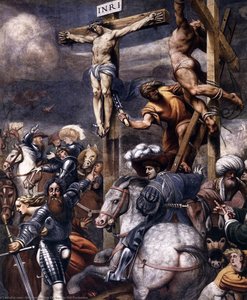
By the early 16th century, Pordenone’s talent had begun to attract wider attention. He moved beyond local commissions, undertaking increasingly ambitious projects in cities like Cremona and Venice. Around 1516, a pivotal journey to Rome brought him into contact with the High Renaissance masterpieces of Raphael and Michelangelo. While he lacked the rigorous anatomical training of these masters, Pordenone absorbed their compositional power and grandeur, translating them through his own unique lens. This encounter didn’t lead to imitation but rather sparked a synthesis – a blending of classical ideals with a distinctly northern Italian sensibility. He returned from Rome imbued with new ideas, yet remained fiercely independent in his approach. His work began to exhibit a heightened sense of drama, emotional intensity, and a willingness to experiment with unconventional techniques. This period saw the development of large-scale fresco cycles, notably at Cremona Cathedral, where his *Passion* scenes shocked viewers with their visceral realism and powerful depiction of human suffering – a foreshadowing of the expressive force that would later define artists like Goya.Venetian Years: Collaboration, Rivalry, and Artistic Maturity
The years from 1527 until his untimely death in 1539 were spent primarily in Venice, a city teeming with artistic innovation. Here, Pordenone became a prominent figure in the vibrant Venetian art scene, collaborating with younger artists like Tintoretto at the Scuola Grande della Carità. This collaboration proved mutually beneficial; Pordenone’s energetic style influenced Tintoretto's dynamic compositions, while Tintoretto likely absorbed some of Pordenone’s technical expertise in fresco painting. However, his time in Venice was not without its challenges. A fierce rivalry with Titian developed, fueled by competition for commissions and differing artistic philosophies. Gossip even suggests that Pordenone’s death may have been suspicious, hinting at the intensity of this professional animosity. Despite these tensions, Pordenone continued to produce a remarkable body of work during his Venetian years, refining his signature style and cementing his reputation as one of Italy's leading Mannerist painters. His altarpieces and murals were characterized by dramatic lighting effects, vibrant color combinations, and a palpable sense of movement.Technique, Style, and Lasting Legacy
Il Pordenone’s artistic approach was marked by a distinctive combination of speed, vigor, and deliberate expressiveness. Vasari famously described his execution as “coarse,” but this should not be interpreted as a lack of skill; rather, it reflects a conscious rejection of the refined polish favored by some of his contemporaries. He prioritized emotional impact over meticulous detail, employing bold brushstrokes and unconventional color combinations to create works that were both visually striking and emotionally charged. His compositions often feature dynamic figures, dramatic gestures, and a heightened sense of realism – qualities that set him apart from the more idealized styles prevalent in other parts of Italy. His masterful use of color, particularly his ability to create luminous effects through layering and glazing, was widely admired. Pordenone’s influence on subsequent generations of artists was profound. He paved the way for the development of Venetian Mannerism, inspiring painters like Tintoretto and influencing even Titian in his later works. His legacy extends beyond his immediate circle; his emphasis on emotional intensity and dramatic realism foreshadowed the Baroque style that would dominate European art in the 17th century.- Dramatic compositions
- Vibrant color palette
- Energetic brushwork
- Emotional intensity
Major Works and Enduring Appeal
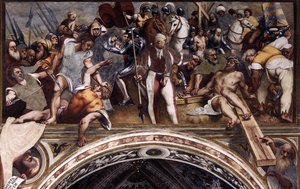
While many of Pordenone’s works were lost or damaged over the centuries, a significant number survive, offering glimpses into his extraordinary talent. The frescoes at Cremona Cathedral remain a testament to his early mastery, while his collaborations at the Scuola Grande della Carità in Venice showcase his dynamic style and innovative techniques. “Christ and Mary Magdalen” (1532) exemplifies his ability to convey profound religious devotion through vibrant color and expressive figures. His altarpieces, such as those created for churches throughout northern Italy, are characterized by their grandeur and emotional power. Today, Il Pordenone is recognized as a pivotal figure in the Italian Renaissance – an artist who defied convention, embraced experimentation, and left an indelible mark on the history of art. His works continue to captivate viewers with their raw energy, dramatic intensity, and enduring appeal.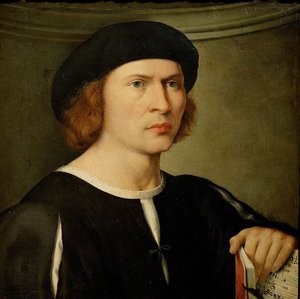
giovanni antonio de sacchis oril pordenone
1484 - 1539 , Italy
Quick Facts
- Artistic Movement Or Style: Renaissance Painting
- Artists Who Influenced This Artist:
- Andrea Mantegna
- Leonardo da Vinci
- Date Of Birth: c. 1484
- Date Of Death: 1539
- Full Name: Giovanni Antonio de Saccis Oril Pordenone
- Nationality: Italian
- Notable Artworks:
- The Martyrdom of St Peter
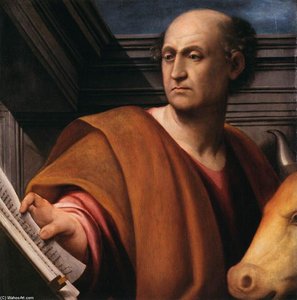
- St Luke
- Pilate Judges Christ
- Place Of Birth: Fruili-Visenza, Italy
Related Articles
Michelangelo's Masterpieces: Explore 25 Iconic Artworks for Your Home | ArtsDot
Journey through Michelangelo's 25 greatest artworks – from David’s strength to the Sistine Chapel’s beauty. Explore Renaissance masterpieces, art history & find museum-quality reproductions for your home at ArtsDot.com.

The Enduring Legacy of Fresco Painting: Techniques, History & Contemporary Relevance
Explore the rich history & enduring artistry of fresco painting – from Giotto to Michelangelo! Discover techniques, conservation efforts, & modern applications. Learn how ArtsDot brings this timeless art form to your home.

The Fresco as Family Legacy: Preserving Heritage Through Wall Art
Explore the rich history & enduring legacy of fresco painting. Discover how to preserve family heritage through stunning wall art. Expert insights & restoration guidance.

The Enduring Legacy of Fresco: Technique, History & Artistic Expression Across Cultures
Explore the rich history & enduring legacy of fresco painting! Discover ancient techniques, Giotto's masterpieces, and modern applications. Expert insights for art lovers & professionals.
The Enduring Legacy of Fresco: Technique, History & Artistic Expression
Explore the rich history & enduring artistry of fresco painting. Discover techniques from Giotto to Michelangelo, conservation efforts, & modern applications. Learn how ArtsDot brings this timeless art form to your home.