 Preview
 Send
Send Share
Share
 Details

 Download
 Similars
 X-Ray
X-Ray Diaporama
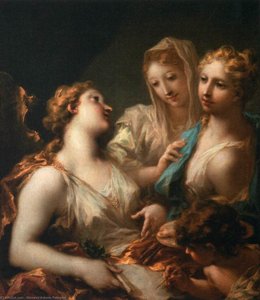
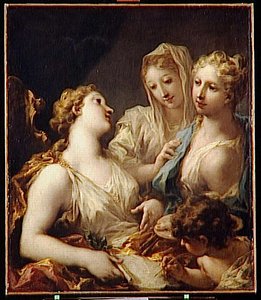
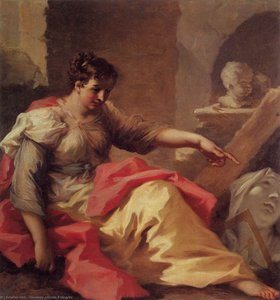
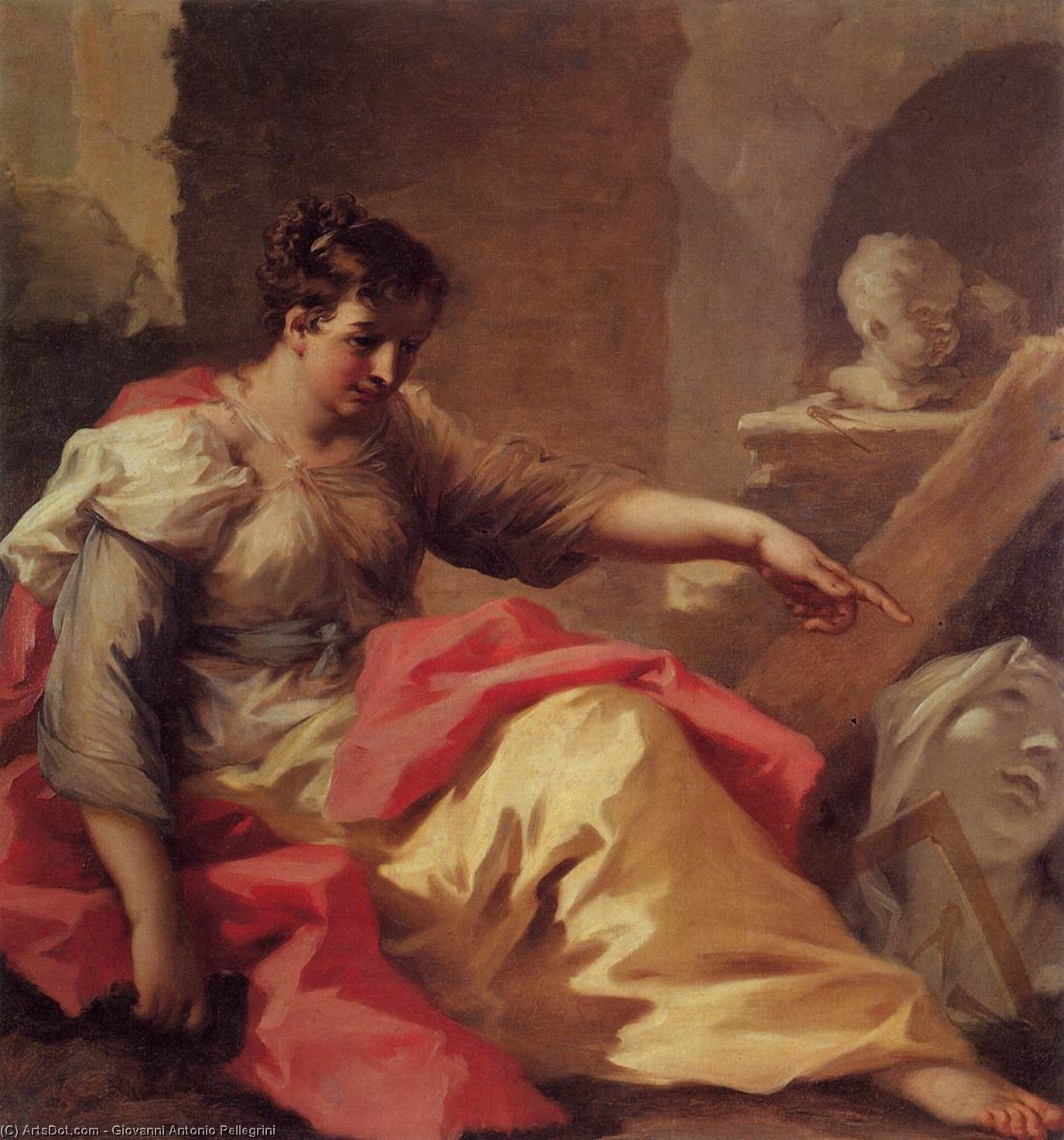
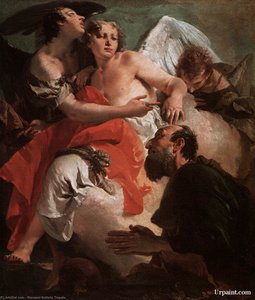
Allegory of Sculpture
 Oil On Canvas
- WallArt
- Neoclassicism
 1730
1730- Early Modern
 142.0 x 132.0 cm
 Gallerie dell'Accademia
 Read More
Hand Made Oil Reproduction
Hand-painted oil on canvas in your size and frame, made to order by our artists. ( Buy Print Buy Image)




P118B $10

P118H $10

P118W $10

P438Z $10

P508JH $12

P508YH $12

P805H $10

P805Z $10

P919BZ $10

P919G $10

P919XJ $10

P959ZH $10

P968JZ $12

W106C $8

W218G $10

W218JH $8

W218Y $10

W307PJ $10

W316G $10

W316PJ $8

W316Y $10

W398PJ $8

W4111J $10

W500HY $15

W500JH $15

W692G $12

W849H $8

W940BG $15

W953PJ $8




Pick from our preset sizes that match the artwork's original proportions.

You may enter your own dimensions to fit a specific frame or space. If your selected size does not match the original image's proportions, we will either crop the artwork or extend the painting with additional hand-painted elements. A digital mockup will be sent for your approval before production begins.
Please note that the on-screen preview does not reflect the actual cropping or extension. Only the mockup will accurately show the final composition.
While custom sizes are available, we recommend selecting a dimension from the predefined list to preserve the original proportions.
After order, ArtsDot.com team will email client for instructions and provide a mockup preview
Worldwide Delivery () in 3/4 weeks instead of standard 5 weeks. (16 August). No compromise on quality.

Free Worldwide Express Shipping

High-Quality Linen Canvas

Full Shipping Insurance

Customs Tax Refund Guarantee

True Color Matching Guarantee

60-Day Return Policy (Defects Only)

100% Money-Back Guarantee

Bulk Discount Offer
 Glass option is only available in size under 110 CM

Allegory of Sculpture
Reproduction Medium
Reproduction Size
-


Total Price
$ 288
Artwork Description
The Echoes of Creation: An Encounter with Allegory of Sculpture
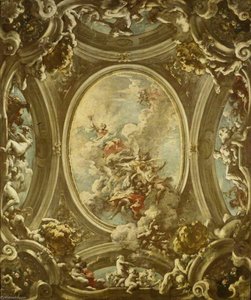
To stand before Giovanni Antonio Pellegrini’s Allegory of Sculpture is to step directly into the luminous, thoughtful atmosphere of an 18th-century Italian atelier. This painting is not merely a depiction of art; it is a meditation on the very act of creation itself—a tender confluence of inspiration, skill, and human grace. The composition centers around a seated woman, perhaps the embodiment of the Muse or the artist herself, whose gentle engagement with her craft draws the viewer into its warm embrace. Beside her, a young boy observes or participates, suggesting the passing down of knowledge across generations. Everything about the scene whispers of intellectual pursuit rendered beautiful.
A Symphony in Warm Tones and Soft Forms
Technically, Pellegrini masterfully employs an oil paint technique that achieves a breathtaking luminosity. The handling of the paint is meticulous, characterized by soft blending and delicate layering that allows light to seem almost palpable. Observe how the drapery flows with inherent rhythm; the lines are predominantly curved, lending an undeniable sense of movement and elegant repose to the figures. The overall aesthetic leans into Neoclassicism, favoring idealized forms and a balanced composition, yet it retains the rich emotional depth characteristic of the Baroque period from which Pellegrini emerged. The palette itself is intoxicating—a warm embrace dominated by rich reds, mellow yellows, and deep browns, punctuated by soft whites that catch the diffused, unseen light.
Symbolism Woven into Canvas
The subject matter invites deep contemplation. The sculpture partially visible in the scene acts as a silent catalyst, representing the tangible outcome of abstract thought. This painting speaks eloquently to the universal themes of artistic inspiration and beauty. It suggests that creativity is not an isolated genius moment, but rather a dialogue—a connection between mentor and pupil, between raw material and perfected form. The intimacy suggested by the shallow perspective draws us close, allowing us to feel the quiet concentration required when one seeks to capture the ephemeral essence of life on canvas or in marble.
Historical Context and Enduring Appeal
Painted around 1730, this work situates itself within a period where artistic patronage celebrated both classical ideals and burgeoning emotional expression. Pellegrini, known for his ability to bridge grand Renaissance concepts with the dramatic flair of the Baroque, captures that perfect equilibrium here. For the modern collector or designer, this piece offers more than mere decoration; it is an heirloom of culture. Reproducing this work allows one to bring the sophisticated warmth and intellectual resonance of a Venetian master’s studio into contemporary living spaces, serving as a perpetual reminder of the enduring power of human artistry.
Related Artworks


Artist Biography
The Venetian Master of Light and Motion
In the vibrant, water-bound splendor of 18th-century Venice, a new era of painterly elegance was being forged by the brush of Giovanni Antonio Pellegrini. Born in 1675 to a humble shoemaker, Pellegrini’s ascent from the streets of Venice to the royal courts of Europe is a testament to a singular talent that bridged the gap between the structured grandeur of the Renaissance and the emotive, swirling energy of the Baroque. His work does not merely sit upon a surface; it breathes with an atmospheric lightness, capturing a sense of spontaneous movement that would later inspire the great Giambattista Tiepolo. To look upon a Pellegrini is to witness the transition of an era, where the heavy shadows of the past began to dissolve into the luminous, airy compositions of a new age.
The foundations of his mastery were laid under the guidance of Paolo Pagani, a mentor who rooted him in the disciplined Milanese tradition. However, it was his encounter with the expressive brilliance of Sebastiano Ricci that truly ignited his creative spirit. From Ricci, Pellegrini inherited a sophisticated command of color and a penchant for dynamic, sweeping compositions. This stylistic evolution was further refined during his travels through Rome, where the whispers of emerging Neoclassical currents prompted him to experiment with more structured principles, creating a unique tension between classical order and Baroque theatricality.
A European Odyssey of Grandeur
Pellegrini was not a painter confined by borders; he was a true cosmopolitan of the arts. His reputation for capturing light and atmosphere propelled him across the continent, earning him prestigious commissions from the most influential patrons of his time. His journey took him through the Netherlands, Germany, Austria, and France, but it was in England where his legacy left an indelible mark on the architectural landscape. At magnificent estates such as Kimbolton Castle and Castle Howard, Pellegrini’s murals transformed ceilings into celestial gateways, utilizing a technique that mimicked the effortless grace of fresco painting to create vast, illusionistic vistas.
These international endeavors showcased his unparalleled ability to manipulate light, making heavy stone surfaces appear as weightless as clouds. His work in England served as a bridge, bringing the sophisticated aesthetic of the Venetian school to the British aristocracy and influencing the development of decorative painting in Northern Europe. Each commission was an opportunity for him to showcase his signature spontaneity—a quality that allowed his figures to dance across the canvas with a lifelike vitality that felt both monumental and intimately human.
Legacy and Artistic Significance
The historical significance of Giovanni Antonio Pellegrini lies in his role as a pivotal evolutionary link. He stood at the crossroads of history, synthesizing the perspectival depth of the Renaissance with the dramatic, emotive fervor of the Baroque. His mastery of the fresco technique and his ability to decorate massive architectural spaces—most notably the breathtaking dome above the staircase at San Rocco in Venice—demonstrated a technical prowess that few could match.
Ultimately, Pellegrini’s influence can be traced through the lineage of great Venetian masters. By softening the edges of the Baroque and introducing a luminous, airy quality to his compositions, he paved the way for the Rococo movement and provided the essential stylistic groundwork for Tiepolo. His life's work remains a celebration of movement, light, and the enduring power of the Venetian spirit, marking him as one of the most innovative and influential painters of the early 18th century.
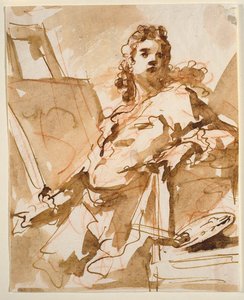
Giovanni Antonio Pellegrini
1675 - 1741 , Italy
Quick Facts
- Artistic Movement Or Style: Baroque & Renaissance
- Artists Or Movements Influenced By This Artist: ['Giovanni Battista Tiepolo']
- Artists Who Influenced This Artist:
- Paolo Veronese
- Luca Giordano
- Date Of Birth: Venice, Italy (1675)
- Date Of Death: 1741
- Full Name: Giovanni Antonio Pellegrini
- Nationality: Italian
- Notable Artworks:
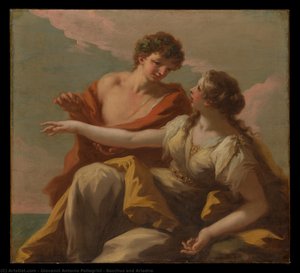
- Bacchus and Ariadne
- Allegory of Sculpture
- Place Of Birth: Venice
Related Articles

Bronze Sculptures That Defined Art History | ArtsDot
Journey through art history with our Top 10 bronze sculptures! Explore masterpieces by Rodin, Michelangelo & more. Discover stories behind iconic statues and find museum-quality reproductions for your home decor at ArtsDot.com.

The Enduring Form: Exploring Themes & Techniques in Sculpture Across Historical Periods
Explore the rich history of sculpture from ancient masterpieces to contemporary innovations. Discover key techniques, influential artists & investment potential for discerning art collectors.

Bronze Age to Modern Masters: 10 Sculptures That Redefined Art | ArtsDot
Journey through art history with 10 legendary bronze sculptures – from Michelangelo's David to Rodin’s Thinker. Explore the stories, techniques & timeless beauty of these masterpieces. Find museum-quality reproductions & elevate your home decor on ArtsDot.com.
Antonio Canova: Neoclassical Sculpture & the Pursuit of Emotional Perfection
Explore the life & art of Antonio Canova, the greatest Neoclassical sculptor. Discover his masterpieces, innovative techniques, and lasting influence on fine art collecting. Expert insights for discerning investors.
The Enduring Form: Sculpture Across History, Technique & Emotional Resonance
Explore the rich history of sculpture with ArtsDot. Discover key techniques, influential artists & investment potential for discerning collectors. Expert insights into valuing and collecting timeless masterpieces.