 Preview
 Send
Send Share
Share
 Details

 Download
 Similars
 X-Ray
X-Ray Diaporama
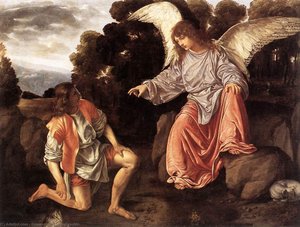
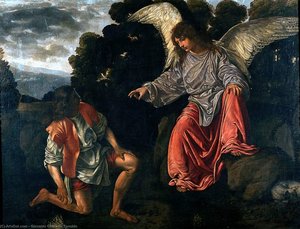
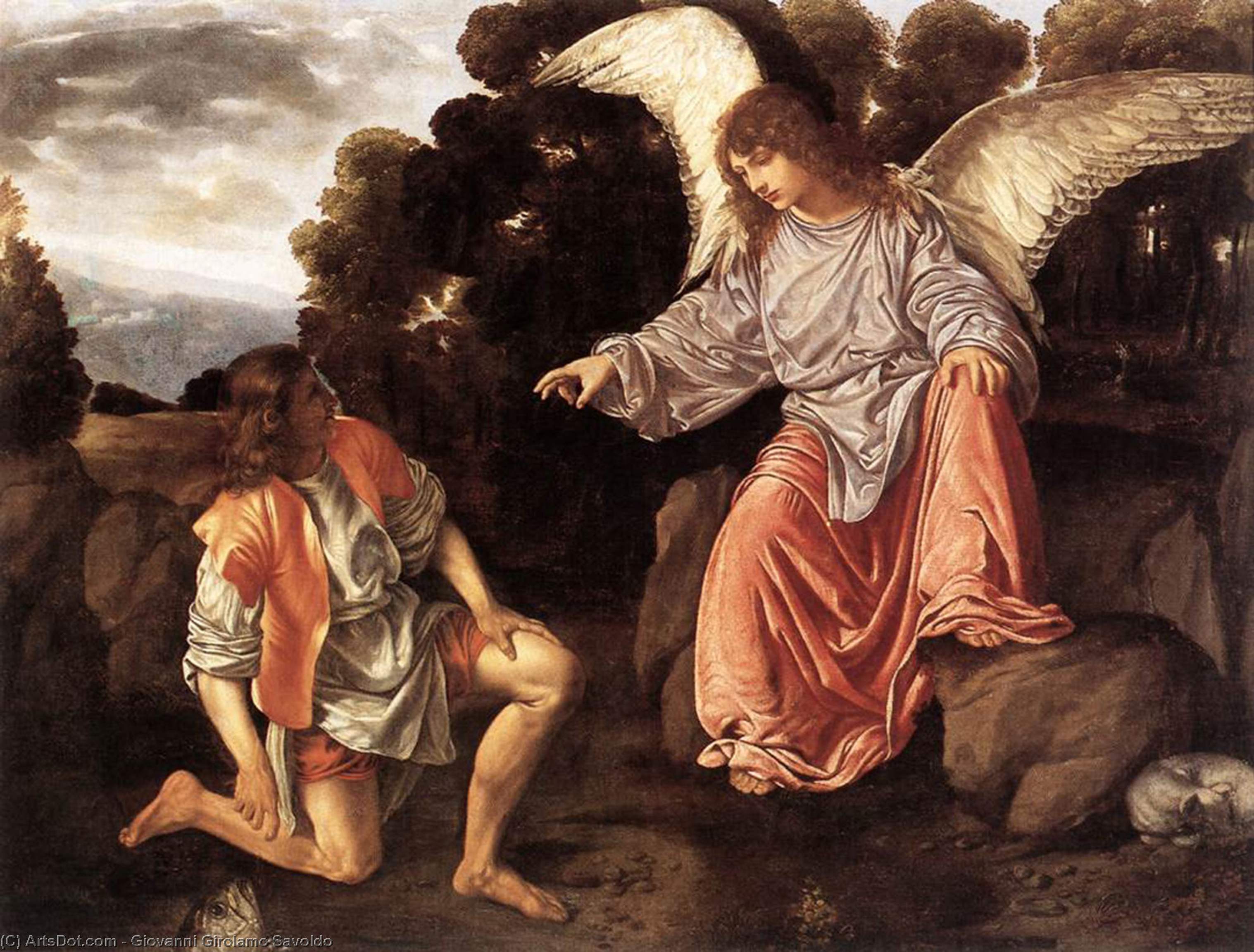
Tobias and the Angel
 Oil On Canvas
- WallArt
- High Renaissance
 1522
1522- Renaissance
 96.0 x 124.0 cm
 Galleria Borghese
 Read More
Hand Made Oil Reproduction
Hand-painted oil on canvas in your size and frame, made to order by our artists. ( Buy Print Buy Image)




P118B $10

P118H $10

P118W $10

P438Z $10

P508JH $12

P508YH $12

P805H $10

P805Z $10

P919BZ $10

P919G $10

P919XJ $10

P959ZH $10

P968JZ $12

W106C $8

W218G $10

W218JH $8

W218Y $10

W307PJ $10

W316G $10

W316PJ $8

W316Y $10

W398PJ $8

W4111J $10

W500HY $15

W500JH $15

W692G $12

W849H $8

W940BG $15

W953PJ $8




Pick from our preset sizes that match the artwork's original proportions.

You may enter your own dimensions to fit a specific frame or space. If your selected size does not match the original image's proportions, we will either crop the artwork or extend the painting with additional hand-painted elements. A digital mockup will be sent for your approval before production begins.
Please note that the on-screen preview does not reflect the actual cropping or extension. Only the mockup will accurately show the final composition.
While custom sizes are available, we recommend selecting a dimension from the predefined list to preserve the original proportions.
After order, ArtsDot.com team will email client for instructions and provide a mockup preview
Worldwide Delivery () in 3/4 weeks instead of standard 5 weeks. (27 August). No compromise on quality.

Free Worldwide Express Shipping

High-Quality Linen Canvas

Full Shipping Insurance

Customs Tax Refund Guarantee

True Color Matching Guarantee

60-Day Return Policy (Defects Only)

100% Money-Back Guarantee

Bulk Discount Offer
 Glass option is only available in size under 110 CM

Tobias and the Angel
Reproduction Medium
Reproduction Size
-


Total Price
$ 263
The Divine Encounter: An Exploration of Savoldo's "Tobias and the Angel"
To stand before Giovanni Girolamo Savoldo’s Tobias and the Angel is to step across the threshold into a moment suspended between the earthly and the celestial. This painting, executed in 1522, is not merely a depiction of a biblical narrative; it is a profound meditation on divine guidance, innocence confronted by revelation, and the gentle hand of grace. The composition immediately draws the eye into the interaction at its heart: the kneeling figure of Tobias, humbled before an unseen truth, guided by the luminous presence of the angel.
Savoldo masterfully orchestrates this sacred geometry. The standing man, perhaps representing a mentor or guide, directs the viewer's gaze forward, while the angel acts as the radiant conduit between the two figures. Notice the delicate balance achieved; the upward reach of the angel’s arm seems to pull the very light from the background, illuminating the central drama with an almost palpable glow. The inclusion of the natural elements—the visible trees framing the scene—grounds this miraculous event in a tangible reality, suggesting that divine intervention often occurs within the familiar landscape of human experience.
Mastery of Light and Lombard Realism
Savoldo’s technique is central to the painting's enduring power. He was celebrated for his ability to manipulate light, giving his figures a remarkable three-dimensionality that belies the period's conventions. His style, which blended Northern European meticulousness with the expressive warmth of Lombard painting, results in an unparalleled sense of realism. The drapery falls with convincing weight, and the skin tones possess a subtle, lifelike luminescence. This is not the dramatic chiaroscuro of later masters; rather, it is a more intimate, atmospheric modeling that suggests light filtering through a humid, sacred air.
For those considering bringing this piece into a collector's space or an esteemed interior setting, understanding Savoldo’s handling of *sfumato*—that soft blurring of edges—is key. It prevents the scene from feeling static, allowing the viewer's eye to wander gently across the textures and expressions, making the artwork feel alive.
Symbolism and Spiritual Resonance
The narrative itself is rich with symbolism. Tobias’s posture speaks volumes about repentance and receptivity; he is open to instruction. The angel embodies divine favor and protection, a visual promise of safe passage or spiritual enlightenment. The contrast between the darker backdrop and the brightly lit figures heightens the emotional impact, symbolizing the journey from shadow into understanding. It invites contemplation on personal journeys—the moments when we feel lost, yet know that guidance is imminent.
This painting resonates deeply because its themes are timeless: obedience, faith, and the moment of profound realization. It speaks to the human yearning for connection with something greater than oneself.
A Timeless Presence for Modern Spaces
Owning a reproduction of Tobias and the Angel is acquiring more than just decoration; it is curating an atmosphere of contemplation. Its sophisticated palette, dominated by earthy tones punctuated by ethereal light, allows it to harmonize beautifully within both richly decorated historical interiors and minimalist contemporary settings. The scale, at 96 x 124 cm, provides a commanding yet graceful focal point for any main hall or study.
When selecting a reproduction of this work, one is choosing an echo of Renaissance devotion—a piece that whispers stories of faith and human potential across the centuries. It offers depth, narrative weight, and unparalleled artistic finesse to any collection.
Related Artworks

Artist Biography
The Luminous Legacy of Giovanni Girolamo Savoldo
In the golden age of the Italian Renaissance, few painters possessed the ability to capture the ephemeral dance of light as masterfully as Giovanni Girolamo Savoldo. A figure of profound technical skill and quiet emotional depth, Savoldo emerged from the Lombard traditions to become a vital voice within the Venetian school. While much of his early life remains shrouded in the mists of history, his artistic presence is undeniably felt through a body of work that breathes with a unique, atmospheric vitality. Born in Brescia around 1480, he carried with him the meticulous modeling and restrained palettes characteristic of his Lombard roots, yet his spirit was irrevocably transformed by the vibrant, coloristic innovations of Venice.
The evolution of Savoldo’s style is a journey through the shifting landscapes of 16th-century Italy. His early training, likely influenced by the monumental precision of Andrea Mantegna and the grace of Francesco Mazzola, provided him with a foundation of structural integrity. As he moved through Parma and eventually settled in Venice around 1515, his work began to exhibit a breathtaking synthesis of styles. He possessed a rare talent for blending the Northern European preoccupation with realistic detail and texture with the sweeping, lyrical light of the Venetian masters. This fusion allowed him to create scenes that were not merely depictions of religious or secular subjects, but immersive environments where shadow and illumination tell a story of their own.
Mastery of Light and Lombard Modeling
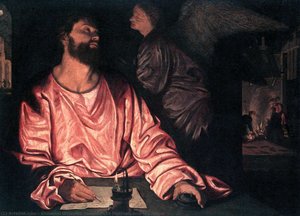
To gaze upon a Savoldo masterpiece is to witness the profound use of chiaroscuro. He did not merely use light to illuminate his subjects; he used it to sculpt them. His technique, often referred to as Lombard modeling, allowed him to imbue figures with a tangible, three-dimensional presence through subtle gradations of tone. In works such as "St Matthew and the Angel", one can sense the spiritual weight of the moment, conveyed through a luminous glow that seems to emanate from within the divine revelation itself. This ability to manipulate light created a sense of quiet lyricism, a hallmark of his mature period.
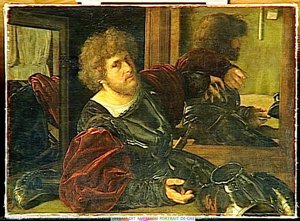
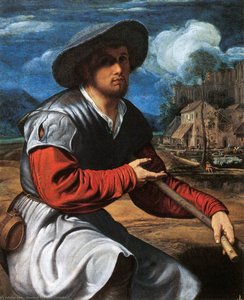
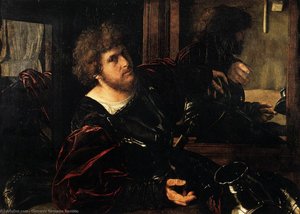
His versatility extended far beyond the sacred realm, reaching into the intimate world of portraiture and the pastoral charm of genre scenes. His portraits, such as the "Portrait of Bernardo di Salla" or the enigmatic "Portrait of a Man in Armour (known as Gaston de Foix)," demonstrate an uncanny ability to capture the psychological essence and dignity of his sitters. In these works, the play of light on metal, fabric, and skin showcases his technical virtuosity, while the soft, atmospheric backgrounds invite the viewer into a contemplative space. Even in more rustic subjects like "Shepherd with a Flute," Savoldo infuses the scene with a serene realism that elevates the humble subject to a level of poetic beauty.
Historical Significance and Artistic Enduring Spirit
Though his known output is relatively small—comprising approximately forty paintings—the impact of Giovanni Girolamo Savoldo on the trajectory of Renaissance art is significant. He acted as a bridge between the rigorous, sculptural traditions of the Lombardy region and the emotive, color-driven brilliance of Venice. His work serves as a testament to the era's capacity for profound innovation through the blending of diverse regional influences.
The rediscovery of his genius in the 19th century brought a renewed appreciation for his unique contribution to the High Renaissance. Today, art historians and enthusiasts alike continue to find solace and wonder in his ability to capture the fleeting moments of human experience. His legacy remains etched in the soft shadows and radiant highlights of his canvases, reminding us that true mastery lies in the ability to make the intangible—light, spirit, and emotion—visible to the eye.
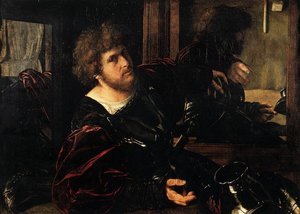
giovanni gerolamo savoldo
1480 - 1548 , Italy
Quick Facts
- Artistic Movement Or Style: High Renaissance
- Artists Or Movements Influenced By This Artist: ['Hieronymus Bosch']
- Artists Who Influenced This Artist: ['Giorgione']
- Date Of Birth: c. 1480
- Date Of Death: after 1548
- Full Name: Giovanni Girolamo Savoldo
- Nationality: Italian
- Notable Artworks:
- Saint Matthew and the Angel
- The Madonna and Saints
- Mary Magdalene
- Place Of Birth: Brescia, Italy
Related Articles
Celestial Messengers: Angels in Painting – A Historical & Artistic Exploration
Explore the captivating history of angels in painting! Discover symbolism, iconic Renaissance & Byzantine masterpieces, and renowned artists. Expert insights for art lovers & collectors at ArtsDot.
Celestial Messengers: A Comprehensive Exploration of Angelic Representation in Art History
Explore the captivating history of angels in art! Discover symbolism, iconic Renaissance masterpieces & renowned artists. Expert insights for art lovers & collectors at ArtsDot.
Giovanni Giacometti: Sculpting Existentialism – A Study of Form, Space, and the Human Condition
Explore the profound artistic journey of Giovanni Giacometti, father to Alberto. Discover his unique transition from Surrealism to Existentialist sculpture and painting – a compelling study for elite collectors and art enthusiasts.
Giovanni Segantini: Capturing Alpine Light & Symbolist Visions
Explore the captivating world of Giovanni Segantini, master of Alpine landscapes & Symbolist art. Discover his innovative techniques, allegorical masterpieces like 'La Vita,' and enduring legacy. Learn about this pivotal 19th-century Italian painter.
Giovanni Boldini: A Study in Belle Époque Portraiture & the Cult of Personality
Explore the captivating world of Giovanni Boldini, master of Belle Époque portraiture. Discover his signature style, iconic works like 'Miss Bell,' and lasting influence on art history. Expert analysis for collectors.