 Preview
 Send
Send Share
Share
 Details

 Download
 Similars
 X-Ray
X-Ray Diaporama
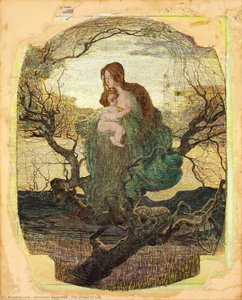
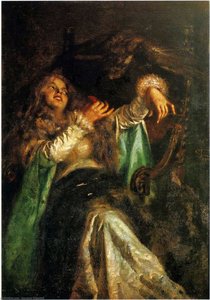
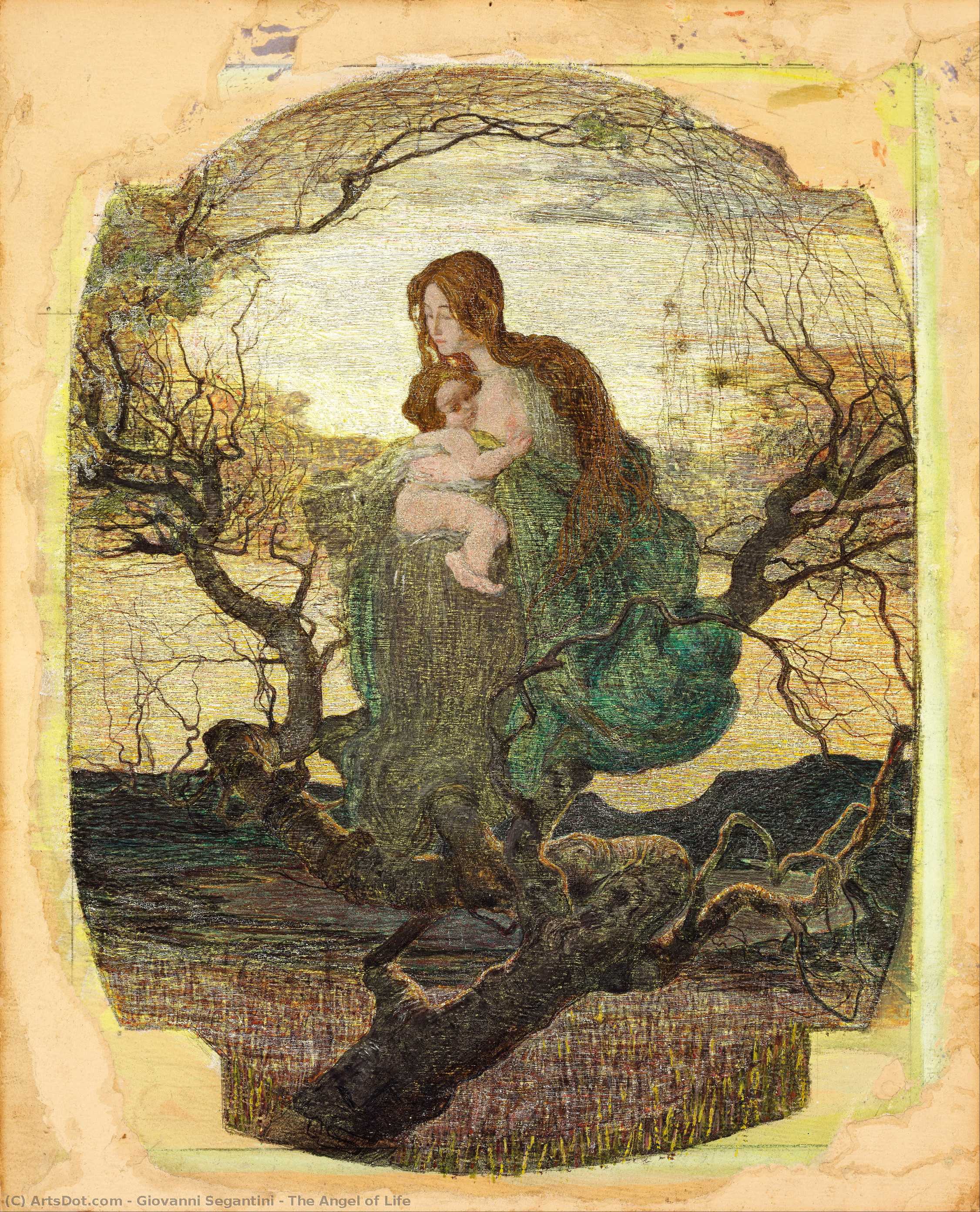
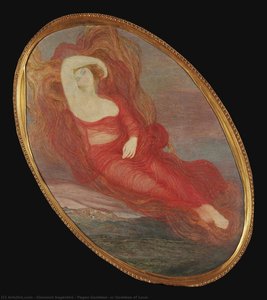
The Angel of Life


 Read More
Hand Made Oil Reproduction
Hand-painted oil on canvas in your size and frame, made to order by our artists. ( Buy Print Buy Image)




P118B $10

P118H $10

P118W $10

P438Z $10

P508JH $12

P508YH $12

P805H $10

P805Z $10

P919BZ $10

P919G $10

P919XJ $10

P959ZH $10

P968JZ $12

W106C $8

W218G $10

W218JH $8

W218Y $10

W307PJ $10

W316G $10

W316PJ $8

W316Y $10

W398PJ $8

W4111J $10

W500HY $15

W500JH $15

W692G $12

W849H $8

W940BG $15

W953PJ $8




Pick from our preset sizes that match the artwork's original proportions.

You may enter your own dimensions to fit a specific frame or space. If your selected size does not match the original image's proportions, we will either crop the artwork or extend the painting with additional hand-painted elements. A digital mockup will be sent for your approval before production begins.
Please note that the on-screen preview does not reflect the actual cropping or extension. Only the mockup will accurately show the final composition.
While custom sizes are available, we recommend selecting a dimension from the predefined list to preserve the original proportions.
After order, ArtsDot.com team will email client for instructions and provide a mockup preview
Worldwide Delivery () in 3/4 weeks instead of standard 5 weeks. (25 August). No compromise on quality.

Free Worldwide Express Shipping

High-Quality Linen Canvas

Full Shipping Insurance

Customs Tax Refund Guarantee

True Color Matching Guarantee

60-Day Return Policy (Defects Only)

100% Money-Back Guarantee

Bulk Discount Offer
 Glass option is only available in size under 110 CM

The Angel of Life
Reproduction Medium
Reproduction Size
-


Total Price
$ 263
Artwork Description
Giovanni Segantini’s “The Angel of Life”: A Vision of Alpine Grace
Giovanni Segantini's "The Angel of Life," painted in 1895, is more than just a depiction of a mother and child; it’s a profound meditation on motherhood, faith, and the sublime beauty of the Italian Alps. This monumental canvas, measuring an impressive size (though exact dimensions remain unknown), immediately draws the viewer into a world of ethereal light and quiet reverence. Segantini, a master of Divisionism – a technique emphasizing broken color and shimmering effects – here employs it not merely as a stylistic choice but as a means to evoke the spiritual essence of his subject.
The scene unfolds within a rugged, snow-dusted landscape, instantly recognizable as the dramatic peaks of the Lombardy Alps. The woman, rendered with an almost luminous quality, is undeniably an angelic figure, her long hair cascading down her shoulders and framing a face that radiates serenity. Her posture is one of gentle strength, cradling her infant with unwavering tenderness. The baby, nestled close to her chest, mirrors her peaceful expression, suggesting a deep connection between mother and child – a bond that transcends the earthly realm. The two birds subtly placed in the composition—one near the upper left corner, another towards the lower right—add an element of symbolic grace, representing hope and divine guidance.
Divisionism and the Pursuit of Light
Segantini’s artistic approach is central to understanding “The Angel of Life.” He was a devoted practitioner of Divisionism, pioneered by Jules Chéret. This technique involved applying paint in tiny, separate strokes of pure color – often achieved through layering translucent glazes – which were then optically blended by the viewer's eye. This method allowed Segantini to capture the fleeting effects of light and atmosphere with remarkable precision. Notice how the sunlight seems to cascade across the woman’s face and body, creating a shimmering, almost otherworldly glow. The broken color creates an incredible sense of depth and movement within the landscape, mirroring the dynamism of nature itself.
He meticulously built up layers of paint, often using multiple colors simultaneously beneath the surface, resulting in a rich tapestry of hues that shift and change depending on the angle of observation. This technique wasn’t simply about visual effect; it was a deliberate attempt to capture the very essence of light – its ephemeral quality, its ability to transform and illuminate. Segantini's dedication to this method is evident in every brushstroke, creating an immersive experience for the viewer.
A Painter Shaped by Struggle
The story of Giovanni Segantini’s life is inextricably linked to his art. Born in Graz, Austria, in 1858, he faced considerable hardship early on, marked by poverty and a difficult childhood. Orphaned at a young age, he spent time in a Milanese reformatory where his artistic talent was recognized. Despite limited formal education, Segantini relentlessly pursued his passion, developing a unique style deeply rooted in the landscapes of the Italian Alps. His life was tragically cut short in 1899, but his legacy endures through works like “The Angel of Life,” which embodies his profound connection to nature and his unwavering belief in the power of beauty.
Symbolism and Emotional Resonance
Beyond its technical brilliance, "The Angel of Life" is rich in symbolism. The mother-child figure represents not only the sanctity of family but also a deeper spiritual concept – the embodiment of divine grace and creation. The setting within the Alps evokes a sense of timelessness and connection to something larger than oneself. The painting’s overall mood is one of profound peace, serenity, and hope. It invites contemplation on themes of love, faith, and the enduring beauty of the natural world. “The Angel of Life” continues to resonate with viewers today, offering a glimpse into a world where art transcends mere representation and becomes a vehicle for spiritual expression.
Related Artworks
Artist Biography
Giovanni Segantini: A Life Dedicated to the Alps
- Born: January 15, 1858, Arco, Trentino (then Austria-Hungary)
- Died: August 10, 1899, Schiavi di Abbemaggiore, near Sondrio, Italy
Giovanni Segantini was an Italian painter renowned for his large-scale pastoral landscapes of the Alps. His life story is one marked by hardship and eventual artistic triumph, culminating in a unique style that blended Divisionism with Symbolist imagery.
Early Life and Struggles
- Difficult Beginnings: Segantini's early years were characterized by poverty. His father was a traveling tradesman, leaving his mother to raise him largely alone.
- Orphanhood and Reformatory: Following his mother’s death, he ran away from home and ended up in a Milanese reformatory. It was here that a chaplain recognized his artistic talent and encouraged its development.
- Self-Education: Despite limited formal education, Segantini taught himself to read and write later in life, demonstrating remarkable determination.
- Early Career: He initially worked as a photographer's assistant before pursuing painting seriously.
Artistic Development and Influences
- Training at the Brera Academy: Segantini attended classes at the prestigious Brera Academy in Milan, where he encountered influential figures of the Scapigliatura movement. This group championed a rejection of artistic conventions and an embrace of life's raw realities.
- Key Influences: His work was significantly influenced by Anton Mauve and Jean-François Millet, introduced to him through Vittorio Grubicy de Dragon, who became his advisor and dealer. These artists emphasized realism and depictions of rural life.
- Divisionism: Segantini adopted a Divisionist painting approach, which involved applying small dots or strokes of pure color side by side on the canvas. This technique aimed to create optical mixing in the viewer's eye, producing vibrant and luminous effects.
- Symbolism: Alongside Divisionism, Segantini incorporated Symbolist elements into his work, imbuing his landscapes with deeper meanings and allegorical representations of life, death, and spirituality.
Major Works and Themes
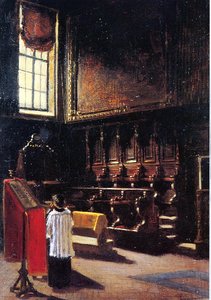
- Early Success: His painting "The Chancel of Sant'Antonio" gained recognition for its powerful quality and was acquired by Milan’s Società per le Belle Arti.
- Alpine Landscapes: Segantini is best known for his depictions of the Alps, capturing their grandeur and serenity. He sought to portray not just the physical beauty but also the spiritual essence of these landscapes.
- Notable Paintings: Some of his most celebrated works include:
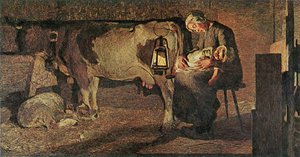
- The Two Mothers (Le due Madri) - A poignant depiction of motherhood and rural life.
- Life (La Vita) – Captures the essence of Alpine beauty and human connection.
- Donna alla fonte (also known as Alpenlandschaft mit Frau am Brunnen) – A serene scene of a woman by a fountain in the Alps.
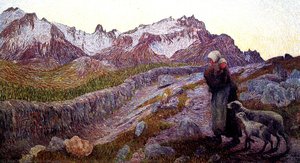
- Ragazza che fa la calza - A beautiful Symbolist painting featuring a woman and sheep.
- Il castigo delle lussuriose – A haunting depiction exploring themes of morality and nature.
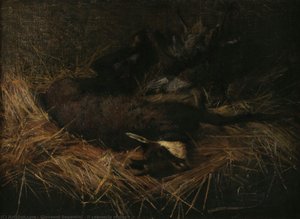
- Later Years: He spent his final years in Switzerland, where he created some of his most significant works, including "Capriolo morto" (Dead Roe Deer), a deeply moving portrayal of mortality.
Legacy and Historical Significance
- Unique Artistic Style: Segantini’s fusion of Divisionism and Symbolism resulted in a distinctive style that set him apart from his contemporaries.
- Capturing the Spirit of the Alps: He is remembered as one of the most important painters of Alpine landscapes, successfully conveying their beauty and spiritual significance.
- Influence on Later Artists: His innovative use of color and light influenced subsequent generations of artists.
- Continued Appreciation: Today, Segantini’s works are exhibited in major museums worldwide, and his legacy as a master painter continues to inspire art lovers.
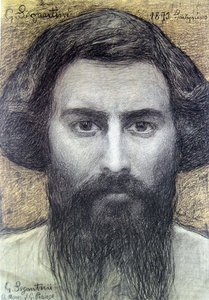
Giovanni Segantini
1858 - 1899 , Austria
Quick Facts
- Artistic Movement Or Style: Symbolism, Divisionism
- Artists Who Influenced This Artist:
- Anton Mauve
- Jean-François Millet
- Date Of Birth: January 15, 1858
- Date Of Death: 1899
- Full Name: Giovanni Segantini
- Nationality: Italian
- Notable Artworks:
- The Chancel of Sant Antonio
- Lavandaia
- Life (La Vita)
- Donna alla fonte
- Ragazza che fa la calza
- Taking a Drink
- Il castigo delle lussuriose
- Capriolo morto
- L.amore alla fonte della vita
- Place Of Birth: Arco, Austria-Hungary
Related Articles
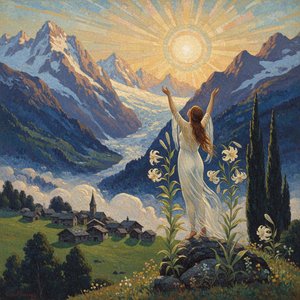
Giovanni Segantini: Capturing Alpine Light & Symbolist Visions
Explore the captivating world of Giovanni Segantini, master of Alpine landscapes & Symbolist art. Discover his innovative techniques, allegorical masterpieces like 'La Vita,' and enduring legacy. Learn about this pivotal 19th-century Italian painter.
Celestial Messengers: Angels in Painting – A Historical & Artistic Exploration
Explore the captivating history of angels in painting! Discover symbolism, iconic Renaissance & Byzantine masterpieces, and renowned artists. Expert insights for art lovers & collectors at ArtsDot.
Celestial Messengers: A Comprehensive Exploration of Angelic Representation in Art History
Explore the captivating history of angels in art! Discover symbolism, iconic Renaissance masterpieces & renowned artists. Expert insights for art lovers & collectors at ArtsDot.
Giovanni Giacometti: Sculpting Existentialism – A Study of Form, Space, and the Human Condition
Explore the profound artistic journey of Giovanni Giacometti, father to Alberto. Discover his unique transition from Surrealism to Existentialist sculpture and painting – a compelling study for elite collectors and art enthusiasts.
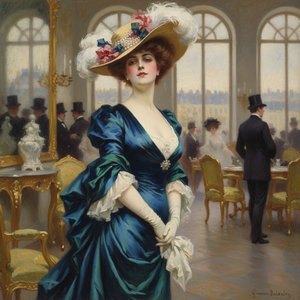
Giovanni Boldini: A Study in Belle Époque Portraiture & the Cult of Personality
Explore the captivating world of Giovanni Boldini, master of Belle Époque portraiture. Discover his signature style, iconic works like 'Miss Bell,' and lasting influence on art history. Expert analysis for collectors.