 Preview
 Send
Send Share
Share
 Details

 Download
 Similars
 X-Ray
X-Ray Diaporama
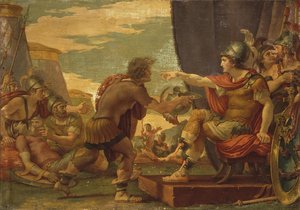
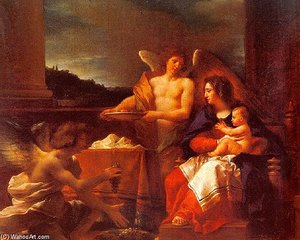
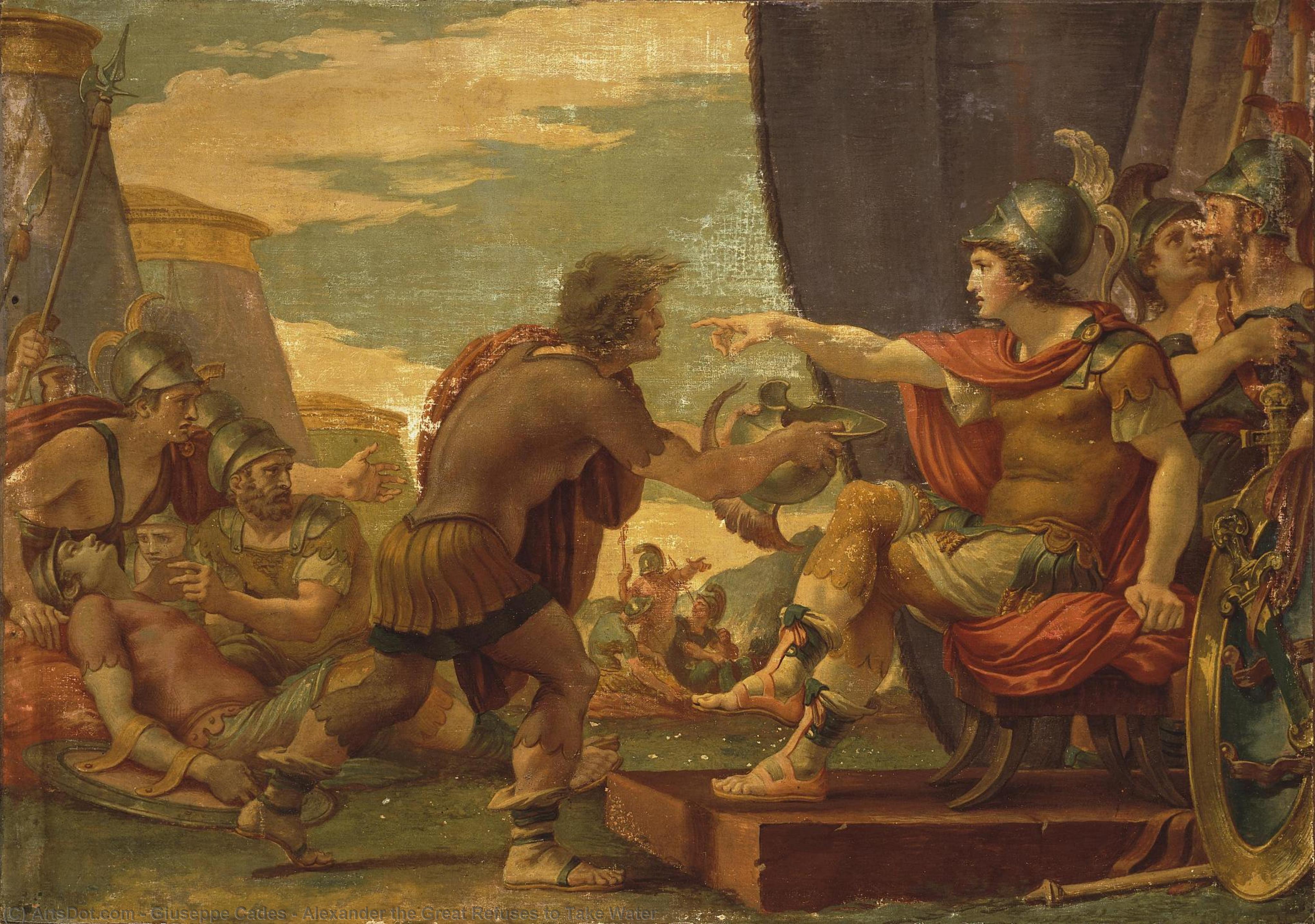
Alexander the Great Refuses to Take Water
 Acrylic On Canvas
- WallArt
- Baroque Revival
 1792
1792 81.0 x 114.0 cm
 Hermitage Museum
 Read More
Hand Made Oil Reproduction
Hand-painted oil on canvas in your size and frame, made to order by our artists. ( Buy Print Buy Image)




P118B $10

P118H $10

P118W $10

P438Z $10

P508JH $12

P508YH $12

P805H $10

P805Z $10

P919BZ $10

P919G $10

P919XJ $10

P959ZH $10

P968JZ $12

W106C $8

W218G $10

W218JH $8

W218Y $10

W307PJ $10

W316G $10

W316PJ $8

W316Y $10

W398PJ $8

W4111J $10

W500HY $15

W500JH $15

W692G $12

W849H $8

W940BG $15

W953PJ $8




Pick from our preset sizes that match the artwork's original proportions.

You may enter your own dimensions to fit a specific frame or space. If your selected size does not match the original image's proportions, we will either crop the artwork or extend the painting with additional hand-painted elements. A digital mockup will be sent for your approval before production begins.
Please note that the on-screen preview does not reflect the actual cropping or extension. Only the mockup will accurately show the final composition.
While custom sizes are available, we recommend selecting a dimension from the predefined list to preserve the original proportions.
After order, ArtsDot.com team will email client for instructions and provide a mockup preview
Worldwide Delivery () in 3/4 weeks instead of standard 5 weeks. (17 August). No compromise on quality.

Free Worldwide Express Shipping

High-Quality Linen Canvas

Full Shipping Insurance

Customs Tax Refund Guarantee

True Color Matching Guarantee

60-Day Return Policy (Defects Only)

100% Money-Back Guarantee

Bulk Discount Offer
 Glass option is only available in size under 110 CM

Alexander the Great Refuses to Take Water
Reproduction Medium
Reproduction Size
-


Total Price
$ 263
Artwork Description
A Moment of Stoicism Amidst Imperfection: Exploring Giuseppe Cades' Vision
Giuseppe Cades (1750-1799) stands as a pivotal figure within the Roman Baroque revival, an artist who skillfully navigated the currents of Enlightenment thought while retaining the grandeur and expressive fervor characteristic of his predecessors. Born into a family steeped in Vatican patronage and blessed with prodigious artistic talent from infancy, Cades benefited from instruction under luminaries like Mancini and Domenico Corvi, securing a prestigious prize for his depiction of Tobias recovering his sight – an early indication of his remarkable aptitude and foreshadowing the distinguished commissions that would solidify his reputation as Rome’s foremost painter. His formative years were dedicated to absorbing the stylistic precepts of the Baroque era, specifically Caravaggio's masterful manipulation of chiaroscuro, which instilled in him a profound understanding of dramatic illusionism and profoundly influenced his artistic approach.The Narrative Landscape: Historical Context and Artistic Inspiration
“Alexander the Great Refuses to Take Water,” completed in 1792, is more than just a portrait; it’s an embodiment of a specific historical episode—the legendary refusal of Alexander the Great to accept water offered by a woman during his arduous campaign across Sogdiana. Plutarch and Curtius Rufus debated where exactly this incident transpired: Plutarch posited it occurred early in Alexander's pursuit of Darius III, while Curtius argued for a location further along the route—the Gedrosian Desert—where Alexander’s army faced extreme hardship due to lack of potable water. This narrative tension served as Cades’ inspiration, transforming it into a visual representation of resilience and moral fortitude. The artist meticulously researched classical sources, incorporating details that would resonate with his aristocratic clientele – individuals accustomed to opulent interiors adorned with depictions of heroic narratives.Stylistic Elements: Baroque Drama Embodied
Cades' technique—tempera with wax on canvas—was chosen deliberately for its ability to achieve remarkable luminosity and textural richness. This method, favored by artists like Caravaggio and Rembrandt, allowed for subtle gradations of color and a palpable sense of depth, mirroring the dramatic intensity of the subject matter. The composition itself is carefully constructed, utilizing pyramidal arrangements and dynamic diagonals to guide the viewer’s eye and heighten the emotional impact. Like Raphael's frescoes in the Vatican Stanze—particularly “The Wedding of Alexander and Roxanne”—Cades subtly alluded to established artistic conventions, demonstrating his mastery of classical ideals while simultaneously injecting a distinctly Baroque sensibility into his work.Symbolism and Emotional Resonance: A Reflection of Virtue
Beyond its technical prowess, "Alexander the Great Refuses to Take Water" communicates profound symbolic meaning. Alexander’s refusal represents not merely physical discomfort but also moral integrity—a steadfast commitment to upholding dignity amidst adversity. The woman offering water symbolizes compassion and generosity, highlighting the importance of empathy within a challenging situation. Cades skillfully captures this duality, conveying both vulnerability and strength simultaneously. The painting's subdued palette—dominated by earthy tones—contributes to its contemplative mood, inviting viewers to contemplate themes of honor, duty, and human resilience.A Legacy Enduring Through Reproduction: Bringing Cades’ Vision Home
Today, a high-quality reproduction of “Alexander the Great Refuses to Take Water” can transport you back to Rome's artistic zenith—a testament to Giuseppe Cades’ enduring legacy as one of the era’s most accomplished painters. Its dramatic composition and masterful technique continue to inspire admiration, offering a glimpse into the intellectual and aesthetic sensibilities that shaped the Enlightenment. ArtsDot.com proudly presents this captivating artwork, allowing you to experience its beauty and significance firsthand.Related Artworks

Artist Biography
Giuseppe Cades: A Roman Baroque Visionary
Giuseppe Cades (1750-1799) stands as a significant figure in Italian Baroque art, particularly within the context of Rome’s artistic revival during the Enlightenment. Born into a family with connections to the Vatican and possessing considerable talent from a young age, Cades honed his skills under influential masters like Mancini and Domenico Corvi, securing a prestigious prize for his depiction of Tobias recovering his sight – an early testament to his artistic promise. His formative years were spent absorbing the stylistic precepts of the era, preparing him for commissions that would solidify his reputation as one of Rome’s foremost painters.- Early Training & Influences: Cades' education at Mancini and Corvi instilled in him a deep understanding of classical ideals and Baroque techniques. He was particularly drawn to the grandeur and dramatic illusionism championed by Caravaggio, whose masterful use of chiaroscuro profoundly impacted his artistic approach.
- Notable Commissions & Artistic Output: His involvement with prominent patrons like Cardinal Alessandro Velázquez resulted in ambitious projects – notably the altar-piece for San Benedetto in Turin (1771) and frescoes adorning Palazzo Chigi, depicting scenes from Tasso’s *Jerusalem Delivered*. These works exemplify Cades' ability to convey complex narratives through visual splendor.
- Technical Mastery & Style: Cades excelled at capturing the emotional intensity of Baroque art. His canvases are characterized by rich color palettes, meticulous detail, and a masterful command of perspective—elements that contribute to an immersive experience for the viewer. He skillfully blended classical elements with Baroque dynamism, creating compositions that resonate with both intellectual depth and visual beauty.
- Prints & Engravings: Beyond painting, Cades achieved recognition as an engraver, producing evocative prints such as “Christ Blessing Little Children” and “The Death of Leonardo da Vinci.” These engravings demonstrate his technical prowess and his fascination with capturing iconic figures from Western art history.
Recognition & Legacy
Cades joined the Accademia di San Luca in Rome in 1786, marking a pivotal moment in his artistic career and solidifying his position within Rome’s artistic elite. Although he died relatively young at the age of 49, Cades left behind an impressive body of work that continues to inspire admiration for its beauty and expressive power. His frescoes and paintings contribute significantly to understanding the artistic landscape of the late Baroque period and exemplify the enduring influence of classical ideals on European art. He is remembered as a skilled craftsman who skillfully blended tradition with innovation, securing his place among Rome’s most celebrated artists.Further Exploration
For more information about Giuseppe Cades' life and artistic achievements, consult resources such as:- Getty Museum: Giuseppe Cades - Getty Museum
- Wikipedia: Giuseppe Cades - Wikipedia
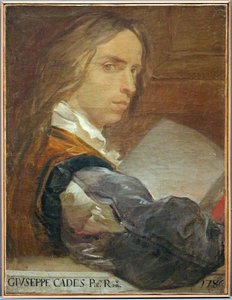
Giuseppe Cades
1750 - 1799 , Italy
Quick Facts
- Artistic Movement Or Style: Baroque & Neo-classical
- Artists Or Movements Influenced By This Artist: ['Renaissance']
- Artists Who Influenced This Artist:
- Mancini
- Domenico Corvi
- Date Of Birth: Rome, Italy (1750)
- Date Of Death: December 8, 1799
- Full Name: Giuseppe Cades
- Nationality: Italian
- Notable Artworks:
- School of Athens
- Astronomy
- Justice
- Place Of Birth: Rome
Related Articles

Baroque Drama: Bringing Opulence & Emotion into Contemporary Interiors
Explore the opulent world of Baroque interior design! Discover key elements, modern applications & how to bring dramatic elegance into your home with 's authentic reproductions.

The Dramatic Flourish: Exploring the Baroque Movement's Enduring Legacy in Art History
Explore the dramatic world of Baroque art! Discover iconic artists like Caravaggio & Rubens, defining techniques, and its lasting impact on art history. Expert insights for collectors & enthusiasts at ArtsDot.

Baroque Masterpieces: 10 Paintings That Defined an Era |
Journey through the drama & grandeur of Baroque art! Explore 10 masterpieces by Caravaggio, Rembrandt, Rubens & more. Discover stunning oil paintings, rich colors & timeless stories. Find museum-quality reproductions at .

The Visceral Stage: Exploring Dramatic Narratives & Emotional Intensity in Baroque Art
Explore the dramatic world of Baroque art! Discover iconic masters like Caravaggio & Rembrandt, their techniques, and the movement's lasting impact. Expert insights for collectors & enthusiasts at ArtsDot.

Theatricality & Triumph: Baroque Drama in Painting & Sculpture
Explore the dramatic world of Baroque art! Discover its history, defining characteristics, & lasting influence on painting & sculpture. Expert insights into Caravaggio, Zurbarán, and Bernini – plus high-quality reproductions at ArtsDot.