 Preview
 Send
Send Share
Share
 Details

 Download
 Similars
 X-Ray
X-Ray Diaporama
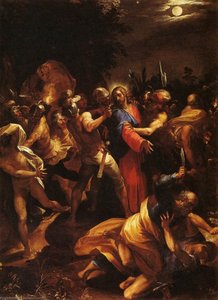
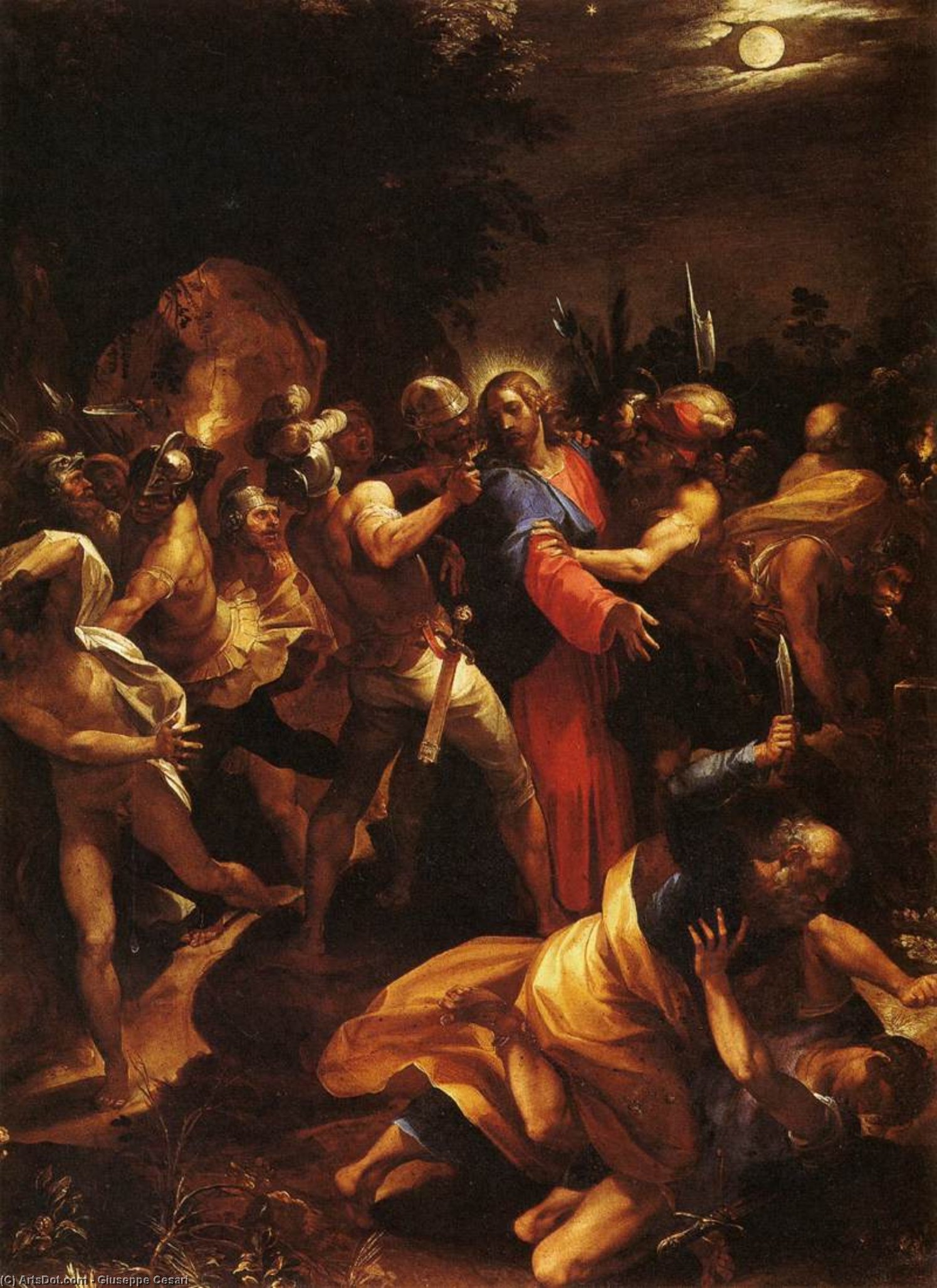
The Betrayal of Christ
 Oil On Canvas
- WallArt
- Mannerist
 1596
1596 77.0 x 56.0 cm
 Galleria Borghese
 Read More
Hand Made Oil Reproduction
Hand-painted oil on canvas in your size and frame, made to order by our artists. ( Buy Print Buy Image)




P118B $10

P118H $10

P118W $10

P438Z $10

P508JH $12

P508YH $12

P805H $10

P805Z $10

P919BZ $10

P919G $10

P919XJ $10

P959ZH $10

P968JZ $12

W106C $8

W218G $10

W218JH $8

W218Y $10

W307PJ $10

W316G $10

W316PJ $8

W316Y $10

W398PJ $8

W4111J $10

W500HY $15

W500JH $15

W692G $12

W849H $8

W940BG $15

W953PJ $8




Pick from our preset sizes that match the artwork's original proportions.

You may enter your own dimensions to fit a specific frame or space. If your selected size does not match the original image's proportions, we will either crop the artwork or extend the painting with additional hand-painted elements. A digital mockup will be sent for your approval before production begins.
Please note that the on-screen preview does not reflect the actual cropping or extension. Only the mockup will accurately show the final composition.
While custom sizes are available, we recommend selecting a dimension from the predefined list to preserve the original proportions.
After order, ArtsDot.com team will email client for instructions and provide a mockup preview
Worldwide Delivery () in 3/4 weeks instead of standard 5 weeks. (16 August). No compromise on quality.

Free Worldwide Express Shipping

High-Quality Linen Canvas

Full Shipping Insurance

Customs Tax Refund Guarantee

True Color Matching Guarantee

60-Day Return Policy (Defects Only)

100% Money-Back Guarantee

Bulk Discount Offer
 Glass option is only available in size under 110 CM

The Betrayal of Christ
Reproduction Medium
Reproduction Size
-


Total Price
$ 263
Artwork Description
Giuseppe Cesari’s “The Betrayal of Christ”: A Study in Mannerist Drama
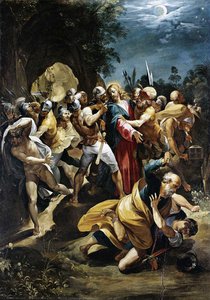
Giuseppe Cesari's "The Betrayal of Christ," painted around 1596, is not merely a depiction of a pivotal biblical moment; it’s a carefully constructed tableau brimming with psychological intensity and the hallmarks of the late Mannerist style. This monumental work, measuring a commanding 77 x 56 cm, transcends simple narrative illustration, offering instead a profound meditation on treachery, faith, and the agonizing weight of betrayal within the tumultuous landscape of Renaissance Rome. The painting immediately draws the eye to the central figures – Jesus, caught in an expression of bewildered sorrow, and Judas Iscariot, his face a mask of calculated malice, poised to deliver the fatal kiss. Cesari masterfully utilizes dramatic lighting, casting deep shadows that heighten the sense of foreboding and emphasizing the emotional turmoil etched upon each character’s countenance.
Cesari's artistic lineage is deeply rooted in the Florentine Mannerist tradition, a style characterized by its elongated figures, complex compositions, and an emphasis on expressive gesture. He inherited this legacy from artists like Pontormo and Bronzino, but Cesari infused it with his own distinctive sensibility – a heightened sense of theatricality and a masterful command of color. The palette is rich and opulent, dominated by deep reds, blues, and golds, creating a visually arresting effect that mirrors the grandeur of the papal court where the painting likely resided. Notice particularly the use of crimson to highlight Judas’s cloak, immediately associating him with sin and deceit – a deliberate choice that underscores his role as the catalyst for Christ's demise.
The Setting: A Stage for Tragedy
The scene unfolds outdoors, against a backdrop of a dramatic, moonlit sky—a common device in Mannerist art to evoke an atmosphere of mystery and heightened emotion. The landscape is rendered with a degree of abstraction, prioritizing the conveyance of mood over strict topographical accuracy. A small group of disciples, including Peter, stand frozen in expressions of shock and disbelief, while others – notably John – are depicted reaching for their swords, signaling the imminent violence to come. A dog, strategically placed within the composition, adds another layer of symbolic complexity. Often interpreted as a representation of loyalty or, conversely, betrayal (a pointed allusion to Judas’s own deceit), its watchful gaze contributes significantly to the painting's overall sense of unease and impending doom.
The artist’s attention to detail is remarkable. The folds of the figures’ garments are rendered with meticulous precision, creating a palpable sense of texture and volume. Cesari skillfully employs *chiaroscuro* – the dramatic contrast between light and shadow – to sculpt the forms and draw the viewer's eye to key elements within the composition. This technique not only enhances the painting’s visual impact but also serves to heighten the emotional intensity, emphasizing the vulnerability of Christ and the malevolence of Judas.
Symbolism and Historical Context
“The Betrayal of Christ” was painted during a period of intense religious fervor and political intrigue in Rome. The papacy under Clement VIII and Sixtus V was characterized by lavish patronage of the arts, as the Church sought to reaffirm its authority and project an image of power and piety. Cesari’s work reflects this climate, embodying the dramatic and emotionally charged aesthetic favored by the papal court. The painting's subject matter – the betrayal of Christ – resonated deeply with contemporary audiences, who were grappling with questions of faith, morality, and the nature of evil.
Furthermore, the inclusion of the dog is particularly significant within the context of Renaissance symbolism. Dogs have long been associated with loyalty, but also with treachery and deceit—a duality that perfectly encapsulates the central theme of the painting. Cesari’s strategic placement of the animal serves as a potent reminder of the inherent ambiguity of human nature and the ever-present threat of betrayal.
A Masterpiece of Mannerist Drama
“The Betrayal of Christ” by Giuseppe Cesari is more than just a religious painting; it’s a profound exploration of human psychology, faith, and the devastating consequences of betrayal. Cesari's masterful command of composition, color, and *chiaroscuro* creates a visually arresting and emotionally resonant work that continues to captivate viewers centuries after its creation. Reproductions of this powerful image offer an exceptional opportunity to experience the drama and intensity of Cesari’s vision – a testament to his skill as a painter and a poignant reminder of one of history's most enduring tragedies.
Related Artworks
![The Passion [detail] — Hans Holbein The Younger, Northern Renaissance](/media/artworks/images/thumbnails/6b/c0/6bc0ded9fdcf4558a901fade68b3a3c5.jpg)


Artist Biography
Giuseppe Cesari: A Master of Mannerist Grandeur
Giuseppe Cesari, born in Arpino around 1568 and tragically passing away in Rome in 1640, remains a fascinating yet somewhat enigmatic figure within the rich tapestry of Italian art history. While not always celebrated with the fervent acclaim afforded to his contemporaries – particularly those associated with the High Renaissance or the Baroque – Cesari’s career spanned an extraordinary period, witnessing and actively participating in pivotal shifts within artistic style and patronage. His story is one interwoven with ambition, technical skill, and a persistent struggle to establish a lasting legacy amidst the brilliance of Rome's artistic scene. He was a key figure during the Mannerist period, a stylistic bridge between the classical ideals of the Renaissance and the dramatic innovations that would define the Baroque era. Cesari’s early life remains somewhat shrouded in mystery, though it is generally accepted he was born in Arpino, a small town nestled between Rome and Naples. His father, also named Giuseppe, was a painter, providing young Giuseppe with an initial grounding in artistic techniques. However, it was his relocation to Rome that truly shaped his career trajectory. The city, at the heart of papal patronage and a magnet for artists from across Italy and beyond, offered unparalleled opportunities – and fierce competition. He initially apprenticed under Benedetto Cesani, a painter known for his frescoes in the Vatican, before eventually finding himself associated with the renowned architect Carlo Maderno. This connection proved crucial, opening doors to significant commissions and introducing him to influential figures within the Roman art world.The Rise of a Court Painter
Cesari’s career truly ascended during the reign of Pope Clement VIII (1592-1605). He quickly established himself as a highly sought-after painter, securing prestigious commissions that cemented his reputation and brought him considerable wealth. His most celebrated achievement undoubtedly lies in his involvement with the decoration of St. Peter’s Basilica. Between 1603 and 1612, he was entrusted with designing the magnificent mosaics adorning the dome – a monumental undertaking that showcased his technical prowess and artistic ambition. These mosaics, depicting scenes from the life of Christ and the Virgin Mary, are considered among the finest examples of Mannerist mosaic art. Beyond St. Peter’s, Cesari received numerous other commissions, including frescoes for palaces, churches, and private residences throughout Rome. He was a prolific artist, producing a vast body of work that reflects his diverse range of skills and stylistic preferences.Style and Technique
Cesari's artistic style is often described as Mannerist, characterized by its elegance, refinement, and intricate detail. His compositions are typically balanced and symmetrical, reflecting the influence of artists like Giulio Romano and Pontormo. He employed a rich palette of colors, often utilizing gold leaf to create a sense of opulence and grandeur. While he demonstrated considerable skill in fresco painting – particularly evident in his work at St. Peter’s – he was equally adept at producing cabinet pictures (small-scale paintings intended for private display). These works frequently depicted religious or mythological subjects, executed with meticulous attention to detail and a distinctly Flemish influence. His style is often described as polished and somewhat mannered, lacking the raw emotional intensity of later Baroque artists like Caravaggio.Influences and Legacy
Cesari’s artistic development was undoubtedly shaped by his exposure to the diverse styles prevalent in Rome during his time. He absorbed influences from the High Renaissance masters – Raphael and Michelangelo – while also engaging with the more eccentric tendencies of Mannerism. His association with Carlo Maderno, a leading architect of the period, further broadened his artistic horizons, exposing him to innovative architectural concepts and design principles. Despite his considerable success, Cesari’s legacy remains somewhat ambiguous. While he enjoyed widespread popularity during his lifetime, his work is often viewed as technically proficient but lacking in originality or profound emotional depth. However, his contributions to the decoration of St. Peter's Basilica ensure that his name will forever be associated with one of the most iconic landmarks in Christendom.A Forgotten Master?
Giuseppe Cesari’s story serves as a poignant reminder of the challenges faced by artists navigating the complex and competitive world of Renaissance patronage. His career, marked by both triumph and obscurity, offers valuable insights into the dynamics of artistic production and reception during a pivotal period in European art history. Despite being overshadowed by more celebrated contemporaries, Cesari’s work continues to be studied and appreciated for its technical skill, elegant style, and significant contribution to the visual landscape of Rome. Further research and critical reassessment may yet reveal a deeper understanding of this often-overlooked master of Mannerist grandeur.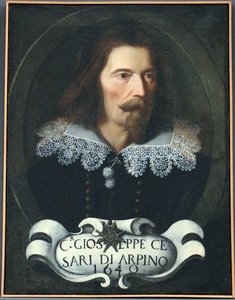
Giuseppe Cesari
1568 - 1640 , Italy
Quick Facts
- Artistic Movement Or Style: Mannerist
- Artists Or Movements Influenced By This Artist: ['Flemish Mannerism']
- Artists Who Influenced This Artist: ['Caravaggio']
- Date Of Birth: 1568
- Date Of Death: 1640
- Full Name: Giuseppe Cesari
- Nationality: Italian
- Notable Artworks: ["St. Peter's mosaics"]
- Place Of Birth: Arpino, Italy
Related Articles
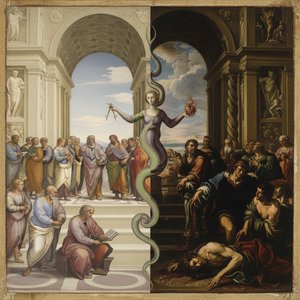
Mannerism: Bridging Renaissance Harmony & Baroque Drama – A Study of Style & Affectation
Explore the fascinating world of Mannerism! Discover its key characteristics, pioneering artists like Pontormo & Bronzino, and its pivotal role in bridging Renaissance harmony to Baroque drama. A comprehensive guide for art enthusiasts.
Mannerism's Masters: 10 Artworks That Redefined Renaissance Style | ArtsDot
Explore 10 defining Mannerism masterpieces – from Pontormo to El Greco. Discover the stories behind these Renaissance paintings, their unique style & symbolism. Find museum-quality art reproductions at ArtsDot.com and elevate your home decor.
Renaissance Mannerism: Style, Subtlety & the Transition from Harmony to Artifice
Explore the captivating world of Renaissance Mannerism! Discover its key characteristics, pioneering artists like Pontormo & Bronzino, and its pivotal role in art history. Expert insights & museum-quality reproductions at ArtsDot.

Fra Angelico's Masterpieces: 25 Renaissance Paintings for Your Home | ArtsDot
Explore 25 breathtaking masterpieces by Fra Angelico, a Renaissance master. Discover the stories behind his iconic frescoes, Annunciations & religious art. Find museum-quality reproductions and elevate your home decor with ArtsDot.com.
El Greco's Masterpieces: Explore 25 Iconic Paintings & Spiritual Visions | ArtsDot
Journey through El Greco's 25 most iconic paintings! Explore the spiritual depth & dramatic beauty of this Spanish Renaissance master. Discover art history, techniques & find museum-quality reproductions for your home at ArtsDot.com.