

 Send
Send Share
Share
 Details

 Download
 Similars
 Diaporama
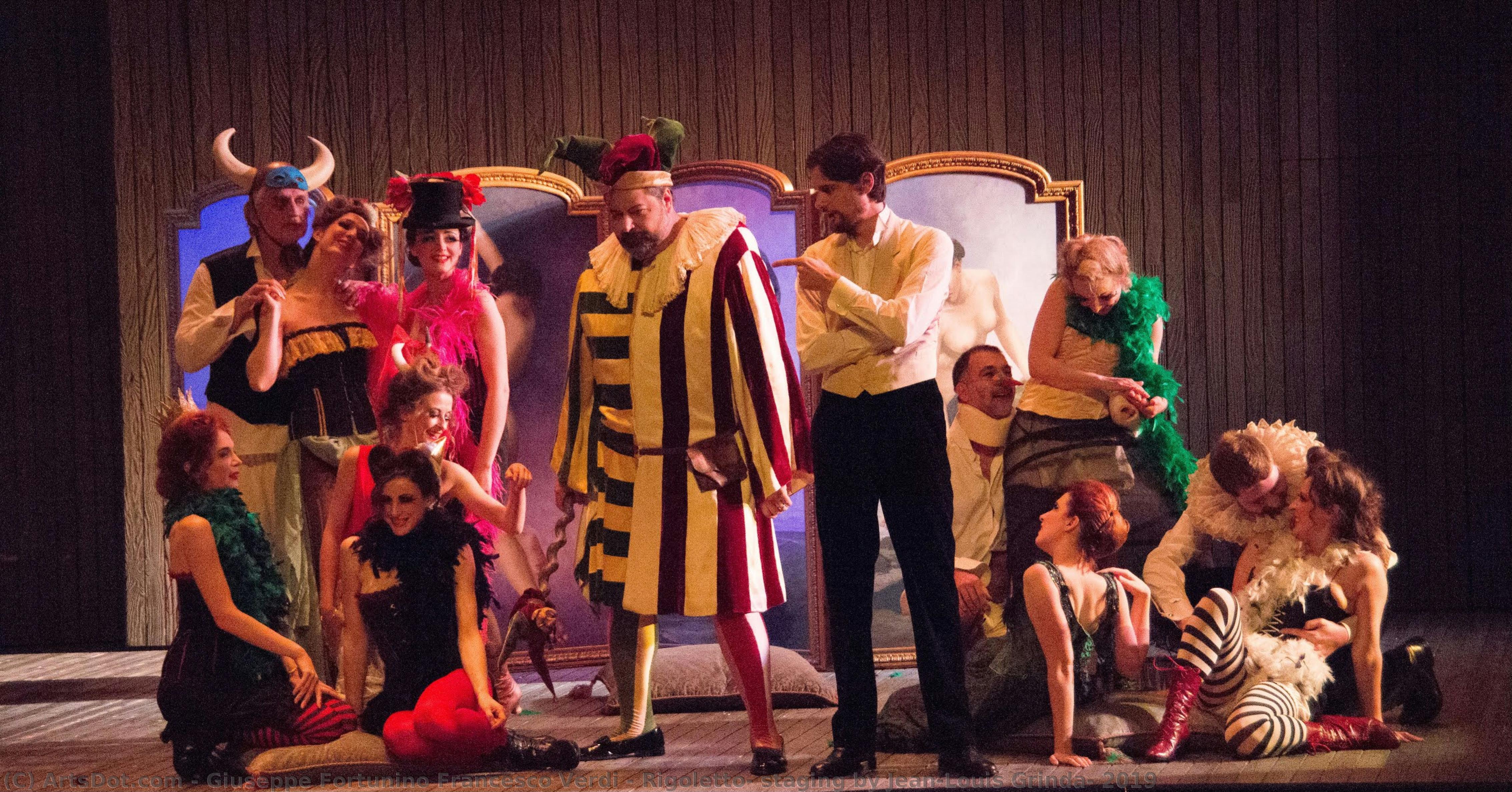
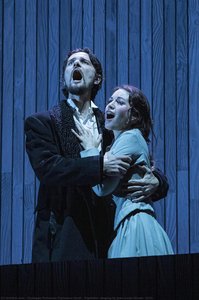
Rigoletto, staging by Jean-Louis Grinda, 2019


 Read More
Purchase a high-resolution, enhanced digital image, far superior to the online preview.
Each file is meticulously prepared by our in-house specialists using advanced tools and expert manual retouching. We ensure every image has exceptional clarity, precise color accuracy, and fine detail.
The final file is delivered via email within 72 hours, optimized for immediate use in professional, editorial, and print environments. This is the same quality trusted by top-tier design studios, publishers, and galleries.
Digital Image
Download a high-resolution file for personal display, printing, and creative projects. ( Buy Print Buy Hand Made Painting)
Included in Every Digital Image Order
Expert Digital Delivery, Guaranteed
When you choose ArtsDot.com, you're not just getting an image - you're receiving a professionally enhanced digital artwork, crafted with precision and backed by a satisfaction guarantee. Here's everything that comes with your order, automatically:

Fast Email Delivery
Your high-resolution digital image file will be emailed to you within 72 hours of ordering - ready for immediate use.

AI-Enhanced Digital File
Your artwork is professionally optimized using advanced AI tools and manual editing, ensuring maximum detail, clarity, and color accuracy.

Free Lifetime Re-Delivery
Accidentally deleted or lost your file? No worries - we'll resend it to you anytime, free of charge.

No Import Fees - Ever
Enjoy your artwork instantly with zero customs, duties, or delivery fees - digital downloads are always tax-free.

Color Accuracy Guarantee
We ensure your digital image reflects the original colors as closely as possible using professional tools and color management.

60-Day Satisfaction Guarantee
If you're not satisfied with your digital image, we'll revise it or refund 100% within 60 days - no questions asked.

100% Money-Back Guarantee
Not satisfied? Get a full refund within 60 days of receiving your digital file - no questions asked.

Bulk Order Discounts
Buy 3 images, save 10% - Buy 5, save 15% - Buy 10+, save 20%. Great for creative projects, galleries, and agencies.
A Theatrical Vision of Verdi's Masterpiece
In the breathtaking visual tapestry of Rigoletto, as captured in the 2019 staging by Jean-Louis Grinda, we are transported into a world where the boundaries between reality and performance dissolve. This evocative scene serves as more than just a photographic record; it is a window into the soul of one of opera's most profound tragedies. The composition is masterfully layered, presenting a crowded and intricate stage where every figure contributes to a sense of mounting tension and grandeur. Through a lens of theatrical realism, the image captures the vibrant energy of the performers, utilizing a rich palette of deep reds, lush greens, and regal golds to evoke an atmosphere that is simultaneously opulent and foreboding.
The artistry of this production lies in its ability to use light and shadow as narrative tools. The lighting is strategically focused on central figures, casting dramatic highlights that accentuate the textures of elaborate costumes—from the heavy folds of velvet drapery to the intricate, fantastical headpieces that suggest a world of hidden identities and royal intrigue. This interplay of light creates a profound sense of depth, pulling the viewer through receding planes of the set design and into the very heart of the drama. The organic shapes of the flowing gowns contrast beautifully with the structured, architectural lines of the stage, mirroring the internal conflict between human emotion and the rigid social hierarchies depicted in Verdi's score.
Historical Resonance and Symbolic Depth
To appreciate this visual spectacle, one must consider the monumental legacy of its composer, Giuseppe Verdi. Born in the humble surroundings of Roncole, Italy, Verdi’s journey from a rejected student to the titan of Italian opera is reflected in the very intensity of this staging. The 201 and dramatic atmosphere of the production pays homage to the emotional weight of his work, where themes of betrayal, paternal love, and fate collide. In this specific staging, the costumes act as symbolic vessels; the regal attire and fantastical elements are not merely decorative but serve to underscore the social stratification and the masks worn by characters in a world governed by power and vengeance.
For the discerning collector or interior designer, this artwork offers a unique opportunity to introduce a sense of narrative drama into a space. Whether presented as a vibrant color study or a stark, evocative black-and-white piece, the image commands attention through its sheer scale of emotion. It is an ideal centerpiece for those seeking to evoke a mood of sophistication and classical grandeur. A hand-painted reproduction of this scene does not merely decorate a wall; it invites a conversation about the enduring power of the performing arts and the timeless beauty of theatrical storytelling.
Related Artworks
Artist Biography
The Rise of a Dramatic Voice: Giuseppe Verdi’s Early Life and Formation
Giuseppe Fortunino Francesco Verdi, born in 1813 in the small village of Roncole near Busseto, Italy, was not initially destined for musical greatness. His beginnings were humble, steeped in the rural life of the Po Valley. The young Giuseppe displayed an early aptitude for music, encouraged by his mother and supported by local patrons who recognized a burgeoning talent. He received lessons from the town organist, and later studied composition in Busseto with Vincenzo Lavigna. However, it was not without struggle; Verdi’s application to the Milan Conservatory was famously rejected – a setback that would ironically fuel his determination. This early rejection underscored a recurring theme in Verdi's life: a need to prove himself against established institutions. He persevered through private study and relentless self-discipline, absorbing the operatic traditions of Rossini, Bellini, and Donizetti while simultaneously forging his own distinct path. The death of his wife, Enrichetta Barezzi, and two young children in rapid succession during the late 1830s cast a long shadow over his personal life, profoundly influencing the emotional depth that would come to characterize his work. This period of immense grief nearly led him to abandon composition altogether, but ultimately spurred him toward creating works imbued with raw human feeling.Forging an Operatic Identity: From *Nabucco* to Early Success
Verdi’s breakthrough arrived in 1842 with the premiere of *Nabucco*. The opera, a biblical drama centered on the Babylonian captivity of the Israelites, resonated deeply with audiences. Its powerful choruses and emotionally charged melodies – particularly “Va, pensiero,” which became an anthem for Italian unification – catapulted Verdi to fame. *Nabucco* wasn’t merely a musical success; it tapped into the burgeoning nationalist sentiment sweeping Italy at the time. The opera's themes of oppression and liberation struck a chord with a population yearning for independence from foreign rule. Following *Nabucco*, Verdi entered a period of prolific composition, producing a string of operas that solidified his reputation as the leading Italian composer of the day. Works like *I Lombardi alla prima crociata* (1843) and *Ernani* (1844) continued to explore themes of conflict, heroism, and passionate love, showcasing Verdi’s growing mastery of dramatic structure and character development. These early operas, though sometimes criticized for their melodramatic excesses, demonstrated a remarkable ability to connect with audiences on an emotional level – a quality that would remain central to his artistic vision throughout his career. He was quickly becoming known for his strong characters and compelling narratives.The “Galley Years” and the Triumph of the Middle Period
The years between 1847 and 1853, often referred to as the "galley years," were a period of intense creative labor for Verdi. He undertook numerous commissions from various opera houses across Italy, working at a relentless pace under challenging conditions. Despite the demanding schedule, this period yielded some of his most enduring masterpieces. *Rigoletto* (1851), based on Victor Hugo’s *Le roi s'amuse*, marked a turning point in Verdi’s artistic development. The opera’s complex characters – particularly the tragic jester Rigoletto and his innocent daughter Gilda – challenged conventional operatic norms, exploring themes of social injustice and moral ambiguity. *Il trovatore* (1853), with its intricate plot and passionate arias, further demonstrated Verdi's ability to create compelling dramatic narratives. *La traviata* (1853), inspired by Alexandre Dumas fils’ *La Dame aux Camélias*, was initially met with mixed reception due to its realistic portrayal of Parisian courtesan Violetta Valéry. However, it has since become one of the most beloved operas in the repertoire, celebrated for its poignant depiction of love, sacrifice, and social hypocrisy. These works showcased Verdi's increasing sophistication as a composer, moving beyond simple melodrama toward more nuanced psychological portrayals.Late Period Masterpieces: *Aida*, *Otello* and *Falstaff*
Verdi’s later period saw him tackle even more ambitious projects, culminating in three of his most celebrated operas. *Aida* (1871), commissioned for the opening of the Khedivial Opera House in Cairo, was a grand spectacle that combined opulent staging with powerful dramatic storytelling. The opera’s themes of love, duty, and conflict resonated deeply with audiences, establishing it as one of the most popular operas ever written. In his 60s, Verdi turned to Shakespeare for inspiration, producing two monumental adaptations: *Otello* (1887) and *Falstaff* (1893). *Otello*, a collaboration with librettist Arrigo Boito, is considered by many to be his greatest achievement. The opera’s psychological depth, dramatic intensity, and masterful orchestration set a new standard for operatic adaptation of literary works. *Falstaff*, Verdi's final opera, was a surprising departure from his earlier style – a comedic masterpiece that showcased his wit, musical ingenuity, and profound understanding of human nature. It is a testament to his enduring creativity and willingness to experiment even in the twilight of his career.Legacy and Historical Significance
Giuseppe Verdi’s impact on opera and Italian culture is immeasurable. His works not only captivated audiences during his lifetime but continue to be performed and celebrated worldwide. He revolutionized operatic form, moving beyond traditional conventions toward more realistic character portrayals and dramatic structures. His operas became powerful symbols of Italian nationalism, contributing to the unification of Italy in the 19th century. Verdi’s music is characterized by its melodic power, emotional depth, and dramatic intensity – qualities that have resonated with audiences for generations. He elevated the status of opera from mere entertainment to a profound artistic expression, exploring universal themes of love, loss, betrayal, and redemption.- Influence on Subsequent Composers: Verdi’s influence can be seen in the works of numerous subsequent composers, including Puccini, Mascagni, and Leoncavallo.
- Enduring Popularity: His operas remain staples of the international opera repertoire, consistently attracting large audiences and critical acclaim.
- Cultural Icon: Verdi is revered as a national hero in Italy, his music deeply ingrained in the country’s cultural identity.
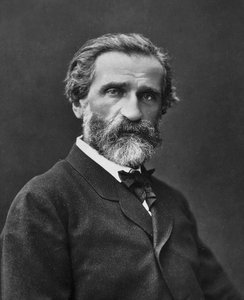
giuseppe fortunino francesco verdi
1813 - 1901 , Italy
Quick Facts
- Artistic Movement Or Style: Romantic Music
- Artists Who Influenced This Artist:
- Franz Schubert
- Gioachino Rossini
- Date Of Birth: October 10, 1813
- Date Of Death: January 27, 1901
- Full Name: Giuseppe Fortunino Francesco Verdi
- Nationality: Italian
- Notable Artworks:
- Rigoletto
- Il trovatore
- La traviata
- Place Of Birth: Roncole Ausano, Italy

