 Preview
 Send
Send Share
Share
 Details

 Download
 Similars
 X-Ray
X-Ray Diaporama
Untitled
 Painting
- Expressionism
 Modern
 162.0 x 245.0 cm
 Chamber of Deputies
 Read More
Giclée / Art Print
Museum-quality giclée or canvas print with fast production and flexible finish options. ( Buy Hand Made Painting Buy Image)




P118B $10

P118H $10

P118W $10

P438Z $10

P508JH $12

P508YH $12

P805H $10

P805Z $10

P919BZ $10

P919G $10

P919XJ $10

P959ZH $10

P968JZ $12

W106C $8

W218G $10

W218JH $8

W218Y $10

W307PJ $10

W316G $10

W316PJ $8

W316Y $10

W398PJ $8

W4111J $10

W500HY $15

W500JH $15

W692G $12

W849H $8

W940BG $15

W953PJ $8




Pick from our preset sizes that match the artwork's original proportions.

You may enter your own dimensions to fit a specific frame or space. If your selected size does not match the original image's proportions, we will either crop the artwork or extend the image with a mirrored or solid-fill edge. A digital mockup will be sent for your approval before production begins.
Please note that the on-screen preview does not reflect the actual cropping or extension. Only the mockup will accurately show the final composition.
While custom sizes are available, we recommend selecting a dimension from the predefined list to preserve the original proportions.
Worldwide Delivery () in 2 weeks instead of standard 4/5 weeks. (18 August)

Free Worldwide Express Shipping

High-Quality Linen Canvas

Full Shipping Insurance

Customs Tax Refund Guarantee

True Color Matching Guarantee

60-Day Return Policy (Defects Only)

100% Money-Back Guarantee

Bulk Discount Offer
 Glass option is only available in size under 110 CM

Untitled
Giclée / Art Print
Reproduction Size
-


Total Price
$ 63
Collectible Description
A Rhythmic Tapestry of Brazilian Expressionism
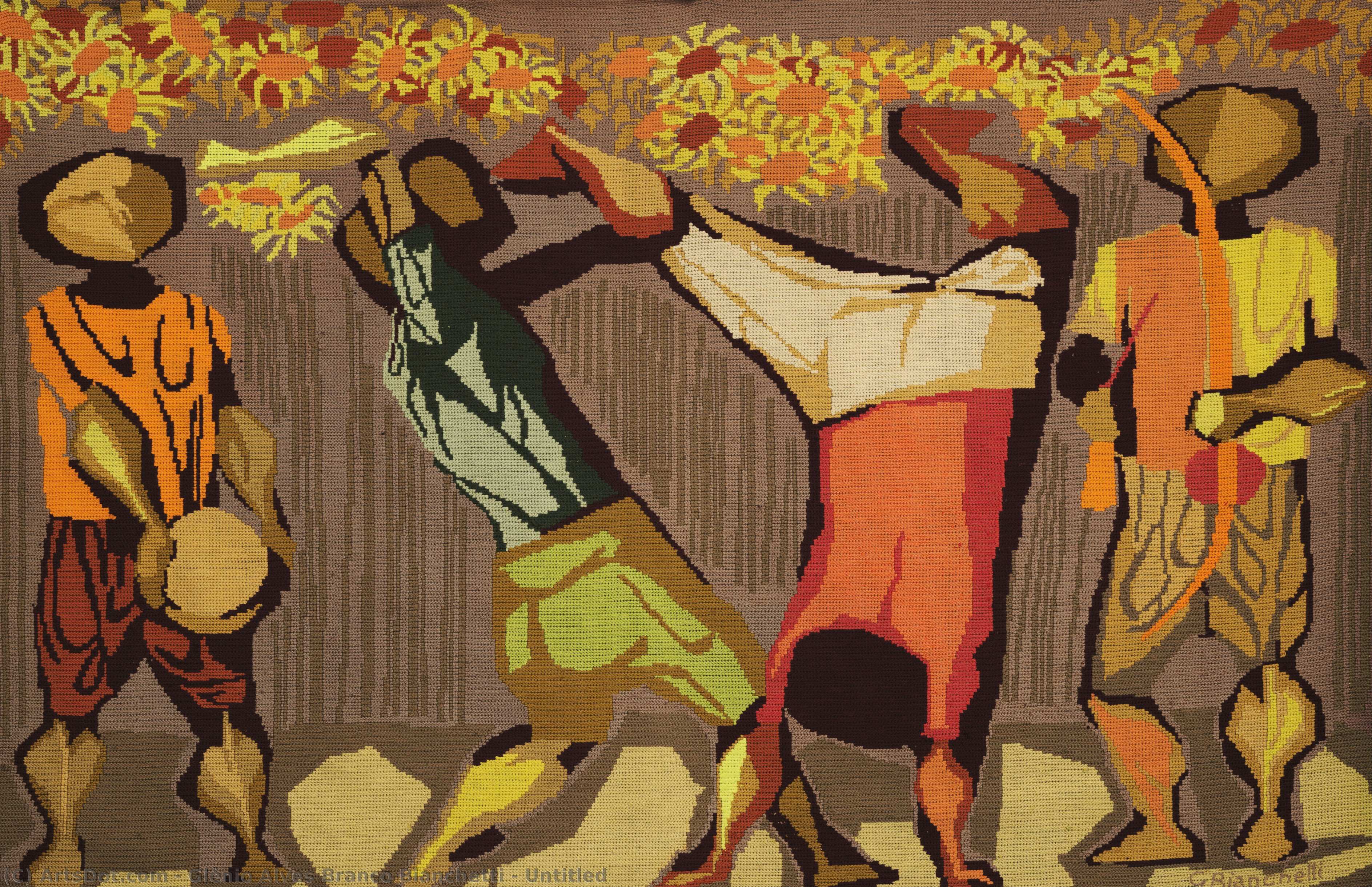
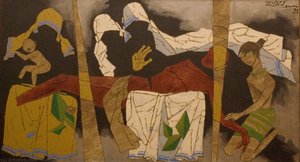
In the evocative depths of Glênio Alves Branco Bianchetti’s Untitled, we are invited into a communal moment that transcends time and geography. This commanding large-scale work, measuring an impressive 162 x 245 cm, serves as a profound window into the soul of Brazilian expressionism. The composition centers on a quartet of figures, arranged in a rhythmic formation that suggests both a musical ensemble and a shared ritual. As the eye wanders across the canvas, it encounters the tactile presence of percussionists—one figure cradling a drum on the left, another mirroring this motion from the right—interspersed with a person holding a bowl, creating a sense of ceremony and sustenance. The sudden, vibrant strike of a red shirt provides a focal point that anchors the group, pulling the viewer into the heart of their collective performance.
The technique employed by Bianchetti is a masterclass in the use of texture and emotive color to convey social and regional identity. Eschewing the sterile precision of realism, the artist utilizes bold, expressive strokes that imbue each figure with a sense of movement and life. The interplay of light and shadow across the subjects does not merely define their forms but suggests the very vibration of the music they play. This approach is characteristic of Bianchetti’s broader oeuvre, where his background in engraving and tapestry informs a painterly style that feels woven rather than merely brushed. Every layer of pigment contributes to a sense of depth, making the canvas feel like a living, breathing entity that resonates with the pulse of the earth.
Symbolism and the Resonance of Community
Beyond its visual splendor, Untitled functions as a poignant exploration of social consciousness and the strength found in unity. The presence of the drums and the shared bowl suggests a narrative of cultural heritage—a celebration of folk traditions that are often the heartbeat of Brazilian regional life. There is a profound symbolism in the way the figures face one another; they are not isolated individuals but interconnected components of a larger social fabric. This piece captures the essence of "communitas," where the act of making music becomes a metaphor for the survival and flourishing of a community through shared rhythm and ritual.
For the discerning collector or interior designer, this artwork offers more than just aesthetic beauty; it provides an emotional anchor for a space. The scale of the piece allows it to dominate a room, acting as a conversational centerpiece that invites contemplation on themes of heritage, togetherness, and the human spirit. Whether placed in a contemporary gallery setting or a sophisticated residential lounge, the painting’s warm tones and rhythmic energy bring a sense of historical weight and cultural richness. To possess a reproduction of this work is to hold a fragment of Brazil's expressive legacy, bringing the soulful, percussive energy of Bianchetti’s vision into the modern home.
Related Artworks


Artist Biography
The Soul of Rio Grande do Sul: The Life and Legacy of Glênio Bianchetti
To encounter the work of Glênio Alves Branco Bianchetti is to step into a world where the raw textures of Brazilian life meet the profound depths of human emotion. Born in 1928 in the historic town of Bagé, within the Rio Grande do Sul region, Bianchetti emerged as a vital voice in the landscape of Brazilian Expressionism. His journey was never merely about the application of pigment to canvas; it was an ongoing dialogue with his heritage, a lifelong commitment to capturing the rhythmic pulse of social reality and regional identity. From his earliest days under the mentorship of José Moraes, Bianchetti possessed an innate ability to translate the atmosphere of his surroundings into a visual language that felt both deeply personal and universally resonant.
The foundations of his artistry were laid in the fertile ground of the Grupo de Bagé, a collective of artists who sought to find beauty and meaning in the everyday labors and customs of their homeland. Alongside contemporaries such as Clóvis Chagas and Glauco Rodrigues, Bianchetti began to develop a style rooted in social consciousness. This period of his life was marked by an intense observation of the human condition, where the struggles and celebrations of the common people became his primary muses. His move to Porto Alegre in 1949 served as a transformative milestone, allowing him to refine his technical prowess at the Instituto de Belas Artes. It was here that he encountered the legendary Iberê Camargo, an influence that undoubtedly deepened his engagement with the expressive potential of line and form, pushing him toward the more visceral, emotive techniques that would define his mature period.
A Mastery of Medium and Movement
Bianchetti’s artistic repertoire was remarkably diverse, reflecting a restless and inventive spirit that refused to be confined to a single discipline. While he is perhaps most celebrated for his vibrant expressionist paintings, his mastery extended into the intricate worlds of engraving, tapestry, and illustration. Each medium offered him a new way to explore the interplay of light, shadow, and texture. In his engravings, one finds a meticulous precision that speaks to the structural strength of his compositions, whereas his tapestries allowed for a tactile exploration of color and weight, bringing a sculptural dimension to his narrative themes.
His paintings often serve as evocative windows into communal life, where scenes of musicians playing drums or the quiet dignity of rural labor are rendered with a rhythmic energy. The use of color in his work is rarely purely decorative; instead, it functions as an emotional conductor, guiding the viewer through layers of social and psychological complexity. Through his brushstrokes, the boundaries between the individual and their environment blur, creating a sense of unity that celebrates the enduring spirit of the Brazilian people. His ability to weave together these disparate elements—the technical rigor of engraving with the fluid emotion of expressionism—cemented his status as a versatile master of 20th-century art.
Historical Significance and Enduring Resonance
The historical importance of Glênio Bianchetti lies in his role as a bridge between the first wave of Brazilian modernists and the subsequent generations of socially engaged artists. He did not merely inherit a tradition; he expanded it, infusing the modernist aesthetic with a profound sense of regional pride and social realism. His work stands as a testament to a period in Brazilian history when art was deeply intertwined with the search for a national identity, one that looked inward at its own customs and outward toward the universal struggles of humanity.
Even decades after his passing in 2014, Bianchetti’s legacy continues to resonate within the halls of art history and the hearts of collectors alike. His oeuvre remains a vital touchstone for anyone seeking to understand the expressive power of Brazilian art. To study his life is to witness a dedicated pursuit of truth through color and form—a journey that transformed the local landscapes of Rio Grande do Sul into timeless icons of the human experience.
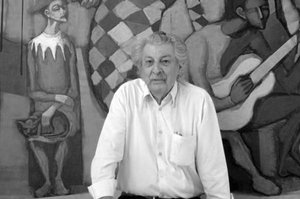
glênio alves branco bianchetti
1928 - 2014 , Brazil
Quick Facts
- Artistic Movement Or Style: Expressionism, Brazilian art
- Artists Or Movements Influenced By This Artist:
- Grupo de Bagé
- Modernism Brazil
- Artists Who Influenced This Artist:
- José Moraes
- Iberê Camargo
- Date Of Birth: January 15, 1928
- Date Of Death: February 18, 2014
- Full Name: Glênio Alves Branco Bianchetti
- Nationality: Brazilian
- Notable Artworks:
- Bananas Sobre Cadeira
- Tapestry
- Engravings
- Place Of Birth: Bagé, Brazil
Related Articles
Harmonies on Canvas: Exploring the Visual Representation of Music in Art History
Explore the fascinating history of music's visual representation in art! From ancient symbolism to modern abstraction, discover how artists have captured sound and emotion on canvas. Expert insights & stunning examples.

Benedito Calixto: A Brazilian Modernist's Landscape of Memory & National Identity
Explore the captivating world of Benedito Calixto, a pivotal Brazilian Modernist painter. Discover his iconic landscapes, the story behind the famous Bandeirante portrait, and his lasting impact on Brazilian national identity. Learn more at ArtsDot.

The Raw Emotion of Expressionism: A Deep Dive into its History, Characteristics & Enduring Influence
Explore the raw emotion of Expressionism with ArtsDot. Discover its history, key artists like Kirchner & Munch, and lasting influence on modern art. Expert insights for collectors & enthusiasts.
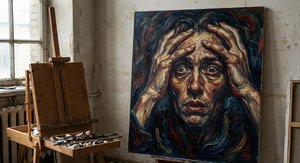
Figurative Expressionism: Emotional Intensity & Subjective Reality in 20th-Century Art
Explore the powerful world of Figurative Expressionism with ArtsDot. Discover key artists like Kirchner & Beckmann, understand its emotional depth, and learn how to collect this influential 20th-century art movement.
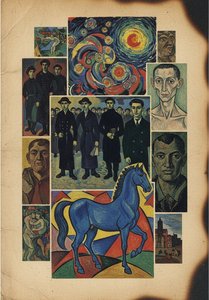
German Expressionism's 10 Defining Masterpieces | Art for Your Home
Explore 10 defining German Expressionism masterpieces – from Munch's 'The Scream' to Kandinsky’s abstracts. Discover the artists, stories & bold colors behind this powerful art movement. Find museum-quality reproductions at ArtsDot.com.