 Preview
 Send
Send Share
Share
 Details

 Download
 Similars
 X-Ray
X-Ray Diaporama
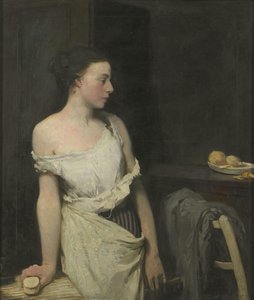
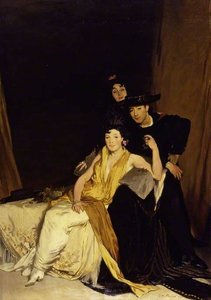
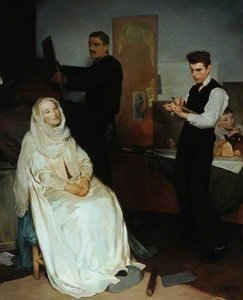
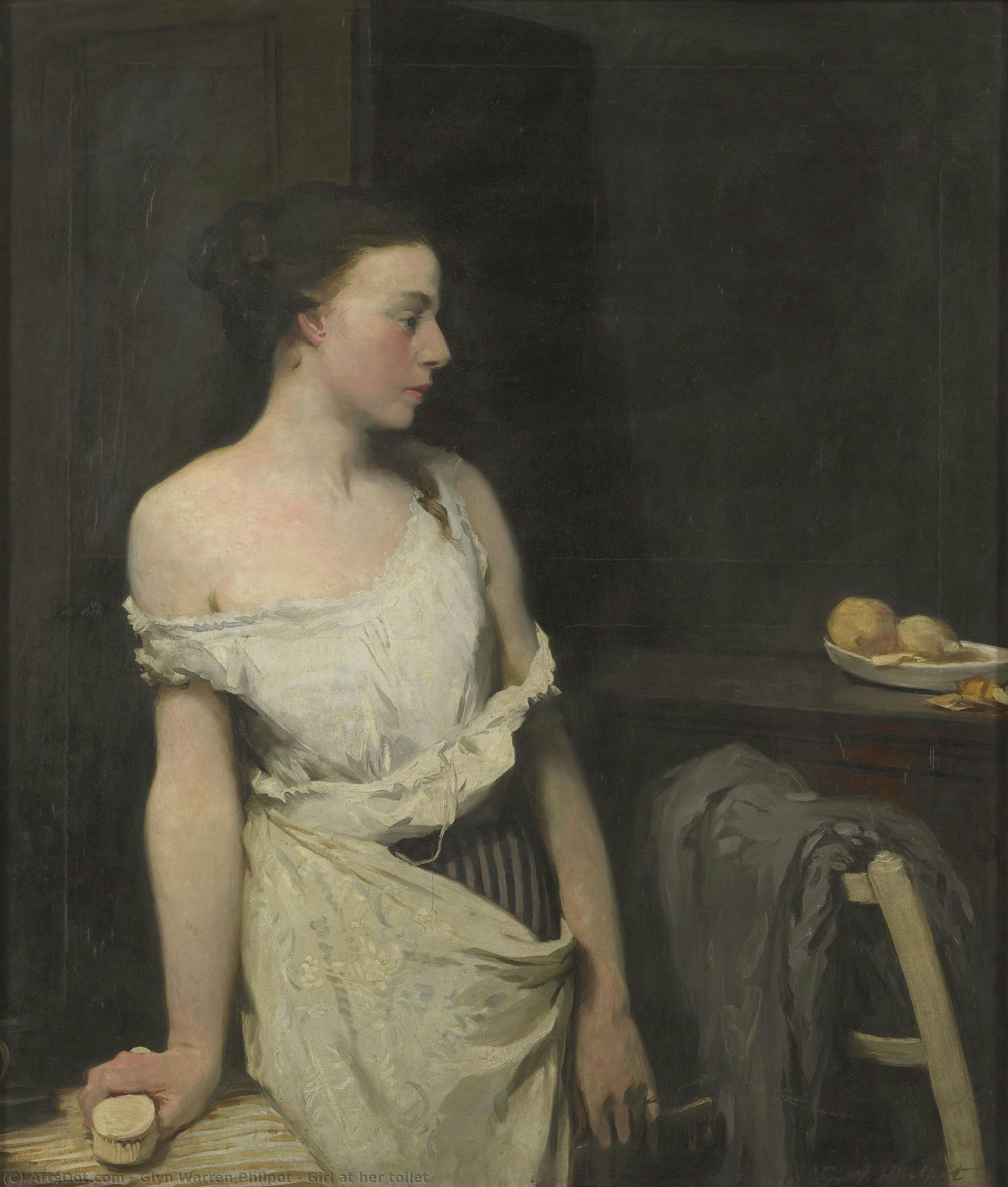
Girl at her toilet


 Read More
Giclée / Art Print
Museum-quality giclée or canvas print with fast production and flexible finish options. ( Buy Hand Made Painting Buy Image)




P118B $10

P118H $10

P118W $10

P438Z $10

P508JH $12

P508YH $12

P805H $10

P805Z $10

P919BZ $10

P919G $10

P919XJ $10

P959ZH $10

P968JZ $12

W106C $8

W218G $10

W218JH $8

W218Y $10

W307PJ $10

W316G $10

W316PJ $8

W316Y $10

W398PJ $8

W4111J $10

W500HY $15

W500JH $15

W692G $12

W849H $8

W940BG $15

W953PJ $8




Pick from our preset sizes that match the artwork's original proportions.

You may enter your own dimensions to fit a specific frame or space. If your selected size does not match the original image's proportions, we will either crop the artwork or extend the image with a mirrored or solid-fill edge. A digital mockup will be sent for your approval before production begins.
Please note that the on-screen preview does not reflect the actual cropping or extension. Only the mockup will accurately show the final composition.
While custom sizes are available, we recommend selecting a dimension from the predefined list to preserve the original proportions.
Worldwide Delivery () in 2 weeks instead of standard 4/5 weeks. (25 August)

Free Worldwide Express Shipping

High-Quality Linen Canvas

Full Shipping Insurance

Customs Tax Refund Guarantee

True Color Matching Guarantee

60-Day Return Policy (Defects Only)

100% Money-Back Guarantee

Bulk Discount Offer
 Glass option is only available in size under 110 CM

Girl at her toilet
Giclée / Art Print
Reproduction Size
-


Total Price
$ 63
Collectible Description
The Quiet Intimacy of Early Twentieth Century Life
Glyn Warren Philpot’s Girl at her toilet, dating from 1910, offers a captivating glimpse into the nuanced atmosphere of British life on the cusp of the Great War. It is a work that resists easy categorization, existing instead in the delicate space between portraiture and evocative interior scene. The painting immediately draws the viewer into a private moment, suggesting an intimacy that feels both observed and deeply personal. Philpot, whose career navigated the currents of Symbolism and emerging Modernist sensibilities, captures not a grand gesture, but a studied stillness. This quietude is central to the piece's power; it invites contemplation rather than applause.
Composition and Allusion: A Study in Restraint
The visual narrative unfolds around the figure of the woman, whose back is turned slightly as she gazes toward something beyond the frame’s edge. Her posture—a blend of gauche stance and studied indifference—is masterfully rendered. The artist has deliberately eschewed overt glamour, presenting a model whose pale face and restrained bearing contrast with the suggestive nature of her semi-private setting. Notice the details: the simple white dress, accented only by a subtle pattern on the hanging fabric, and the delicate gleam of the pearl necklace. These elements are counterbalanced by the muted tones of the background—the dark browns and greys that seem to absorb any potential cheerfulness. The arrangement of the empty bowls upon the table, alongside the nearby chair, adds an almost domestic tableau quality, grounding the ethereal subject in tangible reality.
Historical Echoes and Artistic Dialogue
To appreciate Girl at her toilet is to understand its dialogue with art history itself. Contemporary critics noted a deliberate move away from the flamboyant spectacle of artists like Sargent’s notorious Madame X. Instead, Philpot channels a more internalized drama, echoing the suggestive domesticity found in Dutch painting traditions. Yet, this restraint is not merely academic; it speaks to a changing cultural mood—a subtle deglamourisation of the female figure that characterized much of the art preceding the First World War. The viewer feels positioned as an intruder, privy to a moment meant only for the subject and herself.
Emotional Resonance for the Modern Collector
For those seeking artwork that speaks in whispers rather than shouts, this piece offers profound emotional depth. It is unsettling precisely because of its quietude; the forced intimacy within this limited space creates a palpable tension. Owning a reproduction of Girl at her toilet brings home not just a painting, but an atmosphere—a sophisticated meditation on privacy, observation, and the complex relationship between self and gaze. It serves beautifully as a focal point in a richly decorated interior, adding layers of intellectual weight and melancholic beauty to any space.
Technique and Reproduction Value
Philpot’s technique here is characterized by its tonal subtlety. The interplay between the luminous pallor of the skin against the deep, absorbent shadows of the room requires a skilled hand to reproduce faithfully. When considering a high-quality reproduction for your collection or design scheme, pay close attention to how the artist has managed the *sfumato* effect in the background—the way light seems to diffuse rather than strike sharply. This nuanced handling of shadow and highlight is what gives the piece its enduring, haunting quality.
Related Artworks


Artist Biography
Glyn Warren Philpot: A Life of Dualities
Glyn Warren Philpot (1884-1937) remains a compelling and enigmatic figure in British art, a painter and sculptor whose career was marked by both considerable acclaim and profound personal struggles. Born in London and raised amidst the shifting social landscapes of early 20th-century England, Philpot’s life unfolded as a delicate balance between artistic ambition, religious conviction, and a deeply felt, often suppressed, homosexual identity. His work, characterized by its evocative portraits, symbolic subject matter, and a haunting blend of Symbolist and Modernist influences, continues to fascinate and provoke interpretation today. Philpot's story is not simply one of an artist’s journey; it’s a poignant exploration of the complexities of self-expression within a restrictive societal framework.Early Years and Artistic Training
Philpot’s early life was shaped by a move from London to Herne in Kent, a rural setting that instilled in him a deep appreciation for nature and a sense of quiet contemplation – qualities that would later permeate his art. He received his initial artistic training at the Lambeth School of Art (later City & Guilds of London Art School), where he studied under Philip Connard, absorbing the principles of academic painting while simultaneously developing an interest in the burgeoning currents of modernism. A pivotal moment came with a trip to Paris, where he enrolled at the Académie Julian, immersing himself in the vibrant artistic atmosphere and encountering the works of Impressionists and Symbolist painters like Gustave Moreau and Odilon Redon. These influences would prove crucial in shaping his distinctive visual language – a synthesis of meticulous technique and emotionally charged imagery.A Career Defined by Portraits and Personal Expression
Philpot’s professional career began with promising exhibitions at the Royal Academy, quickly establishing him as a portrait painter of distinction. He rapidly gained recognition for his ability to capture the essence of his subjects, securing commissions from prominent figures such as Siegfried Sassoon and Vladimir Rosing. His portraits were admired for their elegance, psychological depth, and subtle nuances of expression – qualities that earned him membership in the International Society of Sculptors, Painters & Gravers in 1913 and a gold medal at the Carnegie Institute in Pittsburgh in the same year. However, Philpot’s artistic trajectory took an unexpected turn in the early 1930s when he began to explore themes outside the realm of conventional portraiture. He turned increasingly to subjects that reflected his own inner world – often depicting young men, some believed to be friends and lovers, in intimate and emotionally charged scenes.The Controversy and its Aftermath
This shift towards more personal and overtly homoerotic imagery proved deeply controversial. Two particularly striking works, *Guardian of the Flame* and *The Great Pan*, were withdrawn from exhibition at the Royal Academy in 1930 due to public outcry. This decision significantly damaged Philpot’s reputation and led to a period of financial hardship. The prevailing social attitudes towards homosexuality at the time meant that his private life was inextricably linked to his art, and the exposure of his sexuality caused considerable scandal and shame. Despite this setback, Philpot continued to paint, albeit with less commercial success, exploring themes of faith, desire, and mortality in a series of evocative works that reveal a complex and deeply conflicted soul.Legacy and Rediscovery
Despite the challenges he faced, Glyn Warren Philpot’s artistic legacy endures. His paintings are now recognized for their technical brilliance, emotional intensity, and profound psychological insights. Recent exhibitions at institutions such as the Tate Gallery, the Ashmolean Museum, the National Portrait Gallery, and Pallant House Gallery have helped to reintroduce his work to a wider audience, shedding new light on his artistic development and personal life. The 2022 exhibition at Pallant House Gallery, featuring a portrait of Paul Robeson as Othello – previously thought lost – stands as a testament to the enduring value of Philpot’s oeuvre. His story serves as a poignant reminder of the intersection between art, identity, and social constraints, solidifying his place as a significant, albeit often misunderstood, figure in British art history.Notable Works
- Group Of Women, Marrakech (1930): A vibrant expressionist portrait capturing the energy and allure of Moroccan women.
- Italian Soldier No.2 (1932): A poignant study of a young soldier rendered with remarkable sensitivity and subdued lighting.
- Resting Acrobats (1935): A haunting Symbolist painting depicting circus performers, imbued with a sense of melancholy and unease.
- Guardian of the Flame (1930): A controversial work exploring themes of faith and desire through symbolic imagery.
- The Great Pan (1930): Another provocative painting depicting a mythological scene, reflecting Philpot’s personal struggles with sexuality.
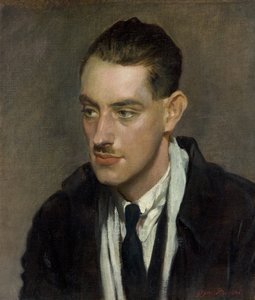
Glyn Warren Philpot
1884 - 1937 , United Kingdom
Quick Facts
- Artistic Movement Or Style: Symbolist/Portraiture
- Artists Or Movements Influenced By This Artist: ['Symbolism']
- Artists Who Influenced This Artist: ['Philip Connard']
- Date Of Birth: 1884-10-05
- Date Of Death: 1937-12-16
- Full Name: Glyn Warren Philpot
- Nationality: British
- Notable Artworks:
- Guardian of the Flame
- The Great Pan
- Italian Soldier No.2
- Place Of Birth: London, UK
Related Articles

Academic Portraiture: Tradition, Technique & the Evolution of Representational Art
Explore the rich history & masterful techniques of academic portraiture. Discover iconic artists, learn about collecting, and commission a bespoke oil painting reproduction with ArtsDot.
Sir William Orpen: A Study in Edwardian Portraiture & the Shadows of Modernity
Explore the life & art of Sir William Orpen, a master of Edwardian portraiture and poignant WWI depictions. Discover his unique realism, psychological depth, and enduring legacy in this insightful analysis.
Academic Realism's Finest: 10 Masterpieces for Art Lovers & Home Decor
Explore 10 defining Academic Realism masterpieces by Bouguereau, Gérôme & Cabanel. Discover the stories behind these iconic paintings and bring timeless art into your home with museum-quality reproductions from ArtsDot.com. Explore the full collection online!

Thomas Hudson: A Study in 18th-Century Portraiture & British Artistic Identity
Explore the life & work of Thomas Hudson, a leading 18th-century British portraitist. Discover his mastery of the 'Grand Manner,' influential style, and lasting impact on British art. Learn about his notable portraits like Judge William Noel & Alexander Van Aken.
John Hoppner: Portraiture, Patronage & British Identity in the Late Georgian Era
Explore the life & work of John Hoppner, a leading Georgian portraitist. Discover his vibrant style, influential patrons, and lasting impact on British art history. Expert insights for collectors.