 Preview
 Send
Send Share
Share
 Details

 Download
 Similars
 X-Ray
X-Ray Diaporama
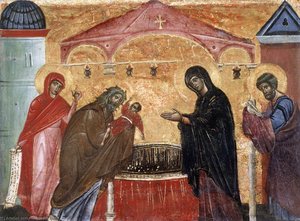
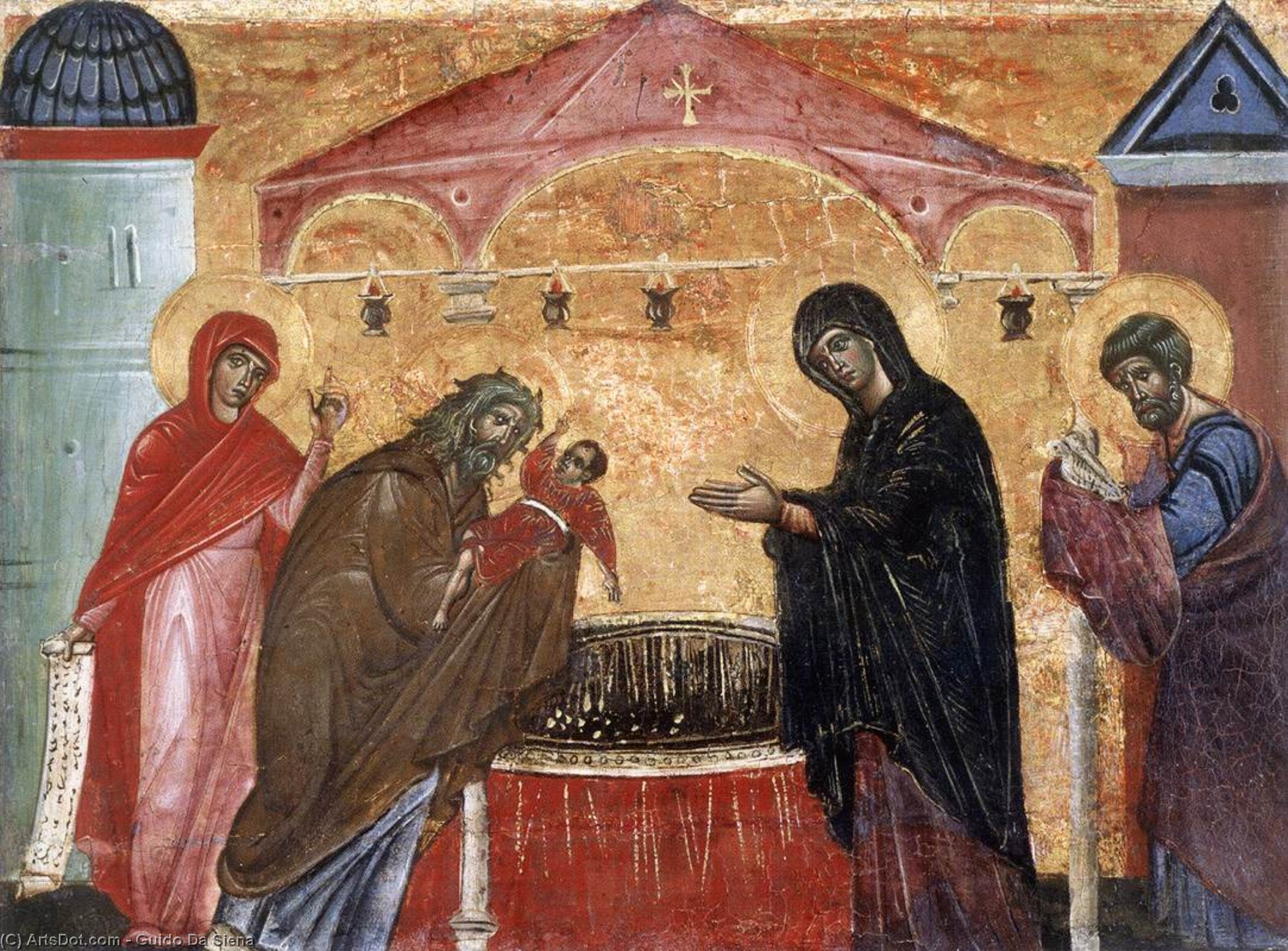
Presentation of Jesus at the Temple
 Acrylic On Canvas
- WallArt
- Italian Renaissance
 1270
1270 35.0 x 49.0 cm
 The Louvre
 Read More
Hand Made Oil Reproduction
Hand-painted oil on canvas in your size and frame, made to order by our artists. ( Buy Print Buy Image)




P118B $10

P118H $10

P118W $10

P438Z $10

P508JH $12

P508YH $12

P805H $10

P805Z $10

P919BZ $10

P919G $10

P919XJ $10

P959ZH $10

P968JZ $12

W106C $8

W218G $10

W218JH $8

W218Y $10

W307PJ $10

W316G $10

W316PJ $8

W316Y $10

W398PJ $8

W4111J $10

W500HY $15

W500JH $15

W692G $12

W849H $8

W940BG $15

W953PJ $8




Pick from our preset sizes that match the artwork's original proportions.

You may enter your own dimensions to fit a specific frame or space. If your selected size does not match the original image's proportions, we will either crop the artwork or extend the painting with additional hand-painted elements. A digital mockup will be sent for your approval before production begins.
Please note that the on-screen preview does not reflect the actual cropping or extension. Only the mockup will accurately show the final composition.
While custom sizes are available, we recommend selecting a dimension from the predefined list to preserve the original proportions.
After order, ArtsDot.com team will email client for instructions and provide a mockup preview
Worldwide Delivery () in 3/4 weeks instead of standard 5 weeks. (16 August). No compromise on quality.

Free Worldwide Express Shipping

High-Quality Linen Canvas

Full Shipping Insurance

Customs Tax Refund Guarantee

True Color Matching Guarantee

60-Day Return Policy (Defects Only)

100% Money-Back Guarantee

Bulk Discount Offer
 Glass option is only available in size under 110 CM

Presentation of Jesus at the Temple
Reproduction Medium
Reproduction Size
-


Total Price
$ 263
Artwork Description
Presentation of Jesus at the Temple
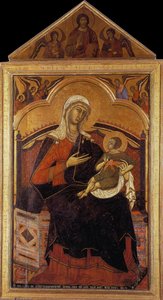
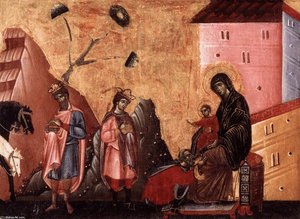
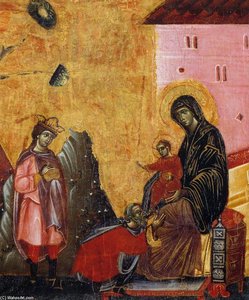
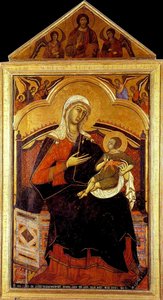
The painting depicts a serene biblical scene—the Presentation of Jesus at the Temple—a pivotal moment in Christian tradition commemorating Mary and Joseph’s journey to Jerusalem for Herod's census and Jesus’s formal dedication to God within the Holy Temple. Guido da Siena, working around 1270, captured this sacred narrative with masterful precision and imbued it with a profound sense of piety and artistic sophistication characteristic of his era.- Style & Technique: Guido’s work exemplifies Italo-Byzantine art, blending Eastern influences with Western sensibilities. The painting utilizes tempera on panel—a technique favored for its luminosity and durability—resulting in a rich tapestry of color achieved through meticulous layering of translucent glazes over an underpainting. This glazing process lends the artwork an ethereal quality, mirroring the spiritual reverence associated with Byzantine iconography.
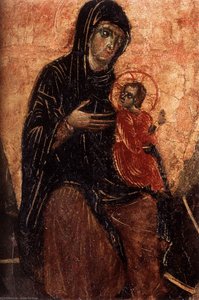
- Composition & Detail: The composition is carefully balanced, centering on Mary cradling Jesus amidst a throng of worshippers. Guido’s attention to detail extends beyond mere representation; he skillfully renders textures—the folds of Mary’s robe, the infant Jesus’s skin—creating an illusionistic depth that draws the viewer into the scene. Note particularly the expressive faces of the figures, conveying emotion and conveying the solemnity of the occasion.
- Symbolism: The Temple itself serves as a powerful symbol of holiness and divine presence, representing God’s covenant with humanity. Mary's posture—kneeling in prayer—underscores her humility and devotion—a cornerstone of Christian faith. Jesus’s gaze upward symbolizes his acceptance of God’s will and foreshadows his future role as Messiah.
- Historical Context: Siena during Guido’s time was a flourishing center of artistic patronage, fueled by the wealth generated from wool trade. The painting reflects the prevailing spiritual fervor of the period—a desire to express faith through visual art—and aligns with broader trends in European iconography during the Late Medieval era.
- Emotional Impact: Guido’s masterful execution evokes a feeling of tranquility and contemplation, inviting viewers to reflect on themes of faith, family, and divine grace. The painting's luminous colors and subtle shading contribute to its emotional resonance—creating an image that transcends time and speaks directly to the human spirit.
Related Artworks
Artist Biography
Villard de Honnecourt: The Architect’s Sketchbook and the Dawn of Renaissance Design
Villard de Honnecourt, a figure shrouded in intriguing mystery, stands as one of the most significant yet enigmatic artists of 13th-century France. Born around 1230 in Picardy – a region renowned for its artistic vibrancy during this period – Villard’s legacy rests almost entirely upon a remarkable “sketchbook,” or *album*, now housed within the Bibliothèque nationale de France in Paris. This meticulously crafted manuscript, containing approximately 250 drawings and designs spanning a breathtaking array of subjects—from architectural plans and mechanical devices to depictions of human figures and animal forms—offers an unparalleled glimpse into the mind of a truly innovative artist and engineer. His life remains largely undocumented, adding to the allure surrounding this pivotal figure in European art history. The surviving sketchbook reveals a man deeply immersed in both ancient knowledge and contemporary practices. It’s believed that Villard was not merely a craftsman but possessed a sophisticated understanding of geometry, proportion, and construction techniques – principles rooted in classical antiquity yet skillfully adapted for his time. The manuscript is a fascinating fusion of these influences, incorporating detailed instructions alongside artistic renderings, suggesting a practical manual intended to guide builders and artisans. Early interpretations often viewed Villard as a simple architect, but recent scholarship suggests a more nuanced role: a skilled engineer, perhaps even an agent tasked with procuring relics for religious institutions, utilizing his artistic talents to document and disseminate knowledge. The inclusion of drawings depicting Hungary, where he spent “many days,” hints at possible diplomatic or administrative duties undertaken during his travels. The sketchbook itself is a remarkable artifact – a collection of parchment sheets bound together in a somewhat haphazard fashion, reflecting perhaps the way it was compiled by Villard himself or a later scribe. Its contents are remarkably diverse, showcasing an artist who was equally comfortable designing soaring Gothic cathedrals, intricate mechanical devices (including a fascinating design for a water clock), and detailed studies of human anatomy and animal forms. The drawings demonstrate a keen observational eye and a mastery of perspective—a skill that would become increasingly important in the centuries to come. Notably, Villard’s claim to have executed many of his drawings “from life” (*al vif*) is particularly intriguing, suggesting an artistic practice uncommon for the period, hinting at a level of direct observation and engagement with the world around him.Architectural Influences and the Gothic Style
Villard’s work is inextricably linked to the burgeoning Gothic architectural movement that was transforming Europe during the 13th century. The sketchbook contains detailed drawings of significant cathedrals, including the west facade towers of Laon Cathedral and the radiating chapels and main vessel bay of Rheims Cathedral – structures that epitomize the soaring heights, intricate ornamentation, and innovative structural solutions characteristic of Gothic design. These drawings are not mere copies; they demonstrate a deep understanding of the principles underlying these magnificent buildings—the use of pointed arches, ribbed vaults, flying buttresses, and stained glass windows—and reflect Villard’s desire to document and replicate these innovations. His meticulous attention to detail, particularly in depicting architectural elements, reveals a profound appreciation for the beauty and complexity of Gothic architecture.Beyond Architecture: Mechanical Designs and Artistic Techniques
While his architectural drawings are undoubtedly the most famous aspect of Villard’s work, the sketchbook also contains a wealth of designs for mechanical devices—a testament to his inventive spirit and engineering skills. These include plans for water clocks, pulleys, levers, and other ingenious contraptions, showcasing a practical understanding of mechanics and a desire to improve everyday life. Furthermore, the sketchbook is filled with studies of human and animal figures, demonstrating Villard’s mastery of anatomy and his ability to render realistic forms. He also included detailed instructions on techniques for creating decorative patterns, mosaics, and other artistic embellishments—a valuable resource for artisans and craftsmen throughout Europe.Historical Significance and Legacy
Villard de Honnecourt's legacy lies not in grand monuments or celebrated masterpieces, but rather in his remarkable sketchbook – a unique document that offers an unparalleled insight into the intellectual and artistic world of 13th-century France. He represents a pivotal figure bridging the gap between medieval craftsmanship and Renaissance innovation. His meticulous documentation of architectural techniques, mechanical designs, and artistic practices served as a valuable resource for generations of artisans and engineers. The sketchbook itself is considered one of the most important surviving examples of early manuscript illustration, demonstrating a level of technical skill and artistic sophistication rarely seen in contemporary works. Villard’s influence can be traced through subsequent artists and architects who drew inspiration from his designs and techniques, contributing to the continued development of Gothic architecture and the spread of Renaissance ideas throughout Europe. His work serves as a reminder that innovation often arises not from grand pronouncements or revolutionary theories, but from the quiet dedication of skilled artisans meticulously documenting their craft.Further Resources
guido da siena
1230 - 1290 , Italy
Quick Facts
- Artistic Movement Or Style: Medieval architecture/design
- Artists Or Movements Influenced By This Artist: ['Gothic architecture']
- Artists Who Influenced This Artist:
- Ancient geometry
- Medieval techniques
- Date Of Birth: 1230
- Date Of Death: 1290
- Full Name: Villard de Honnecourt
- Nationality: French
- Notable Artworks:
- Architectural designs
- Mechanical devices
- Place Of Birth: Picardy, France
Related Articles
Leonardo da Vinci's Masterpieces: Explore 25 Iconic Artworks for Your Home | ArtsDot
Journey through Leonardo da Vinci's genius with our curated selection of 25 iconic artworks. Explore the stories behind Mona Lisa, The Last Supper & more Renaissance masterpieces. Find museum-quality art reproductions for your home at ArtsDot.com.
Sacred Narratives Embodied: A Comprehensive Exploration of Religious Iconography in Art History
Explore the rich history of religious iconography in art! Discover symbolism, movements & masterpieces from Byzantine to Renaissance periods. Expert insights for collectors and enthusiasts at ArtsDot.

Leonardo da Vinci: A Renaissance Master’s Synthesis of Art, Science & Human Observation – Reinterpreted for the Collector
Explore Leonardo da Vinci’s timeless masterpieces with ArtsDot. Discover insights into his art, science, and legacy – trusted expertise for discerning collectors seeking authentic reproductions & investment opportunities.
Illuminating History: A Comprehensive Exploration of Tempera Painting Techniques & Artistic Legacy
Explore the rich history & techniques of tempera painting! Discover Renaissance masters like Botticelli & Fra Angelico, conservation insights, and the enduring legacy of this captivating art form.
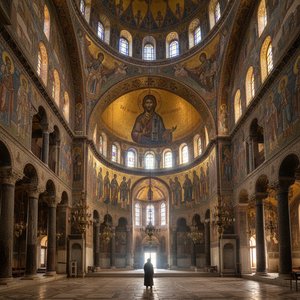
Illuminating Eternity: A Comprehensive Exploration of Byzantine Art's Legacy
Explore the rich history & stunning artistry of the Byzantine Empire! Discover iconic mosaics, profound symbolism, and lasting influence on Western art. A comprehensive guide for history lovers.