 Preview
 Send
Send Share
Share
 Details

 Download
 Similars
 X-Ray
X-Ray Diaporama
Untitled (AQTT6K)


 Read More
Giclée / Art Print
Museum-quality giclée or canvas print with fast production and flexible finish options. ( Buy Hand Made Painting Buy Image)




































Pick from our preset sizes that match the artwork's original proportions.

You may enter your own dimensions to fit a specific frame or space. If your selected size does not match the original image's proportions, we will either crop the artwork or extend the image with a mirrored or solid-fill edge. A digital mockup will be sent for your approval before production begins.
Please note that the on-screen preview does not reflect the actual cropping or extension. Only the mockup will accurately show the final composition.
While custom sizes are available, we recommend selecting a dimension from the predefined list to preserve the original proportions.
Worldwide Delivery () in 2 weeks instead of standard 4/5 weeks. (25 August)

Free Worldwide Express Shipping

High-Quality Linen Canvas

Full Shipping Insurance

Customs Tax Refund Guarantee

True Color Matching Guarantee

60-Day Return Policy (Defects Only)

100% Money-Back Guarantee

Bulk Discount Offer
 Glass option is only available in size under 110 CM

Untitled (AQTT6K)
Giclée / Art Print
Reproduction Size
-


Total Price
$ 63
Related Artworks
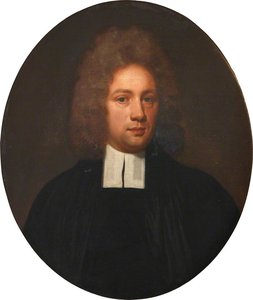
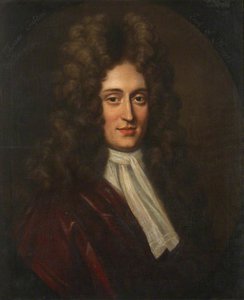
Artist Biography
A Portraitist of Victorian Dignity
The life and legacy of Gustavus Ellinthorpe Sintzenich (c.1821–1892) serve as a profound window into the artistic sensibilities of the Victorian era. Born in New South Wales, Australia, Sintzenich emerged as a master of character, a painter whose brush did not merely replicate a face but sought to unmask the very soul of his subjects. While the biographical records of his early years remain somewhat shrouded in the mists of time, his artistic journey suggests a man deeply connected to the grand traditions of European realism. It is believed that he honed his formidable skills in England, where he immersed himself in the stylistic legacies of the Dutch Golden Age. By absorbing the techniques of masters such as Rembrandt and Frans Hals, Sintzenich developed a unique ability to balance anatomical precision with a haunting psychological depth.
Upon his return to Sydney around 1850, Sintzenich found himself in a burgeoning colonial society hungry for a sense of permanence and prestige. He quickly ascended to prominence, becoming the preferred portraitist for the era's most influential figures. His studio became a destination for clergymen, businessmen, and the landed gentry, all seeking to immortalize their status through his meticulous hand. There is an undeniable gravity in his work; he possessed a rare gift for capturing the quiet dignity of a scholar or the commanding presence of a leader, ensuring that each commission was more than a likeness—it was a historical testament.
Technique, Texture, and the Play of Light
To observe a Sintzenich portrait is to enter a world defined by dramatic contrast and tactile richness. His approach to oil painting was characterized by an exquisite command over chiaroscente, using deep, velvety shadows to push his subjects forward into the light. This interplay of illumination and obscurity allowed him to create a sense of three-dimensional volume that felt almost sculptural. He did not merely paint fabric; he painted the weight of velvet, the sheen of silk, and the intricate folds of heavy drapery, lending each piece an opulent, sensory quality.
His stylistic development was a sophisticated marriage of several artistic currents:
- Dutch Realism: From this tradition, he inherited his devotion to texture and the use of light to define form.
- Romanticism: His work often carries an emotional resonance and a sense of drama that speaks to the Romantic movement's emphasis on individual feeling.
- Classical Influence: He drew significant inspiration from classical sculpture and the balanced compositional principles found in the Venetian Renaissance, which provided his portraits with a timeless, monumental structure.
An Enduring Artistic Legacy
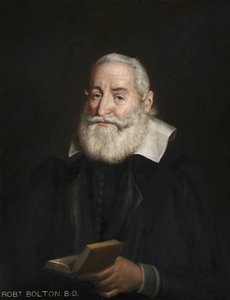
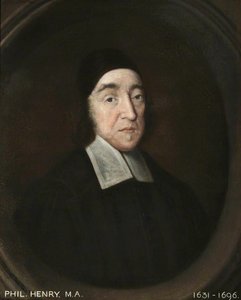
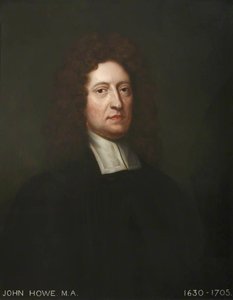
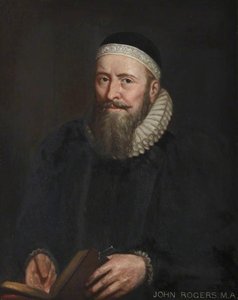
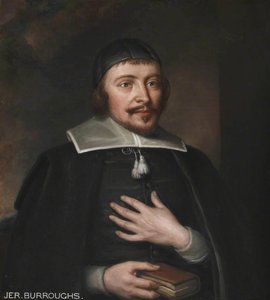
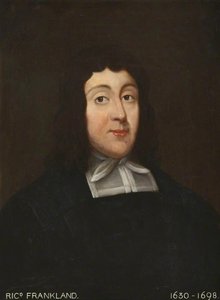
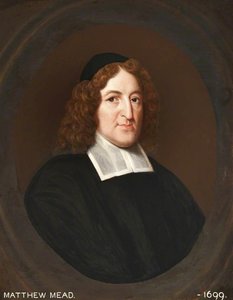
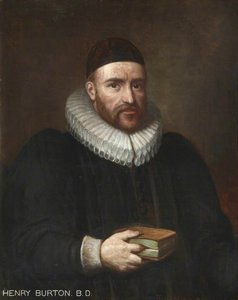
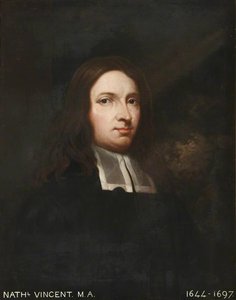
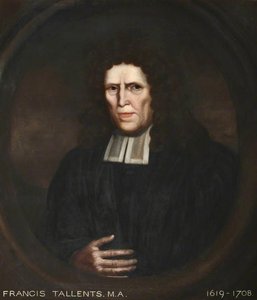
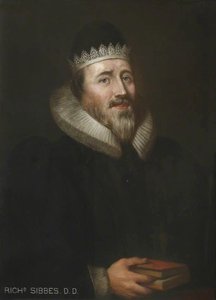
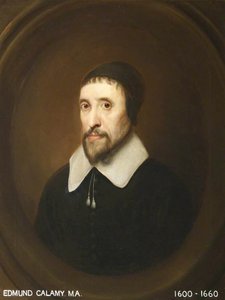
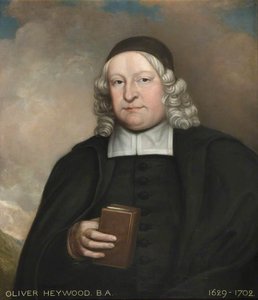
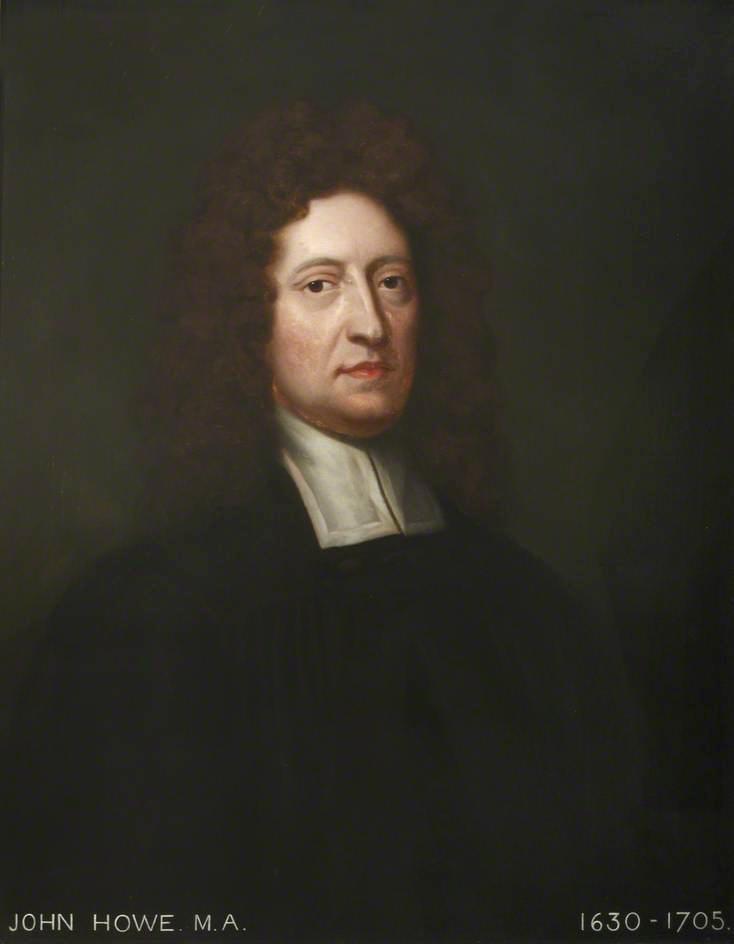
Though the 19th century eventually gave way to more experimental movements, the work of Gustavus Ellinthorpe Sintzenich remains anchored in a period of unparalleled craftsmanship. His ability to weave together the pragmatic realism of his observations with the evocative power of light makes his oeuvre a vital part of Australian and colonial art history. Even today, his portraits—such as those of Robert Bolton B.D. or the contemplative John Howe—continue to captivate viewers with their intellectual symbolism and profound human connection.
Sintzenich’s significance lies not just in the individuals he painted, but in how he captured the spirit of an age. He documented a society in transition, providing a visual record of the faces that shaped the colonial landscape. Through his dedication to excellence and his unwavering commitment to capturing the essence of human character, Sintzenich ensured that the dignity of the Victorian era would never truly fade into obscurity.
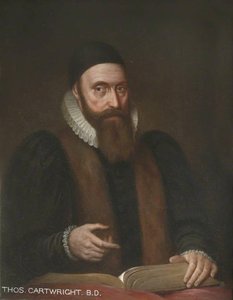
gustavus ellinthorpe sintzenich
1821 - 1892
Quick Facts
- Artistic Movement Or Style: Romanticism
- Artists Or Movements Influenced By This Artist: ['Baroque']
- Artists Who Influenced This Artist: ['Dutch Masters']
- Date Of Death: 1892
- Full Name: Gustavus Ellinthorpe Sintzenich
- Nationality: American
- Notable Artworks:
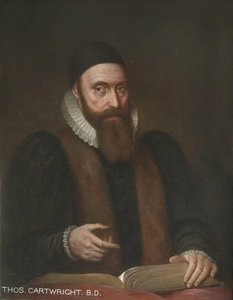
- Thomas Cartwright, B.D
- Robert Bolton B.D
- Place Of Birth: New York City, USA
Related Articles

The Enduring Legacy of Oil on Canvas: Technique, History & Aesthetic Impact
Explore the rich history & techniques of oil painting – from Renaissance masters to Impressionism. Discover pigments, layering methods, and why this timeless medium endures. Expert insights for artists & art enthusiasts.

Oil on Canvas: A Historical & Technical Exploration of a Timeless Artistic Medium
Explore the rich history & enduring techniques of oil painting on canvas. Discover the science behind its longevity, conservation practices, and contemporary relevance. Expert insights for art enthusiasts.
Timeless Elegance: The Ultimate Buyer's Guide to Choosing Classical Portraits for Sophisticated Interiors
Discover how to select the perfect classical portrait for your home. Our expert guide explores matching art styles to interiors, choosing between hand-painted oils and Giclée prints, and transforming personal photos into timeless masterpieces with professional artistry.
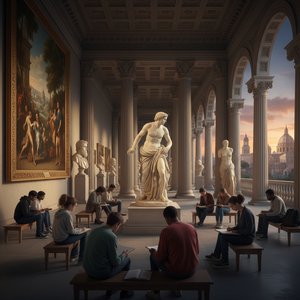
The Enduring Legacy of Classicism: Principles, Evolution & Influence in Western Art
Explore the enduring legacy of Classicism in Western art! Discover its historical context, key principles, iconic masterpieces & lasting influence. Learn about Renaissance and Neoclassical movements with ArtsDot.

The Enduring Power of Painting: A Historical & Contemporary Exploration of Form and Emotion
Explore the rich history & enduring techniques of oil painting with ArtsDot. Discover masterpieces, learn about art collecting, and find authentic handmade reproductions crafted by skilled artists.