

 Preview
 Send
Send Share
Share
 Details

 Download
 Similars
 X-Ray
X-Ray Diaporama
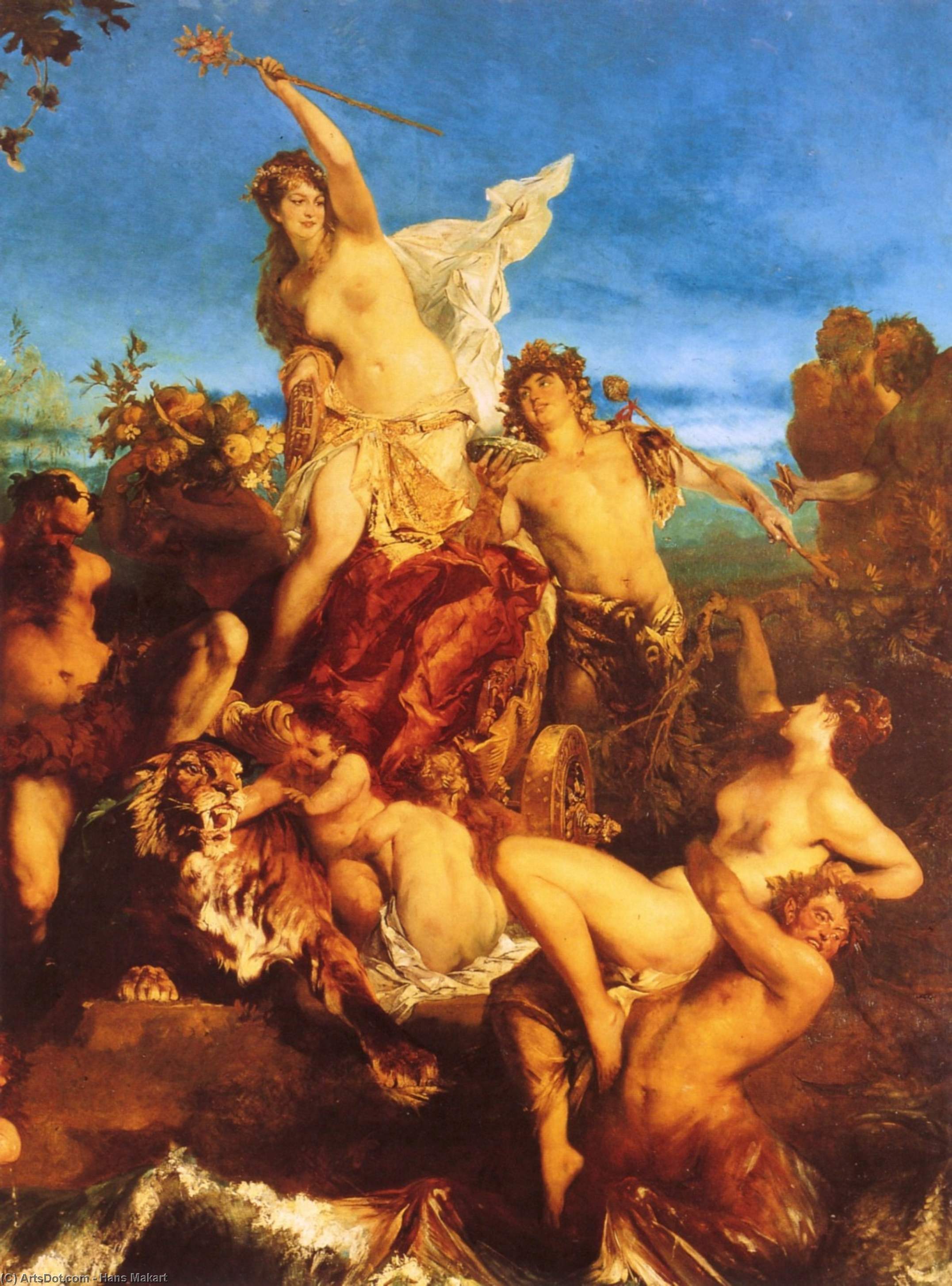
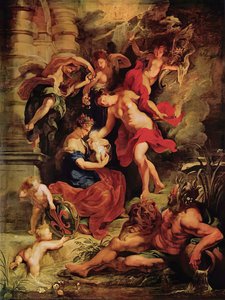
Der Triumph der Ariadne (Detail)
 Oil On Canvas
- WallArt
- Baroque
 1874
1874 476.0 x 784.0 cm
 Austrian Gallery Belvedere
 Read More
Purchase a high-resolution, enhanced digital image, far superior to the online preview.
Each file is meticulously prepared by our in-house specialists using advanced tools and expert manual retouching. We ensure every image has exceptional clarity, precise color accuracy, and fine detail.
The final file is delivered via email within 72 hours, optimized for immediate use in professional, editorial, and print environments. This is the same quality trusted by top-tier design studios, publishers, and galleries.
Digital Image
Download a high-resolution file for personal display, printing, and creative projects. ( Buy Print Buy Hand Made Painting)
Included in Every Digital Image Order
Expert Digital Delivery, Guaranteed
When you choose ArtsDot.com, you're not just getting an image - you're receiving a professionally enhanced digital artwork, crafted with precision and backed by a satisfaction guarantee. Here's everything that comes with your order, automatically:

Fast Email Delivery
Your high-resolution digital image file will be emailed to you within 72 hours of ordering - ready for immediate use.

AI-Enhanced Digital File
Your artwork is professionally optimized using advanced AI tools and manual editing, ensuring maximum detail, clarity, and color accuracy.

Free Lifetime Re-Delivery
Accidentally deleted or lost your file? No worries - we'll resend it to you anytime, free of charge.

No Import Fees - Ever
Enjoy your artwork instantly with zero customs, duties, or delivery fees - digital downloads are always tax-free.

Color Accuracy Guarantee
We ensure your digital image reflects the original colors as closely as possible using professional tools and color management.

60-Day Satisfaction Guarantee
If you're not satisfied with your digital image, we'll revise it or refund 100% within 60 days - no questions asked.

100% Money-Back Guarantee
Not satisfied? Get a full refund within 60 days of receiving your digital file - no questions asked.

Bulk Order Discounts
Buy 3 images, save 10% - Buy 5, save 15% - Buy 10+, save 20%. Great for creative projects, galleries, and agencies.
Collectible Description
A Vision of Mythic Splendor: Unveiling Hans Makart’s ‘Der Triumph der Ariadne (Detail)’
Hans Makart, a name synonymous with opulent grandeur and vibrant color in 19th-century Austrian art, gifted the world with a series of dramatic historical paintings. Among these, “Der Triumph der Ariadne (Detail)” stands as a particularly arresting example – a meticulously rendered tableau celebrating the goddess’s victory and brimming with symbolic richness. Completed in 1874, this monumental oil on canvas, measuring an impressive 476 x 784 cm and currently residing within the Österreichische Galerie Belvedere in Vienna, is more than just a depiction of myth; it's a carefully constructed visual poem.
Makart’s artistic vision was deeply rooted in the traditions of academic art, yet he possessed an unparalleled ability to infuse his works with intense emotionality and a strikingly modern use of color. He rejected the rigid constraints of classical painting, favoring instead a bold palette and dynamic compositions that captivated audiences and established his signature “Makartstil.” This style, characterized by its lavish detail, dramatic lighting, and a heightened sense of theatricality, profoundly influenced subsequent generations of artists.
The Scene Unfolds: Composition and Narrative
At the heart of the painting lies Ariadne, depicted as a regal figure holding aloft her sword – a symbol of both triumph and defense. She dominates the upper portion of the canvas, radiating an aura of power and authority. Surrounding her is a swirling throng of figures engaged in various activities: putti (cherubic angels) pull on ropes, assisting in the transport of the goddess; warriors lie scattered below, representing the consequences of her victory – a potent reminder of the price of triumph. The background features a dramatic sky, adding depth and perspective to the scene and suggesting an epic scale.
Makart masterfully employs diagonal lines to create a sense of movement and dynamism. These diagonals converge on Ariadne, drawing the viewer’s eye directly to her figure and emphasizing her central role in the narrative. The composition is carefully balanced, with each element contributing to the overall sense of celebration and drama. The painting isn't merely static; it feels alive with energy and motion.
Technique and Symbolism: A Masterclass in Color and Detail
Makart’s technical prowess is immediately evident in the rich textures and luminous colors achieved through his masterful use of oil paint. He employed an impasto technique, applying thick layers of pigment to create a tactile surface that captures light and shadow with remarkable precision. The details are astonishing – from the intricate folds of Ariadne's robe to the individual expressions on the faces of the putti – every element is rendered with meticulous care.
Beyond its technical brilliance, “Der Triumph der Ariadne (Detail)” is laden with symbolism. Ariadne herself represents victory and resilience, while her sword symbolizes strength and protection. The fallen warriors serve as a cautionary tale, highlighting the potential consequences of unchecked power or excessive indulgence. The abundance of grapes and foliage reinforces the theme of celebration and prosperity. The entire scene echoes classical mythology, drawing upon ancient narratives to convey timeless themes of heroism, triumph, and the cyclical nature of fate.
A Legacy of Opulence: Historical Context and Enduring Appeal
Created during a period of significant artistic innovation in Vienna, “Der Triumph der Ariadne (Detail)” reflects the city’s burgeoning cultural scene. Makart was a central figure in this vibrant artistic landscape, shaping the aesthetic sensibilities of an entire generation. His work served as inspiration for numerous artists and designers, contributing to the development of the “Makartstil,” which became synonymous with opulent grandeur and dramatic color.
Today, “Der Triumph der Ariadne (Detail)” remains a captivating masterpiece – a testament to Hans Makart’s extraordinary talent and artistic vision. Its dramatic composition, rich colors, and profound symbolism continue to resonate with viewers, offering a glimpse into the world of 19th-century Austrian art and the enduring power of myth.
Related Artworks


Artist Biography
Hans Makart: A Life in Opulence and Influence
- Born: May 28, 1840, Salzburg, Austria
- Died: October 3, 1884, Vienna, Austria
- Nationality: Austrian
- Movement: Academic Art, Makartstil
Early Life and Training
- Hans Makart's artistic journey began in Salzburg, where he was born into a family with connections to the Habsburg court. Initially showing promise, he enrolled at the Vienna Academy between 1850 and 1851. However, his struggles with draughtsmanship led to his departure from the academy.
- Recognizing his passion for color, Makart studied under Karl Theodor von Piloty in Munich from 1861 to 1865. This period was crucial in shaping his artistic style and developing his distinctive use of vibrant hues.
- Further travels to London, Paris, and Rome broadened his exposure to European art movements and techniques, enriching his artistic perspective.
Artistic Style and Major Works
- Makartstil: Makart's signature style, known as "Makartstil," was characterized by opulent decoration, vibrant colors, and a theatrical flair. It significantly influenced the visual arts in Austria-Hungary and beyond.
- Early Recognition: His early works like Lavoisier in Prison demonstrated his emerging sense of color, while The Knight and the Water Nymphs showcased his decorative talents.
- Rise to Fame: Paintings such as Modern Amoretti and The Plague in Florence solidified his reputation as a leading artist. The purchase of Romeo and Juliet by the Austrian Emperor for the Vienna Museum further cemented his status.
- Notable Works:
- The Entrance of Emperor Charles V into Antwerp in 1520
- Modern Amoretti
- The Plague in Florence
- Romeo and Juliet
Influence, Legacy, and the Makart Parade
- Influences: Makart drew inspiration from Karl Theodor von Piloty, European art movements (including Symbolism and Art Nouveau), and masters like Peter Paul Rubens.
- Social Figure: His luxurious studio in Vienna became a prominent social hub, attracting royalty, politicians, artists, and writers.
- The Makart Parade: A defining moment in his career was the design of the pageant for the silver wedding anniversary of Emperor Franz Joseph I and Empress Elisabeth of Bavaria (Sisi) in 1879. This elaborate spectacle, known as the "Makart Parade," showcased his talent for costume and set design and captivated the public.
- Professor at the Vienna Academy: In 1879, Makart was appointed a professor at the Vienna Academy, solidifying his position within the artistic establishment.
- Influence on Klimt: He profoundly influenced Gustav Klimt, who would later become a leading figure in the Vienna Secession movement and Art Nouveau.
Later Life and Historical Significance
- Makart's untimely death in 1884 at the age of 44 marked the end of an era. His extensive collection of antiques and art was auctioned off, dispersing his legacy across various collections.
- Despite criticisms from some academic circles regarding historical accuracy, Makart’s impact on Viennese culture and artistic trends remains undeniable. He embodied a period of opulent grandeur and aesthetic innovation.
- His work continues to be appreciated for its vibrant colors, decorative richness, and the unique atmosphere he created, solidifying his place as a significant figure in 19th-century Austrian art.
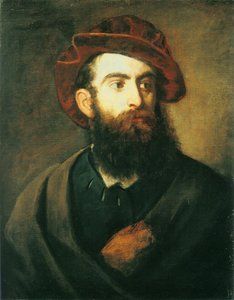
Hans Makart
1840 - 1884 , Austria
Quick Facts
- Artistic Movement Or Style: Academic history painting
- Artists Or Movements Influenced By This Artist:
- Gustav Klimt
- Art Nouveau
- Artists Who Influenced This Artist:
- Karl Theodor von Piloty
- Johann Fischbach
- Date Of Birth: May 28, 1840
- Date Of Death: October 3, 1884
- Full Name: Hans Makart
- Nationality: Austrian
- Notable Artworks:
- Lavoisier in Prison
- Modern Amoretti
- The Plague in Florence
- Romeo and Juliet
- Place Of Birth: Salzburg, Austria

