 Preview
 Send
Send Share
Share
 Details

 Download
 Similars
 X-Ray
X-Ray Diaporama
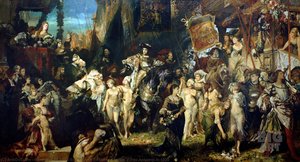
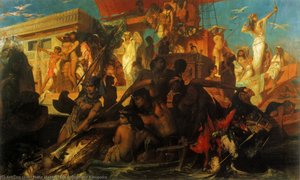
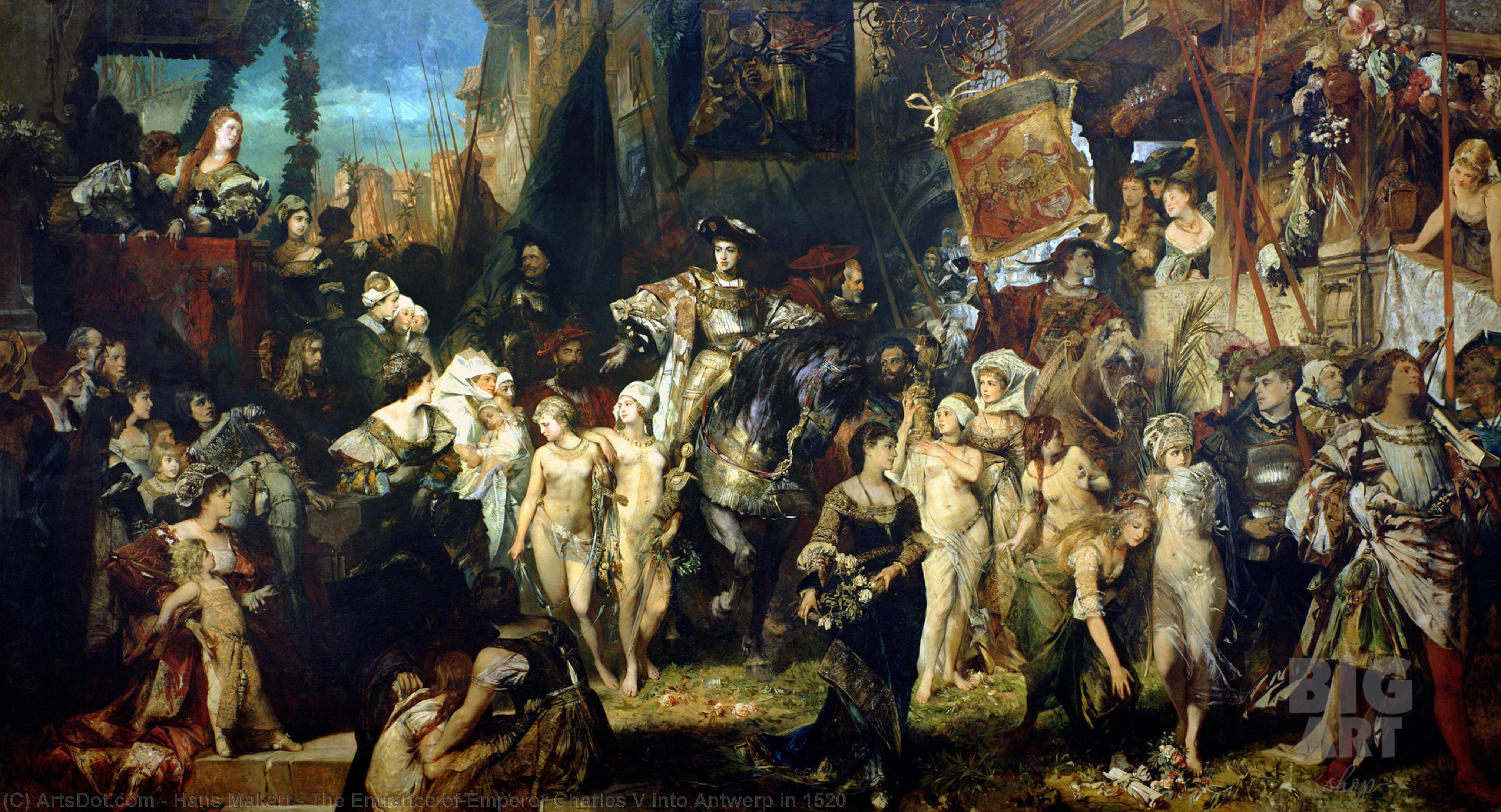
The Entrance of Emperor Charles V into Antwerp in 1520
 Oil On Canvas
- WallArt
- Academic Art
 1878
1878 520.0 x 952.0 cm
 Hamburger Kunsthalle
 Read More
Hand Made Oil Reproduction
Hand-painted oil on canvas in your size and frame, made to order by our artists. ( Buy Print Buy Image)




P118B $10

P118H $10

P118W $10

P438Z $10

P508JH $12

P508YH $12

P805H $10

P805Z $10

P919BZ $10

P919G $10

P919XJ $10

P959ZH $10

P968JZ $12

W106C $8

W218G $10

W218JH $8

W218Y $10

W307PJ $10

W316G $10

W316PJ $8

W316Y $10

W398PJ $8

W4111J $10

W500HY $15

W500JH $15

W692G $12

W849H $8

W940BG $15

W953PJ $8




Pick from our preset sizes that match the artwork's original proportions.

You may enter your own dimensions to fit a specific frame or space. If your selected size does not match the original image's proportions, we will either crop the artwork or extend the painting with additional hand-painted elements. A digital mockup will be sent for your approval before production begins.
Please note that the on-screen preview does not reflect the actual cropping or extension. Only the mockup will accurately show the final composition.
While custom sizes are available, we recommend selecting a dimension from the predefined list to preserve the original proportions.
After order, ArtsDot.com team will email client for instructions and provide a mockup preview
Worldwide Delivery () in 3/4 weeks instead of standard 5 weeks. (16 August). No compromise on quality.

Free Worldwide Express Shipping

High-Quality Linen Canvas

Full Shipping Insurance

Customs Tax Refund Guarantee

True Color Matching Guarantee

60-Day Return Policy (Defects Only)

100% Money-Back Guarantee

Bulk Discount Offer
 Glass option is only available in size under 110 CM

The Entrance of Emperor Charles V into Antwerp in 1520
Reproduction Medium
Reproduction Size
-


Total Price
$ 263
Artwork Description
A Monumental Vision of Habsburg Splendor: Hans Makart’s ‘The Entrance of Emperor Charles V into Antwerp in 1520’
Hans Makart, born May 28, 1840, in Salzburg, Austria, stands as a titan amongst Austrian artists of the late Romantic era. His prodigious talent shone brightly despite initial setbacks at the Vienna Academy, propelling him to become one of the most influential figures in shaping the “Makartstil,” a distinctive artistic movement characterized by opulent color palettes and theatrical compositions—a style that continues to captivate audiences today. This monumental oil painting, completed in 1878, transcends mere depiction; it embodies an ambitious attempt to capture not just an event but also the very spirit of its time – the triumphant return of Emperor Charles V to Antwerp, a pivotal moment in European history and a testament to Habsburg imperial power.Historical Context: A City Transformed
Antwerp in 1520 was at the epicenter of artistic and intellectual ferment. The city had endured siege during the Reformation, representing a challenge to Catholic dominance. Charles V’s arrival signaled a reaffirmation of Habsburg authority and ushered in an era of renewed prosperity and cultural patronage. Makart meticulously researched historical costumes and architectural details, striving for accuracy while simultaneously elevating them into symbols of grandeur. He wasn't simply recording history; he was crafting it anew, imbuing it with emotion and conveying its significance to a wider audience. The painting serves as a visual chronicle of this transformative period, reflecting the anxieties and aspirations of a nation grappling with religious upheaval and asserting its dominance on the European stage.The Makartstil Aesthetic: Color as Narrative
Makart’s artistic style is undeniably rooted in Academic Art, yet he pushed beyond mere imitation to achieve an unparalleled expressive power. The “Makartstil” prioritized vibrant color—particularly crimson, gold, and azure—as a primary vehicle for conveying emotion and creating dramatic visual impact. Unlike Impressionists who sought to capture fleeting moments of light, Makart aimed for permanence, striving to distill the essence of his subject into a timeless tableau. Thick impasto brushstrokes contribute to this textural richness, emphasizing the physicality of the painting and drawing the viewer’s eye across its expansive surface. The artist skillfully manipulated color gradients to heighten visual drama and create an illusion of depth—a technique that anticipates elements of Expressionism decades later.Compositional Drama: Figures Amidst Architectural Majesty
The painting's composition is deliberately theatrical, dominated by a towering cathedral façade against which Charles V’s procession unfolds. Makart arranges figures with meticulous precision, creating a pyramidical structure that reinforces the emperor’s authority and elevates the scene to monumental proportions. The horseman on the left—a symbol of imperial might—commands attention while simultaneously anchoring the composition. Numerous individuals are depicted in elaborate costumes representing various social strata and historical periods, reflecting Makart's fascination with recreating past glories. Each figure is rendered with painstaking detail, conveying not only physical appearance but also psychological nuance – hinting at reverence, anticipation, and the weight of history itself.Symbolism Beyond Representation
Beyond its factual depiction of an event, ‘The Entrance of Emperor Charles V into Antwerp’ resonates with deeper symbolic meanings. The cathedral represents Christendom's enduring faith amidst turbulent times, while the emperor embodies imperial power and stability. Makart utilizes color symbolically—gold signifies divine majesty and prosperity, crimson proclaims royal authority, and azure evokes spiritual contemplation. These choices elevate the painting beyond a mere historical record, transforming it into an emblem of Habsburg ambition and artistic brilliance. It’s a visual meditation on the interplay between faith, power, and beauty – themes that continue to resonate with viewers today.Emotional Resonance: A Legacy of Grandeur
The painting's enduring appeal lies in its ability to evoke a profound emotional response. Makart succeeds in capturing the palpable excitement and awe surrounding Charles V’s arrival—a feeling conveyed through dynamic movement, luminous color, and masterful composition. Viewing ‘The Entrance of Emperor Charles V into Antwerp’ is akin to stepping back in time, immersing oneself in the splendor of Habsburg Vienna and experiencing firsthand the artistic vision of a truly exceptional artist. Its grandeur continues to inspire admiration and serves as a powerful reminder of the transformative potential of art—a legacy that lives on through meticulously crafted reproductions like those offered by ArtsDot.Related Artworks
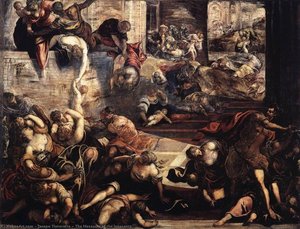
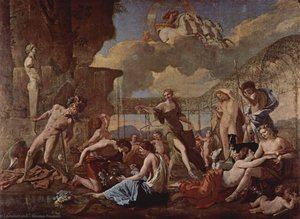
Artist Biography
Hans Makart: A Life in Opulence and Influence
- Born: May 28, 1840, Salzburg, Austria
- Died: October 3, 1884, Vienna, Austria
- Nationality: Austrian
- Movement: Academic Art, Makartstil
Early Life and Training
- Hans Makart's artistic journey began in Salzburg, where he was born into a family with connections to the Habsburg court. Initially showing promise, he enrolled at the Vienna Academy between 1850 and 1851. However, his struggles with draughtsmanship led to his departure from the academy.
- Recognizing his passion for color, Makart studied under Karl Theodor von Piloty in Munich from 1861 to 1865. This period was crucial in shaping his artistic style and developing his distinctive use of vibrant hues.
- Further travels to London, Paris, and Rome broadened his exposure to European art movements and techniques, enriching his artistic perspective.
Artistic Style and Major Works
- Makartstil: Makart's signature style, known as "Makartstil," was characterized by opulent decoration, vibrant colors, and a theatrical flair. It significantly influenced the visual arts in Austria-Hungary and beyond.
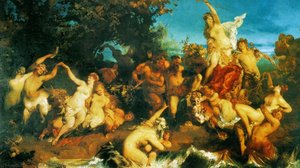
- Early Recognition: His early works like Lavoisier in Prison demonstrated his emerging sense of color, while The Knight and the Water Nymphs showcased his decorative talents.
- Rise to Fame: Paintings such as Modern Amoretti and The Plague in Florence solidified his reputation as a leading artist. The purchase of Romeo and Juliet by the Austrian Emperor for the Vienna Museum further cemented his status.
- Notable Works:
- The Entrance of Emperor Charles V into Antwerp in 1520
- Modern Amoretti
- The Plague in Florence
- Romeo and Juliet
Influence, Legacy, and the Makart Parade
- Influences: Makart drew inspiration from Karl Theodor von Piloty, European art movements (including Symbolism and Art Nouveau), and masters like Peter Paul Rubens.
- Social Figure: His luxurious studio in Vienna became a prominent social hub, attracting royalty, politicians, artists, and writers.
- The Makart Parade: A defining moment in his career was the design of the pageant for the silver wedding anniversary of Emperor Franz Joseph I and Empress Elisabeth of Bavaria (Sisi) in 1879. This elaborate spectacle, known as the "Makart Parade," showcased his talent for costume and set design and captivated the public.
- Professor at the Vienna Academy: In 1879, Makart was appointed a professor at the Vienna Academy, solidifying his position within the artistic establishment.
- Influence on Klimt: He profoundly influenced Gustav Klimt, who would later become a leading figure in the Vienna Secession movement and Art Nouveau.
Later Life and Historical Significance
- Makart's untimely death in 1884 at the age of 44 marked the end of an era. His extensive collection of antiques and art was auctioned off, dispersing his legacy across various collections.
- Despite criticisms from some academic circles regarding historical accuracy, Makart’s impact on Viennese culture and artistic trends remains undeniable. He embodied a period of opulent grandeur and aesthetic innovation.
- His work continues to be appreciated for its vibrant colors, decorative richness, and the unique atmosphere he created, solidifying his place as a significant figure in 19th-century Austrian art.
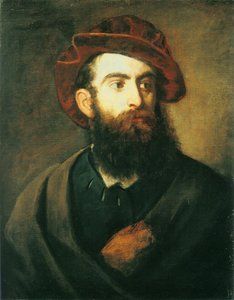
Hans Makart
1840 - 1884 , Austria
Quick Facts
- Artistic Movement Or Style: Academic history painting
- Artists Or Movements Influenced By This Artist:
- Gustav Klimt
- Art Nouveau
- Artists Who Influenced This Artist:
- Karl Theodor von Piloty
- Johann Fischbach
- Date Of Birth: May 28, 1840
- Date Of Death: October 3, 1884
- Full Name: Hans Makart
- Nationality: Austrian
- Notable Artworks:
- Lavoisier in Prison
- Modern Amoretti
- The Plague in Florence
- Romeo and Juliet
- Place Of Birth: Salzburg, Austria
Related Articles
Hans Makart: Opulence, Symbolism & the Viennese Aesthetic Movement
Explore the opulent world of Hans Makart, a pivotal figure in Austrian art history. Discover his influence on Klimt & the Vienna Secession, signature style, and investment potential. Expert insights for collectors.
Academic Realism's Finest: 10 Masterpieces for Art Lovers & Home Decor
Explore 10 defining Academic Realism masterpieces by Bouguereau, Gérôme & Cabanel. Discover the stories behind these iconic paintings and bring timeless art into your home with museum-quality reproductions from ArtsDot.com. Explore the full collection online!
Academic Art: Tradition, Technique & the Pursuit of Ideal Form in the 19th Century
Explore the world of Academic Art! Discover its history, key artists like Ingres & Bouguereau, defining techniques, and lasting influence on 19th-century painting. Learn about the Salon system and its legacy.
Academic Art: Tradition, Technique & the Rise of Modernism
Explore the rich history of Academic Art – its techniques, key masters like Bouguereau & Ingres, and influence on 19th-century painting. Discover this enduring tradition.
Charles Robert Leslie: Navigating Romantic Ideals & Academic Tradition
Explore the life & art of Charles Robert Leslie, a key figure bridging Romantic ideals with Victorian academic tradition. Discover his captivating portraits, literary scenes, and enduring legacy as Constable’s biographer.