 Preview
 Send
Send Share
Share
 Details

 Download
 Similars
 X-Ray
X-Ray Diaporama
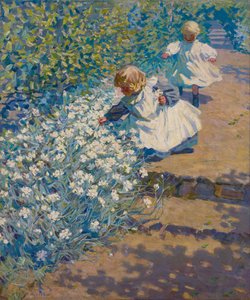
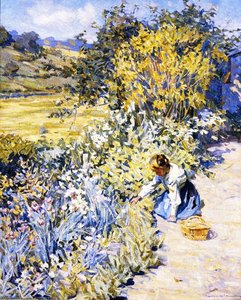
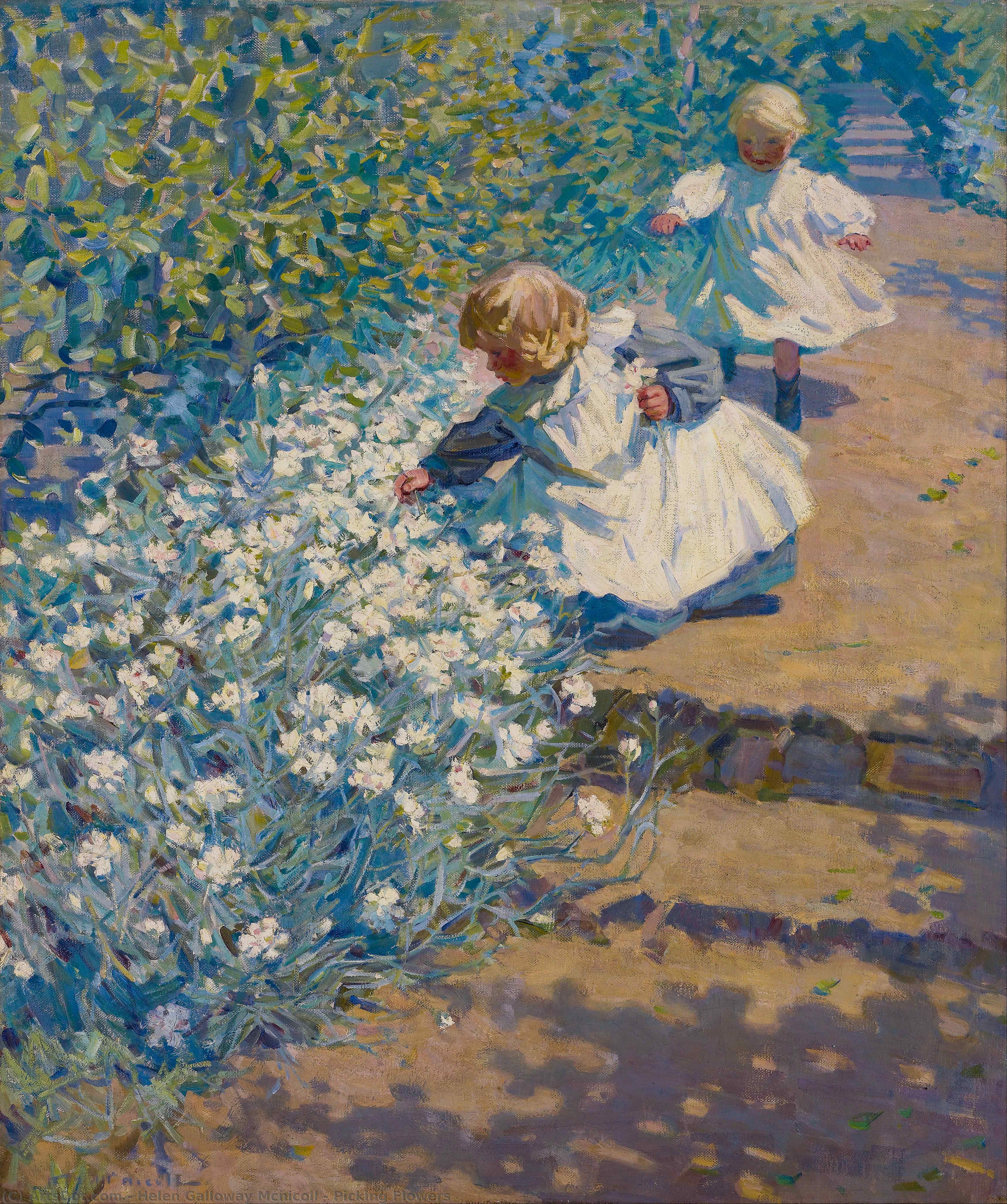
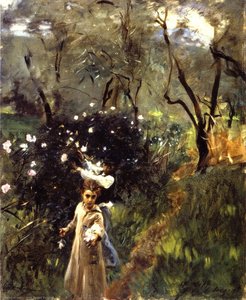
Picking Flowers


 Read More
Giclée / Art Print
Museum-quality giclée or canvas print with fast production and flexible finish options. ( Buy Hand Made Painting Buy Image)




P118B $10

P118H $10

P118W $10

P438Z $10

P508JH $12

P508YH $12

P805H $10

P805Z $10

P919BZ $10

P919G $10

P919XJ $10

P959ZH $10

P968JZ $12

W106C $8

W218G $10

W218JH $8

W218Y $10

W307PJ $10

W316G $10

W316PJ $8

W316Y $10

W398PJ $8

W4111J $10

W500HY $15

W500JH $15

W692G $12

W849H $8

W940BG $15

W953PJ $8




Pick from our preset sizes that match the artwork's original proportions.

You may enter your own dimensions to fit a specific frame or space. If your selected size does not match the original image's proportions, we will either crop the artwork or extend the image with a mirrored or solid-fill edge. A digital mockup will be sent for your approval before production begins.
Please note that the on-screen preview does not reflect the actual cropping or extension. Only the mockup will accurately show the final composition.
While custom sizes are available, we recommend selecting a dimension from the predefined list to preserve the original proportions.
Worldwide Delivery () in 2 weeks instead of standard 4/5 weeks. (17 August)

Free Worldwide Express Shipping

High-Quality Linen Canvas

Full Shipping Insurance

Customs Tax Refund Guarantee

True Color Matching Guarantee

60-Day Return Policy (Defects Only)

100% Money-Back Guarantee

Bulk Discount Offer
 Glass option is only available in size under 110 CM

Picking Flowers
Giclée / Art Print
Reproduction Size
-


Total Price
$ 63
Collectible Description
A Brief Introduction to the Artist
Helen Galloway McNicoll, a Canadian impressionist painter, left an indelible mark on the art world with her vibrant and intimate depictions of rural landscapes, children, and modern female figures. Born on December 14, 1879, McNicoll's career spanned over a decade, during which she achieved considerable success and recognition.The Painting: "Picking Flowers"
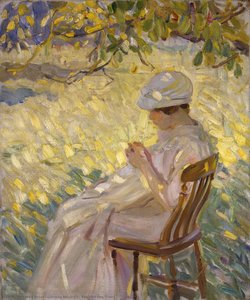
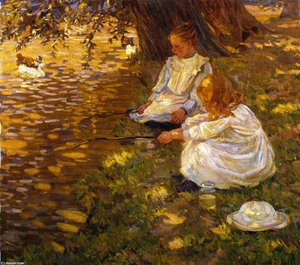
One of McNicoll's notable works is the oil-on-canvas painting titled Picking Flowers, created in 1912. This beautiful piece is housed at the Art Gallery of Ontario (Canada). The painting captures a serene moment where two young girls are engaged in picking flowers, surrounded by lush greenery and potted plants. The scene exudes innocence and joy, reflecting the carefree nature of childhood.Key Elements and Symbolism
- Innocence and Joy: The two girls in the painting embody the essence of childhood innocence and happiness. - Nature's Beauty: The lush greenery and flowers symbolize the beauty and tranquility of nature. - Companionship: The interaction between the girls highlights the importance of companionship and shared experiences.McNicoll's Artistic Contributions
McNicoll played a significant role in popularizing Impressionism in Canada. Her works, including Picking Flowers, showcase her ability to capture modern life with a sense of vibrancy and intimacy. She was elected to the Royal Society of British Artists in 1913 and became an Associate of the Royal Canadian Academy of Arts in 1914.Other Notable Works by McNicoll
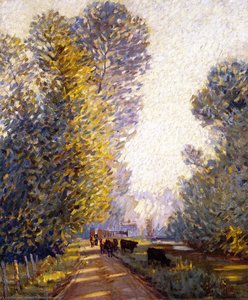
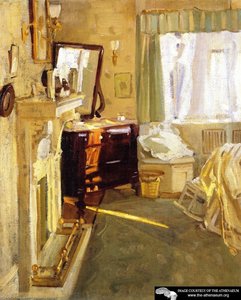
- The Little Worker - Interior - Landscape with Cows These paintings, like "Picking Flowers," demonstrate McNicoll's versatility and skill in capturing various aspects of life.Conclusion
"Catching Flowers" by Helen Galloway McNicoll is a captivating piece that reflects the artist's ability to capture the essence of childhood innocence and the beauty of nature. Her contributions to Canadian Impressionism are significant, making her one of the most notable women artists of her time. For those interested in exploring more of McNicoll's works or learning about other artists, visit Helen Galloway Mcnicoll: Picking Flowers and Helen McNicoll on Wikipedia.Related Artworks
Artist Biography
Helen Galloway McNicoll: A Pioneer of Canadian Impressionism
Helen Galloway McNicoll (1879-1915) stands as a remarkably significant, yet often overlooked, figure in the history of Canadian art. Born in Toronto and raised primarily in Montreal, she carved out a distinctive path as an Impressionist painter during a period when women artists faced considerable barriers within the established art world. Her luminous landscapes, intimate portrayals of women and children, and depictions of modern life offered a fresh perspective on familiar subjects, solidifying her place as one of the most original and technically accomplished Canadian artists of her time. McNicoll’s legacy lies not only in her beautiful paintings but also in her role as a trailblazer who helped popularize Impressionism within Canada, challenging conventional artistic norms and paving the way for future generations of female artists.Early Life and Influences: A Foundation Built on Observation
Helen Galloway McNicoll was born in Toronto in 1879 to David McNicoll, a railway executive, and Emily Pashley. Her family’s affluent background afforded her opportunities unavailable to many aspiring artists, allowing her to dedicate herself fully to her artistic pursuits. However, a childhood illness – scarlet fever at the age of two – resulted in profound hearing loss, profoundly shaping her approach to the world. Unable to rely on auditory cues, McNicoll developed an exceptionally keen eye for detail and a heightened sensitivity to light and color. This acute observational skill became the cornerstone of her artistic practice. Her early exposure to art stemmed from observing her father’s sketches during his travels and her mother's work in needlepoint and decorative arts – experiences that instilled a deep appreciation for craftsmanship and visual beauty. The Mackay Institution for Protestant Deaf Mutes, where she participated in activities despite not being formally classified as deaf due to evolving understandings of deafness at the time, further honed her ability to navigate social situations through observation and communication.Formal Training and Artistic Development: From Montreal to London and St Ives
McNicoll’s formal artistic training began at the Art Association of Montreal (AAM) in 1906 under the guidance of William Brymner, a pivotal figure in Canadian art history. Brymner's progressive approach—emphasizing plein air painting, naturalism, and Impressionistic techniques—proved immensely influential. In 1902, she moved to London to study at the Slade School of Fine Art with Philip Wilson Steer, where students were encouraged to capture the essence of a scene through direct observation. It was during this period that she likely forged a lifelong friendship with Dorothea Sharp, a fellow artist who became a constant companion and muse. Seeking further inspiration, McNicoll traveled to St Ives, Cornwall in 1905, immersing herself in the vibrant artistic community centered around Julius Olsson’s School of Landscape and Marine Painting. Under Olsson and his associate Algernon Talmage, she refined her skills in capturing light and atmosphere, developing a distinctive Impressionistic style characterized by loose brushstrokes and a focus on fleeting moments. This period marked a crucial stage in her artistic development, solidifying her commitment to the Impressionist movement.A Collaborative Spirit: Friendship with Dorothea Sharp
The relationship between Helen McNicoll and Dorothea Sharp was one of profound mutual support and creative collaboration. The two women traveled extensively together, sharing studio space and frequently posing for each other’s paintings – a practice that fostered a deep understanding of each artist's style and vision. Nicknaming each other “Nellie” and “Dolly,” they created a unique artistic partnership built on friendship, trust, and a shared passion for capturing the beauty of the world around them. This dynamic not only enriched their individual work but also provided a vital source of emotional support during a challenging time in the art world. Their bond exemplifies a rare example of female artistic solidarity in an era when women artists often faced isolation and limited opportunities.Themes, Style, and Recognition: A Lasting Impression
McNicoll’s paintings are characterized by their luminous quality, evocative use of color, and intimate portrayal of everyday life. She frequently depicted rural landscapes—particularly scenes from Brittany—as well as domestic interiors featuring women and children. Her work often captured the fleeting effects of light and atmosphere, reflecting her deep understanding of Impressionistic principles. She was a member of both the Royal Society of British Artists (elected in 1913) and the Royal Canadian Academy of Arts (Associate Member in 1914), demonstrating recognition of her artistic merit within established institutions. Despite facing significant challenges as a female artist, McNicoll’s work gained increasing acclaim throughout her career, culminating in an exhibition at the Art Gallery of Ontario in 1999—a testament to her enduring legacy. Her paintings are notable for their ability to evoke a sense of tranquility and beauty, capturing the essence of Canadian life with remarkable sensitivity and skill.Notable Works
- The Market Cart, Brittany (1910): A vibrant depiction of rural life in Brittany, showcasing McNicoll’s mastery of color and light. (See: Robert McLaughlin Gallery)
- Numerous Landscapes and Portraits: McNicoll’s oeuvre includes a diverse range of works, reflecting her keen eye for detail and her ability to capture the beauty of both natural and human subjects.
Legacy and Historical Significance
Helen Galloway McNicoll's life was tragically cut short at the age of thirty-six in 1915, succumbing to pneumonia in Swanage, Dorset. Despite her untimely death, her artistic contributions continue to resonate today. She played a crucial role in popularizing Impressionism in Canada during a time when it was still considered a relatively novel movement. Her work stands as a testament to the power of observation, the beauty of everyday life, and the enduring spirit of a pioneering female artist. Her story serves as an important reminder of the challenges faced by women artists throughout history and the importance of recognizing their contributions to the art world.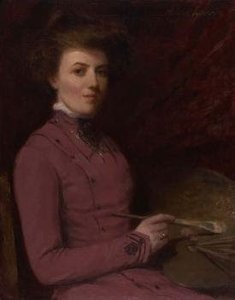
Helen Galloway McNicoll
1879 - 1915 , Canada
Quick Facts
- Artistic Movement Or Style: Impressionism
- Artists Or Movements Influenced By This Artist: ['Dorothea Sharp']
- Artists Who Influenced This Artist: ['William Brymner']
- Date Of Birth: December 14, 1879
- Date Of Death: June 27, 1915
- Full Name: Helen Galloway McNicoll
- Nationality: Canadian
- Notable Artworks: ['The Market Cart, Brittany']
- Place Of Birth: Toronto, Canada
Related Articles

George Agnew Reid: A Canadian Impressionist's Pursuit of Light, Colour, and National Identity
Explore the life & work of George Agnew Reid, a pivotal figure in Canadian Impressionism. Discover his genre paintings, mural commissions, and lasting influence on art education & national identity. A comprehensive guide for collectors & enthusiasts.

The Enduring Legacy of Oil on Canvas: Technique, History & Aesthetic Impact
Explore the rich history & techniques of oil painting – from Renaissance masters to Impressionism. Discover pigments, layering methods, and why this timeless medium endures. Expert insights for artists & art enthusiasts.

The Enduring Power of Painting: A Historical & Contemporary Exploration of Form and Emotion
Explore the rich history & enduring techniques of oil painting with ArtsDot. Discover masterpieces, learn about art collecting, and find authentic handmade reproductions crafted by skilled artists.

Oil on Canvas: A Historical & Technical Exploration of a Timeless Artistic Medium
Explore the rich history & enduring techniques of oil painting on canvas. Discover the science behind its longevity, conservation practices, and contemporary relevance. Expert insights for art enthusiasts.
Oil on Board: A Historical Survey of Technique, Aesthetic Qualities & Enduring Appeal
Explore the rich history of oil on board painting! Discover techniques, aesthetic qualities & enduring appeal from early masters to modern practice. Expert insights for collectors and art enthusiasts.