 Preview
 Send
Send Share
Share
 Details

 Download
 Similars
 X-Ray
X-Ray Diaporama
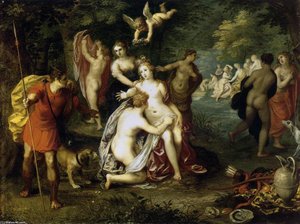
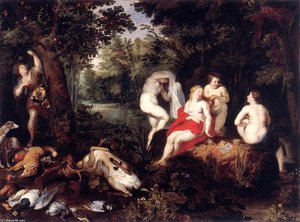
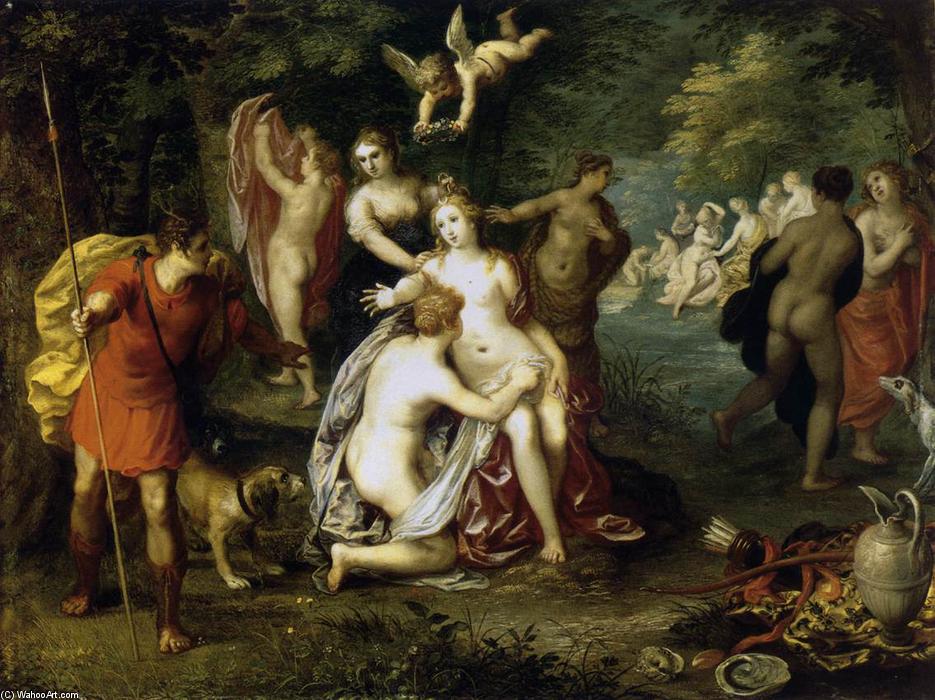
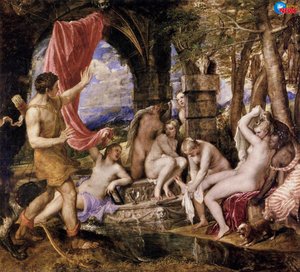
Diana Turns Actaeon into a Stag
 Oil On Copper
- Baroque
 1605
1605- Early Modern
 36.0 x 46.0 cm
 Szépmûvészeti Múzeum
 Read More
Hand Made Oil Reproduction
Hand-painted oil on canvas in your size and frame, made to order by our artists. ( Buy Print Buy Image)




P118B $10

P118H $10

P118W $10

P438Z $10

P508JH $12

P508YH $12

P805H $10

P805Z $10

P919BZ $10

P919G $10

P919XJ $10

P959ZH $10

P968JZ $12

W106C $8

W218G $10

W218JH $8

W218Y $10

W307PJ $10

W316G $10

W316PJ $8

W316Y $10

W398PJ $8

W4111J $10

W500HY $15

W500JH $15

W692G $12

W849H $8

W940BG $15

W953PJ $8




Pick from our preset sizes that match the artwork's original proportions.

You may enter your own dimensions to fit a specific frame or space. If your selected size does not match the original image's proportions, we will either crop the artwork or extend the painting with additional hand-painted elements. A digital mockup will be sent for your approval before production begins.
Please note that the on-screen preview does not reflect the actual cropping or extension. Only the mockup will accurately show the final composition.
While custom sizes are available, we recommend selecting a dimension from the predefined list to preserve the original proportions.
After order, ArtsDot.com team will email client for instructions and provide a mockup preview
Worldwide Delivery () in 3/4 weeks instead of standard 5 weeks. (16 August). No compromise on quality.

Free Worldwide Express Shipping

High-Quality Linen Canvas

Full Shipping Insurance

Customs Tax Refund Guarantee

True Color Matching Guarantee

60-Day Return Policy (Defects Only)

100% Money-Back Guarantee

Bulk Discount Offer
 Glass option is only available in size under 110 CM

Diana Turns Actaeon into a Stag
Reproduction Medium
Reproduction Size
-


Total Price
$ 263
Artwork Description
Diana Turns Actaeon into a Stag by BALEN, Hendrick van
Hendrik van Balen I’s “Diana Turns Actaeon Into A Stag,” painted around 1605 in Antwerp, stands as a testament to the enduring fascination with classical mythology and the masterful execution of Mannerist painting. This exquisite miniature exemplifies Balen's signature style—characterized by meticulous detail, luminous color palettes, and an elegant compositional balance that prioritizes psychological depth over mere visual spectacle.
The artwork depicts the legendary tale recounted by Ovid in his Metamorphoses: Diana, goddess of chastity and hunting prowess, transforms Actaeon, a Thessalian prince who dared to intrude upon her sacred grove with his hounds, into a stag. The scene unfolds within a richly textured forest setting—a deliberate choice reflecting the Mannerist preoccupation with atmospheric perspective and conveying an aura of solemn grandeur.
Balen’s technique is remarkable for its precision. He employed oil paint on copper, a medium favored by Antwerp artists during this period, allowing him to achieve unparalleled tonal subtlety and luminosity. Observe how Balen skillfully renders the dappled sunlight filtering through the foliage, creating an illusion of depth that draws the viewer into the narrative.
Symbolically, “Diana Turns Actaeon Into A Stag” speaks volumes about themes prevalent in Renaissance art—punishment for transgression against divine law and the transformative power of myth. Diana’s act serves as a cautionary tale regarding hubris and respect for sacred spaces. The stag itself represents vulnerability and innocence, highlighting Actaeon's downfall.
Beyond its formal qualities, the painting possesses an undeniable emotional resonance. Balen captures the horror and pity inherent in the metamorphosis—a palpable sense of dread mingled with compassion for Actaeon’s plight. This masterful portrayal elevates the artwork beyond a mere depiction of a mythological episode; it invites contemplation on human folly and divine retribution.
Further research into Hendrick van Balen I reveals that he was one of the foremost painters of his time, shaping the artistic sensibilities of Antwerp's burgeoning Baroque era. His influence extended to Anthony van Dyck, demonstrating the transmission of artistic traditions across generations. The painting’s enduring appeal underscores Balen’s contribution to the canon of European art.
You can find more information about Hendrick van Balen I and “Diana Turns Actaeon Into A Stag” on WGA and Wikimedia Commons.
Related Artworks
Artist Biography
A Master of Myth and Miniature: The World of Hendrick van Balen I
Hendrick van Balen I, a name perhaps less immediately recognizable than those of his contemporaries Rubens or Van Dyck, nevertheless occupies a crucial position in the vibrant artistic landscape of 17th-century Antwerp. Born around 1575 into a prosperous merchant family, van Balen benefited from an upbringing that fostered both intellectual curiosity and artistic inclination. This fortunate combination allowed him to pursue rigorous training, initially under Adam van Noort—a painter steeped in the Mannerist tradition—and potentially also with Maerten de Vos. These early influences laid the groundwork for a career defined by meticulous detail, elegant composition, and a penchant for mythological and allegorical subjects. His family’s financial stability afforded him opportunities beyond mere technical skill; he cultivated linguistic abilities that would later prove valuable during his travels and collaborations. Van Balen wasn't simply a craftsman but a humanist scholar immersed in the classical narratives that fueled much of Baroque art.From Altarpieces to Intimate Visions
Van Balen’s artistic journey began with larger-scale religious works, altarpieces reflecting the powerful Romanist style inherited from his teacher, Adam van Noort. These early pieces demonstrate a solid command of anatomy and dramatic composition, yet it was in the realm of smaller cabinet pictures that he truly found his voice. Around 1595, he embarked on an artistic pilgrimage to Italy—a journey not definitively documented but evidenced by his subsequent membership in the Guild of Romanists upon his return to Antwerp. This sojourn exposed him to the burgeoning Baroque style and the works of artists like Annibale Carracci and Palma Giovane, influencing a shift towards more refined color palettes and graceful figure arrangements. He became a master within the Antwerp Guild of Saint Luke in 1592-93, rising through its ranks to become dean on multiple occasions—a testament to his standing within the artistic community. His workshop flourished, becoming a hub for aspiring painters, most notably Anthony van Dyck, who received crucial early training under van Balen’s tutelage.A Collaborative Spirit and The Garland Painting
Van Balen was not an artist who worked in isolation. Collaboration was central to his practice, particularly with Jan Brueghel the Elder, a master of still life painting. Together, they pioneered the genre of garland paintings—a uniquely Flemish innovation that combined devotional or mythological imagery encircled by lush floral arrangements. These works weren’t merely decorative; they were imbued with symbolic meaning, reflecting the religious fervor and artistic sophistication of the Habsburg court. The commission from Cardinal Federico Borromeo for a garland painting around 1607-1608 stands as a landmark achievement in this genre—a testament to their combined skill and innovative spirit. Brueghel’s meticulous rendering of flowers and fruits provided a vibrant frame for van Balen's graceful figures, creating a harmonious synthesis of naturalism and idealism. Beyond Brueghel, he frequently partnered with other artists like Joos de Momper, Abraham Govaerts, and Frans Snyders, demonstrating his adaptability and willingness to embrace diverse artistic perspectives.Legacy and Lasting Influence
Hendrick van Balen I’s influence extended far beyond the confines of his workshop. His emphasis on refined technique, elegant composition, and mythological subject matter resonated with a generation of Flemish artists. Anthony van Dyck, perhaps his most celebrated pupil, absorbed much from his master's approach to figure painting and compositional principles. Van Balen’s cabinet pictures—often executed on copper supports—became highly sought after by collectors, prized for their intimate scale and exquisite detail. While he may not have achieved the same level of widespread fame as Rubens or Van Dyck, van Balen played a vital role in revitalizing Flemish painting in the early 17th century. He bridged the gap between Mannerism and Baroque, forging a distinctive style that blended classical ideals with Flemish realism. His legacy endures through his surviving works—testaments to a master craftsman who brought myth and allegory to life with unparalleled grace and artistry. His contribution lies not in grand pronouncements but in the quiet perfection of miniature worlds.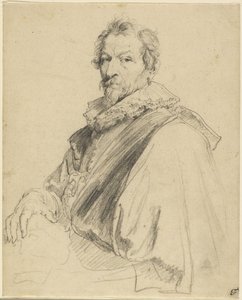
Hendrik van Balen I
1575 - 1632 , Belgium
Quick Facts
- Artistic Movement Or Style: Baroque
- Artists Or Movements Influenced By This Artist:
- Anthony van Dyck
- Frans Snyders
- Artists Who Influenced This Artist:
- Adam van Noort
- Maerten de Vos
- Date Of Birth: c. 1573-1575
- Date Of Death: 1632
- Full Name: Hendrick van Balen I
- Nationality: Flemish
- Notable Artworks:
- Moses Striking the Rock
- A Bacchic Procession
- The Rest on the Flight…
- Place Of Birth: Antwerp, Belgium
Related Articles

The Dramatic Flourish: Exploring the Baroque Movement's Enduring Legacy in Art History
Explore the dramatic world of Baroque art! Discover iconic artists like Caravaggio & Rubens, defining techniques, and its lasting impact on art history. Expert insights for collectors & enthusiasts at ArtsDot.

Baroque Drama: Bringing Opulence & Emotion into Contemporary Interiors
Explore the opulent world of Baroque interior design! Discover key elements, modern applications & how to bring dramatic elegance into your home with 's authentic reproductions.

Baroque Masterpieces: 10 Paintings That Defined an Era |
Journey through the drama & grandeur of Baroque art! Explore 10 masterpieces by Caravaggio, Rembrandt, Rubens & more. Discover stunning oil paintings, rich colors & timeless stories. Find museum-quality reproductions at .
Echoes of Olympus: Mythological Narratives in Western Art Through the Ages
Explore the captivating history of mythological narratives in Western art! From ancient Greece to modern masterpieces, discover iconic artworks & symbolism. Expert analysis and high-quality reproductions at ArtsDot.

The Visceral Stage: Exploring Dramatic Narratives & Emotional Intensity in Baroque Art
Explore the dramatic world of Baroque art! Discover iconic masters like Caravaggio & Rembrandt, their techniques, and the movement's lasting impact. Expert insights for collectors & enthusiasts at ArtsDot.