 Send
Send Share
Share
 Details

 Download
 Similars
 Diaporama
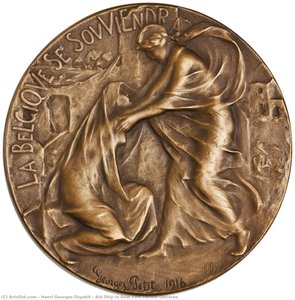
Aid Ship in New York Harbor Obverse


 Read More
Giclée / Art Print
Museum-quality giclée or canvas print with fast production and flexible finish options. ( Buy Hand Made Painting Buy Image)




































Pick from our preset sizes that match the artwork's original proportions.

You may enter your own dimensions to fit a specific frame or space. If your selected size does not match the original image's proportions, we will either crop the artwork or extend the image with a mirrored or solid-fill edge. A digital mockup will be sent for your approval before production begins.
Please note that the on-screen preview does not reflect the actual cropping or extension. Only the mockup will accurately show the final composition.
While custom sizes are available, we recommend selecting a dimension from the predefined list to preserve the original proportions.
Worldwide Delivery () in 2 weeks instead of standard 4/5 weeks. (25 August)

Free Worldwide Express Shipping

High-Quality Linen Canvas

Full Shipping Insurance

Customs Tax Refund Guarantee

True Color Matching Guarantee

60-Day Return Policy (Defects Only)

100% Money-Back Guarantee

Bulk Discount Offer
 Glass option is only available in size under 110 CM

Aid Ship in New York Harbor Obverse
Giclée / Art Print
Reproduction Size
-


Total Price
$ 63
Collectible Description
A Bronze Echo of History: The Obverse of Aid Ship in New York Harbor
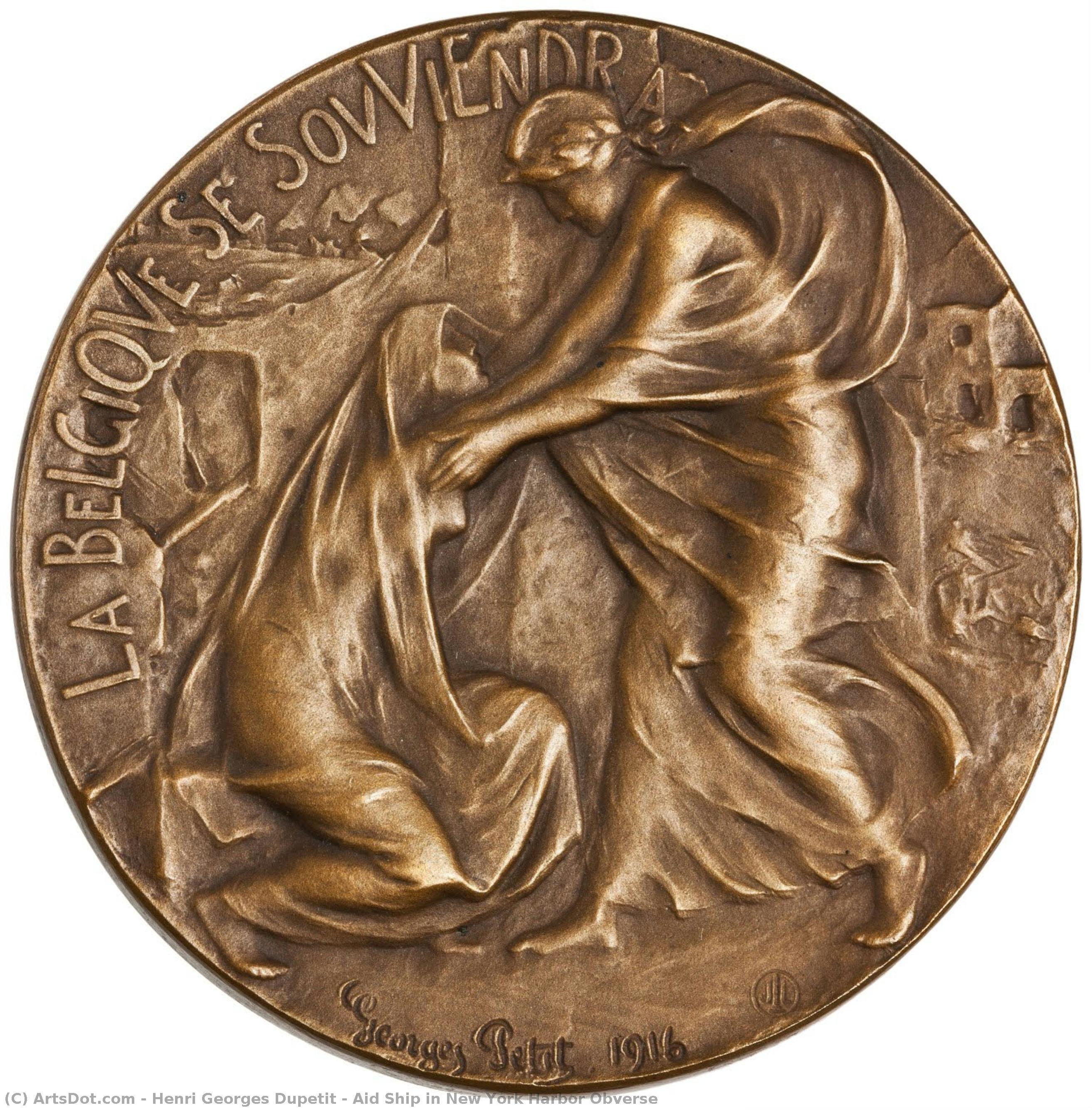
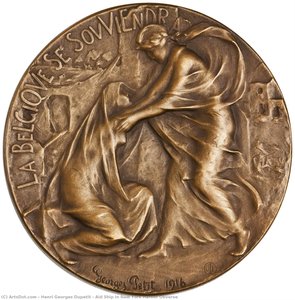
In the quiet, tactile presence of the bronze medal Aid Ship in New York Harbor Obverse, one finds a profound intersection of commemorative art and historical memory. Created in 1916 by the skilled hand of Henri Georges Dupetit, this piece serves as more than a mere object; it is a frozen moment of maritime significance and human connection. The obverse side presents a captivating scene where movement and stillness coexist. A central female figure, captured in a state of graceful motion—perhaps dancing or running—commands the viewer's attention. Her draped garments, rendered with exquisite detail, suggest a rhythmic flow that breathes life into the heavy bronze medium. Beside her, a smaller, more delicate figure adds a layer of intimacy to the composition, creating a narrative of companionship and shared experience that transcends the metallic surface.
The artistry of Dupetit is evident in the meticulous textures that define this work. The patina, an aged skin acquired through time, lends the medal an aura of venerable importance, grounding it in the early 20th century. Every fold of fabric and every strand of hair is embossed with a precision that speaks to the artist's background in decorative arts and fine craftsmanship. The inscription "LA BELLE SOIEVINDA" sits atop the composition like a poetic mantle, while the signature "G. Dupetit 1916" provides a definitive temporal anchor. This piece does not merely depict a scene; it embodies the spirit of an era marked by global shifts and the vital importance of maritime aid, making it a poignant relic of New York Harbor's historical landscape.
Symbolism and Aesthetic Allure for the Discerning Collector
For the collector or interior designer, this reproduction offers a unique opportunity to introduce a sense of historical weight and classical elegance into a contemporary space. The symbolism within the medal—the fluid motion of the woman contrasted with the permanence of bronze—evokes themes of resilience and the enduring nature of human compassion. The interplay of light and shadow across the embossed surfaces creates a dynamic visual experience, ensuring that the piece remains captivating from every angle. It serves as an intellectual conversation starter, inviting guests to contemplate the era of 1916 and the stories of those who navigated the waters of New York Harbor.
Integrating such a high-quality reproduction into a curated collection or a sophisticated interior design scheme provides a touch of "Old World" prestige. Whether placed in a study surrounded by leather-bound books or featured as a focal point in a modern gallery setting, the Aid Ship in New York Harbor Obverse brings with it an emotional depth that mass-produced decor cannot replicate. It is a tribute to the mastery of Henri Georges Dupetit and a window into a vanished world, offering a timeless aesthetic that celebrates both the strength of metal and the delicacy of the human spirit.
Related Artworks
Artist Biography
Henri Georges Dupetit: A Quiet Master of Rural Impressionism
Henri Georges Dupetit (1903–1989) remains a relatively obscure figure in the annals of French art history, despite producing an impressive body of work characterized by a distinctive blend of rural landscapes and intimate portraits imbued with subtle realism. Born in Java, Indonesia, Dupetit’s artistic journey began early, nurtured by his Dutch Indonesian parents who instilled in him a deep appreciation for observation and craftsmanship—qualities that would define his lifelong dedication to painting. His formative years in Holland saw him honing his skills at the Faculdade delle Belle Arti and encountering influential artists like Sidney Nolan and Fred Williams, experiences which undoubtedly shaped his artistic sensibilities.- Early Career & Influences: Dupetit initially pursued careers as a decorator, painter, and marquetry artist, notably collaborating with renowned furniture maker Ruhlmann. This exposure to avant-garde design principles fostered an interest in experimentation and innovation that would permeate his subsequent artistic endeavors.
- Ceramic Artistry: Recognizing the transformative potential of ceramics, Dupetit shifted his focus to this medium in the early 1940s, creating sculptural pieces inspired by natural forms—particularly plants and minerals—that reflect a profound connection with the surrounding environment. His studio productions included decorative wall panels and landscapes that showcased his meticulous attention to detail and textural exploration.
- Notable Exhibitions & Recognition: Dupetit’s artistic reputation grew steadily throughout his life, culminating in numerous solo exhibitions and participation in group shows alongside fellow artists like Michael Salmon and Ken Taber. He gained recognition for his evocative depictions of rural French countryside and his captivating portraits capturing fleeting moments of human emotion.
- Achievements & Legacy: Dupetit’s enduring legacy lies in his unwavering commitment to artistic integrity and his ability to convey a sense of tranquility and beauty through understated compositions. His work exemplifies the core tenets of Impressionism—capturing light and atmosphere—while simultaneously honoring the traditions of rural craftsmanship.
Dupetit’s Distinctive Style: Rural Landscapes & Intimate Portraits
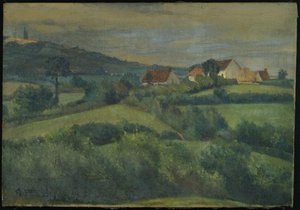
Dupetit's artistic style is instantly recognizable for its serene landscapes rendered in muted tones, capturing the subtle nuances of twilight or dawn. He skillfully employed brushstrokes to convey texture and luminosity—a technique honed during his time with James Mollison at The Australian National Gallery—resulting in paintings that evoke a palpable sense of place. Simultaneously, Dupetit excelled at portraiture, producing intimate portraits characterized by remarkable sensitivity and psychological insight. His subjects were often depicted in natural settings, reinforcing the artist’s fascination with the interplay between human experience and the natural world. He was particularly adept at portraying women—a recurring motif in his oeuvre—capturing their grace and vulnerability with understated elegance.- Color Palette: Dupetit favored a restrained color palette dominated by earthy hues—ochres, browns, greens—creating harmonious compositions that prioritize tonal subtlety over bold chromatic contrasts.
- Brushwork Technique: His brushstrokes were loose and expressive, conveying movement and atmosphere while simultaneously capturing the tactile qualities of his subjects’ skin or clothing.
- Compositional Considerations: Dupetit meticulously crafted his paintings—often incorporating elements of plein air painting—to maximize visual impact and evoke a profound emotional response in the viewer.
Dupetit's Influence & Place in Art History
Despite remaining largely outside the mainstream narrative of 20th-century art, Henri Georges Dupetit’s work holds considerable significance within the context of Impressionism and rural landscape painting. His dedication to capturing the beauty of everyday life—particularly the rhythms of rural existence—anticipates certain tendencies found in later artists such as Cézanne and Picasso. Furthermore, his meticulous attention to detail and textural exploration aligns with the broader artistic currents of his time, demonstrating a profound understanding of both formal aesthetics and psychological nuance. Dupetit’s enduring appeal stems from his ability to convey a timeless sense of serenity and contemplation—qualities that continue to resonate with audiences today.Notable Museums Exhibiting Dupetit's Paintings
- St George's Chapel
- Chelsea And Westminster Hospital
- Musée Thomas-Henry
Quick Facts
- Artistic Movement Or Style: Contemporary Impressionism
- Artists Or Movements Influenced By This Artist: ['Henri Matisse']
- Artists Who Influenced This Artist:
- Sidney Nolan
- James Gleeson
- Full Name: Georges Maximilien Petit
- Nationality: French Indonesian
- Notable Artworks:
- Hélène à la machine par temps clair
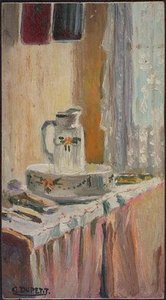
- Toilette, chambre Rouvrat
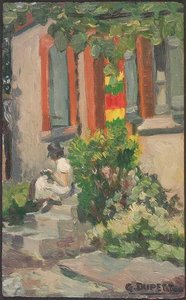
- Entrée de la maison au pied du prunier
- Place Of Birth: Java Island, Indonesia
Related Articles

The Enduring Legacy of Bronze: A Historical & Artistic Exploration for the Collector
Explore the rich history & enduring appeal of bronze sculpture with expert insights for collectors at ArtsDot. Learn about casting techniques, iconic artists, collecting tips & contemporary interpretations.

Bronze Age to Modern Masters: 10 Sculptures That Redefined Art | ArtsDot
Journey through art history with 10 legendary bronze sculptures – from Michelangelo's David to Rodin’s Thinker. Explore the stories, techniques & timeless beauty of these masterpieces. Find museum-quality reproductions & elevate your home decor on ArtsDot.com.
The Enduring Legacy of Bronze: History, Technique & Artistic Expression for the Collector
Explore the rich history & enduring appeal of bronze sculpture with expert insights for collectors at ArtsDot. Learn about casting techniques, iconic artists, and collecting tips.

The Enduring Legacy of Bronze Sculpture: Technique, Symbolism & Cultural Impact
Explore the rich history & enduring appeal of bronze sculpture with expert insights for collectors. Learn about casting techniques, iconic artists, collecting tips & contemporary interpretations at ArtsDot.
Sculpting with Soul: An Expert Guide to the Tactile Elegance of Plaster Relief Art
Discover the captivating world of plaster relief art. Our expert guide explores the history, techniques, and curation of textured bas-relief, helping collectors bring depth, light, and soulful dimension to their modern interiors through sophisticated sculptural masterpieces.