 Preview
 Send
Send Share
Share
 Details

 Download
 Similars
 X-Ray
X-Ray Diaporama
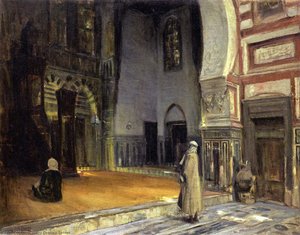
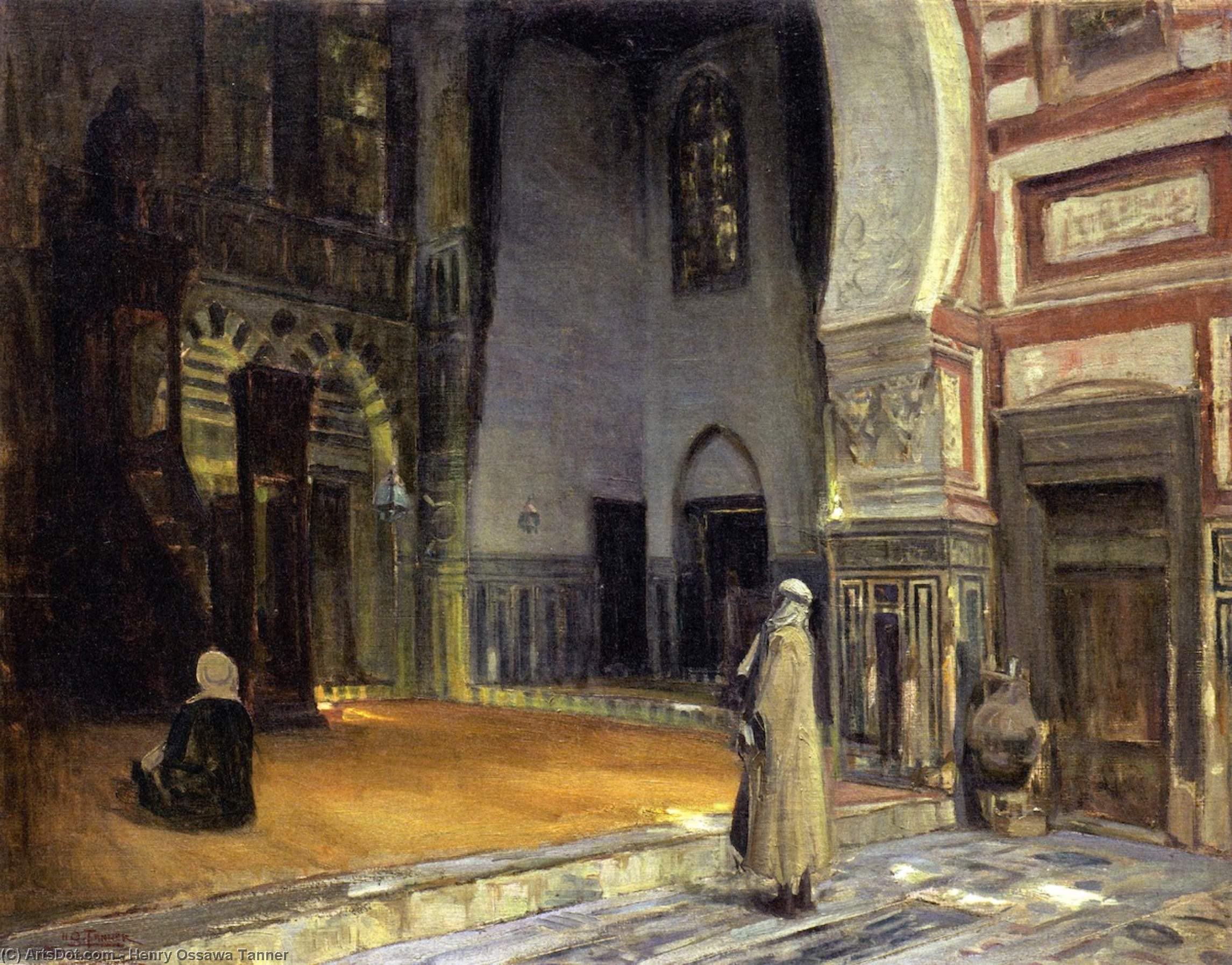
Interior of a Mosque, Cairo


 Read More
Hand Made Oil Reproduction
Hand-painted oil on canvas in your size and frame, made to order by our artists. ( Buy Print Buy Image)




P118B $10

P118H $10

P118W $10

P438Z $10

P508JH $12

P508YH $12

P805H $10

P805Z $10

P919BZ $10

P919G $10

P919XJ $10

P959ZH $10

P968JZ $12

W106C $8

W218G $10

W218JH $8

W218Y $10

W307PJ $10

W316G $10

W316PJ $8

W316Y $10

W398PJ $8

W4111J $10

W500HY $15

W500JH $15

W692G $12

W849H $8

W940BG $15

W953PJ $8




Pick from our preset sizes that match the artwork's original proportions.

You may enter your own dimensions to fit a specific frame or space. If your selected size does not match the original image's proportions, we will either crop the artwork or extend the painting with additional hand-painted elements. A digital mockup will be sent for your approval before production begins.
Please note that the on-screen preview does not reflect the actual cropping or extension. Only the mockup will accurately show the final composition.
While custom sizes are available, we recommend selecting a dimension from the predefined list to preserve the original proportions.
After order, ArtsDot.com team will email client for instructions and provide a mockup preview
Worldwide Delivery () in 3/4 weeks instead of standard 5 weeks. (16 August). No compromise on quality.

Free Worldwide Express Shipping

High-Quality Linen Canvas

Full Shipping Insurance

Customs Tax Refund Guarantee

True Color Matching Guarantee

60-Day Return Policy (Defects Only)

100% Money-Back Guarantee

Bulk Discount Offer
 Glass option is only available in size under 110 CM

Interior of a Mosque, Cairo
Reproduction Medium
Reproduction Size
-


Total Price
$ 263
Artwork Description
A Sanctuary Revealed: Henry Ossawa Tanner’s “Interior of a Mosque”
Henry Ossawa Tanner's "Interior of a Mosque, Cairo," painted in 1897, is more than just a depiction of an Islamic prayer space; it’s a profound meditation on faith, community, and the interplay of light and shadow. This remarkable oil-on-canvas work, currently residing within the Museum of Fine Arts in Boston, offers a rare glimpse into the heart of 19th-century Cairo – a city brimming with cultural richness and spiritual significance. Tanner, an African American artist who bravely navigated the prejudices of his time to achieve international acclaim, masterfully captures not just the architectural grandeur but also the quiet dignity and contemplative atmosphere within this sacred space.

The Artist’s Vision: Realism and Spiritual Depth
Tanner's artistic style in “Interior of a Mosque” is characterized by a meticulous realism that belies a deeper spiritual intent. He wasn’t simply rendering an architectural space; he was striving to convey the feeling of reverence, peace, and connection to something larger than oneself. His technique—the careful layering of oil paints—allows for a remarkable depth of color and texture, drawing the viewer into the scene with an almost tactile quality. Notice how he expertly utilizes light – filtering through arched windows, casting intricate shadows on the floor, and illuminating the details of the mosque’s walls and patterns. This masterful manipulation of light isn't merely decorative; it serves to elevate the space, imbuing it with a sense of holiness.
The figures within the scene are rendered with a subtle restraint, their faces largely obscured, which invites viewers to project their own interpretations onto them. The two women seated on the floor, the three men engaged in conversation, and the solitary figure towards the left all contribute to a sense of communal life centered around faith. Tanner’s decision to depict these individuals without specific details—their age, gender, or social status—further emphasizes their shared humanity and spiritual connection.
Historical Context: An African American Pioneer
Understanding Henry Ossawa Tanner's journey is crucial to appreciating the significance of “Interior of a Mosque.” Born in Pittsburgh in 1859, he faced significant barriers as an African American artist seeking recognition. Despite these challenges, he persevered, studying at the Pennsylvania Academy of the Fine Arts and later finding success in Paris, where he was embraced by French artistic circles. Tanner’s work often explored themes of faith, family, and everyday life within the African American community – subjects rarely addressed by European artists at the time. His ability to capture both the beauty and the struggles of his people with such sensitivity and skill cemented his place as a pioneering figure in American art.
The painting was created during a period of significant social and political change, marked by the ongoing struggle for racial equality in America. Tanner’s work can be seen as a quiet but powerful assertion of dignity and humanity in the face of prejudice and discrimination. His decision to depict an interior mosque—a space traditionally associated with religious devotion—underscores his commitment to exploring themes of faith and spirituality, regardless of cultural or ethnic background.
Owning a Piece of History: Reproductions Available
ArtsDot offers meticulously crafted, hand-painted reproductions of “Interior of a Mosque, Cairo,” allowing art enthusiasts to bring this masterpiece into their homes. These reproductions faithfully capture the painting’s rich colors, intricate details, and emotional depth, providing an authentic representation of Tanner's vision. Whether you are a collector, an interior designer seeking to infuse your space with a sense of serenity, or simply someone who appreciates the beauty of art history, a ArtsDot reproduction of “Interior of a Mosque, Cairo” is a timeless addition to any collection. Explore our selection and discover how you can own a piece of this remarkable work of art.
Related Artworks
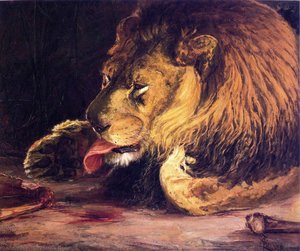
Artist Biography
A Life Illuminated: The Journey of Henry Ossawa Tanner
Born in Pittsburgh, Pennsylvania, in 1859, Henry Ossawa Tanner emerged from a family deeply rooted in faith and activism. His father, Reverend Benjamin Tucker Tanner, was a prominent figure within the African Methodist Episcopal Church, while his mother, Sarah Elizabeth Tanner, carried with her the untold stories of escaping slavery via the Underground Railroad. This heritage instilled in young Henry a profound sense of identity and purpose that would permeate his artistic vision. From an early age, he displayed a keen interest in art, nurtured by observations of local painters and encouraged despite the societal barriers facing African American artists of the time. His family’s relocation to Philadelphia proved pivotal, exposing him to a vibrant cultural landscape and setting the stage for formal training at the Pennsylvania Academy of the Fine Arts in 1879. There, under the tutelage of Thomas Eakins—a revolutionary figure advocating realism and anatomical study—Tanner honed his technical skills and developed an unwavering commitment to capturing truth on canvas. However, even within the academy’s walls, he encountered prejudice, a constant reminder of the challenges that lay ahead.Parisian Awakening: Finding Voice and Recognition
A turning point arrived in 1891 when Tanner embarked on a journey to Paris, initially intending it as a stepping stone towards further study in Rome. Yet, the allure of the French capital proved irresistible. He enrolled at the Académie Julian, immersing himself in the city’s thriving artistic community and absorbing the influences of French academic art and burgeoning Impressionism. It was in Paris that Tanner truly found his voice, liberated from some of the constraints imposed by racial prejudice back home. His work began to resonate with European audiences, marked by a distinctive realism infused with spiritual depth. The acceptance of Daniel in the Lions’ Den into the prestigious 1896 Salon was a watershed moment—a resounding affirmation of his talent and a breakthrough for an African American artist on the international stage. This success opened doors to further exhibitions and commissions, establishing Tanner as a respected figure within Parisian artistic circles. He wasn't merely surviving; he was thriving, challenging expectations and paving the way for future generations.Themes of Faith and Humanity: A Unique Artistic Vision
Tanner’s oeuvre is characterized by a compelling interplay between realism, religious symbolism, and intimate portrayals of human experience. While early works like The Banjo Lesson (1893) offered dignified representations of African American life—a stark contrast to the prevailing caricatures of the era—he increasingly turned towards biblical narratives as a means of exploring universal themes of faith, suffering, and redemption. Paintings such as Christ Walking on the Water, The Resurrection of Lazarus, and The Good Shepherd are not merely depictions of scripture; they are profound meditations on spirituality, rendered with masterful control of light, composition, and emotional nuance. He often imbued his religious scenes with a sense of quiet contemplation, portraying Christ as a deeply human figure rather than an aloof deity. This approach resonated with audiences seeking solace and meaning in a rapidly changing world. Beyond biblical subjects, Tanner also explored landscapes and panoramic views—like the sweeping The Panoramic View of the Palace and Gardens of Versailles—demonstrating his versatility and technical prowess.Legacy and Lasting Impact: Breaking Barriers and Inspiring Generations
Henry Ossawa Tanner stands as a monumental figure in American art history, not only for his artistic achievements but also for his pioneering role in breaking down racial barriers. He was the first African American painter to gain widespread international recognition, challenging stereotypes and opening doors for countless artists who followed in his footsteps. His success defied expectations and demonstrated that talent knows no color. Tanner’s influence extends beyond the realm of art; he became a symbol of hope and resilience for the African American community, proving that excellence could triumph over adversity. In 1923, he was honored as a chevalier of the Legion of Honor by the French government, and in 1927, he achieved full membership in the National Academy of Design—further testaments to his artistic stature. Though he remained an expatriate for much of his career, Tanner never forgot his roots, continuing to advocate for equality and inspire change through his art. He passed away in Paris in 1937, leaving behind a legacy that continues to illuminate and empower artists today. His work remains a powerful reminder of the transformative power of art and the enduring human spirit.Notable Works
- The Banjo Lesson (1893): A poignant depiction of African American life, showcasing dignity and skill.
- Daniel in the Lions’ Den (1896): The painting that catapulted Tanner to international acclaim.
- Resurrection of Lazarus (1897): A masterful exploration of faith and redemption, celebrated for its dramatic lighting.
- The Annunciation (1898): A unique interpretation of the biblical scene, imbued with quiet contemplation.
- Christ Walking on the Water (c. 1910): A powerful and evocative depiction of a pivotal moment in Christian scripture.
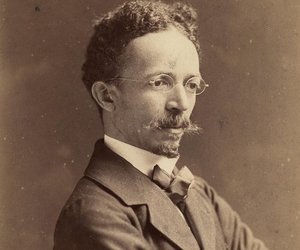
Henry Ossawa Tanner
1859 - 1937 , United States of America
Quick Facts
- Artistic Movement Or Style: Realism, Symbolism
- Artists Or Movements Influenced By This Artist: ['African-American artists']
- Artists Who Influenced This Artist: ['Thomas Eakins']
- Date Of Birth: June 21, 1859
- Date Of Death: May 25, 1937
- Full Name: Henry Ossawa Tanner
- Nationality: American
- Notable Artworks:
- The Banjo Lesson
- Daniel in the Lions' Den
- Christ Walking on Water
- The Resurrection of Lazarus
- Virgin and Child
- Place Of Birth (City And Country): Pittsburgh, USA
Related Articles

Henri Matisse's Masterpieces: Explore 25 Iconic Paintings & Art Decor Ideas
Journey through Henri Matisse's 25 most iconic paintings! Explore Fauvism, vibrant colors & the stories behind masterpieces like 'The Dance'. Find museum-quality art reproductions and curated decor ideas to elevate your space. Discover all masterpieces on ArtsDot.com.
Henry Ossawa Tanner: Pioneering African American Representation in 19th-Century Art
Explore the life and groundbreaking work of Henry Ossawa Tanner, a pioneering African American artist who achieved international acclaim with his deeply spiritual and realistic paintings. Discover his legacy at ArtsDot.
Fauvism's Boldest Visions: 10 Masterpieces That Revolutionized Modern Art | ArtsDot
Explore 10 Fauvist masterpieces by Matisse, Derain & Vlaminck that ignited Modern Art! Discover bold colors, expressionist landscapes & the history of this revolutionary movement. Find museum-quality prints at ArtsDot.com.

Harmonizing Contrasts: Integrating Abstract Art into Classic Interiors for Timeless Modernity
Elevate your classic home with abstract art! Discover expert tips for seamlessly blending modern pieces into timeless interiors. Find the perfect artwork & design advice at ArtsDot.
Harmonizing History & Hue: A Guide to Matching Art Styles with Interior Architecture for Balanced Décor
Elevate your interior design with our expert guide to harmonizing art styles & architecture. Discover timeless pieces, color palettes, & custom artwork solutions for balanced, luxury spaces. Expert advice included!