 Preview
 Send
Send Share
Share
 Details

 Download
 Similars
 X-Ray
X-Ray Diaporama
 Stats
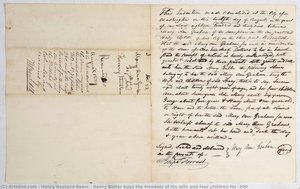
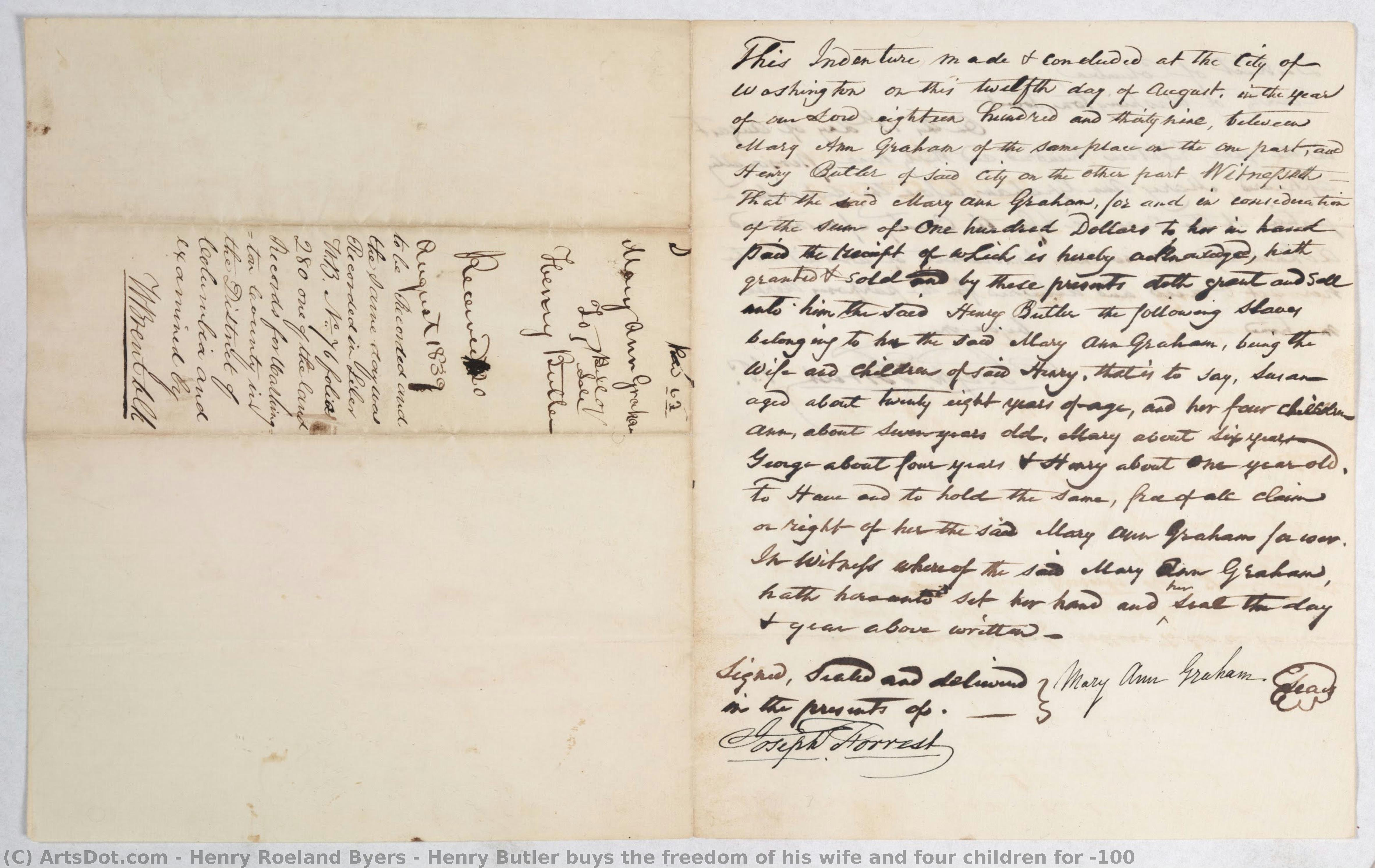
StatsHenry Butler buys the freedom of his wife and four children for $100


 Read More
Giclée / Art Print
Museum-quality giclée or canvas print with fast production and flexible finish options. ( Buy Hand Made Painting Switch to Digital Image)




































Pick from our preset sizes that match the artwork's original proportions.

You may enter your own dimensions to fit a specific frame or space. If your selected size does not match the original image's proportions, we will either crop the artwork or extend the image with a mirrored or solid-fill edge. A digital mockup will be sent for your approval before production begins.
Please note that the on-screen preview does not reflect the actual cropping or extension. Only the mockup will accurately show the final composition.
While custom sizes are available, we recommend selecting a dimension from the predefined list to preserve the original proportions.
Worldwide Delivery () in 2 weeks instead of standard 4/5 weeks. (10 September)

Free Worldwide Express Shipping

High-Quality Linen Canvas

Full Shipping Insurance

Customs Tax Refund Guarantee

True Color Matching Guarantee

100-Day Return Policy (Defects Only)

100% Money-Back Guarantee

Bulk Discount Offer
 Glass option is only available in size under 110 CM

Henry Butler buys the freedom of his wife and four children for $100
Giclée / Art Print
Reproduction Size
-


Total Price
$ 63
Related Artworks
Artist Biography
A Vision Beyond Sight: The Dual Legacy of Henry Roeland Byers
In the vibrant, rhythmic heart of New Orleans, a city where sound often takes precedence over sight, Henry Roeland Byers—known to much of the world as the legendary pianist Henry Butler—carved out a legacy that defied the physical boundaries of his existence. Born in New orleans between 1948 and 1949, Byers faced the profound challenge of losing his sight during childhood due to glaucoma. Yet, where many would see an end to perception, Byers found a new way to witness the world. He did not merely listen to the music of his heritage; he saw it through a lens of rhythm, texture, and light, becoming a singular figure who bridged the gap between the auditory mastery of jazz and the visual storytelling of photography.
The foundations of his artistry were laid in the fertile soil of Louisiana's musical traditions. Byers was a descendant of a profound lineage of New Orleans piano masters, inheriting the spirits of Professor Longhair, James Booker, Tuts Washington, and Jelly Roll Morton. This ancestral connection provided him with more than just technique; it gifted him a rhythmic vocabulary that was deeply rooted in the Afro-Caribbean traditions of rumba, calypso, and the "Spanish tinge." His musical identity was defined by his revolutionary concept of "jumping time," a technique where he would abandon conventional structural patterns to spontaneously drop or add beats. This fluid approach to tempo allowed him to manipulate the very pulse of a performance, creating an unpredictable, hypnotic energy that captivated audiences and critics alike.
The Rhythms of Light and Sound
While his piano playing earned him international acclaim on prestigious labels such as Impulse!, Black Top Records, Atlantic Records, and MCA Records, Byers’ artistic soul was equally expressed through the camera. His photography served as a visual extension of his musical improvisation. Just as he navigated the complexities of jazz piano without sight, he approached photography with an extraordinary sensitivity to composition and essence. He possessed a rare ability to capture the soul of New Orleans—the grit, the grace, and the movement of its streets—translating the "feeling" of a musical note into a frozen moment of visual brilliance.
His career was marked by significant milestones that cemented his place in American cultural history:
- Musical Innovation: The development and mastery of the "jumping time" technique, which redefined the boundaries of jazz improvisation.
- Cultural Representation: His notable appearance in the acclaimed HBO series Treme, which brought the authentic sounds of New Orleans jazz to a global television audience.
- Interdisciplinary Artistry: The seamless integration of his musical sensibilities into his photographic work, creating a holistic artistic vision.
- Recording Legacy: A prolific discography that showcased the fusion of rumba, calypso, and traditional jazz.
Byers’ significance extends far beyond the notes he played or the images he captured; he remains a symbol of resilience and the expansion of human perception. He proved that art is not limited by what the eyes can see, but rather by how deeply the spirit can feel. Through his work, the rhythmic complexities of South Rampart Street and the soulful improvisations of the jazz tradition were preserved, offering a window into a world where rhythm and vision are one and the same.

henry roeland byers
1948 - 2018 , United States of America
Quick Facts
- Artistic Movement Or Style: Jazz; Rumba; Calypso; Jumping time
- Artists Or Movements Influenced By This Artist: ['Jazz']
- Artists Who Influenced This Artist:
- Jelly Roll Morton
- Allen Toussaint
- Dr. John
- Kid Stormy Weather
- Archibald (Leon T. Gross)
- Date Of Birth: New Orleans, United States
- Date Of Death: 2018
- Full Name: Henry Roeland Byers (aka Henry Butler)
- Nationality: American
- Notable Artworks: ['Henry Butler buys the freedom of his wife and four children for $100']
- Place Of Birth: Louisiana
Related Articles
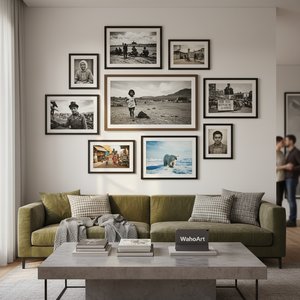
Documentary Photography's Defining Moments: 10 Masterpieces for Your Home |
Explore 10 defining documentary photography masterpieces – from Dorothea Lange to Robert Capa. Discover powerful stories, iconic images & timeless art for your home. Museum-quality prints at .
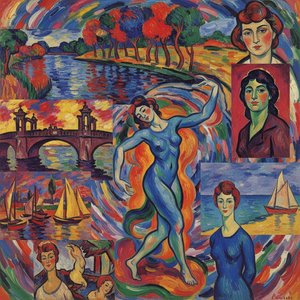
Fauvism's Boldest Visions: 10 Masterpieces That Revolutionized Modern Art | ArtsDot
Explore 10 Fauvist masterpieces by Matisse, Derain & Vlaminck that ignited Modern Art! Discover bold colors, expressionist landscapes & the history of this revolutionary movement. Find museum-quality prints at ArtsDot.com.
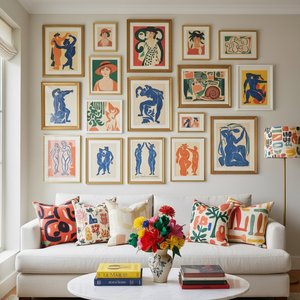
Henri Matisse's Masterpieces: Explore 25 Iconic Paintings & Art Decor Ideas
Journey through Henri Matisse's 25 most iconic paintings! Explore Fauvism, vibrant colors & the stories behind masterpieces like 'The Dance'. Find museum-quality art reproductions and curated decor ideas to elevate your space. Discover all masterpieces on ArtsDot.com.
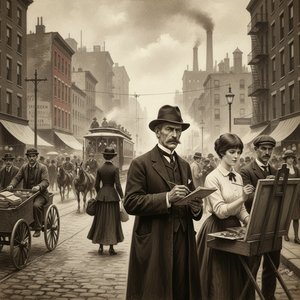
Robert Henri & the Spirit of American Realism: A Legacy of Urban Life and Artistic Independence
Explore the life & legacy of Robert Henri, a pivotal figure in American Realism. Discover his captivating portraits, influence on the Ashcan School, and enduring impact on art history. Learn more at ArtsDot.
Aaron Siskind: Deconstructing Reality – A Photographic Exploration of Texture, Form & the Abstract Landscape
Explore the transformative journey of Aaron Siskind, from social realism to pioneering abstract photography. Discover his iconic series & lasting influence on modern art. A guide for collectors.