 Preview
 Send
Send Share
Share
 Details

 Download
 Similars
 X-Ray
X-Ray Diaporama
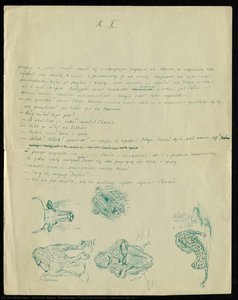
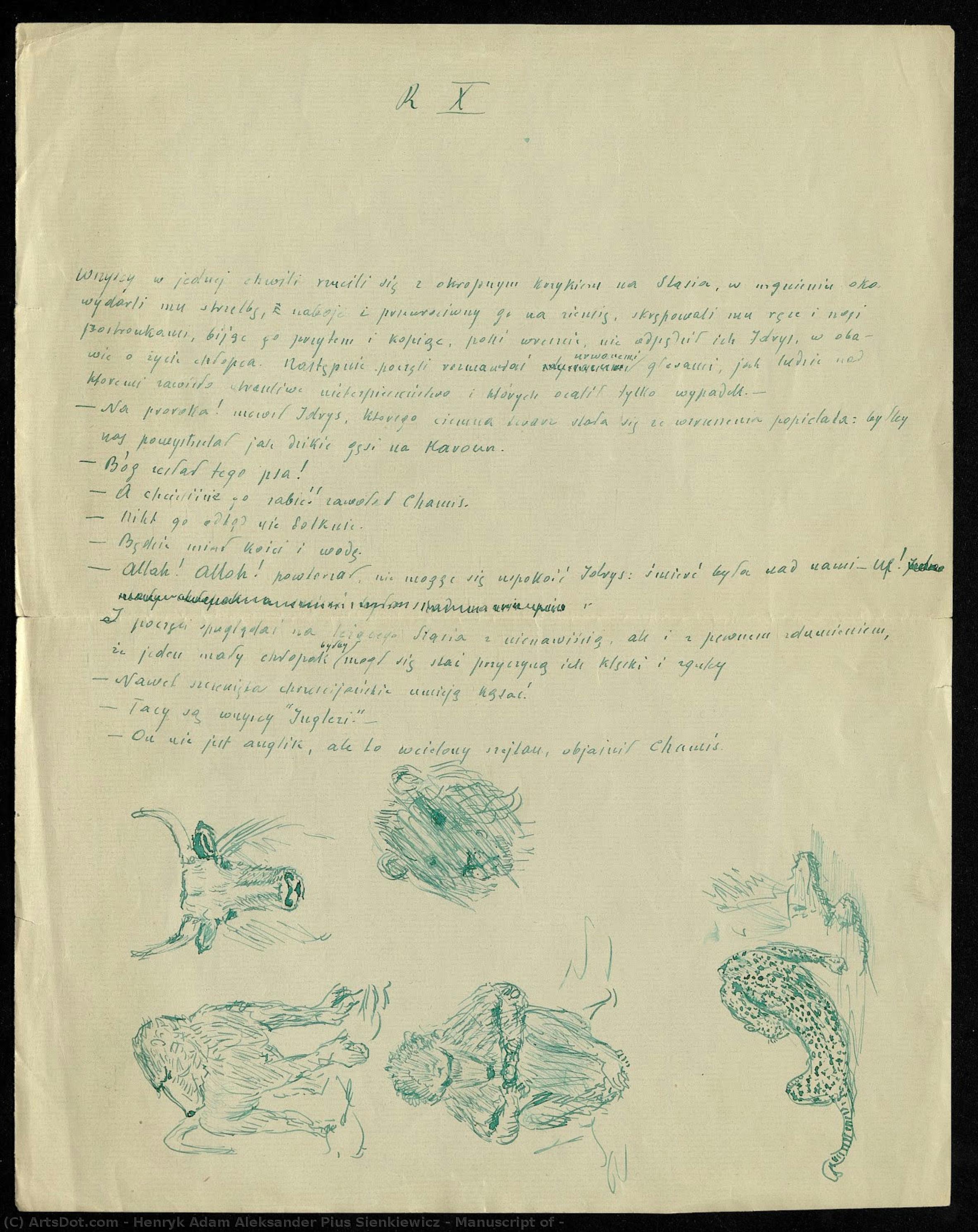
Manuscript of


 Read More
Giclée / Art Print
Museum-quality giclée or canvas print with fast production and flexible finish options. ( Buy Hand Made Painting Buy Image)




































Pick from our preset sizes that match the artwork's original proportions.

You may enter your own dimensions to fit a specific frame or space. If your selected size does not match the original image's proportions, we will either crop the artwork or extend the image with a mirrored or solid-fill edge. A digital mockup will be sent for your approval before production begins.
Please note that the on-screen preview does not reflect the actual cropping or extension. Only the mockup will accurately show the final composition.
While custom sizes are available, we recommend selecting a dimension from the predefined list to preserve the original proportions.
Worldwide Delivery () in 2 weeks instead of standard 4/5 weeks. (25 August)

Free Worldwide Express Shipping

High-Quality Linen Canvas

Full Shipping Insurance

Customs Tax Refund Guarantee

True Color Matching Guarantee

60-Day Return Policy (Defects Only)

100% Money-Back Guarantee

Bulk Discount Offer
 Glass option is only available in size under 110 CM

Manuscript of
Giclée / Art Print
Reproduction Size
-


Total Price
$ 63
Collectible Description
Related Artworks
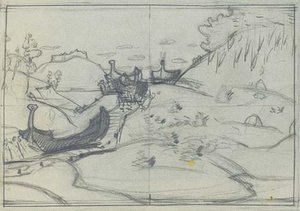
Artist Biography
Henryk Sienkiewicz: A Life Dedicated to Polish Epic Literature
Early Life and Education
- Born on May 5, 1846, in Wola Okrzejska, Congress Poland (then part of the Russian Empire), Henryk Adam Aleksander Pius Sienkiewicz came from a family of impoverished Polish nobility.
- His early life was marked by frequent moves as his family sought stability. He received his primary education in Warsaw, showing particular aptitude for humanities like Polish language and history.
- Financial hardship led him to work as a tutor while pursuing extramural studies at the Imperial University of Warsaw, initially attempting medicine and law before settling on Philology and History.
Early Career and Literary Beginnings
- Sienkiewicz began his literary career in the late 1860s, contributing journalistic pieces and short stories to various publications.
- A trip to the United States in the late 1870s proved formative, providing material for popular travel essays that resonated with Polish readers.
- He gradually transitioned towards novel writing in the 1880s, serializing works that steadily increased his readership and established him as a rising literary figure.
The Rise to Fame: The Trilogy and *Quo Vadis*
- Sienkiewicz achieved widespread acclaim with his historical trilogy – With Fire and Sword (Ogniem i Mieczem), The Deluge (Potop), and Sir Michael (Pan Wołodyjowski). These novels vividly depicted the 17th-century Polish-Lithuanian Commonwealth, capturing its grandeur and struggles.
- However, it was his novel Quo Vadis (1896), set in ancient Rome during the reign of Nero, that catapulted him to international stardom. The book became a global bestseller, translated into numerous languages.
Literary Style and Influences
- Sienkiewicz’s writing is characterized by detailed historical research, vivid characterizations, and dramatic storytelling. He masterfully blended realism with romantic elements.
- He drew inspiration from the works of Walter Scott and Alexandre Dumas, known for their own historical romances.
- His strong Polish patriotism profoundly influenced his work, particularly in the Trilogy, where he aimed to revive national pride and celebrate Poland’s past.
Nobel Prize and Legacy
- In 1905, Sienkiewicz was awarded the Nobel Prize in Literature “for his outstanding merits as an epic writer.”
- His novels continue to be widely read and studied today. They have been adapted into numerous films and television series, most notably the Hollywood adaptation of *Quo Vadis* (1951).
- Sienkiewicz remains a national hero in Poland, celebrated for his contribution to Polish literature and culture. His works played a significant role in shaping national identity during a period of political upheaval.
Historical Significance
- Sienkiewicz’s work provided a powerful sense of cultural continuity and national pride for Poles living under foreign rule, particularly during the partitions of Poland.
- His novels offered a romanticized yet compelling vision of Polish history, inspiring generations of readers.
- He is considered one of the most important figures in Polish literature, leaving an enduring legacy that continues to resonate today.
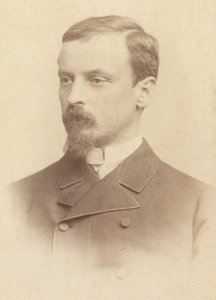
henryk adam aleksander pius sienkiewicz
1846 - 1916 , Poland
Quick Facts
- Birth Date: 1846-05-05
- Birth Place: Wola Okrzejska, Poland
- Death Date: 1916-11-15
- Movement: Literary Realism
- Name: Henryk Adam Aleksander Pius Sienkiewicz
- Nationality: Polish
- Notable Works:
- Quo Vadis
- With Fire and Sword
- The Deluge
- Sir Michael
Related Articles
The Eloquent Line: Exploring the Artistic Significance of Sketches Across Movements and Media
Explore the profound artistic significance of sketches throughout history. From Renaissance masters to modern innovators like Van Gogh & Guston, discover how these foundational works reveal technique, emotion, and vision. Learn more at ArtsDot.
Stanisław Wyspiański: Symbolism, National Identity & the Polish Secession
Explore the life & work of Stanisław Wyspiański, a pivotal figure in Polish Symbolism and the Young Poland movement. Discover his iconic paintings, dramas, and stained glass designs reflecting national identity & artistic innovation.
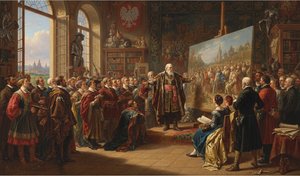
Jan Matejko: Historical Narrative & National Identity in 19th-Century Polish Painting
Explore the powerful historical paintings of Jan Matejko, Poland's national artist. Discover his iconic works & learn how he shaped Polish identity in the 19th century. High-quality reproductions available.
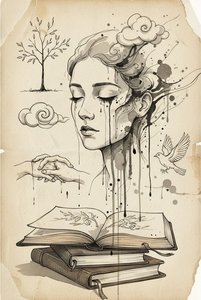
Ephemeral Lines: Exploring Emotional Resonance in Ink Sketching Traditions
Explore the profound art of ink sketching! Discover techniques to express emotion, master line work, and cultivate artistic sensitivity. Learn from historical masters & unlock your creative potential.
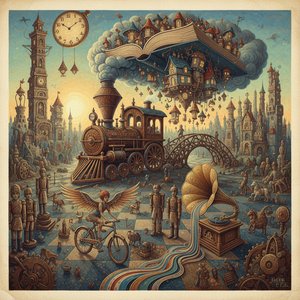
Jacek Yerka: Surreal Visions & Nostalgia in Contemporary Polish Painting
Explore the captivating surreal worlds of Jacek Yerka, a leading Polish painter renowned for his meticulous Flemish technique & dreamlike landscapes. Discover his unique style and learn about collecting this exceptional artist's work.