 Preview
 Send
Send Share
Share
 Details

 Download
 Similars
 X-Ray
X-Ray Diaporama
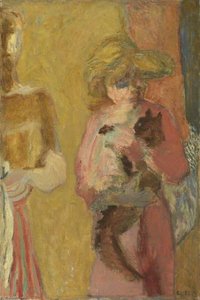
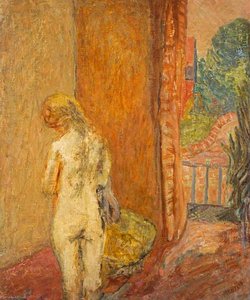
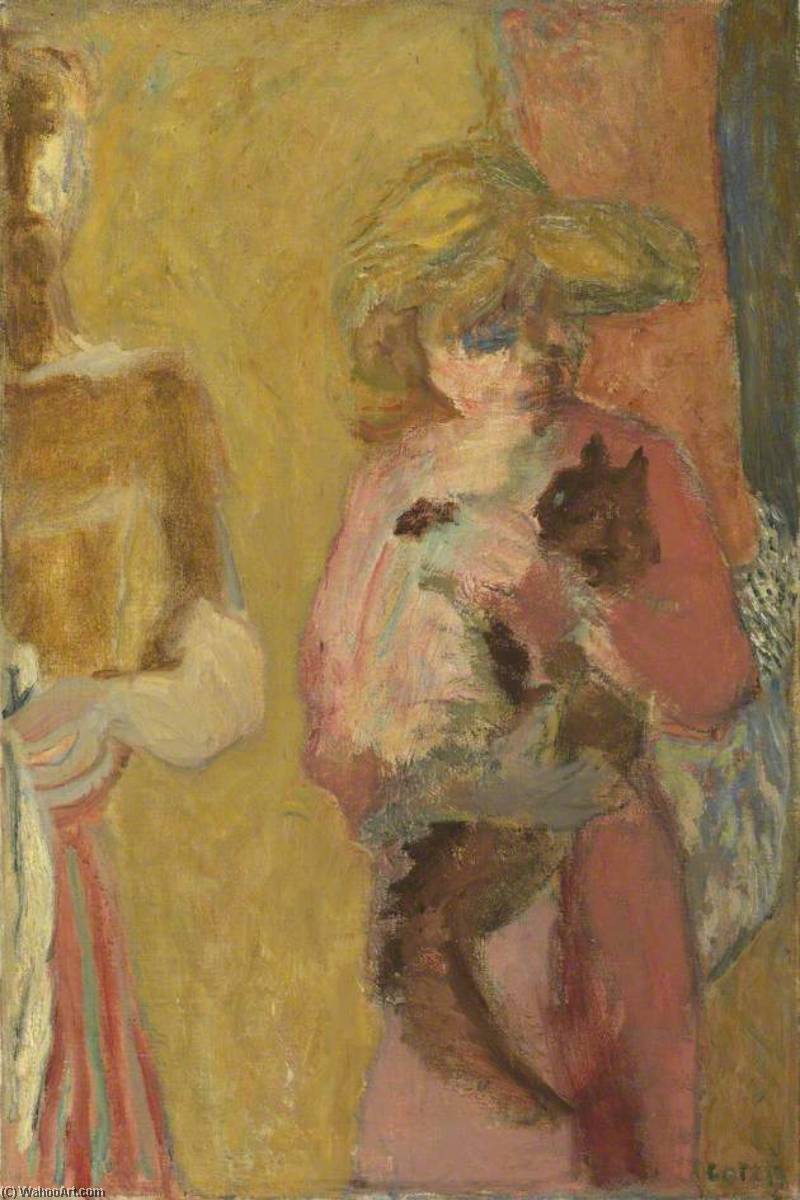
Morning at Home
 Oil On Canvas
- WallArt
- Formism
 1943
1943- Modern
 76.0 x 51.0 cm
 Courtauld Gallery
 Read More
Hand Made Oil Reproduction
Hand-painted oil on canvas in your size and frame, made to order by our artists. ( Buy Print Buy Image)




P118B $10

P118H $10

P118W $10

P438Z $10

P508JH $12

P508YH $12

P805H $10

P805Z $10

P919BZ $10

P919G $10

P919XJ $10

P959ZH $10

P968JZ $12

W106C $8

W218G $10

W218JH $8

W218Y $10

W307PJ $10

W316G $10

W316PJ $8

W316Y $10

W398PJ $8

W4111J $10

W500HY $15

W500JH $15

W692G $12

W849H $8

W940BG $15

W953PJ $8




Pick from our preset sizes that match the artwork's original proportions.

You may enter your own dimensions to fit a specific frame or space. If your selected size does not match the original image's proportions, we will either crop the artwork or extend the painting with additional hand-painted elements. A digital mockup will be sent for your approval before production begins.
Please note that the on-screen preview does not reflect the actual cropping or extension. Only the mockup will accurately show the final composition.
While custom sizes are available, we recommend selecting a dimension from the predefined list to preserve the original proportions.
After order, ArtsDot.com team will email client for instructions and provide a mockup preview
Worldwide Delivery () in 3/4 weeks instead of standard 5 weeks. (18 August). No compromise on quality.

Free Worldwide Express Shipping

High-Quality Linen Canvas

Full Shipping Insurance

Customs Tax Refund Guarantee

True Color Matching Guarantee

60-Day Return Policy (Defects Only)

100% Money-Back Guarantee

Bulk Discount Offer
 Glass option is only available in size under 110 CM

Morning at Home
Reproduction Medium
Reproduction Size
-


Total Price
$ 263
Artwork Description
An Intimate Encounter: The Soul of Morning at Home
In the quietude of a domestic morning, Henryk Gotlib captures a moment that transcends the simple boundaries of time and space. Morning at Home is not merely a depiction of two women and their feline companions; it is an evocative exploration of companionship and the profound serenity found within the private sphere. The painting invites the viewer into a sanctuary of warmth, where the soft light of dawn seems to settle upon the figures, highlighting a tender connection between humans and animals. As one gazes upon this 1943 masterpiece, there is an immediate sense of being a silent witness to a shared, peaceful ritual, making it an ideal centerpiece for any collection seeking to evoke comfort and emotional depth.
The composition is masterfully orchestrated to foster a sense of intimacy. By focusing on the gentle interaction between the women and the cats they cradle, Gotlib utilizes a scale of 76 x 51 cm to create a window into a private world. The way the figures are positioned suggests a rhythmic harmony, a visual lullaby that speaks to the stability of home life even amidst the historical complexities of the mid-20th century. For the interior designer, this piece offers a sophisticated way to anchor a room, providing a focal point that radiates tranquility and a timeless, lived-in elegance.
Mastery of Form and Expressionist Light
Technically, Morning at Home serves as a brilliant testament to Gotlib’s unique position within the Formist movement. His approach is a sophisticated synthesis of disparate influences; one can detect the dramatic chiaroscuro reminiscent of Rembrandt, used here not to create shadows of dread, but to sculpt the soft contours of the subjects with a luminous, tactile quality. The use of oil on canvas allows for a rich, layered depth, where delicate brushstrokes meet bold color applications to breathe life into the fabric of the scene.
The artist’s ability to balance the geometric explorations of late Cubism with the emotive power of Expressionism is what gives this work its enduring vitality. There is a structural strength in the way the figures are rendered, yet they never feel rigid; instead, they possess an organic fluidity that mirrors the grace of the cats themselves. This interplay of form and feeling ensures that the painting remains visually stimulating from every angle, offering a complex aesthetic experience that rewards prolonged contemplation. For collectors, owning a high-quality reproduction of such a work means bringing home a piece of art history that celebrates the delicate balance between structural precision and emotional warmth.
A Legacy of Connection and Comfort
Beyond its technical brilliance, the painting carries a profound symbolic weight. The bond between the women and their cats serves as a universal metaphor for the nurturing aspects of the human spirit. In an era often defined by movement and change, Gotlib’s work celebrates the stationary, the domestic, and the loyal. This theme of companionship resonates deeply with contemporary audiences, making the artwork a powerful addition to spaces designed for relaxation, such as libraries, bedrooms, or quiet sitting rooms.
As a pioneer who bridged the gap between Polish avant-garde traditions and British modernism, Henryk Gotlib left behind a legacy of works that are both intellectually stimulating and deeply accessible. Morning at Home stands as a jewel in his oeuvre, a painting that does not demand attention through spectacle, but earns it through its quiet, persistent beauty. Whether you are an art historian tracing the evolution of Formism or a decorator seeking to infuse a modern interior with a sense of historical soul, this piece offers an unparalleled opportunity to embrace the warmth of a masterpiece.
Related Artworks

Artist Biography
The Soul of Formism: The Life and Legacy of Henryk Gotlib
In the vibrant, turbulent tapestry of early 20th-century modernism, few artists bridged the gap between Eastern European avant-garde fervor and British pastoral serenity as gracefully as Henryk Gotlib. Born on January 10th, 1890, in the culturally rich atmosphere of Kraków, Gotlib was a man of dual intellectual pursuits. While his parents nudged him toward the rigorous study of law at the university in Kraków, his heart remained tethered to the canvas. This early tension between structure and expression would later define his artistic identity, as he sought to impose a disciplined form upon the raw, emotional energy of Expressionism.
Gotlib’s formative years were marked by an extraordinary odyssey through Europe’s most prestigious art academies. His training at the Academy of Fine Arts in Kraków provided a foundational mastery, but it was his subsequent journeys to the Kunstgewerbeschule in Vienna and the Munich Academy of a Fine Art that truly ignited his creative spirit. Under the guidance of masters like Angelo Jank, Gotlib absorbed the psychological depth of German Expressionism and the stark, dramatic realism of artists such as Max Beckmann and Ernst Ludwig Kirchner. These influences coalesced into his role as a pioneer of Formism, an avant-garde movement in interwar Poland that sought to synthesize the geometric innovations of Cubism with the emotive power of light and shadow.
A Synthesis of Light and Emotion
The technical brilliance of Gotlib’s work lies in his ability to marry disparate traditions into a singular, evocative language. He was deeply enamored with the chiaroscuro of Rembrandt, utilizing dramatic contrasts between light and dark not merely for theatrical effect, but to sculpt figures and imbue them with a tactile, breathing quality. His brushwork often featured a thick, vigorous impasto, where layers of oil paint created textured surfaces that invited the viewer to feel the weight of the moment. Whether he was exploring the delicate, intimate nuances reminiscent of Vuillard or the more structured explorations of late Cubism, Gotlib’s work always prioritized the emotional essence of his subjects.
His repertoire was remarkably diverse, spanning from the deeply personal to the broadly landscape-oriented:
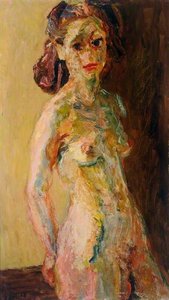
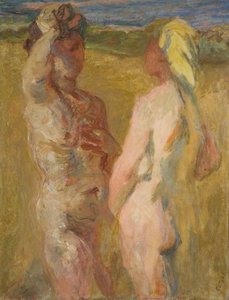
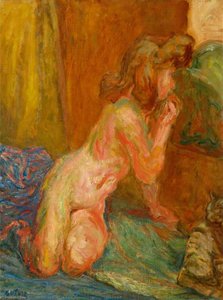
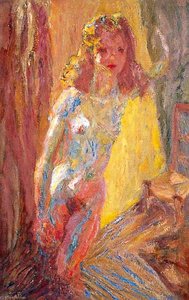
- Portraiture and Nudes: In works such as Fireside Nude (1940), Gotlib utilized vibrant colors and loose brushstrokes to capture the sensual beauty and psychological vulnerability of the human form.
- Domestic Intimacy: Masterpieces like Morning at Home (1943) showcase his ability to transform a quiet domestic scene—two women and their cats—into a profound exploration of companionship and sanctuary amidst the historical chaos of World War II.
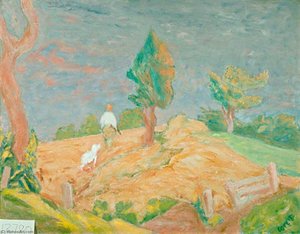
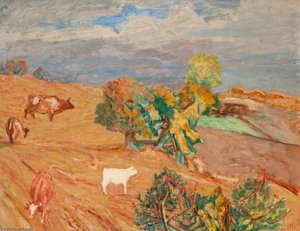
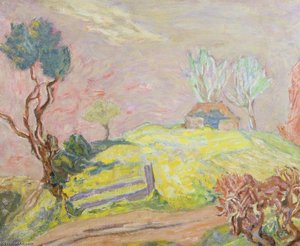
- The English Landscape: After settling in England during the war, his palette shifted to reflect his new surroundings. Works like Hillside in Kent and Surrey Landscape (1947) reveal a more tranquil, Post-Impressionist side, characterized by pastel hues and a serene, atmospheric depth.
Historical Significance and Enduring Resonance
The historical trajectory of Henryk Gotlib is a testament to the resilience of the artistic spirit. As a leading figure in the Polish avant-garde, he helped define a national aesthetic during a period of intense political transformation. His move to England during World War II allowed him to contribute significantly to the evolution of modern British art, bringing with him the sophisticated, heavy-textured sensibilities of the European continent. He was not merely a painter of scenes, but a chronicler of transitions—moving from the intellectual rigor of law to the fluid freedom of paint, and from the historical weight of Poland to the quiet landscapes of the English countryside.
Today, Gotlib is remembered as an artist who refused to be confined by a single movement. His legacy resides in that rare intersection where Formism meets Expressionism, creating a body of work that remains as psychologically arresting as it is visually sumptuous. Through his mastery of light and his unwavering commitment to the emotional truth of his subjects, Gotlib ensured that his vision would endure long after the era of the avant-garde had passed.
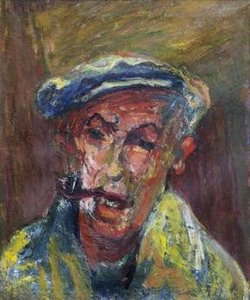
Henryk Gotlib
1890 - 1966
Quick Facts
- Artistic Movement Or Style: Formism & Expressionism
- Artists Or Movements Influenced By This Artist: ['European Expressionism']
- Artists Who Influenced This Artist:
- Rembrandt
- Max Beckmann
- Egon Schiele
- Date Of Birth: 10 January 1890
- Date Of Death: 30 December 1966
- Full Name: Henryk Gotlib
- Nationality: Polish
- Notable Artworks:
- Surrey Landscape
- Morning at Home
- Fireside Nude
- Place Of Birth: Kraków, Poland
Related Articles

The Enduring Legacy of Oil on Canvas: Technique, History & Aesthetic Impact
Explore the rich history & techniques of oil painting – from Renaissance masters to Impressionism. Discover pigments, layering methods, and why this timeless medium endures. Expert insights for artists & art enthusiasts.

Oil on Canvas: A Historical & Technical Exploration of a Timeless Artistic Medium
Explore the rich history & enduring techniques of oil painting on canvas. Discover the science behind its longevity, conservation practices, and contemporary relevance. Expert insights for art enthusiasts.

The Enduring Power of Painting: A Historical & Contemporary Exploration of Form and Emotion
Explore the rich history & enduring techniques of oil painting with ArtsDot. Discover masterpieces, learn about art collecting, and find authentic handmade reproductions crafted by skilled artists.
The Enduring Muse: Women as Subject & Symbol in Art History
Explore the rich history of women in art – from iconic muses to groundbreaking artists. Discover feminist movements, global perspectives & reclaim female narratives with ArtsDot.

The Enduring Legacy of Oil on Canvas: Technique, History & Contemporary Practice
Explore the rich history & enduring techniques of oil painting on canvas. Discover the science behind its longevity, conservation practices, and contemporary relevance. Expert insights for art enthusiasts.