 Preview
 Send
Send Share
Share
 Details

 Download
 Similars
 X-Ray
X-Ray Diaporama
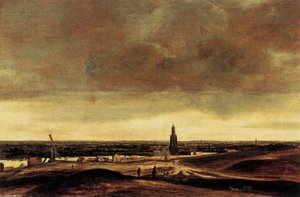
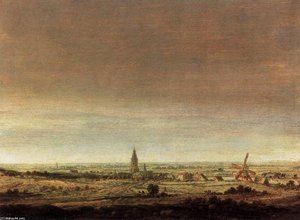
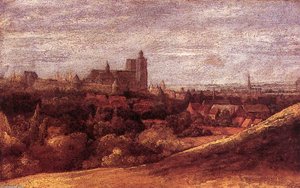
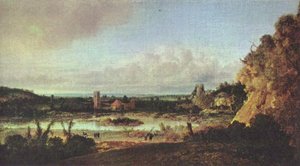
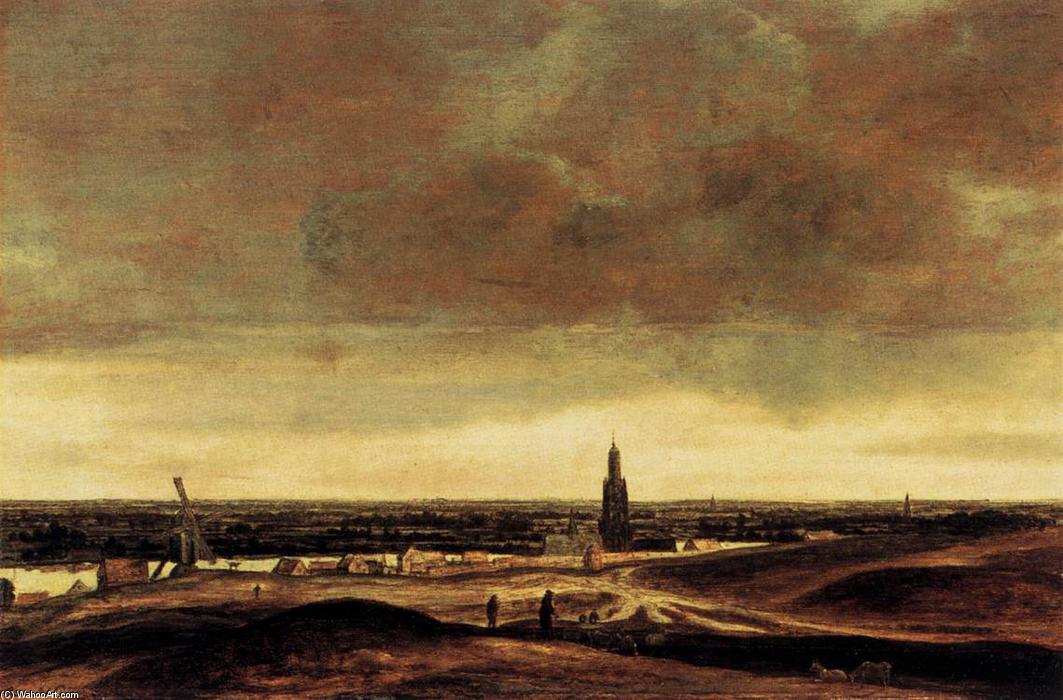
View of Rhenen
 Oil On Canvas
- WallArt
- Baroque
 1625
1625 43.0 x 67.0 cm
 Staatliche Museen
 Read More
Hand Made Oil Reproduction
Hand-painted oil on canvas in your size and frame, made to order by our artists. ( Buy Print Buy Image)




P118B $10

P118H $10

P118W $10

P438Z $10

P508JH $12

P508YH $12

P805H $10

P805Z $10

P919BZ $10

P919G $10

P919XJ $10

P959ZH $10

P968JZ $12

W106C $8

W218G $10

W218JH $8

W218Y $10

W307PJ $10

W316G $10

W316PJ $8

W316Y $10

W398PJ $8

W4111J $10

W500HY $15

W500JH $15

W692G $12

W849H $8

W940BG $15

W953PJ $8




Pick from our preset sizes that match the artwork's original proportions.

You may enter your own dimensions to fit a specific frame or space. If your selected size does not match the original image's proportions, we will either crop the artwork or extend the painting with additional hand-painted elements. A digital mockup will be sent for your approval before production begins.
Please note that the on-screen preview does not reflect the actual cropping or extension. Only the mockup will accurately show the final composition.
While custom sizes are available, we recommend selecting a dimension from the predefined list to preserve the original proportions.
After order, ArtsDot.com team will email client for instructions and provide a mockup preview
Worldwide Delivery () in 3/4 weeks instead of standard 5 weeks. (17 August). No compromise on quality.

Free Worldwide Express Shipping

High-Quality Linen Canvas

Full Shipping Insurance

Customs Tax Refund Guarantee

True Color Matching Guarantee

60-Day Return Policy (Defects Only)

100% Money-Back Guarantee

Bulk Discount Offer
 Glass option is only available in size under 110 CM

View of Rhenen
Reproduction Medium
Reproduction Size
-


Total Price
$ 263
Artwork Description
A Tranquil Vision of Haarlem: Hercules Seghers’ View of Rhenen
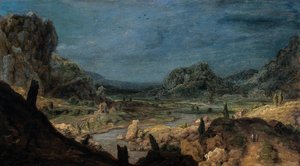
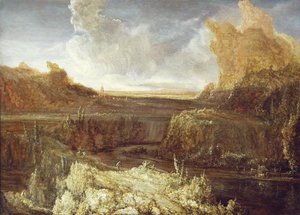
The painting “View of Rhenen,” executed by Hercules Seghers in 1625, stands as a quintessential example of Dutch Golden Age landscape art—a genre that captured not merely visual beauty but also the spirit of its time. More than just depicting a picturesque townscape, this artwork embodies a profound contemplation on harmony between humanity and nature, reflecting the humanist ideals prevalent during the era’s artistic zenith.Composition and Technique: Pioneering Printmaking Innovation
Seghers' masterful technique distinguishes him from many contemporaries. He employed etching—a revolutionary process at the time—to create multiple impressions from a single plate, allowing for unprecedented dissemination of his vision. This innovative approach wasn’t merely about quantity; it was fundamentally transformative in how artists approached image reproduction and artistic expression. The composition itself is striking: Seghers eschews the typical aerial perspective favored by Flemish masters, opting instead for a dramatic horizontal vista that emphasizes the earthbound realm. Foreground elements—a church spire and several buildings—are juxtaposed against a towering mountain range dominated by swirling clouds, creating a dynamic interplay of light and shadow. The inclusion of a boat traversing the Rhenen river adds visual interest and reinforces the painting’s sense of movement within a serene setting.Historical Context: Reflecting Renaissance Ideals
Created during the Dutch Golden Age (roughly 1600-1700), “View of Rhenen” speaks to the broader cultural currents shaping European art. The humanist revival—fueled by rediscovery of classical texts and philosophies—influenced artists’ preoccupation with human experience and observation. Seghers' depiction of a bustling town alongside majestic mountains wasn’t simply aesthetically pleasing; it conveyed an underlying belief in the interconnectedness of all things – mirroring the Renaissance fascination with proportion, balance, and idealized beauty. The painting reflects the burgeoning interest in scientific exploration and understanding of the natural world, subtly hinting at the intellectual ferment of the period.Symbolism: Harmony and Spiritual Reflection
The towering mountains symbolize strength and permanence, contrasting with the earthly dwellings below—representing human vulnerability yet also aspiration for transcendence. The cloudy sky serves as a backdrop for contemplation, suggesting a spiritual dimension to the scene. Seghers’ deliberate use of color contributes to this symbolic resonance; muted hues dominate the palette, fostering an atmosphere of tranquility and solemn beauty. The church spire acts as a focal point, anchoring the composition and subtly referencing Christian faith—a cornerstone of Dutch society during Seghers' lifetime.Emotional Impact: A Legacy of Serenity
“View of Rhenen” continues to captivate viewers today with its palpable sense of peace and grandeur. Its masterful execution—particularly the innovative etching technique—demonstrates Seghers’ artistic genius, securing his place as one of the most influential landscape painters of the Baroque era. The painting invites contemplation on the sublime beauty of nature and prompts reflection on humanity's role within it – themes that resonate powerfully across centuries. It remains a testament to the enduring power of art to inspire awe and convey profound emotional truths.Related Artworks

Artist Biography
Hercules Seghers: A Life in Landscape and Print
- Born: Haarlem, Netherlands (c. 1590)
- Died: c. 1638
Early Life and Training
- Hercules Pieterszoon Seghers was born in Haarlem, the son of a Mennonite cloth merchant originally from Flanders.
- In 1596, his family moved to Amsterdam.
- He was apprenticed to Gillis van Coninxloo, a leading Flemish landscapist, but this apprenticeship was cut short by Coninxloo's death in 1606. Seghers and his father acquired several of Coninxloo’s works after the artist passed away.
- Following his father's death in 1612, he returned to Haarlem and joined the Haarlem Guild of St. Luke.
Artistic Development and Style
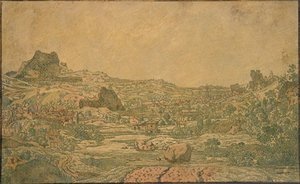
- Seghers is recognized as "the most inspired, experimental and original landscapist" of his period, particularly noted for his innovative printmaking techniques.
- His paintings often feature fantastic mountainous compositions with a wide horizontal view, emphasizing earth over sky.
- He experimented extensively with etching, using drypoint, aquatint (including the "sugar-bite" technique), and other methods to create unique textural effects.
- Seghers’s prints are characterized by their use of colored paper or cloth, colored inks, and hand-coloring, often resulting in miniature paintings.
- His style shows influence from earlier artists like Joos de Momper and Gillis van Coninxloo.
Major Achievements and Innovations
- Innovative Printmaking: Seghers’s most significant contribution lies in his experimental printmaking techniques, particularly the sugar-bite aquatint. This technique was later rediscovered in England.
- Unique Landscapes: His landscapes are characterized by their starkness, originality, and often otherworldly quality. He depicted rocky formations resembling alien terrain.
- Influence on Rembrandt: Rembrandt collected Seghers’s works and reworked elements from his paintings and etchings into his own compositions, demonstrating the significant impact of Seghers' style.
- Diverse Impressions: Unlike many printmakers of his time, Seghers produced multiple impressions of each plate, varying their color schemes and adding hand-coloring to create unique artworks.
Historical Significance
- Seghers’s work was highly regarded during his lifetime, though he faced financial difficulties later in life.
- Samuel van Hoogstraten's *Inleyding tot de hooge schoole der schilderkonst* romanticized Seghers as a misunderstood genius, contributing to his posthumous reputation.
- He is considered a pioneer of landscape printmaking and an important figure in the Dutch Golden Age, known for his experimental techniques and unique artistic vision.
- His influence can be seen in later artists who adopted his innovative printing methods and appreciated his distinctive style.
Hercules Seghers
1590 - 1638 , Netherlands
Quick Facts
- Artistic Movement Or Style: Dutch Golden Age
- Artists Or Movements Influenced By This Artist: ['Rembrandt']
- Artists Who Influenced This Artist:
- Gillis van Coninxloo
- Joos de Momper
- Date Of Birth: c. 1590
- Date Of Death: c. 1638
- Full Name: Hercules Pieterszoon Seghers
- Nationality: Dutch
- Notable Artworks:
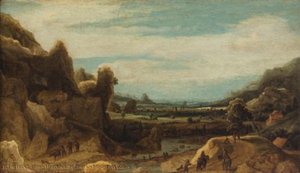
- Mountainous Landscape
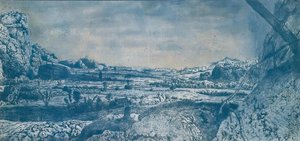
- Mountain Valley with Fenced Fields
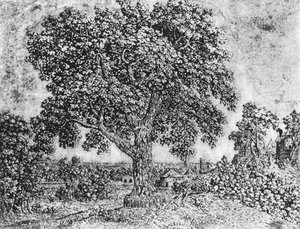
- The Great Tree
- Place Of Birth: Haarlem, Netherlands
Related Articles

Golden Age Reflections: Dutch Baroque Painting & Cultural Innovation
Explore the Dutch Golden Age of painting! Discover key artists like Vermeer & ter Borch, their innovative techniques, and the rich cultural context behind these Baroque masterpieces. Learn about collecting & appreciating this iconic art period.

Dutch Masters: 10 Golden Age Paintings That Still Inspire |
Journey into the Dutch Golden Age! Explore 10 iconic paintings by Rembrandt, Vermeer & Hals. Discover the stories behind these Baroque masterpieces and find museum-quality art reproductions to elevate your home decor on .
Golden Light & Dutch Skies: Bringing the Magic of Dutch Golden Age Landscapes into Your Home
Transform your home with the breathtaking light of Dutch Golden Age landscapes. Discover how hand-painted oil reproductions of masterworks like Ruisdael and Vermeer bring timeless elegance, atmosphere, and soulful texture to modern interiors. Elevate your space with museum-quality art.
Nicolaes Berchem: Dutch Golden Age Pastoralism & the Evolution of Landscape Painting
Explore the captivating world of Nicolaes Berchem, a leading Dutch Golden Age painter. Discover his idyllic landscapes, masterful technique & lasting influence on art history. Learn more at ArtsDot.
Charles Leickert: Capturing the Dutch Golden Age Light – A Comprehensive Study of Technique, Context, and Legacy
Explore the captivating winter landscapes of Charles Leickert, a master of Dutch Golden Age light & atmosphere. Discover his techniques, symbolism, and lasting legacy – a comprehensive study for art enthusiasts and collectors.