 Preview
 Send
Send Share
Share
 Details

 Download
 Similars
 X-Ray
X-Ray Diaporama
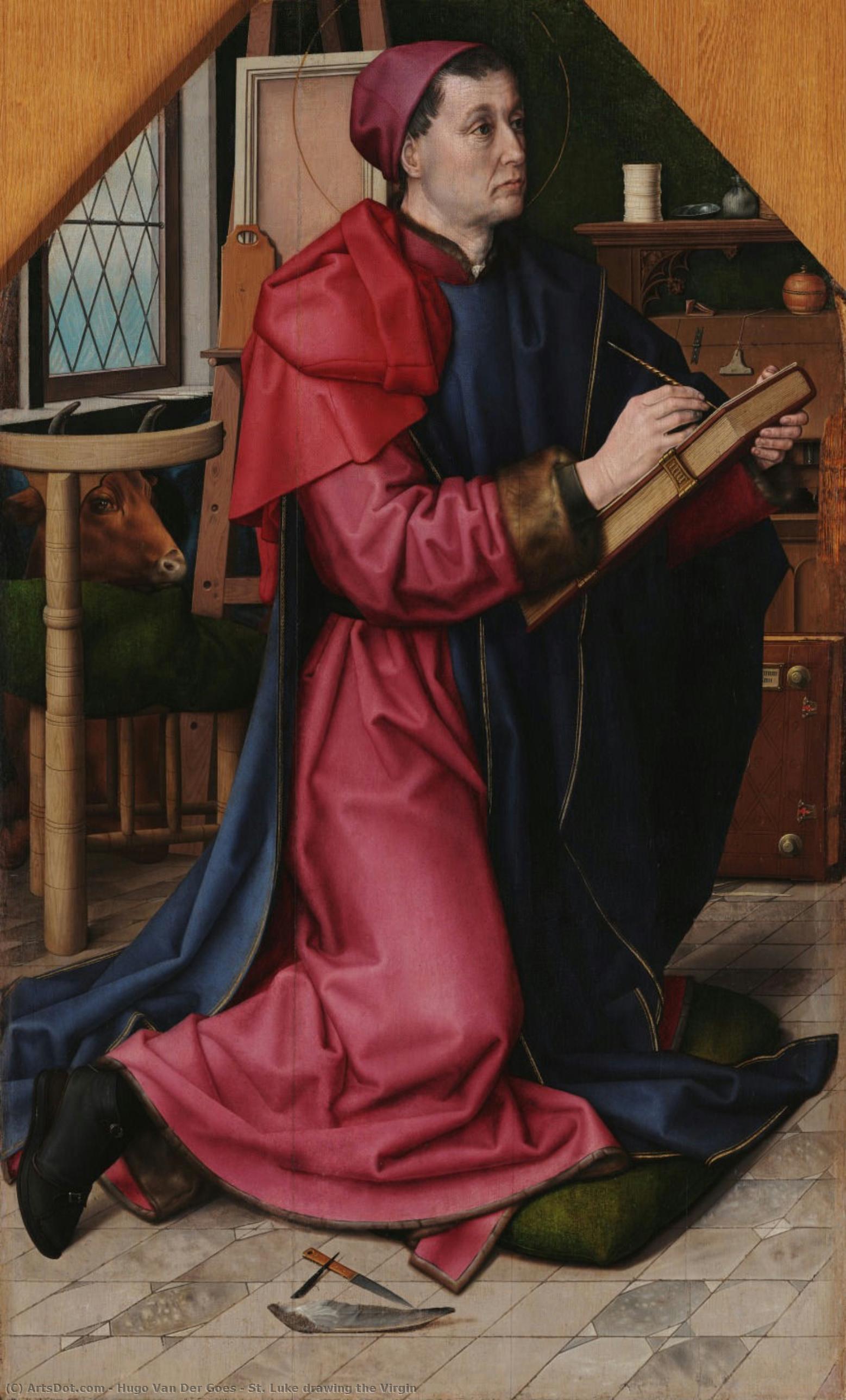
St. Luke drawing the Virgin
 Acrylic
- WallArt
- Flemish Renaissance
 1400
1400 104.0 x 62.0 cm
 National Museum of Ancient Art
 Read More
Hand Made Oil Reproduction
Hand-painted oil on canvas in your size and frame, made to order by our artists. ( Buy Print Buy Image)




P118B $10

P118H $10

P118W $10

P438Z $10

P508JH $12

P508YH $12

P805H $10

P805Z $10

P919BZ $10

P919G $10

P919XJ $10

P959ZH $10

P968JZ $12

W106C $8

W218G $10

W218JH $8

W218Y $10

W307PJ $10

W316G $10

W316PJ $8

W316Y $10

W398PJ $8

W4111J $10

W500HY $15

W500JH $15

W692G $12

W849H $8

W940BG $15

W953PJ $8




Pick from our preset sizes that match the artwork's original proportions.

You may enter your own dimensions to fit a specific frame or space. If your selected size does not match the original image's proportions, we will either crop the artwork or extend the painting with additional hand-painted elements. A digital mockup will be sent for your approval before production begins.
Please note that the on-screen preview does not reflect the actual cropping or extension. Only the mockup will accurately show the final composition.
While custom sizes are available, we recommend selecting a dimension from the predefined list to preserve the original proportions.
After order, ArtsDot.com team will email client for instructions and provide a mockup preview
Worldwide Delivery () in 3/4 weeks instead of standard 5 weeks. (17 August). No compromise on quality.

Free Worldwide Express Shipping

High-Quality Linen Canvas

Full Shipping Insurance

Customs Tax Refund Guarantee

True Color Matching Guarantee

60-Day Return Policy (Defects Only)

100% Money-Back Guarantee

Bulk Discount Offer
 Glass option is only available in size under 110 CM

St. Luke drawing the Virgin
Reproduction Medium
Reproduction Size
-


Total Price
$ 263
Artwork Description
Hugo van der Goes’s St Luke Drawing the Virgin: A Window Into Flemish Realism
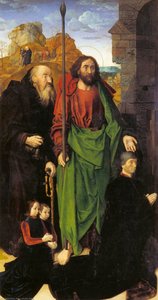
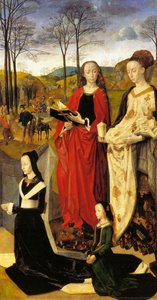
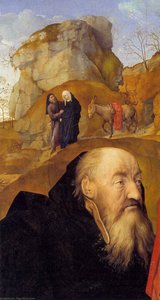
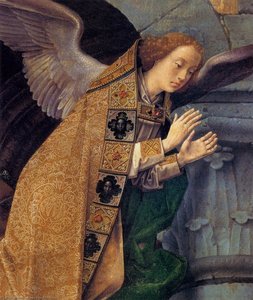
The painting *St Luke Drawing the Virgin*, attributed to Hugo van der Goes, stands as an extraordinary testament to the burgeoning artistic fervor of the Burgundian Netherlands during the High Renaissance. Completed around 1400 and currently housed in Lisbon's National Museum of Ancient Art, this monumental oil on panel transcends mere depiction; it embodies a revolutionary approach to painting that irrevocably altered the stylistic landscape of Northern Europe. Examining its intricate details reveals not only masterful craftsmanship but also profound insights into the intellectual currents shaping European culture at the time.Subject Matter and Composition
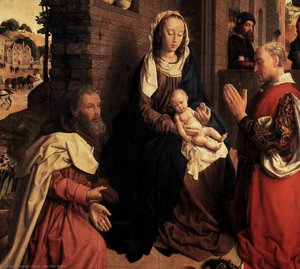
At its core, the artwork portrays St Luke diligently sketching Mary, the Virgin Mother, a scene steeped in biblical significance. The artist’s deliberate positioning of Luke kneeling before Mary—a gesture of reverence and humility—immediately establishes a dynamic interplay between piety and artistic endeavor. Complementing this central figure are two additional individuals: one standing attentively beside Luke, likely observing his work, and another seated comfortably on a chair, possibly representing the patron or commissioner of the piece. The inclusion of these figures adds depth to the narrative, suggesting a contemplative atmosphere within which creativity flourishes. Notably, the painting is bathed in soft natural light emanating from a window—a deliberate choice that enhances the realism of the scene and underscores its connection to the observable world.Style and Technique: Pioneering Flemish Realism
Hugo van der Goes’s genius resided in his unwavering commitment to *glasuur*, a technique pioneered by him and Rogier van der Weyden, which distinguishes Flemish painting from its Italian counterparts. Glasuur involves applying thin layers of translucent paint—typically lapis lazuli pigment—over subsequent opaque layers, resulting in an ethereal luminosity that captures the subtleties of light and shadow with unparalleled accuracy. This painstaking process demanded immense patience and skill, reflecting the artist’s meticulous attention to detail. The painting's surface texture is remarkably smooth, achieved through careful polishing after completion – a hallmark of Flemish artistic excellence. Furthermore, Van der Goes skillfully rendered drapery folds with astonishing realism, conveying movement and volume in ways previously unattainable.Symbolism and Narrative Depth
Beyond its technical brilliance, *St Luke Drawing the Virgin* resonates with rich symbolic meaning. The depiction of St Luke—considered the patron saint of painters—directly references the artist’s profession, elevating his craft to a sacred pursuit. Mary's serene countenance embodies maternal compassion and divine grace, symbolizing purity and spiritual contemplation. The act of sketching itself represents intellectual curiosity and artistic creativity – an aspiration shared by Van der Goes and his contemporaries. Moreover, the window serves as a visual metaphor for enlightenment and divine illumination, reinforcing the painting’s overarching theme of faith and artistic inspiration.Emotional Impact and Legacy
The artwork's enduring appeal stems from its ability to evoke profound emotions—a sense of reverence, tranquility, and admiration for human artistry. Van der Goes’s masterful portrayal captures not only the visual splendor of his subject matter but also the psychological complexities inherent in human experience. *St Luke Drawing the Virgin* stands as a cornerstone of Flemish Realism, marking a decisive break from medieval conventions and establishing a new standard for artistic representation. Its influence extended far beyond its immediate context, inspiring subsequent generations of painters and cementing Hugo van der Goes’s place among the titans of Renaissance art—a true masterpiece that continues to captivate audiences centuries later.Related Artworks
Artist Biography
A Pioneer of Flemish Realism: The Life and Art of Hugo van der Goes
Born around 1440 in the vibrant artistic hub of Ghent, Belgium, Hugo van der Goes emerged as a pivotal figure in the Northern Renaissance. Though shrouded in some mystery—details of his early life remain scarce—his impact on the development of painting during the latter half of the 15th century is undeniable. Van der Goes wasn’t merely a painter; he was an innovator who profoundly altered the course of artistic expression, influencing masters both within Flanders and across the burgeoning Italian Renaissance. He entered the Ghent painters' guild in 1467, marking his formal establishment as a master craftsman, yet it was his unique vision—a blend of intense realism, psychological depth, and dramatic composition—that would set him apart. Before Van der Goes, Flemish painting, while technically brilliant, often adhered to established conventions; he dared to break from these traditions, imbuing his work with an unprecedented level of human emotion and tangible reality.Innovation and Artistic Style
Van der Goes’s artistic signature lies in his ability to infuse religious scenes with a startling sense of immediacy and emotional weight. He moved beyond the stylized conventions of earlier Flemish painting, imbuing his figures with a weighty presence and individualized character. His use of color was deliberate and often somber, creating a sense of gravity and spiritual intensity. This wasn’t simply about replicating appearances; it was about conveying inner states—awe, sorrow, reverence—through subtle gestures, expressive faces, and the careful manipulation of light and shadow. His monumental style, characterized by large-scale compositions and imposing figures, further amplified this emotional impact. He didn't shy away from portraying imperfections; his figures often possess a raw, almost unsettling realism that distinguishes them from the more idealized representations common in earlier art. This commitment to depicting humanity in all its complexity was revolutionary for its time, influencing artists who sought to move beyond mere technical skill and explore the depths of human experience. The influence of Jan van Eyck’s meticulous detail is evident, but Van der Goes transcends imitation, forging a style uniquely his own.Masterpieces and Lasting Influence
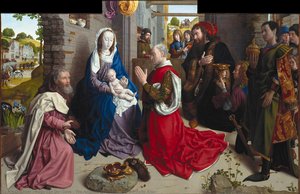
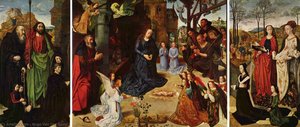
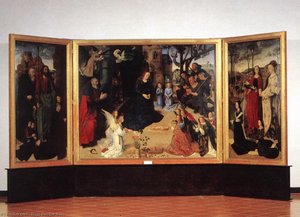
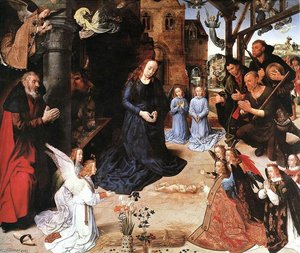
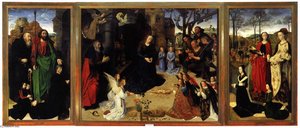
Perhaps Van der Goes’s most celebrated work is the Portinari Altarpiece, commissioned by Tommaso Portinari, an Italian banker residing in Bruges. Completed around 1475, this magnificent triptych—now housed in the Uffizi Gallery in Florence—is a testament to his mastery of composition, color, and psychological insight. The scene depicting the Adoration of the Shepherds is particularly striking, with its dramatic lighting, realistic portrayal of humble figures, and palpable sense of wonder. The altarpiece’s arrival in Italy had a profound effect on Florentine artists, including Domenico Ghirlandaio, who were captivated by its innovative realism and emotional power. Another significant work is The Adoration of the Magi (Monforte Altarpiece), currently residing in Berlin's Gemäldegalerie. This piece showcases his skill in creating dynamic scenes filled with intricate detail and symbolic meaning. Beyond these iconic works, Van der Goes contributed to numerous civic projects, including heraldic decorations for Charles the Bold’s ceremonial entries into Ghent, demonstrating his versatility as an artist. His influence extended beyond painting; he impacted the development of book illustration through his designs which were disseminated by artists like Alexander Bening.A Life Transformed: From Workshop to Monastery
In a surprising turn of events, at the height of his artistic success in 1477, Van der Goes abruptly closed his bustling workshop and entered the Roode Klooster monastery near Auderghem. This decision remains something of an enigma, though it’s believed to have been driven by a deep spiritual yearning or perhaps a struggle with mental health. Despite taking religious vows as a lay brother, he continued to accept painting commissions, even undertaking the task of evaluating unfinished works by Dieric Bouts for the city of Leuven. However, his final years were marked by increasing bouts of depression and psychological distress. Accounts suggest that he suffered a severe breakdown in 1482, tragically taking his own life shortly thereafter. This poignant end to a brilliant career adds another layer of complexity to the legacy of Hugo van der Goes—a man whose art explored the depths of human emotion while grappling with inner turmoil. The circumstances surrounding his death have fueled speculation for centuries, adding to the mystique that surrounds this remarkable artist.A Legacy Enduring Through Time
Hugo van der Goes’s influence extended far beyond his relatively short lifetime. His innovative techniques and profound psychological insights paved the way for future generations of artists, both in Flanders and Italy. His work can be found today in prestigious museums such as the Musées royaux des Beaux-Arts in Brussels, offering a glimpse into the genius of this pioneering Flemish master. He remains a compelling figure—a testament to the power of art to capture the complexities of the human condition and to transcend cultural boundaries. His legacy continues to inspire awe and admiration, solidifying his place as one of the most important artists of the Northern Renaissance.- His emphasis on realism influenced subsequent generations.
- The Portinari Altarpiece remains a landmark achievement in art history.
- His exploration of psychological depth set a new standard for portraiture and religious painting.
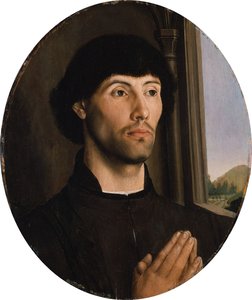
Hugo van der Goes
1440 - 1482 , Belgium
Quick Facts
- Artistic Movement Or Style: Early Netherlandish painting
- Artists Or Movements Influenced By This Artist:
- Domenico Ghirlandaio
- Italian Renaissance
- Artists Who Influenced This Artist:
- Jan van Eyck
- Dirk Bouts
- Date Of Birth: c. 1440
- Date Of Death: 1482
- Full Name: Hugo van der Goes
- Nationality: Flemish
- Notable Artworks:
- Portinari Altarpiece
- Monforte Altarpiece
- Adoration of the Magi
- Place Of Birth: Ghent, Belgium
Related Articles
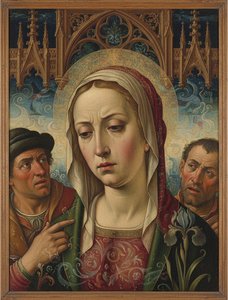
Hugo van der Goes: Devotion, Innovation & the Psychological Depth of Early Netherlandish Painting
Explore the revolutionary art of Hugo van der Goes – a master of Early Netherlandish painting renowned for his dramatic realism, psychological depth & profound influence on Renaissance artists. Discover his iconic works and lasting legacy.
Van Gogh's Masterpieces: Explore 25 Iconic Paintings & Art for Your Home
Journey through Vincent van Gogh's 25 most iconic paintings! Explore 'Starry Night', 'Sunflowers,' and more—discover the stories, techniques & emotions behind these Post-Impressionist masterpieces. Find museum-quality art reproductions for your home at ArtsDot.com.
Early Netherlandish Masters: 10 Paintings That Revolutionized Art & Decor
Journey into the Early Netherlandish Renaissance! Explore 10 iconic paintings by Jan van Eyck, Rogier van der Weyden & more. Discover stunning detail, symbolism, and oil painting techniques. Find museum-quality art reproductions for your home at ArtsDot.com.

Early Netherlandish Masters: 10 Paintings That Revolutionized Art & Decor
Journey into the world of Early Netherlandish painting! Explore 10 masterpieces by Jan van Eyck, Rogier van der Weyden & more. Discover stunning detail, symbolism & Renaissance art for your home decor. Find museum-quality reproductions on ArtsDot.com
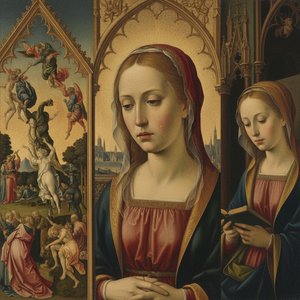
Rogier van der Weyden: Emotion, Innovation & the Early Netherlandish Renaissance
Explore the revolutionary art of Rogier van der Weyden, a pivotal figure of the Early Netherlandish Renaissance. Discover his emotional realism, innovative compositions, and lasting impact on painting history.