 Preview
 Send
Send Share
Share
 Details

 Download
 Similars
 X-Ray
X-Ray Diaporama
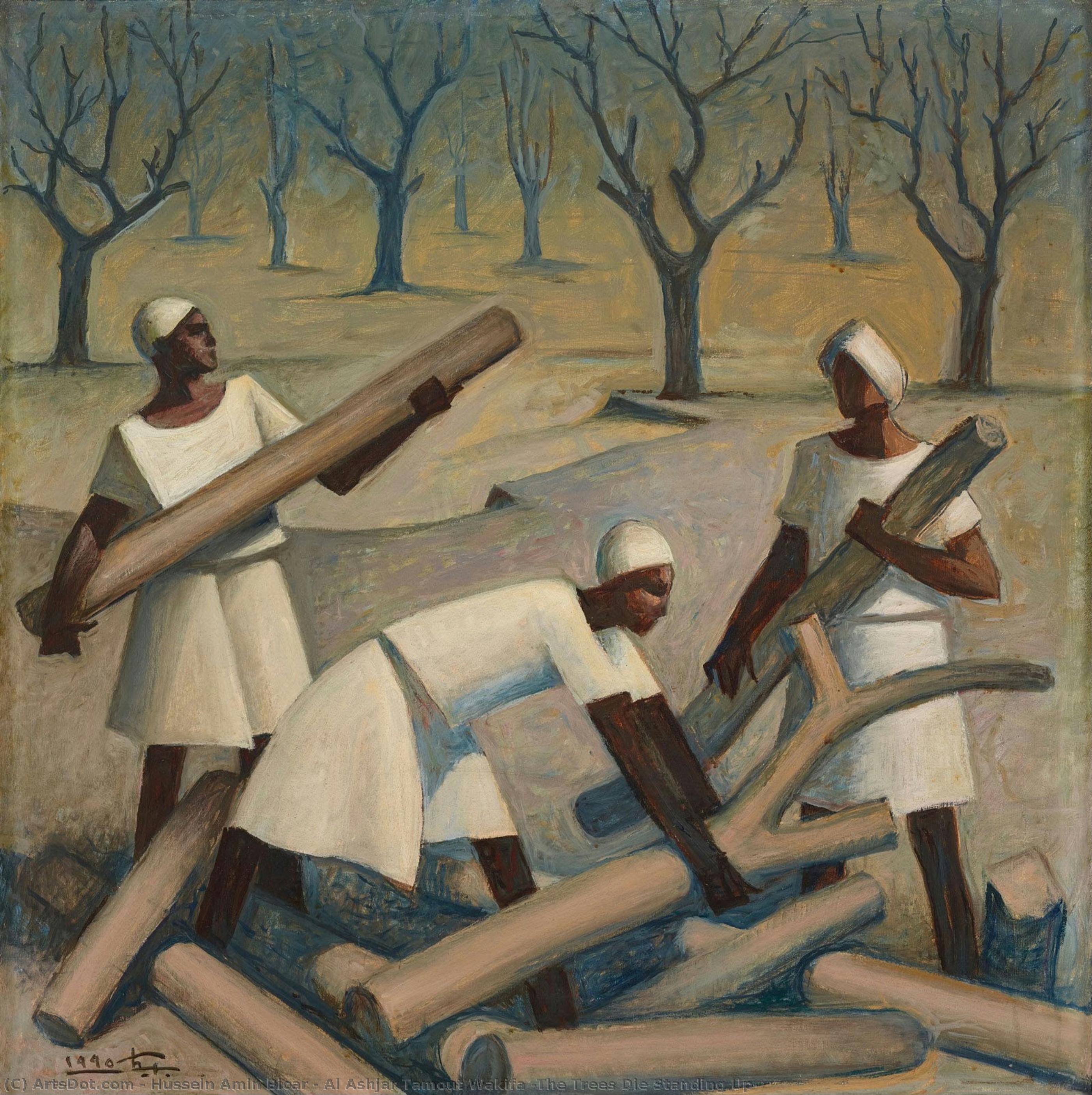
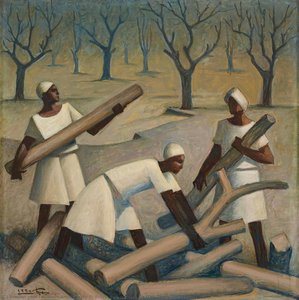
Al Ashjar Tamout Wakifa (The Trees Die Standing Up)


 Read More
Giclée / Art Print
Museum-quality giclée or canvas print with fast production and flexible finish options. ( Buy Hand Made Painting Buy Image)




P118B $10

P118H $10

P118W $10

P438Z $10

P508JH $12

P508YH $12

P805H $10

P805Z $10

P919BZ $10

P919G $10

P919XJ $10

P959ZH $10

P968JZ $12

W106C $8

W218G $10

W218JH $8

W218Y $10

W307PJ $10

W316G $10

W316PJ $8

W316Y $10

W398PJ $8

W4111J $10

W500HY $15

W500JH $15

W692G $12

W849H $8

W940BG $15

W953PJ $8




Pick from our preset sizes that match the artwork's original proportions.

You may enter your own dimensions to fit a specific frame or space. If your selected size does not match the original image's proportions, we will either crop the artwork or extend the image with a mirrored or solid-fill edge. A digital mockup will be sent for your approval before production begins.
Please note that the on-screen preview does not reflect the actual cropping or extension. Only the mockup will accurately show the final composition.
While custom sizes are available, we recommend selecting a dimension from the predefined list to preserve the original proportions.
Worldwide Delivery () in 2 weeks instead of standard 4/5 weeks. (25 August)

Free Worldwide Express Shipping

High-Quality Linen Canvas

Full Shipping Insurance

Customs Tax Refund Guarantee

True Color Matching Guarantee

60-Day Return Policy (Defects Only)

100% Money-Back Guarantee

Bulk Discount Offer
 Glass option is only available in size under 110 CM

Al Ashjar Tamout Wakifa (The Trees Die Standing Up)
Giclée / Art Print
Reproduction Size
-


Total Price
$ 63
Collectible Description
A Symphony of Strength and Solidarity
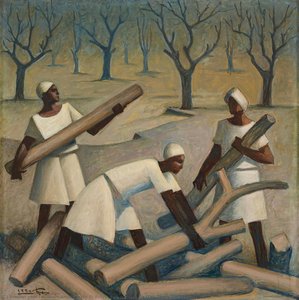
In the evocative masterpiece Al Ashjar Tamout Wakifa (The Trees Die Standing Up), the legendary Egyptian artist Hussein Amin Bicar invites us into a world where labor is transformed into a poetic dance of communal resilience. The painting presents a striking tableau of three women, their forms intertwined with the heavy weight of large wooden logs as they navigate their shared task. There is an undeniable rhythm to the composition; the figures are positioned with a balanced grace that guides the eye across the canvas, from the woman on the left through the central figure to the third on the right. This arrangement does more than just depict physical movement—it illustrates the very essence of cooperation. As they move these massive logs across the earth, the women embody a quiet, unstoppable force, turning a moment of grueling toil into a testament to human unity.
Bicar’s unique artistic language is on full display here, blending the simplicity of journalistic illustration with the profound depth of fine art. His style, deeply rooted in the serenity and mysticism of Pharaonic aesthetics, allows him to strip away unnecessary clutter, focusing instead on the essential lines and shapes that define his subjects. The technique utilizes a clean, almost rhythmic linework that evokes the ancient Egyptian tradition of storytelling through silhouette and form. This minimalist approach does not diminish the scene's impact; rather, it amplifies the emotional weight of the subject matter. The background, featuring subtle hints of trees, provides a sense of place and depth, grounding this monumental feat of strength within a natural, timeless landscape.
The Poetics of Resilience
Beyond its visual charm, the painting carries a profound symbolic resonance, particularly through its evocative title. To say that "the trees die standing up" suggests an unyielding spirit—a refusal to succumb to hardship even in the face of inevitable struggle. This theme is mirrored in the women themselves; though they carry burdens that could easily overwhelm a solitary soul, their collective effort renders the task manageable, almost effortless. For collectors and lovers of art, this piece offers more than just a beautiful image; it provides a window into the Egyptian soul, celebrating the dignity of work and the sanctity of community. It is a profound meditation on how solidarity can sustain us through life's heaviest seasons.
For interior designers and connoisseurs of fine reproductions, Al Ashjar Tamout Wakifa serves as a sophisticated focal point that brings both warmth and intellectual depth to a space. The painting’s harmonious color palette and balanced composition make it an ideal addition to environments that value tranquility and narrative richness. Whether placed in a contemporary gallery setting or a classic study, the work radiates a sense of calm strength. Owning a high-quality reproduction of this Bicar masterpiece allows one to preserve a piece of art history that celebrates the enduring power of the human spirit, making it an incomparable investment for those seeking art that inspires, moves, and lingers in the mind long after the first glance.
Related Artworks


Artist Biography
early life and education
hussein amin bicar, a renowned egyptian artist, was born in alexandria in 1913. he graduated from the cairo's school of fine arts in 1934, marking the beginning of his illustrious career.artistic contributions and style
bicar is celebrated for his simple yet profound style, which reflects the harmony, serenity, and mysticism of pharaonic art. his work has been instrumental in elevating journalistic art to a level comparable to fine art. bicar's contributions extend beyond illustrations to include art criticism and narrative poetry.journalistic and educational pursuits
bicar spent over 60 years teaching art at schools and universities, followed by his work through the press. he was the first egyptian artist to illustrate arabic children's books, playing a pivotal role in establishing this field.- key artistic movements: pharaonic, journalistic, fine art
- notable works: graceful egyptian peasants, nubian scenes, and pharaonic themes
- artistic style: simple, yet profound, reflecting the harmony and mysticism of pharaonic art
legacy and recognition
bicar's elegant nature has earned him great recognition and honors. as described by late journalist mustafa amin, "he is not a single artist, he is a master of several arts… he is a painter, photographer, poet, musician, and philosopher." explore more of bicar's work on ArtsDot: [https://ArtsDot.com/@/hussein-amin-bicar](https://ArtsDot.com/@/hussein-amin-bicar) | [discover the evolution of western art with ArtsDot /en/art/list/references:
hussein amin bicar
1913 - 2002 , Egypt
Quick Facts
- Artistic Movement Or Style: Pharaonic, Journalistic
- Date Of Birth: 1913-01-02
- Date Of Death: 2002-11-16
- Full Name: Hussein Amin Bicar
- Nationality: Egyptian
- Notable Artworks:
- Graceful Egyptian Peasants
- Nubian Scenes
- Pharaonic Themes
- Place Of Birth: Alexandria, Egypt
Related Articles
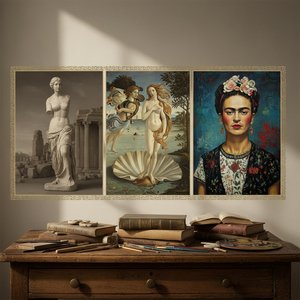
The Enduring Muse: Women as Subject & Symbol in Art History
Explore the rich history of women in art – from iconic muses to groundbreaking artists. Discover feminist movements, global perspectives & reclaim female narratives with ArtsDot.
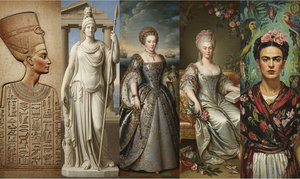
Portrayals of Power & Perception: A Historical Survey of Women in Art
Explore the rich history of women in art – from iconic muses to groundbreaking artists. Discover feminist movements & reclaim female narratives with ArtsDot. Expert insights for discerning collectors.

The Enduring Muse: Women as Subject & Symbol in Art History
Explore the rich history of women in art – from archetypal representations to contemporary voices challenging norms. Discover iconic artists & movements, and learn about reclaiming female narratives through painting and beyond.

Mohamed Amin: Capturing Postcolonial Africa's Spirit Through the Lens
Explore the life & work of Mohamed Amin, Kenya's pioneering photojournalist who captured Africa’s defining moments. Discover his impact on documentary and wildlife photography, from independence to the Ethiopian famine.

Golden Hour on the Nile: Symbolism & Artistic Legacy of Egyptian Sunsets
Explore the rich symbolism of Egyptian sunset paintings & their artistic legacy. Discover how color, ritual, and landscape shaped ancient beliefs – a guide for discerning collectors.