

 Preview
 Send
Send Share
Share
 Details

 Download
 Similars
 X-Ray
X-Ray Diaporama
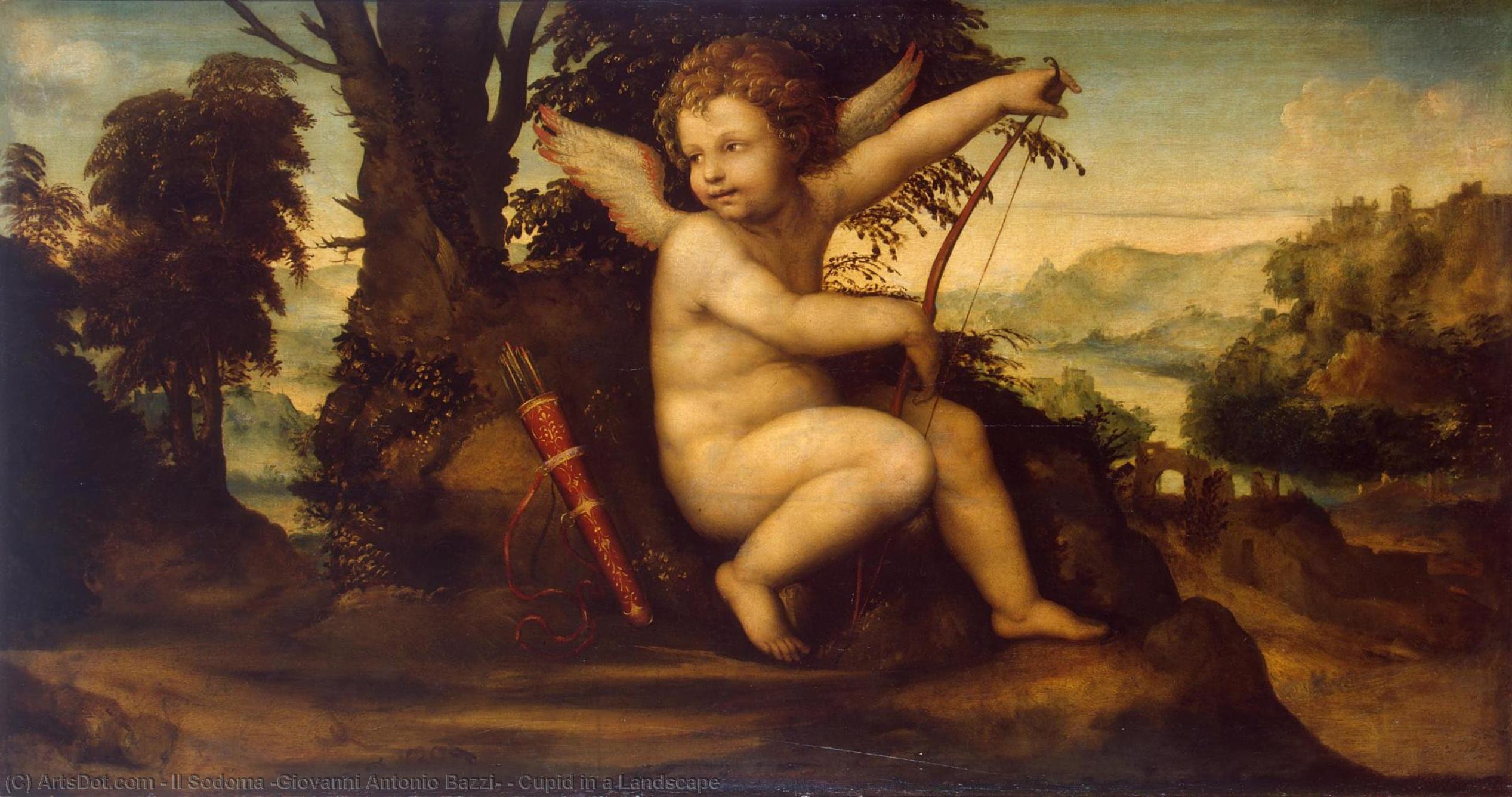
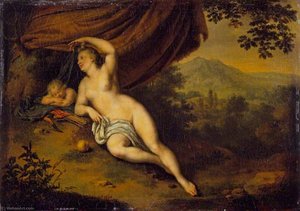
Cupid in a Landscape
 Oil On Canvas
- WallArt
- Renaissance Mannerism
 1510
1510 68.0 x 129.0 cm
 Hermitage Museum
 Read More
Purchase a high-resolution, enhanced digital image, far superior to the online preview.
Each file is meticulously prepared by our in-house specialists using advanced tools and expert manual retouching. We ensure every image has exceptional clarity, precise color accuracy, and fine detail.
The final file is delivered via email within 72 hours, optimized for immediate use in professional, editorial, and print environments. This is the same quality trusted by top-tier design studios, publishers, and galleries.
Digital Image
Download a high-resolution file for personal display, printing, and creative projects. ( Buy Print Buy Hand Made Painting)
Included in Every Digital Image Order
Expert Digital Delivery, Guaranteed
When you choose ArtsDot.com, you're not just getting an image - you're receiving a professionally enhanced digital artwork, crafted with precision and backed by a satisfaction guarantee. Here's everything that comes with your order, automatically:

Fast Email Delivery
Your high-resolution digital image file will be emailed to you within 72 hours of ordering - ready for immediate use.

AI-Enhanced Digital File
Your artwork is professionally optimized using advanced AI tools and manual editing, ensuring maximum detail, clarity, and color accuracy.

Free Lifetime Re-Delivery
Accidentally deleted or lost your file? No worries - we'll resend it to you anytime, free of charge.

No Import Fees - Ever
Enjoy your artwork instantly with zero customs, duties, or delivery fees - digital downloads are always tax-free.

Color Accuracy Guarantee
We ensure your digital image reflects the original colors as closely as possible using professional tools and color management.

60-Day Satisfaction Guarantee
If you're not satisfied with your digital image, we'll revise it or refund 100% within 60 days - no questions asked.

100% Money-Back Guarantee
Not satisfied? Get a full refund within 60 days of receiving your digital file - no questions asked.

Bulk Order Discounts
Buy 3 images, save 10% - Buy 5, save 15% - Buy 10+, save 20%. Great for creative projects, galleries, and agencies.
Collectible Description
The Enchanting Reverie of Cupid in a Landscape by Il Sodoma
Within the hallowed halls of the Hermitage Museum in St. Petersburg resides a painting that transcends mere representation, offering instead a glimpse into the heart of Renaissance romance and philosophical contemplation – “Cupid in a Landscape” by Giovanni Antonio Bazzi, more famously known as Il Sodoma. Crafted in 1510, this oil on canvas is not simply a depiction of a cherubic deity amidst a pastoral scene; it’s an immersive experience, a carefully constructed tableau designed to evoke serenity, wonder, and the profound mysteries of love itself.
Il Sodoma, a pivotal figure bridging the High Renaissance with the nascent Mannerism, possessed a unique ability to imbue his works with both classical grace and unsettling psychological depth. His artistic lineage is deeply rooted in Siena’s rich tradition, evident in the meticulous rendering of drapery and the masterful use of color inherited from his early master, Giovanni Battista Sant’Anna. Yet, he swiftly absorbed the stylistic nuances of Florence – particularly those of Fra Bartolommeo – injecting a dynamism and emotional intensity that distinguished his work from its predecessors.
A Symphony of Form and Feeling
The composition of “Cupid in a Landscape” is a testament to Il Sodoma’s skill. A serene, rolling landscape dominates the canvas—gentle hills draped with verdant trees, punctuated by a meandering river that seems to invite contemplation. At the heart of this idyllic setting stands Cupid, rendered with an almost ethereal beauty. His wings, expansive and feathered, suggest boundless freedom and effortless grace, while his pose – poised as if mid-flight or just released from an arrow’s trajectory – exudes both playful energy and a quiet intensity.
The artist masterfully employs soft lighting, bathing the scene in a warm, diffused glow that evokes the golden light of early morning. Earth tones—ochres, browns, and muted greens—form the foundation of the palette, creating a sense of groundedness and tranquility. Yet, subtle hints of color – a blush of pink in the distant hills, a touch of azure in the sky – add depth and visual interest, preventing the scene from becoming overly static.
Decoding the Language of Symbols
“Cupid in a Landscape” is rich with symbolic meaning, reflecting the prevailing philosophical currents of the Renaissance. Cupid himself embodies love—not merely as a fleeting emotion, but as a potent force capable of shaping human destiny. The two arrows he holds are particularly significant; one represents erotic love, often associated with passion and desire, while the other symbolizes spiritual love – a deeper, more enduring connection rooted in virtue and devotion.
The landscape itself serves as a metaphor for the soul’s journey—a path winding through challenges and uncertainties towards ultimate enlightenment. The river, flowing steadily onward, represents the passage of time and the continuous evolution of human experience. Furthermore, the inclusion of elements like the distant mountains and the expansive sky invite viewers to contemplate their place within the vastness of the universe.
A Legacy Preserved
“Cupid in a Landscape” stands as a remarkable achievement—a synthesis of classical ideals and Renaissance innovation. Its enduring appeal lies not only in its technical brilliance but also in its ability to resonate with viewers on an emotional level. It’s a painting that invites us to pause, reflect, and consider the timeless mysteries of love, beauty, and the human spirit. Reproductions of this masterpiece offer a chance to bring this enchanting reverie into your own home, transforming any space into a sanctuary of artistic contemplation.
For those seeking further insight into Il Sodoma’s life and work, we encourage you to explore our website: /art/list/?Filter=8Y3HWS-Il-Sodoma-(Giovanni-Antonio-Bazzi)-Cupid-in-a-Landscape. And for a deeper understanding of the Hermitage Museum, visit their page on Wikipedia: https://en.wikipedia.org/wiki/The_Hermitage.
Related Artworks


Artist Biography
The Enigmatic Soul of the Sienese Renaissance
In the vibrant tapestry of the Italian Renaissance, few figures possess a name as provocative or a legacy as multifaceted as Giovanni Antonio Bazzi, known to history by the evocative moniker Il Sodoma. Born in Vercelli around 1477, Bazzi emerged not merely as a painter, but as a transformative force who bridged the gap between the luminous, balanced idealism of the High Renaissance and the emotive, often unsettling drama of Mannerism. His artistic journey was one of profound synthesis, where the disciplined traditions of the Sienese school met the sweeping, atmospheric innovations of the Lombard style and the subtle psychological depth inspired by Leonardo da Vinci.
The early years of Bazzi’s life were marked by a rigorous apprenticeship that laid the groundwork for his technical mastery. Under the guidance of masters such as the "archaic" Martino Spanzotti and Giovenone, he absorbed a foundational understanding of form and color. As he moved into the cultural epicenter of Siena, his work began to reflect a unique stylistic evolution. He possessed a rare ability to superimpose the sophisticated, classical grace of early 16th-century Rome onto the more provincial, decorative traditions of Tuscany. This fusion allowed him to create works that felt both grounded in local heritage and part of a much larger, pan-Italian artistic revolution.
A Mastery of Light, Emotion, and Form
To observe a work by Il Sodoma is to witness a delicate dance between serenity and tension. His technique was characterized by an exquisite command over sfumato and a rich, emotive use of color that could shift from the tender warmth of a Madonna’s cheek to the dramatic shadows of a mythological struggle. This versatility is perhaps most evident in his diverse range of subjects, which spanned the sacred and the profane with equal fervor.
His contributions to the fresco tradition are nothing short of monumental. In the Oratory of San Bernardino in Siena, Bazzi demonstrated his ability to command vast architectural spaces, weaving complex narratives through balanced compositions that nonetheless pulsed with human emotion. His religious works, such as The Presentation of the Virgin in the Temple, showcase a profound spiritual grace, while his secular and mythological pieces, like the enchanting Cupid in a Landscape, reveal a fascination with the sensual and the idyllic. In these landscapes, one finds a serene Italian vista that serves as a stage for the divine or the mythological, rendered with a clarity that invites the viewer into a dreamlike state.
Legacy of a Transitional Master
The historical significance of Il Sodoma lies in his role as a stylistic conduit. He did not merely follow the trends of his era; he helped shape the transition from the harmonious stability of the High Renaissance to the more experimental, distorted, and expressive language of Mannerism. By introducing exaggerated gestures and heightened emotionality into the established Sienese framework, he prepared the way for the next generation of artists to explore the complexities of the human psyche.
Even as his name carried a certain notoriety, his artistic output remained a testament to technical brilliance and intellectual depth. His ability to navigate the prestigious commissions of popes and powerful patrons alike—including connections to the influential Agostino Chigi—ensured that his influence would resonate far beyond the walls of Siena. Today, Bazzi stands as a pivotal figure whose work continues to captivate, reminding us of a period when art was a profound exploration of both the earthly beauty and the spiritual mysteries of the human condition.
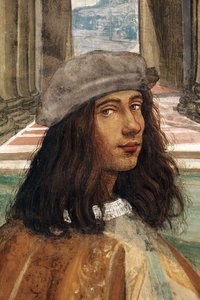
il sodoma (giovanni antonio bazzi)
1447 - 1549 , Italy
Quick Facts
- Artistic Movement Or Style: High Renaissance & Mannerism
- Artists Or Movements Influenced By This Artist: ['Tintoretto']
- Artists Who Influenced This Artist:
- Michelangelo Buonarroti
- Raphael Sanzio
- Date Of Birth: 1447
- Full Name: Giovanni Antonio Bazzi
- Nationality: Italian
- Notable Artworks:
- Wedding of Alexander
- Saint George and the Dragon
- Holy Family with the Infant Saint John the Baptist
- Place Of Birth: Vercelli, Italy

