 Preview
 Send
Send Share
Share
 Details

 Download
 Similars
 X-Ray
X-Ray Diaporama
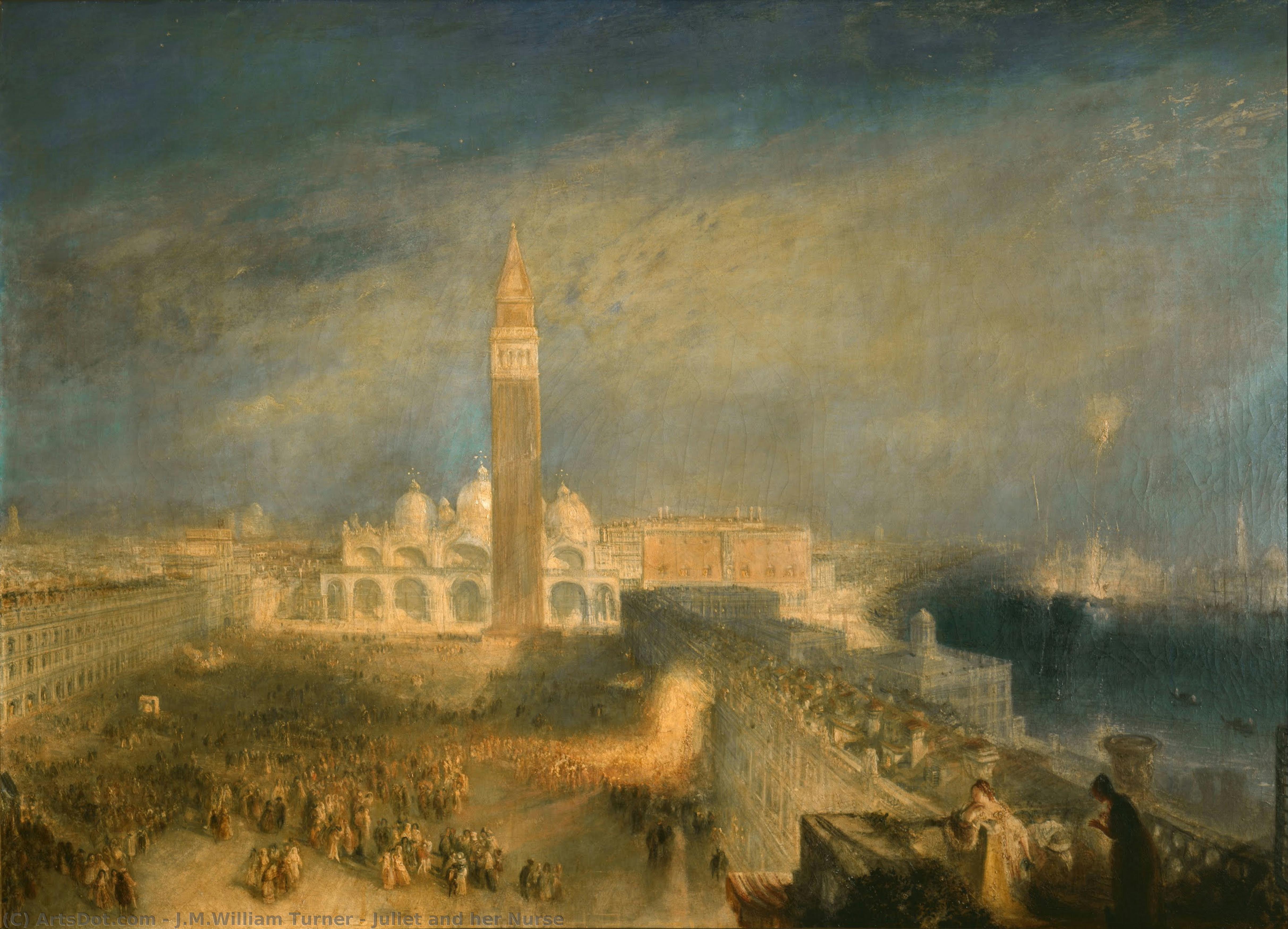
Juliet and her Nurse
 Oil On Canvas
- WallArt
- Romanticism
 1836
1836 88.0 x 121.0 cm
 Colección de Arte Amalia Lacroze de Fortabat
 Read More
Hand Made Oil Reproduction
Hand-painted oil on canvas in your size and frame, made to order by our artists. ( Buy Print Buy Image)




P118B $10

P118H $10

P118W $10

P438Z $10

P508JH $12

P508YH $12

P805H $10

P805Z $10

P919BZ $10

P919G $10

P919XJ $10

P959ZH $10

P968JZ $12

W106C $8

W218G $10

W218JH $8

W218Y $10

W307PJ $10

W316G $10

W316PJ $8

W316Y $10

W398PJ $8

W4111J $10

W500HY $15

W500JH $15

W692G $12

W849H $8

W940BG $15

W953PJ $8




Pick from our preset sizes that match the artwork's original proportions.

You may enter your own dimensions to fit a specific frame or space. If your selected size does not match the original image's proportions, we will either crop the artwork or extend the painting with additional hand-painted elements. A digital mockup will be sent for your approval before production begins.
Please note that the on-screen preview does not reflect the actual cropping or extension. Only the mockup will accurately show the final composition.
While custom sizes are available, we recommend selecting a dimension from the predefined list to preserve the original proportions.
After order, ArtsDot.com team will email client for instructions and provide a mockup preview
Worldwide Delivery () in 3/4 weeks instead of standard 5 weeks. (16 August). No compromise on quality.

Free Worldwide Express Shipping

High-Quality Linen Canvas

Full Shipping Insurance

Customs Tax Refund Guarantee

True Color Matching Guarantee

60-Day Return Policy (Defects Only)

100% Money-Back Guarantee

Bulk Discount Offer
 Glass option is only available in size under 110 CM

Juliet and her Nurse
Reproduction Medium
Reproduction Size
-


Total Price
$ 263
Artwork Description
A Venetian Twilight: Turner’s “Juliet and Her Nurse”
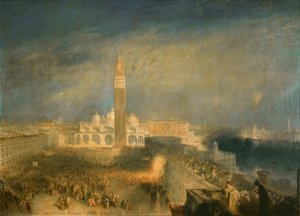
Joseph Mallord William Turner's "Juliet and Her Nurse," painted in 1836, isn’t merely a depiction of Venice; it’s an immersion into a fleeting moment of theatrical spectacle and ethereal beauty. From his vantage point atop the Procuratie Nuove, overlooking St. Mark’s Square, Turner captures a vibrant scene bathed in the fading light of dusk – a confluence of real life and imagined drama. The painting immediately draws the eye to the towering Campanile and Basilica of San Marco, rendered with an almost unsettling whiteness that contrasts dramatically against the warm hues of the surrounding buildings and the fiery bursts of fireworks illuminating the sky. This deliberate use of color, so characteristic of Turner’s style, isn't about photographic accuracy but rather about conveying a heightened emotional state – a sense of wonder, excitement, and perhaps even a touch of melancholy. The scene pulsates with movement; figures throng the square, drawn to the spectacle, while boats bob gently on the water, reflecting the vibrant colors above.Romantic Vision and Shakespearean Echoes
Turner’s decision to place the iconic characters from Shakespeare's *Romeo and Juliet* within this bustling Venetian setting is a stroke of genius—a deliberate subversion of traditional narrative. It speaks to the Romantic fascination with myth, legend, and the power of imagination. The painting isn’t simply illustrating a play; it’s transforming Venice into a stage for an eternal love story. The placement of Juliet and her nurse on a rooftop balcony, seemingly detached from the revelry below, suggests a world of private contemplation amidst the public spectacle. This juxtaposition creates a compelling tension between the intimate and the expansive, the personal and the communal. Turner’s use of loose brushstrokes and vibrant color—a hallmark of his style—further enhances this sense of movement and drama, creating an atmosphere that is both dynamic and dreamlike. The painting reflects the Romantic era's emphasis on emotion, intuition, and the sublime beauty of nature.Technique and Atmosphere: A Masterclass in Light
Turner’s mastery lies not just in his subject matter but also in his technique. He employs a layering of colors—thin washes of pigment applied to the canvas—to create an incredible sense of atmosphere and depth. The light, particularly, is central to the painting's impact. It isn’t rendered realistically; instead, it’s manipulated to evoke emotion. The fireworks explode in bursts of brilliant color, while the surrounding buildings are shrouded in a hazy glow. Turner uses atmospheric perspective—the effect of distance on color and detail—to create a sense of vastness and space. The composition itself is carefully constructed, guiding the viewer's eye through the scene with a series of diagonals and converging lines. The loose brushwork, almost impressionistic in its immediacy, captures the fleeting nature of light and movement, contributing to the painting’s overall dynamism.Symbolism and Historical Context
Beyond the immediate spectacle, “Juliet and Her Nurse” is rich in symbolism. Venice itself—a city steeped in history and legend—represents a world of beauty, decay, and intrigue. The fireworks symbolize celebration and fleeting joy, while the gathering crowd embodies the collective experience of humanity. The painting was created during a period of significant social and political change in Europe, marked by industrialization and urbanization. Turner’s work reflects this shift, moving away from traditional academic art towards a more subjective and expressive approach. The choice to set the scene in Venice—a city struggling with economic decline and foreign influence—could be interpreted as a commentary on the fragility of beauty and tradition. The painting's exhibition in 1836 received mixed reviews, with critics questioning Turner’s unconventional techniques and his departure from established artistic conventions.A Timeless Appeal: Reproduction and Beyond
Today, “Juliet and her Nurse” remains one of Turner’s most beloved works, admired for its dramatic intensity and atmospheric beauty. Reproductions offer a wonderful opportunity to bring this captivating scene into your home or office. When selecting a reproduction, consider the quality of the print and the canvas material—a fine art giclée on archival canvas will best capture the painting's rich colors and intricate details. Whether you’re an art enthusiast, a collector, or simply someone seeking to add a touch of Venetian romance to your space, “Juliet and her Nurse” is a timeless masterpiece that continues to inspire and enchant viewers around the world.Related Artworks
Artist Biography
A Life Painted in Light: The World of J.M.W. Turner
Joseph Mallord William Turner, known to the world as J.M.W. Turner, was more than just a painter; he was a visionary who redefined landscape art and paved the way for modern abstraction. Born in Maiden Lane, Covent Garden, London, in 1775, his beginnings were humble – the son of a barber and wig maker. Yet, even as a child, a remarkable talent blossomed within him. By age fourteen, he was enrolled at the Royal Academy, exhibiting his first work just a year later. This early promise wasn’t merely technical skill; it hinted at an innate understanding of light, color, and atmosphere that would become the hallmarks of his extraordinary career. He supplemented his artistic education with practical experience as an architectural draftsman, honing his perspective and compositional abilities – skills that would prove invaluable in rendering both detailed topographical views and vast, emotive landscapes. Turner’s early life was marked by a dedication to his craft, fueled by a natural aptitude and a relentless pursuit of artistic excellence.The Romantic Tempest: Style and Influences
Turner emerged during the height of the Romantic era, but he wasn't simply a follower of its conventions. He absorbed influences from various sources – the Dutch masters like Claude Lorrain and Aelbert Cuyp for their luminous landscapes, and artists such as Richard Wilson for his poetic approach to nature. However, Turner didn’t merely imitate; he synthesized these influences into something entirely new. His work is characterized by an expressive use of color, often employing bold contrasts and vibrant hues to convey emotion and atmosphere. He was fascinated by the power and drama of nature – turbulent seascapes, fiery sunsets, and swirling storms became recurring motifs in his paintings. He wasn’t interested in simply depicting what he saw; he sought to capture the *feeling* of a place, the sublime awe inspired by the natural world. This pursuit led him to experiment with increasingly loose brushwork, dissolving forms into washes of color and light – techniques that would anticipate the Impressionist movement decades later. From 1840, his work gained significant recognition thanks to the championing of John Ruskin, who elevated landscape painting to a new level of critical acclaim.A Prolific Legacy: The Scope of Turner’s Output
The sheer volume of Turner's artistic output is astonishing. He created over 550 oil paintings, nearly 2,000 watercolors, and an astounding 30,000 works on paper. This prolificacy wasn’t simply a matter of quantity; it reflected his tireless exploration of different subjects, techniques, and styles. His paintings range from detailed topographical views of British landscapes to dramatic historical scenes and evocative maritime paintings. He was equally adept at capturing the tranquility of a pastoral scene and the terrifying power of a raging storm. Works like “Fort Vimieux” exemplify his mastery of depicting atmospheric effects – the swirling clouds, the crashing waves, and the intense light all contribute to a sense of drama and sublime beauty. Similarly, "Scene in the Campagna" showcases his ability to capture the warmth and serenity of the Italian countryside with delicate brushwork and luminous colors. Beyond painting, Turner was also a skilled printmaker, further disseminating his artistic vision through engravings and lithographs.Eccentricity and Remembrance: The Man Behind the Masterpieces
Turner’s personal life was as complex and enigmatic as his art. He remained intensely private and reclusive, often shunning social gatherings and preferring the solitude of his studio or the open road. He fathered two daughters, Evelina and Georgiana, with Sarah Danby, the wife of a fellow artist, but maintained a distant relationship with them. His later years were marked by increasing eccentricity and declining health. After his father’s death in 1829, he became increasingly morose and withdrawn, living in squalor and neglecting his appearance. He adopted the pseudonym “Mr. Booth” to avoid recognition and even rowed his boat into the Thames during a census to remain untraceable. Despite his eccentricities, or perhaps because of them, Turner remains one of Britain’s most beloved artists. His final years were spent in Chelsea where he passed away on December 19, 1851, at the age of 76. In a fitting tribute to his enduring legacy, he is buried in St Paul's Cathedral, alongside other British luminaries – a testament to his profound impact on art and culture. His work continues to inspire artists and captivate audiences worldwide, ensuring that the light of J.M.W. Turner will continue to shine for generations to come.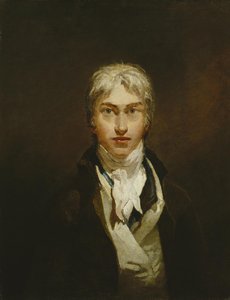
J.M.W. Turner
1775 - 1851 , United Kingdom
Quick Facts
- Artistic Movement Or Style: Romanticism
- Artists Or Movements Influenced By This Artist:
- Impressionism
- Abstract Art
- Artists Who Influenced This Artist:
- John Robert Cozens
- Richard Wilson
- Date Of Birth: April 23, 1775
- Date Of Death: December 19, 1851
- Full Name: Joseph Mallord William Turner
- Nationality: British
- Notable Artworks:
- Fort Vimieux
- Scene in the Campagna
- Place Of Birth: London, United Kingdom
Related Articles
J.M.W. Turner: Light, Atmosphere & the Romantic Sublime
Explore the life & art of J.M.W. Turner, a master of Romantic landscape painting. Discover his innovative techniques, key works, and lasting influence on Impressionism. Find high-quality reproductions at ArtsDot.
Romanticism's Greatest Artworks: 10 Masterpieces for Your Home |
Journey through Romanticism's soul with 10 iconic artworks by Delacroix, Goya & Turner. Explore emotional landscapes and historical drama. Find museum-quality art reproductions to elevate your home at – Discover all masterpieces online!
The Evocative Brushstroke: Exploring Emotion, Individuality & the Sublime in Romanticism's Artistic Landscape
Explore the passionate world of Romanticism! Discover masterpieces by Friedrich & Goya, delve into the sublime, and understand the movement's lasting impact on art history. Expert analysis & insights at ArtsDot.
Urban Visions: A Historical & Artistic Exploration of the Cityscape in Painting
Explore the evolution of cityscape painting from historical maps to Impressionist masterpieces. Discover artists like Caillebotte, Utrillo & Matsumoto Shunsuke. Find museum-quality reproductions at ArtsDot.
The Sublime and the Sensual: Exploring Emotion & Individuality in Romanticism's Artistic Revolution
Explore the passionate world of Romanticism! Discover masterpieces by Friedrich & Goya, delve into the sublime, and understand the movement's lasting impact on art history. Expert analysis & insights.