 Preview
 Send
Send Share
Share
 Details

 Download
 Similars
 X-Ray
X-Ray Diaporama
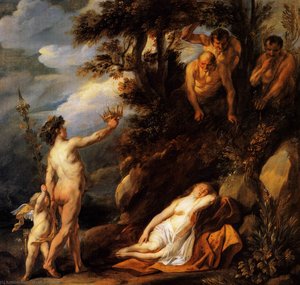
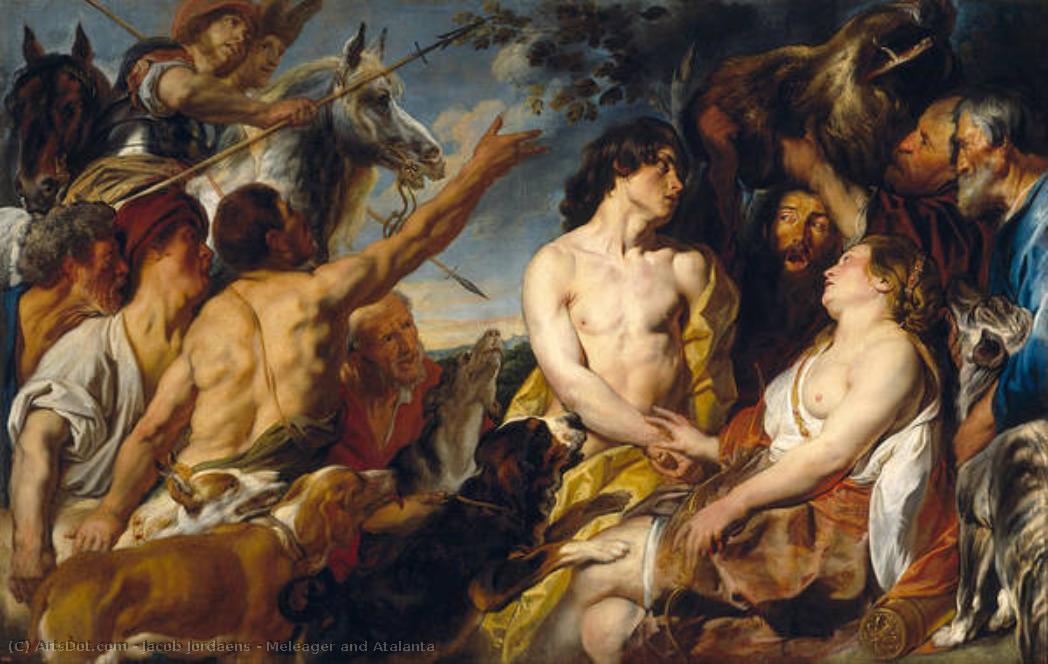
Meleager and Atalanta
 Oil On Canvas
- WallArt
- Baroque
 1624
1624 151.0 x 241.0 cm
 Prado Museum
 Read More
Hand Made Oil Reproduction
Hand-painted oil on canvas in your size and frame, made to order by our artists. ( Buy Print Buy Image)




P118B $10

P118H $10

P118W $10

P438Z $10

P508JH $12

P508YH $12

P805H $10

P805Z $10

P919BZ $10

P919G $10

P919XJ $10

P959ZH $10

P968JZ $12

W106C $8

W218G $10

W218JH $8

W218Y $10

W307PJ $10

W316G $10

W316PJ $8

W316Y $10

W398PJ $8

W4111J $10

W500HY $15

W500JH $15

W692G $12

W849H $8

W940BG $15

W953PJ $8




Pick from our preset sizes that match the artwork's original proportions.

You may enter your own dimensions to fit a specific frame or space. If your selected size does not match the original image's proportions, we will either crop the artwork or extend the painting with additional hand-painted elements. A digital mockup will be sent for your approval before production begins.
Please note that the on-screen preview does not reflect the actual cropping or extension. Only the mockup will accurately show the final composition.
While custom sizes are available, we recommend selecting a dimension from the predefined list to preserve the original proportions.
After order, ArtsDot.com team will email client for instructions and provide a mockup preview
Worldwide Delivery () in 3/4 weeks instead of standard 5 weeks. (17 August). No compromise on quality.

Free Worldwide Express Shipping

High-Quality Linen Canvas

Full Shipping Insurance

Customs Tax Refund Guarantee

True Color Matching Guarantee

60-Day Return Policy (Defects Only)

100% Money-Back Guarantee

Bulk Discount Offer
 Glass option is only available in size under 110 CM

Meleager and Atalanta
Reproduction Medium
Reproduction Size
-


Total Price
$ 263
Artwork Description
The Dramatic Narrative of Jacob Jordaens’ “Meleager and Atalanta”
Jacob Jordaens' "Meleager and Atalanta," painted in 1624, isn’t merely a depiction of a Greek myth; it’s a vibrant explosion of human drama, rendered with the characteristic exuberance of the Antwerp Baroque. The scene unfolds within a bustling, almost chaotic tableau – a testament to Jordaens' skill at capturing not just individual figures but the collective energy and tension of a pivotal moment. The painting immediately draws the eye into a world brimming with action: Meleager, clad in gleaming armor and wielding a spear, stands poised for battle, his face etched with fierce determination. Opposite him, Atalanta, equally formidable in her flowing dress and bow, embodies both grace and lethal capability. This isn’t a static mythological scene; it's a dynamic confrontation, hinting at the impending conflict between Meleager and his rival, Actaeon, who seeks to claim Atalanta’s hand.
- The Setting: A sprawling landscape, rendered in a muted palette of browns and greens, provides a dramatic backdrop. The cloudy sky suggests an approaching storm, mirroring the emotional turmoil at the heart of the scene.
- Figures in Motion: Jordaens masterfully employs diagonal lines to create a sense of movement – figures are caught mid-stride, arrows are launched, spears are raised. This dynamism is further emphasized by the overlapping poses and the crowded composition.
- Emotional Intensity: The faces of the characters convey a remarkable range of emotions—anger, determination, fear, and even a hint of vulnerability. Jordaens’ ability to capture such nuanced expressions elevates the painting beyond a simple illustration of a myth.
Baroque Grandeur and Flemish Realism
Jordaens was a pivotal figure in the Antwerp Baroque school, inheriting the legacy of Peter Paul Rubens while forging his own distinctive style. Unlike the idealized forms often associated with Italian Renaissance art, Jordaens embraced a more earthy realism, depicting everyday life alongside grand mythological scenes. This approach is evident in "Meleager and Atalanta," where the figures are rendered with a palpable sense of physicality—their muscles strained, their clothing realistically textured. The painting’s scale – measuring 151 x 241 cm – further contributes to its imposing presence, immersing the viewer within the scene.
Technique: Jordaens' masterful use of chiaroscuro (the dramatic contrast between light and dark) intensifies the emotional impact of the painting. He expertly manipulates shadows to highlight key figures and create a sense of depth, drawing the eye towards the central drama. The brushwork is loose and expressive, contributing to the overall feeling of movement and energy. The use of oil paint allows for rich colors and subtle gradations, adding to the realism of the scene.Mythological Symbolism and Human Drama
The story of Meleager and Atalanta is steeped in symbolism. Meleager represents strength and prowess, while Atalanta embodies independence and courage—qualities admired in women during the Renaissance. The impending hunt for the boar symbolizes a struggle for dominance and control. However, Jordaens doesn’t simply present a straightforward mythological narrative; he transforms it into a compelling human drama, exploring themes of love, rivalry, honor, and violence. The inclusion of numerous figures engaged in various activities—preparing weapons, tending to animals, conversing—adds layers of complexity to the scene, suggesting that this is not just a hunt but a microcosm of society itself.
Historical Context: Painted during the early 17th century, “Meleager and Atalanta” reflects the cultural values and artistic trends of the Antwerp Baroque. The painting’s popularity likely stemmed from its depiction of heroic figures engaged in exciting action—themes that resonated with audiences eager for spectacle and drama. The work also aligns with the broader trend of depicting mythological subjects as contemporary events, blurring the lines between history and legend.A Timeless Masterpiece: Reproduction and Interpretation
“Meleager and Atalanta” remains a captivating masterpiece, offering viewers a glimpse into the vibrant world of the Antwerp Baroque. Reproductions capture the painting’s dramatic intensity and rich detail, allowing art lovers to experience its beauty and power in their own homes. When selecting a reproduction, consider the quality of materials and printing techniques—a high-quality print will faithfully reproduce Jordaens' masterful brushwork and vibrant colors. This iconic work continues to inspire awe and admiration, serving as a testament to the enduring legacy of Jacob Jordaens.
Related Artworks
Artist Biography
A Flemish Master of Life’s Abundance: Jacob Jordaens
Born into a prosperous Antwerp family in 1593, Jacob Jordaens emerged as one of the most significant and vibrant voices within the Flemish Baroque. Unlike many of his contemporaries who sought training in Italy, Jordaens remained rooted in his native Flanders, developing a uniquely robust and earthy style that celebrated the pleasures and realities of everyday life. His father, a successful linen merchant, provided him with a comfortable upbringing, allowing for an education befitting his social standing before he began his artistic journey under Adam van Noort – also the master of Peter Paul Rubens. This formative training instilled in Jordaens a foundation in meticulous technique and a keen understanding of composition, yet he quickly diverged to forge his own distinct path. In 1616, solidifying his connection to the established Antwerp art world, he married Van Noort’s daughter, Katharina.The Painter of Peasant Revelry and Baroque Grandeur
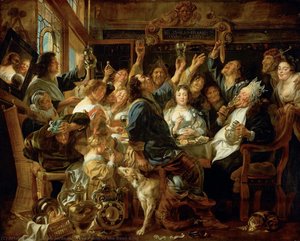
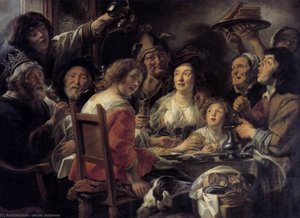
Jordaens' artistic output was remarkably diverse, encompassing religious narratives, mythological scenes, allegorical compositions, genre paintings brimming with life, and even portraits. However, he is perhaps best remembered for his boisterous depictions of peasant festivals and tavern scenes – works that radiate a palpable energy and an uninhibited joy in earthly pleasures. Paintings like *The King Drinks* (also known as the Feast of the Bean King) exemplify this characteristic style: crowded compositions filled with robust figures engaged in lively revelry, rendered in warm, glowing colors and dramatic chiaroscuro. These scenes weren’t merely celebrations of merriment; they were often imbued with subtle moralizing undertones, reflecting the complex relationship between indulgence and restraint prevalent in 17th-century society. Yet, Jordaens was equally adept at handling grander, more formal commissions. His involvement in decorating the Huis ten Bosch palace near The Hague – alongside collaborations with Rubens – showcased his ability to create monumental allegorical works that seamlessly integrated painting and architecture.Influences and a Distinct Artistic Voice
While Jordaens never traveled to Italy, he was deeply influenced by Italian masters like Jacopo Bassano, Paolo Veronese, and Caravaggio—artists whose work reached Flanders through engravings and paintings brought back by other artists. The influence of Caravaggio is particularly evident in his dramatic use of light and shadow, a technique known as tenebrism, which heightens the emotional intensity of his scenes. However, Jordaens didn’t simply imitate these influences; he synthesized them with his own Flemish sensibilities, creating a style that was uniquely his own. He differed from Rubens and Van Dyck in his preference for realism over idealism, embracing a more direct and unrefined approach to depicting the human form. His figures are often substantial, even corpulent, their faces flushed with health and vitality. This commitment to naturalism, combined with his masterful command of color and composition, set him apart from his contemporaries and established him as a leading figure in Flemish Baroque painting.Legacy and Enduring Impact
Throughout his long and prolific career, Jordaens trained numerous pupils – fifteen were officially recorded by the Guild of St. Luke between 1621 and 1667— ensuring the continuation of his artistic legacy. His influence can be seen in the work of later artists like Jan Steen, who shared his penchant for depicting lively genre scenes. Beyond his direct impact on other painters, Jordaens’ classically inspired peasant themes had a lasting effect on the art world, challenging traditional hierarchies and celebrating the dignity of everyday life. Even today, his paintings continue to captivate audiences with their energy, vitality, and honest portrayal of human experience. His ability to blend realism with allegory, sensuality with morality, and grandeur with intimacy makes him one of the most compelling and enduring figures of the Baroque period. Discover more of Jordaens’ masterpieces and explore the rich artistic landscape of the Baroque era through resources available online, including detailed databases of his works and insightful analyses of his life and art.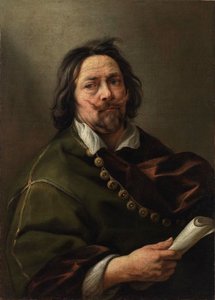
Jacob Jordaens
1593 - 1678 , Belgium
Quick Facts
- Artistic Movement Or Style: Baroque
- Artists Or Movements Influenced By This Artist: ['Jan Steen']
- Artists Who Influenced This Artist:
- Jacopo Bassano
- Paolo Veronese
- Caravaggio
- Date Of Birth: May 19, 1593
- Date Of Death: 1678
- Full Name: Jacob Jordaens
- Nationality: Flemish
- Notable Artworks:
- The Adoration of the Shepherds
- Argus and Mercury
- Place Of Birth: Antwerp, Belgium
Related Articles
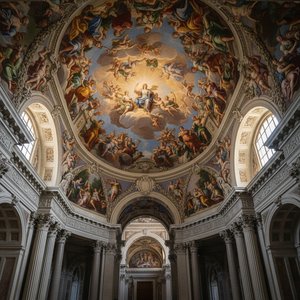
Pietro da Cortona: Baroque Grandeur & the Synthesis of Roman Painting
Explore the life & masterpieces of Pietro da Cortona, a defining figure of the Italian Baroque. Discover his stunning frescoes at Palazzo Barberini and lasting influence on Roman art history. Learn more with ArtsDot.
The Pursuit of Power & Prestige: Hunting Scenes in Western Art
Explore the rich history of hunting scenes in Western art, from royal pursuits to powerful allegories. Discover masterpieces & expert insights for discerning collectors. ArtsDot offers museum-quality reproductions.
Guido Reni: A Study in Baroque Classicism & Artistic Perfection
Explore the life & work of Guido Reni, a master of Baroque classicism. Discover his iconic religious & mythological paintings, and understand his enduring influence on art history. Expert analysis for collectors.

Golden Age Reflections: Dutch Baroque Painting & Cultural Innovation
Explore the Dutch Golden Age of painting! Discover key artists like Vermeer & ter Borch, their innovative techniques, and the rich cultural context behind these Baroque masterpieces. Learn about collecting & appreciating this iconic art period.
Echoes of Olympus: Mythological Narratives in Western Art Through the Ages
Explore the captivating history of mythological narratives in Western art! From ancient Greece to modern masterpieces, discover iconic artworks & symbolism. Expert analysis and high-quality reproductions at ArtsDot.