 Preview
 Send
Send Share
Share
 Details

 Download
 Similars
 X-Ray
X-Ray Diaporama
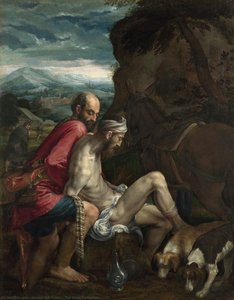
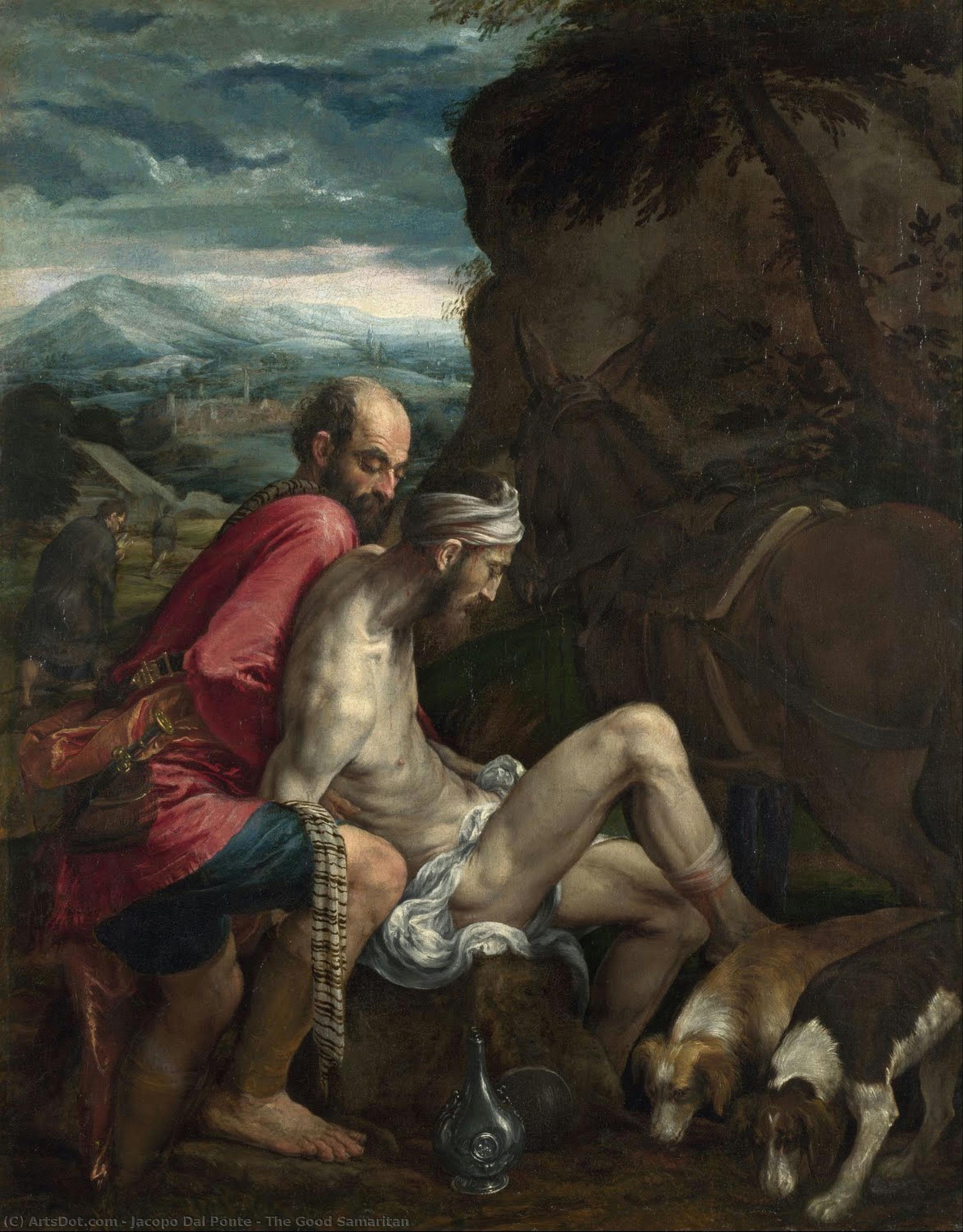
The Good Samaritan
 Acrylic On Canvas
- WallArt
- Baroque Renaissance
 1562
1562 102.0 x 79.0 cm
 National Gallery
 Read More
Hand Made Oil Reproduction
Hand-painted oil on canvas in your size and frame, made to order by our artists. ( Buy Print Buy Image)




P118B $10

P118H $10

P118W $10

P438Z $10

P508JH $12

P508YH $12

P805H $10

P805Z $10

P919BZ $10

P919G $10

P919XJ $10

P959ZH $10

P968JZ $12

W106C $8

W218G $10

W218JH $8

W218Y $10

W307PJ $10

W316G $10

W316PJ $8

W316Y $10

W398PJ $8

W4111J $10

W500HY $15

W500JH $15

W692G $12

W849H $8

W940BG $15

W953PJ $8




Pick from our preset sizes that match the artwork's original proportions.

You may enter your own dimensions to fit a specific frame or space. If your selected size does not match the original image's proportions, we will either crop the artwork or extend the painting with additional hand-painted elements. A digital mockup will be sent for your approval before production begins.
Please note that the on-screen preview does not reflect the actual cropping or extension. Only the mockup will accurately show the final composition.
While custom sizes are available, we recommend selecting a dimension from the predefined list to preserve the original proportions.
After order, ArtsDot.com team will email client for instructions and provide a mockup preview
Worldwide Delivery () in 3/4 weeks instead of standard 5 weeks. (21 August). No compromise on quality.

Free Worldwide Express Shipping

High-Quality Linen Canvas

Full Shipping Insurance

Customs Tax Refund Guarantee

True Color Matching Guarantee

60-Day Return Policy (Defects Only)

100% Money-Back Guarantee

Bulk Discount Offer
 Glass option is only available in size under 110 CM

The Good Samaritan
Reproduction Medium
Reproduction Size
-


Total Price
$ 263
Artwork Description
A Testament to Compassion: Jacopo Dal Ponte’s “The Good Samaritan”
“The Good Samaritan,” painted in 1562 by the Venetian master Jacopo Dal Ponte, is more than just a depiction of a biblical parable; it's a profound meditation on humanity, mercy, and the enduring power of empathy. This arresting work, now meticulously reproduced as a hand-painted artwork for ArtsDot.com, invites viewers into a scene brimming with quiet drama and emotional resonance. Dal Ponte’s skill lies not merely in his technical proficiency – the meticulous rendering of fabrics, the subtle play of light on stone – but in his ability to imbue ordinary figures with extraordinary depth.
The painting unfolds against a stark, rocky landscape, reminiscent of the rugged terrain surrounding Venice. A lone traveler, stripped bare and gravely wounded, lies prone at the roadside, a poignant symbol of vulnerability and suffering. Beside him kneels another man, offering not just assistance but a tangible act of care – tending to his wounds with unwavering attention. The composition is carefully balanced; the injured man occupies the lower left quadrant, drawing our eye immediately to his plight, while the Samaritan’s figure dominates the right, radiating an aura of compassion and resolute action. Three other individuals are present: one standing slightly off-center, another near the center, and a third positioned on the right side, adding layers of witness to this pivotal moment.
A Renaissance Master at Work – Technique and Style
Dal Ponte was a key figure in the Venetian School, renowned for its rich color palettes and dramatic use of light. “The Good Samaritan” exemplifies these characteristics brilliantly. The artist employs *sfumato*, a technique perfected by Leonardo da Vinci, to soften edges and create an atmospheric haze, lending the scene a sense of realism and immediacy. Notice how the shadows are not simply dark voids but subtly rendered with layers of color, suggesting depth and texture. The use of warm tones – ochre, umber, and crimson – contrasts sharply with the cool blues and grays of the background, further emphasizing the figures and drawing our attention to their plight. The horse behind the Samaritan is a deliberate addition, symbolizing strength, protection, and perhaps even divine intervention—a subtle nod to the spiritual dimension of the story.
Historical Context: Faith, Charity, and Venetian Society
Painted in 1562, during the height of the Renaissance, “The Good Samaritan” reflects both the era’s artistic ideals and its prevailing social concerns. The parable itself was a central theme in Christian teachings, emphasizing the importance of charity and compassion towards one's fellow human beings – particularly those in need. Venice at this time was a wealthy and powerful city-state, but beneath the veneer of prosperity lay significant social inequalities. The painting can be interpreted as a subtle commentary on these disparities, urging viewers to consider their own responsibilities to the less fortunate. Dal Ponte’s work aligns with the humanist values of the Renaissance, which championed reason, human potential, and the pursuit of knowledge – but also recognized the importance of ethical conduct and social justice.
Symbolism and Emotional Resonance
Beyond its narrative content, “The Good Samaritan” is rich in symbolism. The wounded traveler represents humanity’s fallen state, stripped bare of dignity and exposed to suffering. The Samaritan embodies selfless love and unwavering commitment to another's well-being. The act of tending to the injured man signifies a profound connection—a recognition of shared humanity. The scene evokes a powerful emotional response – a sense of empathy, compassion, and hope. It’s a reminder that even in the darkest of times, acts of kindness can transform lives and offer solace to those who are most vulnerable. The reproduction captures this essence perfectly, allowing viewers to experience the painting's enduring power and beauty.
A Timeless Masterpiece – Perfect for Your Space
Whether displayed as a statement piece in a grand salon or a thoughtful addition to a smaller room, Jacopo Dal Ponte’s “The Good Samaritan” is an investment in art that speaks to the heart. Its rich colors, masterful technique, and profound message will undoubtedly captivate viewers for generations to come. The meticulously crafted reproduction by ArtsDot.com ensures that every detail of this iconic painting is faithfully preserved, offering a stunning and authentic representation of a true Renaissance masterpiece.
Related Artworks
Artist Biography
The Shadowed Canvas: Exploring the Life and Art of Jean-Baptiste Mongeau
Jean-Baptiste Mongeau, a name perhaps less familiar than his contemporaries, nevertheless stands as a pivotal figure in the late 18th and early 19th French art world. Born in Lyon in 1765, Mongeau’s life was inextricably linked to the tumultuous era of the French Revolution and its immediate aftermath – an experience that profoundly shaped both his artistic vision and his subject matter. While he lacked the formal training afforded to many artists of his time, a self-taught master, Mongeau developed a distinctive style characterized by dramatic chiaroscuro, meticulous detail, and a haunting exploration of human emotion amidst societal upheaval. His work offers a poignant reflection on the psychological impact of political change and the enduring search for beauty in a world increasingly defined by chaos.Early Life and Influences – A Lyoner’s Perspective
Mongeau's upbringing in Lyon, a vibrant center of commerce and industry during the Revolution, instilled within him a keen awareness of social disparity and political unrest. The city’s bustling markets, its skilled artisans, and its growing population of refugees created a rich tapestry of human experience – an environment that would later permeate his art. Unlike many artists who sought patronage in Paris, Mongeau remained rooted in Lyon, finding inspiration not only in the city's physical landscape but also in the stories of its people. Early influences included the Neoclassical ideals championed by Jacques-Louis David, though Mongeau quickly diverged from the rigid formality of his predecessor, injecting a raw emotionality and a darker palette into his compositions. The works of Rembrandt, particularly his masterful use of light and shadow, also exerted a significant influence on Mongeau’s technique, contributing to the dramatic intensity that would become a hallmark of his style.The Revolutionary Years – Painting the Unseen
Mongeau's artistic output during the Revolution was largely undocumented, reflecting the precarious circumstances under which many artists operated at the time. However, surviving sketches and a small number of finished paintings—primarily portraits and scenes depicting the plight of ordinary citizens—offer invaluable insights into his perspective. He eschewed grand historical narratives, instead focusing on intimate moments of suffering, resilience, and quiet dignity. His subjects were often marginalized figures – laborers, widows, and children – rendered with an unflinching honesty that challenged the idealized representations prevalent in official art. A particularly striking work, “The Baker’s Lament,” depicts a weary man staring into a loaf of bread, symbolizing not just hunger but also the loss of security and hope during a time of widespread famine. These paintings weren't intended for public display; they were often commissioned privately by sympathetic individuals or circulated discreetly among a small circle of supporters.A Shift Towards Symbolism – The Post-Revolutionary Period
Following the Thermidorian Reaction and the rise of Napoleon, Mongeau’s artistic focus subtly shifted. While he continued to depict scenes of human suffering, his work began to incorporate elements of symbolism and allegory, reflecting a growing disillusionment with political power and a yearning for spiritual solace. He explored themes of mortality, redemption, and the enduring strength of the human spirit. His palette darkened further, utilizing somber blues, greens, and browns alongside flashes of vibrant crimson – colors that evoked both pain and hope. His paintings during this period often featured recurring motifs—broken columns, withered flowers, and solitary figures—representing the ruins of a shattered society and the arduous path towards renewal.Legacy and Historical Significance
Jean-Baptiste Mongeau’s artistic legacy is one of quiet intensity and profound emotional resonance. Despite his relative obscurity during his lifetime, his work has been increasingly recognized for its unique contribution to French art in the late 18th and early 19th centuries. He stands as a testament to the power of art to bear witness to historical events and to explore the complexities of the human condition. His unflinching portrayal of social injustice and his masterful manipulation of light and shadow continue to captivate viewers today, reminding us of the enduring relevance of his artistic vision. Mongeau’s work is now housed primarily in private collections, but reproductions offer a window into the soul of a man who sought to capture the shadows and illuminate the truths of his time.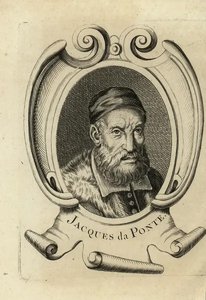
jacopo dal ponte
1592 , Italy
Related Articles

Jacopo Tintoretto's Masterpieces: 25 Paintings That Define Venetian Drama | ArtsDot
Explore 25 breathtaking masterpieces by Jacopo Tintoretto, the Venetian master of drama and light. Discover the stories behind iconic Renaissance paintings & find museum-quality art reproductions to elevate your home decor on ArtsDot.com.
Jacopo Bassano: A Venetian Master of Color, Family & the Renaissance Landscape
Explore the life & art of Jacopo Bassano, a Venetian master renowned for his vibrant colorism and innovative religious scenes. Discover his family legacy & enduring influence on Renaissance painting with ArtsDot.
Illuminating Shadows: A Comprehensive Exploration of Chiaroscuro Technique in Art History
Explore the captivating world of chiaroscuro! Discover its history, masters like Caravaggio & de La Tour, and enduring influence on art. A comprehensive guide for enthusiasts.
Chiaroscuro & Emotional Resonance: Exploring Dramatic Light in Western Painting
Explore the captivating world of chiaroscuro & tenebrism! Discover Caravaggio's influence, Baroque masters, and the enduring power of dramatic lighting in art history. Learn about these techniques with ArtsDot.
Jacopo Palma il Giovane: A Venetian Master's Poetic Evolution
Explore the captivating world of Jacopo Palma il Giovane, a pivotal Venetian Renaissance master. Discover his unique style, influenced by Titian & Tintoretto, and learn about key works perfect for discerning collectors.