 Preview
 Send
Send Share
Share
 Details

 Download
 Similars
 X-Ray
X-Ray Diaporama
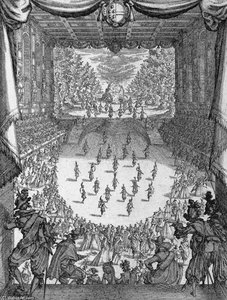
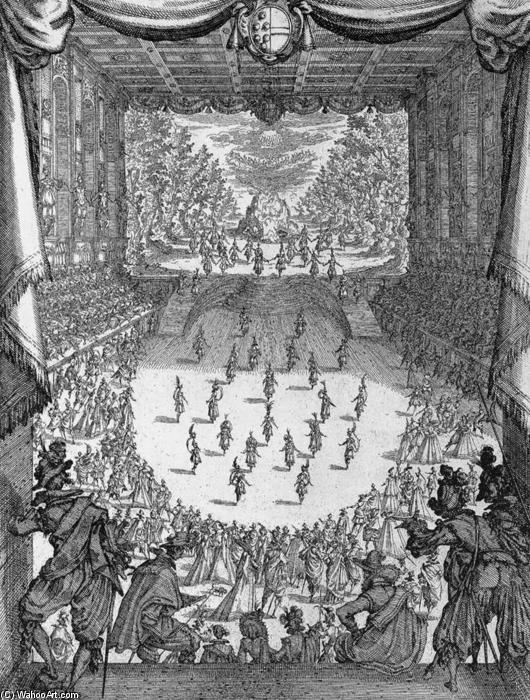
Interlude in the Medici Theater
 Etching
- WallArt
- Baroque etching
 1617
1617 273.0 x 200.0 cm
 Galleria degli Uffizi
 Read More
Hand Made Oil Reproduction
Hand-painted oil on canvas in your size and frame, made to order by our artists. ( Buy Print Buy Image)




P118B $10

P118H $10

P118W $10

P438Z $10

P508JH $12

P508YH $12

P805H $10

P805Z $10

P919BZ $10

P919G $10

P919XJ $10

P959ZH $10

P968JZ $12

W106C $8

W218G $10

W218JH $8

W218Y $10

W307PJ $10

W316G $10

W316PJ $8

W316Y $10

W398PJ $8

W4111J $10

W500HY $15

W500JH $15

W692G $12

W849H $8

W940BG $15

W953PJ $8




Pick from our preset sizes that match the artwork's original proportions.

You may enter your own dimensions to fit a specific frame or space. If your selected size does not match the original image's proportions, we will either crop the artwork or extend the painting with additional hand-painted elements. A digital mockup will be sent for your approval before production begins.
Please note that the on-screen preview does not reflect the actual cropping or extension. Only the mockup will accurately show the final composition.
While custom sizes are available, we recommend selecting a dimension from the predefined list to preserve the original proportions.
After order, ArtsDot.com team will email client for instructions and provide a mockup preview
Worldwide Delivery () in 3/4 weeks instead of standard 5 weeks. (17 August). No compromise on quality.

Free Worldwide Express Shipping

High-Quality Linen Canvas

Full Shipping Insurance

Customs Tax Refund Guarantee

True Color Matching Guarantee

60-Day Return Policy (Defects Only)

100% Money-Back Guarantee

Bulk Discount Offer
 Glass option is only available in size under 110 CM

Interlude in the Medici Theater
Reproduction Medium
Reproduction Size
-


Total Price
$ 1488
Artwork Description
A Window Into Renaissance Spectacle: Jacques Callot’s “Interlude in the Medici Theater”
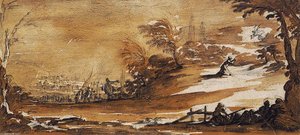
Jacques Callot's "Interlude in the Medici Theater," etched in 1617, isn’t merely a depiction of a theatrical performance; it’s a meticulously crafted portal into the vibrant and often turbulent world of Renaissance Florence. This remarkable print, now housed within the Galleria degli Uffizi, offers a breathtakingly detailed glimpse into the opulent spectacle of the Medici Theater, capturing a moment brimming with energy, social interaction, and the sheer grandeur of court entertainment. More than just a visual record, it’s a testament to Callot's revolutionary etching techniques and his profound ability to convey both the outward splendor and underlying complexities of 17th-century life.
The composition immediately draws the eye towards the central stage, where dancers and musicians engage in lively performance. The scene unfolds with remarkable breadth, extending outwards into a teeming audience – a microcosm of Florentine society itself. Aristocrats mingle with commoners, nobles observe from their elevated positions, and the overall impression is one of controlled chaos, a carefully orchestrated display of wealth, power, and artistic expression. Notice how Callot masterfully uses perspective; figures diminish in size as they recede into the background, creating an illusion of depth that anchors the viewer within this bustling space.
The Alchemy of Etching: Technique and Innovation
What truly distinguishes “Interlude in the Medici Theater” is Callot’s unparalleled mastery of etching. He didn't simply reproduce a scene; he sculpted it with lines, employing an array of techniques that pushed the boundaries of printmaking at the time. The most significant innovation was his development of the ‘échoppe,’ a specialized etching needle featuring an oval section – a tool that allowed him to create swelling, organic lines mimicking those produced by engravers. This technique dramatically expanded the range of tonal and expressive possibilities within etching.
- Cross-Hatching: Callot’s extensive use of cross-hatching creates a remarkable sense of texture and depth, simulating the feel of velvet costumes, polished wood, and the shimmering fabric of the theater's ceiling.
- Burin & Drypoint: He skillfully combined burin (a smooth-edged tool) with drypoint (creating lines by scratching into the metal plate), layering these techniques to achieve both precise detail and subtle tonal variations.
- Multiple Impressions: The print was likely created through multiple impressions, allowing Callot to refine details and adjust tones with each iteration – a testament to his meticulous approach.
The absence of color further emphasizes the intricacy of the lines and textures, forcing the viewer to engage with the image on a purely visual level. The monochromatic palette—ranging from deep blacks to delicate whites—creates a dramatic contrast that highlights the forms and adds to the print’s overall sense of theatricality.
A Window into a World: Context and Symbolism
"Interlude in the Medici Theater" offers more than just a visual spectacle; it provides a valuable window into the social and cultural landscape of Renaissance Florence. The theater itself was a central hub of Florentine life, serving as a venue for entertainment, political discourse, and social interaction. The figures depicted—the dancers, musicians, nobles, and commoners—represent a cross-section of Florentine society, reflecting its wealth, power, and artistic sensibilities.
Symbolism subtly permeates the scene. The elaborate costumes and opulent décor speak to the extravagance of the Medici court, while the lively performance suggests a celebration of art and culture. The sheer density of figures hints at the social dynamics within the theater—the hierarchies, rivalries, and alliances that shaped Florentine society. It’s important to remember this was created during the tumultuous Thirty Years' War, and Callot’s work often reflected the anxieties and realities of conflict.
A Legacy in Print: Influence and Enduring Appeal
Jacques Callot’s “Interlude in the Medici Theater” stands as a pivotal work in the history of printmaking. His innovative techniques—particularly the ‘échoppe’—influenced generations of artists, including Rembrandt, who recognized his genius and championed his artistic vision. The print's dramatic intensity, meticulous detail, and evocative portrayal of human experience continue to captivate viewers today, solidifying Callot’s legacy as one of the most important and influential printmakers of all time. Reproductions of this masterpiece offer a remarkable opportunity to bring this vibrant scene into any space, transporting the viewer back to the heart of Renaissance Florence.
Related Artworks
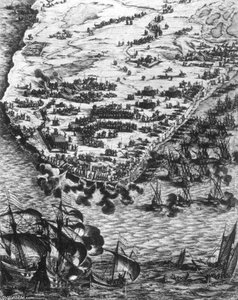
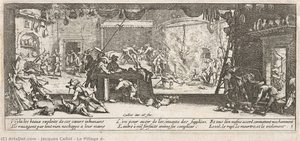
Artist Biography
The Master of the Etched Line: The Life and Legacy of Jacques Callot
In the grand tapestry of the Baroque era, few threads are as fine or as piercingly detailed as those woven by Jacques Callot. A virtuoso who eschewed the broad strokes of oil painting in favor of the precise, biting needle of the etching tool, Callot transformed printmaking from a secondary craft into a profound medium of social commentary and technical brilliance. Born in the region of Lorraine around 1592, his journey was one of movement and metamorphosis, carrying him from the privileged halls of his noble upbringing to the vibrant, often chaotic streets of Rome and Florence. He did not merely record history; he etched its very soul onto copper plates, capturing the fleeting shadows of human suffering and the opulent splendor of courtly life with equal intensity.
Callot’s artistic evolution was deeply shaped by his travels across Europe, which allowed him to absorb the diverse textures of the seventeenth century. His early training in Nancy provided a foundation of discipline, but it was his time in Italy that truly ignited his genius. Under the guidance of masters like Philipp Tessmann in Rome and later within the prestigious workshops of Florence, Callot learned to marry the humanist ideals of the Renaissance with the dramatic, emotional weight of the Baroque. His service to the Medici court provided him with unparalleled access to the heights of aristocratic culture, yet he remained a keen observer of the world beneath the gilded surface, documenting the grit and grime of urban existence with an unflinching eye.
Technical Revolution and the Échoppe
What truly set Callot apart from his contemporaries was his revolutionary approach to the medium itself. Before Callot, etching often lacked the tonal depth and varied line weight characteristic of traditional engraving. He bridged this gap through a brilliant technical innovation: the creation of the échoppe. This specialized etching needle, featuring an oval-shaped tip, allowed him to manipulate the pressure of the stroke to create swelling and tapering lines. This breakthrough enabled him to mimic the graceful, varying widths of an engraver's tool, bringing a new level of sculptural dimension and fluid movement to his prints. Through this mastery, he achieved a level of detail that could render the delicate lace of a nobleman’s sleeve or the harrowing, jagged textures of a battlefield with equal precision.
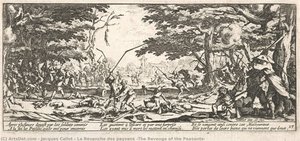
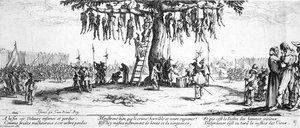
This technical prowess allowed for an unprecedented range of subject matter, most notably in his celebrated series documenting the darker side of humanity. His work often serves as a visceral window into the Miseries of War, where he captured the raw, chaotic violence of conflict. In masterpieces such as Le Pillage, the viewer is thrust into a world of disorder and destruction, where the fine lines of his needle convey the frantic energy of a landscape in upheaval. Conversely, his ability to capture light and theatricality is evident in works like Interlude in the Medici Theater, where the intricate compositions evoke the vibrant, staged magic of Renaissance performance.
A Lasting Impression on Art History
The historical significance of Jacques Callot extends far beyond the borders of the seventeenth century. He was a pioneer of what we now recognize as "old master prints," establishing a standard of narrative complexity and technical execution that would inspire generations of printmakers. His influence can be traced through the centuries, most notably in the works of Francisco Goya, who shared Callot’s ability to use the graphic medium to explore the darker, more grotesque aspects of the human condition. By elevating the etching needle to a tool of profound psychological and social depth, Callot ensured that his vision would endure.
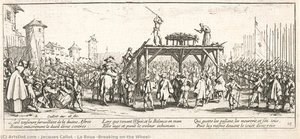
Ultimately, Callot’s body of work remains a hauntingly beautiful paradox: it is both a meticulous record of historical brutality and a celebration of artistic finesse. Whether he was depicting the grim reality of La Roue (Breaking on the Wheel) or the delicate grace of a courtly dance, his prints possess a timeless quality that transcends their era. He remains a singular voice in the Baroque canon—a master who found the infinite within the infinitesimal, proving that even the smallest etched line could carry the weight of the world.
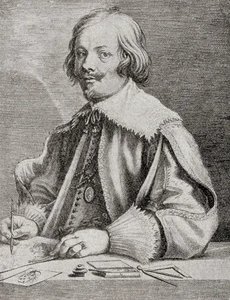
Jacques Callot
1592 - 1635 , France
Quick Facts
- Artistic Movement Or Style: Baroque etching
- Artists Or Movements Influenced By This Artist: ['Rembrandt']
- Artists Who Influenced This Artist: ['Philippe Thomassin']
- Date Of Birth: c. 1592
- Date Of Death: 1635
- Full Name: Jacques Callot
- Nationality: French
- Notable Artworks:
- The Holy Family at Table
- Scene from the Grandes Misères de la Guerre
- Landscape
- Place Of Birth: Lorraine, France
Related Articles
Etching: A Historical Survey of Technique, Aesthetic Qualities & Enduring Artistic Significance
Explore the rich history of etching, from its origins to Rembrandt's masterful innovations. Discover the technique, aesthetic qualities & enduring legacy of this captivating art form. Expert insights for collectors and enthusiasts.
Etching Masters: 10 Legendary Prints That Revolutionized Art | ArtsDot
Journey through 10 legendary etching masterpieces by Rembrandt, Dürer & Goya. Explore the history of printmaking and discover timeless art for your home. Find museum-quality reproductions at ArtsDot.com.
The Intricate World of Etching: A Historical Survey of Technique, Aesthetic Evolution, and Enduring Artistic Impact
Explore the rich history of etching, from its origins to modern practice. Discover techniques, key artists like Rembrandt, and insights for collectors. A comprehensive guide by ArtsDot.

Dark Masterpieces: 10 Iconic Paintings Dominated by Black Tones |
Explore 10 iconic paintings dominated by black tones, from Rembrandt’s chiaroscuro to Goya's dark expressions. Discover the stories behind these masterpieces & find museum-quality art reproductions for your home at .
The Enduring Legacy of Printmaking: Techniques, Themes & Artistic Innovation Across Centuries
Explore the rich history of printmaking with ArtsDot. Discover techniques from intaglio to lithography, learn about collecting valuable prints & find museum-quality reproductions. Expert insights for art enthusiasts and collectors.