 Preview
 Send
Send Share
Share
 Details

 Download
 Similars
 X-Ray
X-Ray Diaporama
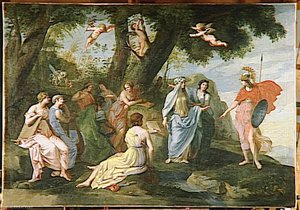
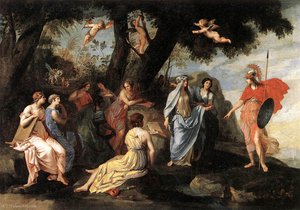
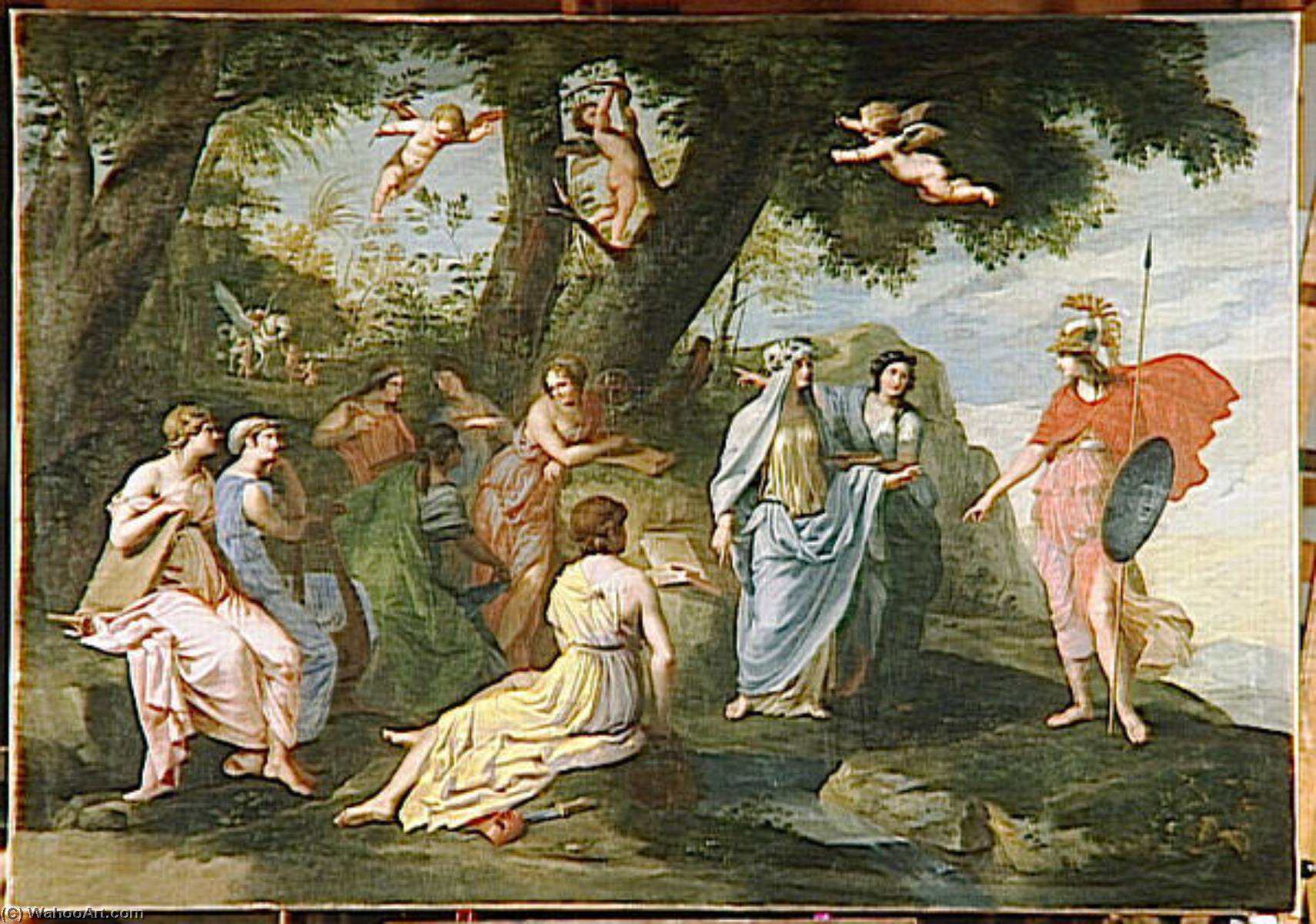
MINERVE CHEZ LES MUSES


 Read More
Hand Made Oil Reproduction
Hand-painted oil on canvas in your size and frame, made to order by our artists. ( Buy Print Buy Image)




P118B $10

P118H $10

P118W $10

P438Z $10

P508JH $12

P508YH $12

P805H $10

P805Z $10

P919BZ $10

P919G $10

P919XJ $10

P959ZH $10

P968JZ $12

W106C $8

W218G $10

W218JH $8

W218Y $10

W307PJ $10

W316G $10

W316PJ $8

W316Y $10

W398PJ $8

W4111J $10

W500HY $15

W500JH $15

W692G $12

W849H $8

W940BG $15

W953PJ $8




Pick from our preset sizes that match the artwork's original proportions.

You may enter your own dimensions to fit a specific frame or space. If your selected size does not match the original image's proportions, we will either crop the artwork or extend the painting with additional hand-painted elements. A digital mockup will be sent for your approval before production begins.
Please note that the on-screen preview does not reflect the actual cropping or extension. Only the mockup will accurately show the final composition.
While custom sizes are available, we recommend selecting a dimension from the predefined list to preserve the original proportions.
After order, ArtsDot.com team will email client for instructions and provide a mockup preview
Worldwide Delivery () in 3/4 weeks instead of standard 5 weeks. (16 August). No compromise on quality.

Free Worldwide Express Shipping

High-Quality Linen Canvas

Full Shipping Insurance

Customs Tax Refund Guarantee

True Color Matching Guarantee

60-Day Return Policy (Defects Only)

100% Money-Back Guarantee

Bulk Discount Offer
 Glass option is only available in size under 110 CM

MINERVE CHEZ LES MUSES
Reproduction Medium
Reproduction Size
-


Total Price
$ 488
Artwork Description
A Divine Gathering: Minerva Chez les Muses
To gaze upon this magnificent depiction of Minerve Chez les Muses is to step directly into the golden age of classical mythology, a moment suspended in an eternal afternoon of intellectual bloom. The scene unfolds with breathtaking richness, presenting Minerva, the embodiment of wisdom and strategic thought, surrounded by her divine companions—the Muses, goddesses patronizing the arts and sciences. It is more than just a painting; it is a vibrant ode to human creativity itself, rendered with the dramatic flourish characteristic of the Baroque period.
Baroque Grandeur and Compositional Mastery
The artist has masterfully employed the dynamism inherent in the Baroque style. Notice how the composition refuses stasis; instead, it flows with an almost palpable energy. The arrangement is a carefully orchestrated semicircle, guiding the viewer's eye from the foreground figures up towards the celestial realm where cherubic angels drift amongst the lush canopy of the central tree. This interplay between grounded human activity and ethereal divine presence creates incredible visual tension. The use of curvilinear forms dominates, lending a sense of perpetual movement to every leaf, drape of fabric, and reclining figure. It is a feast for the eye, designed not merely to be looked at, but to be experienced.
The Language of Light and Earth Tones
Technically, the painting speaks volumes through its handling of light. The illumination is naturalistic, suggesting a glorious sunlight filtering through dense foliage—a diffused radiance that kisses the skin tones and catches the folds of drapery in soft highlights. This masterful use of light contrasts beautifully with the deep, earthy palette of greens, browns, and ochres that anchor the scene within its verdant landscape. These warm, grounding tones are punctuated by cooler accents of blue and cream on the figures' garments, giving the entire tableau a luminous depth. The visible brushwork hints at the painstaking layering of oil paint, allowing the viewer to appreciate both the illusion of smooth skin and the tangible texture of bark.
Symbolism: The Pursuit of Knowledge
At its heart, this artwork is a profound meditation on inspiration. Minerva’s central placement underscores her role as the guiding intellect, while the Muses represent the myriad channels through which human genius flows—from poetry to history, from painting to science. The entire gathering evokes a sense of harmonious pursuit; it suggests that true wisdom is not found in isolation, but in communal dialogue and artistic endeavor. For those who cherish learning, creativity, or classical ideals, this piece serves as an enduring talisman, whispering promises of enlightenment.
Bringing Antiquity Home
For the collector or designer seeking to infuse a space with unparalleled cultural weight and artistry, a reproduction of this work offers immediate grandeur. It possesses the gravitas of Old Master painting while maintaining a vibrant, accessible energy. Whether placed in a grand salon or a library dedicated to study, its mythological subject matter and rich Baroque execution ensure that it becomes an instant focal point—a breathtaking conversation piece that speaks eloquently of beauty, intellect, and timeless artistry.
Related Artworks
Artist Biography
Jacques de Stella: A Classicist Bridging Florence and Paris
Jacques de Stella (1596-1657) stands as a pivotal figure in 17th-century French art, a painter whose career seamlessly blended the rigorous principles of Florentine classicism with the burgeoning dynamism of Roman influence. Born in Lyon to a family steeped in artistic tradition – his father, François Stella, was a painter and merchant of Flemish origin – Stella’s early life laid the foundation for a remarkable trajectory. Despite his father's untimely death before providing formal training, Stella’s siblings, including sculptor Madeleine and artist François the Younger, fostered an environment rich with creative discourse and artistic practice. This familial legacy, coupled with his uncle Antoine Stella’s own artistic pursuits, propelled him towards a life dedicated to visual expression.
Stella's artistic journey commenced in Lyon, where he honed his skills before embarking on a transformative period in Florence between 1616 and 1621. This sojourn within the court of Cosimo II de Medici proved profoundly influential. Working alongside Jacques Callot, Stella immersed himself in the ideals of Renaissance art, absorbing the meticulous detail, balanced compositions, and profound moral narratives characteristic of Florentine painting. The influence of Florence is undeniably evident throughout his oeuvre, particularly in his masterful use of perspective, drapery, and the depiction of religious figures with a dignified solemnity.
The Roman Years: Poussin’s Shadow and Papal Patronage
Following Cosimo II's death in 1621, Stella relocated to Rome, where he spent the next decade establishing himself as a respected artist. This period witnessed a significant shift in his artistic sensibilities, marked by an increasing engagement with classical antiquity and, crucially, the teachings of Nicolas Poussin. Poussin’s emphasis on light, color, and idealized forms resonated deeply with Stella, shaping his approach to composition and subject matter. Their friendship fostered a shared pursuit of clarity, restraint, and spiritual depth – qualities that would become hallmarks of Stella's style.
Stella’s Roman career was further distinguished by his patronage from Pope Urban VIII, who recognized the artist’s talent and commissioned numerous works, including intricate paintings on stone (onyx, lapis-lazuli, or slate) alongside more traditional panel paintings. These commissions showcased Stella's technical virtuosity and his ability to translate complex narratives into visually compelling forms. His work during this time demonstrated a masterful command of technique, evident in the precise rendering of textures, the subtle gradations of light and shadow, and the harmonious integration of figures within their environments.
Religious Themes and Royal Recognition
Stella’s artistic output was particularly focused on religious subjects, most notably his poignant depictions of the “Childhood of Christ.” Five distinct versions of this iconic scene exist, each offering a subtly different interpretation of the narrative. These paintings are not merely representations of biblical events; they are imbued with a profound sense of tenderness, vulnerability, and spiritual contemplation. The meticulous detail with which Stella portrays the infant Jesus’s interactions with his parents – Mary and Joseph – speaks to his deep understanding of human emotion and his ability to convey complex theological ideas through visual imagery.
In 1634, Stella returned to Lyon before moving to Paris in 1635. His arrival in the capital marked a significant turning point in his career. Presented to King Louis XIII by Cardinal Richelieu, he was granted the prestigious title of ‘Peintre du Roi’ (King's Painter), a position that afforded him royal patronage and a guaranteed pension of 1000 livres. This recognition solidified Stella’s status as one of France’s leading artists, allowing him to continue his artistic pursuits with relative security and freedom.
A Collector and Legacy
Beyond his prolific painting and engraving activities, Jacques Stella was an avid art collector throughout his life. He amassed a remarkable collection of works by Poussin, Raphael, and Michelangelo, alongside drawings by Leonardo da Vinci – demonstrating a deep appreciation for the artistic heritage of the past. His dedication to preserving and studying these masterpieces underscores his commitment to both artistic creation and historical scholarship.
Stella’s career spanned several decades, marked by a remarkable adaptability and a willingness to embrace diverse artistic styles. He died in Paris, leaving behind a substantial body of work that continues to be admired for its elegance, technical skill, and profound spiritual depth. His influence on subsequent generations of French painters is undeniable, cementing his place as a key figure in the transition from Mannerism to Classicism and a vital link between the artistic traditions of Florence and France.

jacques de stella
1596 - 1657
Quick Facts
- Artistic Movement Or Style: Classicism, Florentine & Roman art
- Artists Or Movements Influenced By This Artist:
- Poussin
- Raphael
- Artists Who Influenced This Artist:
- Jacques Callot
- Nicolas Poussin
- Date Of Birth: 1596
- Date Of Death: 1657
- Full Name: Jacques de Stella
- Nationality: French
- Notable Artworks:
- Jesus discovered by his parents
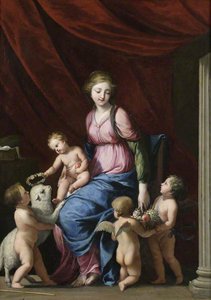
- La Vierge, L’Enfant Jésus et Saint Jean Baptiste
- Triomphe de Louis XIII
- Place Of Birth: Lyon, France
Related Articles
Baroque Classicism: Reconciling Drama & Order in 17th-Century Art
Explore the captivating world of Baroque Classicism! Discover its history, key artists like Caravaggio & Rubens, and defining characteristics. Expert insights & high-quality reproductions at ArtsDot.
Neo-Classicism's Greatest Hits: 10 Masterpieces for Your Home |
Journey through Neo-Classicism's finest! Explore 10 iconic masterpieces by David, Ingres & Canova. Discover art history, techniques & timeless beauty – perfect for inspiring your home decor. Find museum-quality reproductions at
Echoes of Olympus: Mythological Narratives in Western Art Through the Ages
Explore the captivating history of mythological narratives in Western art! From ancient Greece to modern masterpieces, discover iconic artworks & symbolism. Expert analysis and high-quality reproductions at ArtsDot.
The Enduring Legacy of Classicism: Principles, Evolution & Influence in Western Art
Explore the enduring legacy of Classicism in Western art! Discover its historical context, key principles, iconic masterpieces & lasting influence. Learn about Renaissance and Neoclassical movements with ArtsDot.

Baroque Drama: Bringing Opulence & Emotion into Contemporary Interiors
Explore the opulent world of Baroque interior design! Discover key elements, modern applications & how to bring dramatic elegance into your home with 's authentic reproductions.