 Preview
 Send
Send Share
Share
 Details

 Download
 Similars
 X-Ray
X-Ray Diaporama
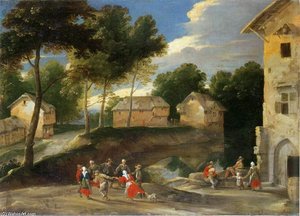
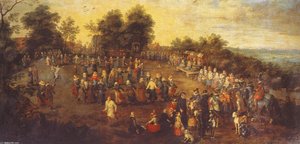
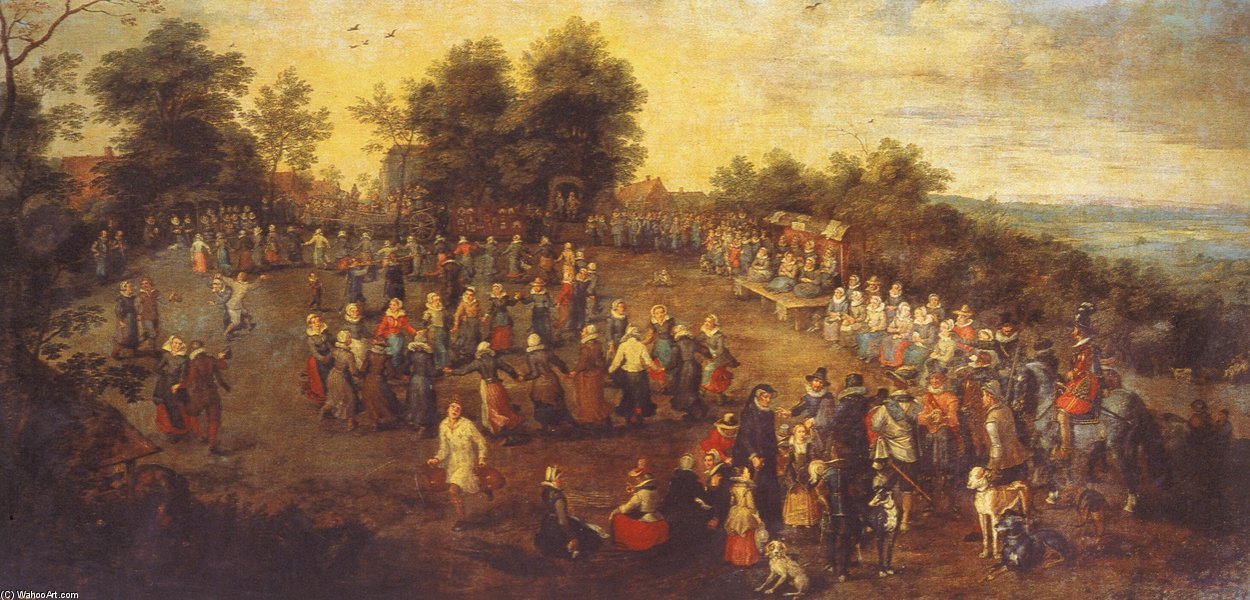
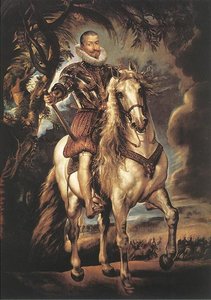
Country Feast For The Duke

 Read More
Hand Made Oil Reproduction
Hand-painted oil on canvas in your size and frame, made to order by our artists. ( Buy Print Buy Image)




P118B $10

P118H $10

P118W $10

P438Z $10

P508JH $12

P508YH $12

P805H $10

P805Z $10

P919BZ $10

P919G $10

P919XJ $10

P959ZH $10

P968JZ $12

W106C $8

W218G $10

W218JH $8

W218Y $10

W307PJ $10

W316G $10

W316PJ $8

W316Y $10

W398PJ $8

W4111J $10

W500HY $15

W500JH $15

W692G $12

W849H $8

W940BG $15

W953PJ $8




Pick from our preset sizes that match the artwork's original proportions.

You may enter your own dimensions to fit a specific frame or space. If your selected size does not match the original image's proportions, we will either crop the artwork or extend the painting with additional hand-painted elements. A digital mockup will be sent for your approval before production begins.
Please note that the on-screen preview does not reflect the actual cropping or extension. Only the mockup will accurately show the final composition.
While custom sizes are available, we recommend selecting a dimension from the predefined list to preserve the original proportions.
After order, ArtsDot.com team will email client for instructions and provide a mockup preview
Worldwide Delivery () in 3/4 weeks instead of standard 5 weeks. (17 August). No compromise on quality.

Free Worldwide Express Shipping

High-Quality Linen Canvas

Full Shipping Insurance

Customs Tax Refund Guarantee

True Color Matching Guarantee

60-Day Return Policy (Defects Only)

100% Money-Back Guarantee

Bulk Discount Offer
 Glass option is only available in size under 110 CM

Country Feast For The Duke
Reproduction Medium
Reproduction Size
-


Total Price
$ 263
Related Artworks
Artist Biography
Giovanni Francesco Barbieri, ‘Il Guercino’ (1591 – 1666): A Master of Dramatic Light and Emotion
Giovanni Francesco Barbieri, universally known as Il Guercino—a nickname derived from the “squinter” or squint referring to his distinctive eye condition—stands as a pivotal figure in the transition between Mannerism and Baroque painting. Born in Cento, near Bologna, in 1591, his life was one of relentless artistic exploration, marked by both periods of intense experimentation and ultimately, a refined mastery of classical forms. Unlike many artists of his time who benefited from established patronage networks, Guercino largely shaped his own career through self-reliance and an unwavering commitment to his unique vision. His journey, fueled by a deep engagement with the art of Caravaggio and a profound understanding of human emotion, resulted in a body of work characterized by dramatic lighting, intense psychological depth, and a captivating blend of realism and theatricality.
Guercino’s early artistic development was profoundly influenced by the prevailing styles of his time. He began his career as a mural painter in Rome and Bologna, absorbing the lessons of artists like Domenichino and Guido Reni – masters known for their elegant compositions and refined techniques. However, it was his exposure to Caravaggio's revolutionary use of *chiaroscuro*—the dramatic contrast between light and dark—that fundamentally altered his approach. Unlike the subtle gradations favored by earlier painters, Caravaggio employed stark contrasts to heighten emotional impact and create a sense of immediacy. Guercino quickly embraced this technique, incorporating it into his own work with remarkable skill, though he never fully replicated Caravaggio’s raw intensity. This early influence is evident in works like *St William Receiving the Monastic Habit* (1620), where the figures are rendered with meticulous detail and bathed in a dramatic light that emphasizes their spiritual significance.
- Early Influences: Domenichino, Guido Reni, Caravaggio
- Key Techniques: *Chiaroscuro*, Dramatic Lighting, Tonal Contrast
The Roman Years and the Rise of a Distinct Style
Guercino’s time in Rome (1621-1642) proved to be a crucial period of stylistic development. Invited by Pope Gregory XV to decorate the Villa Ludovisi, he was exposed to a wider range of artistic influences and began to forge his own distinctive style. The monumental ceiling fresco, *Aurora*, showcased his ability to create illusionistic spaces and manipulate light and color with unprecedented skill. However, it also marked a shift towards a more theatrical and emotionally charged approach, reflecting the influence of Caravaggio and the prevailing Baroque aesthetic. During this period, he experimented with various techniques, including *sfumato*—a subtle blurring of outlines—and explored different compositional arrangements.
Despite his success in Rome, Guercino’s career was not without its challenges. He faced competition from established artists and struggled to secure consistent patronage. His unconventional style, characterized by a willingness to break with traditional conventions, often met with resistance from conservative critics. Nevertheless, he persevered, developing a unique artistic language that combined elements of Mannerism, Caravaggism, and classical restraint.
Bolognese Maturity: A Synthesis of Styles
Guercino’s return to Bologna in 1642 marked the beginning of his most productive and arguably most mature period. Here, he established himself as the leading painter of the city, inheriting the mantle of Guido Reni—a master who had died just a year earlier. He skillfully synthesized the lessons learned during his Roman years with the traditions of Bolognese painting, creating works that were both technically accomplished and emotionally resonant. This period is characterized by a greater emphasis on psychological depth, nuanced color palettes, and a refined sense of composition.
Notable examples from this era include *The Mystic Marriage of Saint Catherine* (1620) and *Incredulity of Saint Thomas* (1621), both housed in the National Gallery, London. These paintings demonstrate Guercino’s ability to convey a wide range of emotions—from spiritual ecstasy to profound doubt—through subtle gestures, expressive faces, and masterful use of light and shadow. His later works, produced after 1630, reflect a further simplification of his palette and a move towards a more restrained style, influenced by the changing tastes of his patrons.
Legacy and Historical Significance
Despite facing periods of obscurity following his death in 1666, Guercino’s reputation gradually recovered during the mid-19th century thanks to the pioneering research of Denis Mahon. Mahon meticulously studied Guercino's life, career, and artistic development, uncovering a wealth of information about the artist's stylistic evolution and patronage network. His work provided crucial insights into the complexities of Guercino’s biography and helped to rehabilitate his standing among art historians.
Today, Guercino is recognized as one of the most important figures in Bolognese Baroque painting. His dramatic lighting, intense psychological depth, and masterful use of composition continue to captivate viewers centuries after his death. His influence can be seen in the work of later artists, including Francesco Bartolozzi, an English engraver who meticulously copied Guercino’s drawings. Guercino's legacy lies not only in his stunning paintings but also in his innovative approach to art—a testament to the power of self-taught artistry and a profound exploration of the human condition.
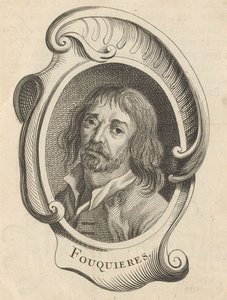
jacques fouquier
1591 - 1659 , Belgium
Quick Facts
- Artistic Movement Or Style: Baroque”
- Date Of Birth: February 8, 1591
- Date Of Death: December 22, 1666
- Full Name: Giovanni Francesco Barbieri”
- Nationality: Italian
- Notable Artworks:
- Jacob blessing the sons of Joseph”, “Mystic Marriage of Saint Catherine”, “Incredulity of Saint Thomas”, “King David”, “Cumaean Sibyl” ], "Artists who influenced this artist": [
- Caravaggio”, “Ludovico Carracci”, “Guido Reni” ], "Artists or movements influenced by this artist": [
- Francesco Bartolozzi”
- Place Of Birth: Cento, Italy
Related Articles
Decoding Baroque Grandeur: A Guide to the Drama and Emotion of 17th-Century Art
Explore the breathtaking drama of 17th-century Baroque art. Our expert guide decodes the use of chiaroscuro, emotional intensity, and historical grandeur to help you appreciate and curate timeless masterpieces for your collection.

The Dramatic Flourish: Exploring the Baroque Movement's Enduring Legacy in Art History
Explore the dramatic world of Baroque art! Discover iconic artists like Caravaggio & Rubens, defining techniques, and its lasting impact on art history. Expert insights for collectors & enthusiasts at ArtsDot.
Baroque Classicism: Reconciling Drama & Order in 17th-Century Art
Explore the captivating world of Baroque Classicism! Discover its history, key artists like Caravaggio & Rubens, and defining characteristics. Expert insights & high-quality reproductions at ArtsDot.

Baroque Masterpieces: 10 Paintings That Defined an Era |
Journey through the drama & grandeur of Baroque art! Explore 10 masterpieces by Caravaggio, Rembrandt, Rubens & more. Discover stunning oil paintings, rich colors & timeless stories. Find museum-quality reproductions at .

Baroque Drama: Bringing Opulence & Emotion into Contemporary Interiors
Explore the opulent world of Baroque interior design! Discover key elements, modern applications & how to bring dramatic elegance into your home with 's authentic reproductions.