

 Preview
 Send
Send Share
Share
 Details

 Download
 Similars
 X-Ray
X-Ray Diaporama
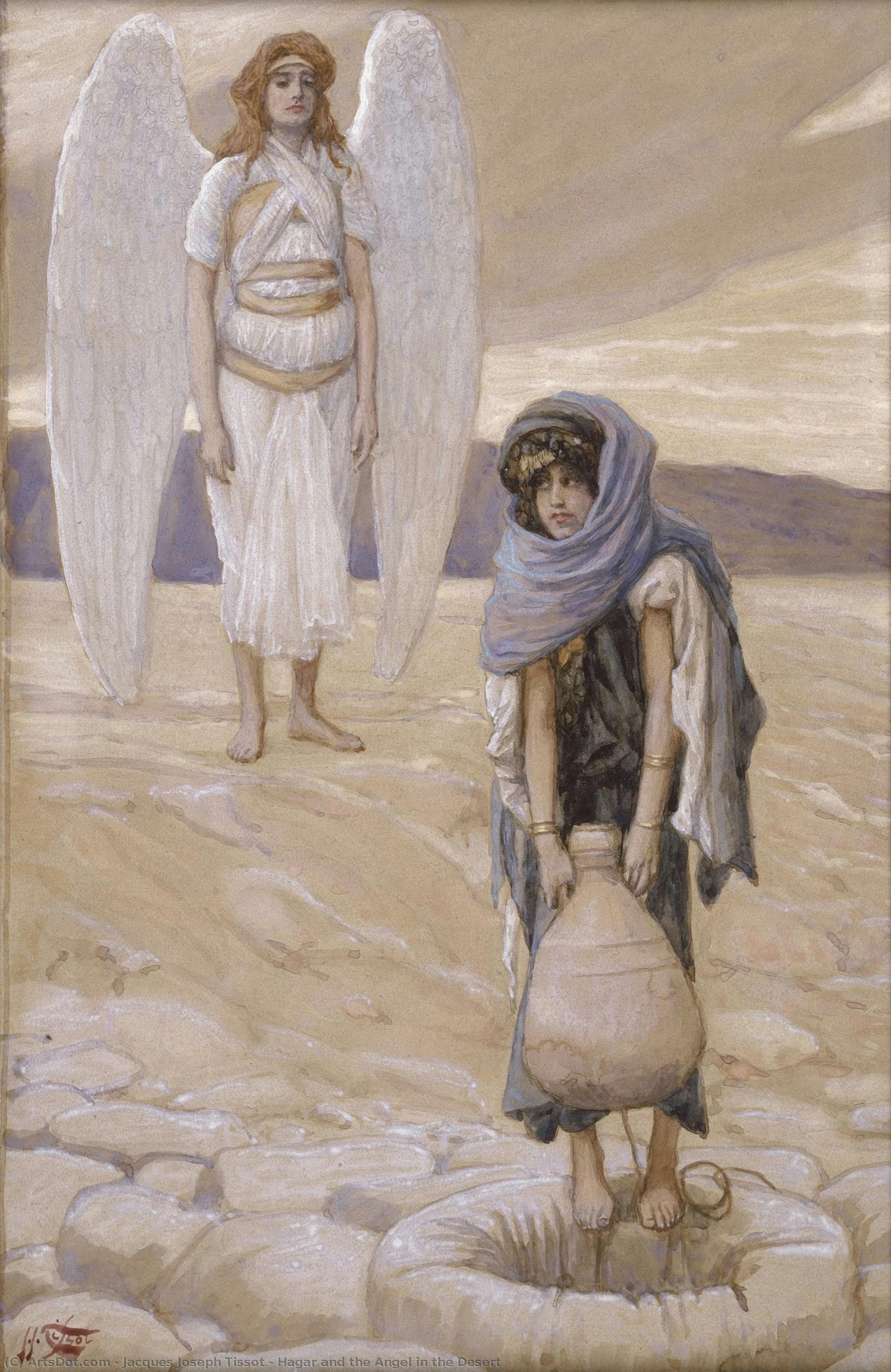
Hagar and the Angel in the Desert
 Oil On Canvas
- WallArt
- Victorian Realism
 1902
1902- 19th Century
 23.0 x 15.0 cm
 The Jewish Museum
 Read More
Purchase a high-resolution, enhanced digital image, far superior to the online preview.
Each file is meticulously prepared by our in-house specialists using advanced tools and expert manual retouching. We ensure every image has exceptional clarity, precise color accuracy, and fine detail.
The final file is delivered via email within 72 hours, optimized for immediate use in professional, editorial, and print environments. This is the same quality trusted by top-tier design studios, publishers, and galleries.
Digital Image
Download a high-resolution file for personal display, printing, and creative projects. ( Buy Print Buy Hand Made Painting)
Included in Every Digital Image Order
Expert Digital Delivery, Guaranteed
When you choose ArtsDot.com, you're not just getting an image - you're receiving a professionally enhanced digital artwork, crafted with precision and backed by a satisfaction guarantee. Here's everything that comes with your order, automatically:

Fast Email Delivery
Your high-resolution digital image file will be emailed to you within 72 hours of ordering - ready for immediate use.

AI-Enhanced Digital File
Your artwork is professionally optimized using advanced AI tools and manual editing, ensuring maximum detail, clarity, and color accuracy.

Free Lifetime Re-Delivery
Accidentally deleted or lost your file? No worries - we'll resend it to you anytime, free of charge.

No Import Fees - Ever
Enjoy your artwork instantly with zero customs, duties, or delivery fees - digital downloads are always tax-free.

Color Accuracy Guarantee
We ensure your digital image reflects the original colors as closely as possible using professional tools and color management.

60-Day Satisfaction Guarantee
If you're not satisfied with your digital image, we'll revise it or refund 100% within 60 days - no questions asked.

100% Money-Back Guarantee
Not satisfied? Get a full refund within 60 days of receiving your digital file - no questions asked.

Bulk Order Discounts
Buy 3 images, save 10% - Buy 5, save 15% - Buy 10+, save 20%. Great for creative projects, galleries, and agencies.
Collectible Description
Jacques Tissot's Evocative Depiction of Hagar and the Angel in the Desert
This exquisite hand-painted reproduction captures Jacques Joseph Tissot’s masterful interpretation of a biblical narrative – the poignant scene of Hagar and her son, Ishmael, seeking refuge in the desolate expanse of the desert. Executed in 1902, just months before his death, this work exemplifies Tissot's signature style: a meticulous realism infused with a deep understanding of Victorian sensibilities and a remarkable ability to convey atmosphere and emotion.
The painting’s subject matter draws directly from the Old Testament story, specifically Genesis 16. Hagar, driven out by Abraham’s wife Sarah, flees into the wilderness with her infant son. The presence of two angels adds layers of spiritual significance, representing divine protection and mercy amidst a landscape of hardship and abandonment. Tissot doesn't simply depict a biblical scene; he imbues it with a palpable sense of vulnerability and hope.
A Study in Victorian Realism and Technique
Tissot was renowned for his painstaking attention to detail, a characteristic vividly demonstrated in this piece. His technique involved numerous thin glazes applied over time, building up rich colors and subtle tonal variations that create an almost photographic quality. The rendering of fabrics – Hagar’s flowing scarf, the angels' garments – is particularly noteworthy, showcasing Tissot’s deep understanding of texture and drape. He meticulously observed and reproduced the fashions of his era, reflecting the Victorian fascination with realism and accurate representation.
- Color Palette: Dominated by earthy tones—ochres, browns, and blues—reflecting the harshness of the desert environment.
- Brushwork: Characterized by smooth, blended strokes that contribute to the painting’s luminous effect.
- Composition: Carefully balanced, drawing the viewer's eye from Hagar and Ishmael towards the watchful angels.
Symbolism and Emotional Resonance
Beyond its biblical narrative, “Hagar and the Angel in the Desert” resonates with broader themes of exile, abandonment, and divine intervention. The desert itself is a potent symbol – representing isolation, hardship, and spiritual testing. Hagar’s posture, weary yet resolute, speaks to her unwavering devotion to her child. The angels, often interpreted as messengers of God, offer solace and protection, embodying the promise of redemption. Tissot masterfully captures this emotional tension, creating an image that is both visually stunning and profoundly moving.
A Timeless Masterpiece for Your Collection
This hand-painted reproduction offers a unique opportunity to own a piece of art history. Measuring 23 x 15 cm, it’s perfectly sized for display in a variety of settings – from a private study to an elegant salon. The meticulous detail and evocative atmosphere of Tissot's work will undoubtedly become a focal point, sparking conversation and inspiring contemplation. Order your hand-painted reproduction today and bring this timeless masterpiece into your home.
Related Artworks
Artist Biography
Early Life and Artistic Beginnings
Jacques Joseph Tissot, born October 15, 1836, in Nantes, France, was destined for a life steeped in artistic passion from his earliest years. His father, a drapery merchant, instilled in him an appreciation for craftsmanship and detail—qualities that would profoundly shape his artistic vision. Simultaneously, his mother, a milliner, nurtured his sensitivity to beauty and fashion, exposing him to the vibrant world of Parisian society. Despite familial responsibilities, Tissot relentlessly pursued his artistic ambitions, enrolling at the École des Beaux-Arts in Paris where he honed his skills under the tutelage of luminaries like Ingres, Flandrin, and Lamothe. This formative period cemented his commitment to painting as a vocation and established him firmly within the influential Parisian art milieu.The Salon Years and Recognition
Tissot’s debut at the Paris Salon in 1861 marked a pivotal moment—the unveiling of “The Meeting of Faust and Marguerite,” a dramatic tableau that captivated audiences and garnered considerable acclaim from critics. Purchased by the state for inclusion in the Luxembourg Gallery, this ambitious undertaking signaled Tissot's burgeoning reputation as a painter capable of capturing complex narratives and conveying profound emotion. Subsequent Salon exhibitions solidified his position within the artistic establishment, showcasing his evolving style and attracting commissions from prominent patrons. His early successes fueled confidence and propelled him toward exploring new subjects and techniques—a trajectory that would ultimately define his illustrious career.Genre Painting and Parisian Society
Tissot’s artistic breakthrough arrived with his series “La Femme à Paris,” a meticulously observed depiction of the demi-mondaine world of late Victorian London. These paintings, characterized by their luminous color palettes and masterful rendering of textures—particularly fabrics—became synonymous with capturing the allure and dynamism of Parisian high society. Tissot's meticulous attention to detail extended beyond mere visual representation; he sought to convey not only appearances but also psychological nuances, reflecting the anxieties and aspirations of his subjects. His work stands as a testament to Impressionistic influences blended with realism, offering an unparalleled glimpse into the social customs and artistic sensibilities of the Belle Époque.Biblical Themes and Japonisme
Throughout his prolific output, Tissot embraced diverse artistic inspirations—ranging from medieval narratives to biblical scenes—demonstrating remarkable versatility. His depictions of religious subjects, imbued with spiritual depth and emotional resonance, showcased his ability to elevate visual storytelling into profound contemplation. Simultaneously, he was captivated by Japonisme—the fascination with Japanese art and aesthetics that swept across Europe during the Victorian era—evident in compositions infused with asymmetrical arrangements and subtle color harmonies reminiscent of Japanese prints. This stylistic fusion underscored Tissot’s intellectual curiosity and his willingness to experiment with innovative artistic approaches.Later Years and Legacy
Tissot's life took a dramatic turn when he enlisted in the Franco-Prussian War, serving on the French side—an experience that undoubtedly shaped his worldview. Following the war’s conclusion, he relocated to London where he pursued etching alongside Sir Seymour Haden and honed his artistic skills through portrait commissions and caricatures for Vanity Fair. His relationship with Kathleen Newton blossomed into a passionate companionship, providing him with enduring inspiration for numerous paintings. Tragically, Newton succumbed to tuberculosis in 1882—a profound loss that deeply affected Tissot’s creative output. Despite this sorrowful chapter, he continued to produce exceptional artwork until his death in 1902. Today, Jacques Joseph Tissot's legacy resides in museums across Europe and North America—most notably the Musée National Jean-Jacques Henner in Paris—where his celebrated paintings continue to inspire admiration for their artistic brilliance and evocative portrayal of Victorian life and faith. His enduring influence on genre painting and Impressionism secures his place as one of France’s most distinguished artists of the 19th century.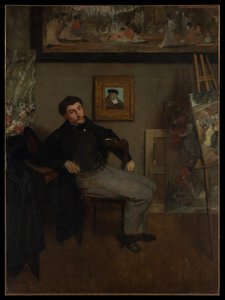
jacques joseph tissot
1836 - 1902 , France
Quick Facts
- Artistic Movement Or Style: Genre Painting
- Artists Or Movements Influenced By This Artist: ['Impressionism']
- Artists Who Influenced This Artist:
- Jean-Auguste Ingres
- Gustave Courbet
- Date Of Birth: October 15, 1836
- Date Of Death: August 8, 1902
- Full Name: Jacques Joseph Tissot
- Nationality: French
- Notable Artworks:
- The Meeting of Faust and Marguerite
- La Femme à Paris
- Place Of Birth: Nantes, France

