 Preview
 Send
Send Share
Share
 Details

 Download
 Similars
 X-Ray
X-Ray Diaporama
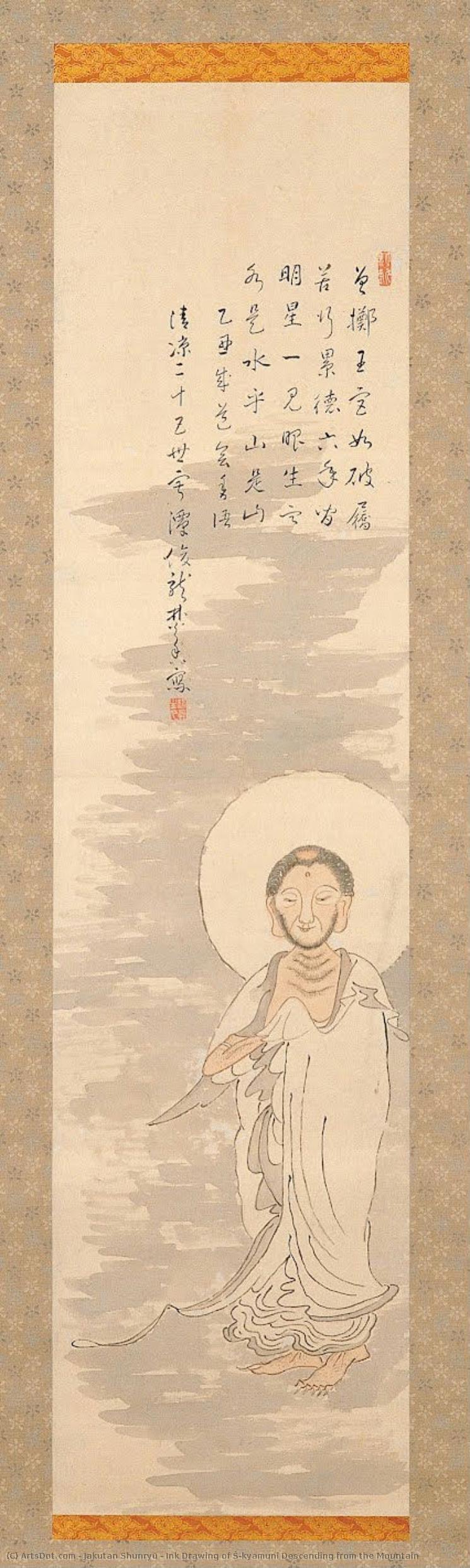
Ink Drawing of Śākyamuni Descending from the Mountain

 Read More
Giclée / Art Print
Museum-quality giclée or canvas print with fast production and flexible finish options. ( Buy Hand Made Painting Buy Image)




































Pick from our preset sizes that match the artwork's original proportions.

You may enter your own dimensions to fit a specific frame or space. If your selected size does not match the original image's proportions, we will either crop the artwork or extend the image with a mirrored or solid-fill edge. A digital mockup will be sent for your approval before production begins.
Please note that the on-screen preview does not reflect the actual cropping or extension. Only the mockup will accurately show the final composition.
While custom sizes are available, we recommend selecting a dimension from the predefined list to preserve the original proportions.
Worldwide Delivery () in 2 weeks instead of standard 4/5 weeks. (27 August)

Free Worldwide Express Shipping

High-Quality Linen Canvas

Full Shipping Insurance

Customs Tax Refund Guarantee

True Color Matching Guarantee

60-Day Return Policy (Defects Only)

100% Money-Back Guarantee

Bulk Discount Offer
 Glass option is only available in size under 110 CM

Ink Drawing of Śākyamuni Descending from the Mountain
Giclée / Art Print
Reproduction Size
-


Total Price
$ 63
Related Artworks


Artist Biography
Jakutan Shunryū (1797 – 1869): The Last Zen Master of Tokugawa Japan
Jakutan Shunryū, known as Dokusondōjin, stands as a poignant figure in the twilight years of the Tokugawa shogunate and heralds the dawn of the Meiji era. Born Mikawa Prefecture, he was more than just a monk; he embodied the spirit of traditional Zen Buddhism – meticulous scholarship combined with profound artistic expression—a testament to an era rapidly transforming under Western influence. His life’s trajectory mirrored the broader cultural shifts occurring in Japan, culminating in his passing at the age of seventy-two amidst the upheaval of modernization.- Early Life and Training: Shunryū's formative years were spent diligently pursuing monastic training within the Sōtō Zen tradition. Precise biographical details remain scarce, reflecting the limitations of historical records during that period. However, his ascension to fūgai honkō in Tenpō 12 (1841) – a prestigious temple position – signaled his commitment to upholding Buddhist principles and establishing himself as a respected leader within his monastic community.
- Temple Roles and Patronage: Shunryū’s influence extended beyond fūgai honkō. He skillfully navigated the complexities of temple administration, securing roles at kyokai tōryū (1853) and seiryōji (1861), temples associated with influential clans – the ii clan – demonstrating his astute understanding of political dynamics.
- Artistic Legacy: Shunryū’s artistic pursuits were inseparable from his spiritual practice. He excelled in calligraphy and painting, primarily focusing on depictions of Buddhist patriarchs and landscapes. His works are characterized by a serene stillness and masterful execution, reflecting the core tenets of Zen philosophy – simplicity, contemplation, and an unwavering pursuit of enlightenment.
Zen Philosophy and Artistic Technique
Shunryū’s artistic output wasn't merely decorative; it served as a conduit for conveying Zen Buddhist concepts. He adhered to the precepts of shikantaza (“just sitting”), prioritizing direct experience over intellectual analysis. This approach permeated his paintings, resulting in compositions that eschewed elaborate ornamentation and instead emphasized subtle tonal gradations and precise brushstrokes—techniques honed through years of disciplined meditation. The landscapes he rendered weren’t merely scenic representations; they functioned as metaphors for the mind's journey toward emptiness.- Iconic Subjects: Shunryū’s most celebrated works depict Śākyamuni Buddha and other patriarchs, capturing their serene expressions and conveying a sense of profound wisdom. These images exemplify Zen’s emphasis on inner stillness and contemplation.
- Brushwork and Composition: His brushwork is remarkably controlled, utilizing delicate washes and precise lines to achieve remarkable textural depth and luminosity. Shunryū's compositions often incorporate asymmetrical arrangements that subtly disrupt conventional visual harmony—a deliberate stylistic choice reflecting Zen’s rejection of duality.
Major Achievements and Historical Significance
Shunryū’s contribution to Japanese art history is significant not only for his technical prowess but also for representing the final vestiges of Tokugawa artistic tradition. As a monk who championed both calligraphy and painting, he embodies the ideal of blending spiritual contemplation with creative expression—a model upheld by subsequent generations of Zen artists. His legacy persists as a reminder of Japan’s rich cultural heritage before the rapid influx of Western ideas and influences.- Influence on Later Artists: Shunryū's style profoundly impacted later Zen painters, establishing precedents for minimalist compositions and tonal harmony that continue to resonate within Japanese art today.
- Symbolism in Landscape Painting: His landscapes are imbued with symbolic meaning—representing the mind’s journey toward enlightenment—and exemplify Zen’s belief in the interconnectedness of all things.
Concluding Reflections
Jakutan Shunryū's life and art serve as a poignant chronicle of a bygone era. He remains an enduring symbol of Zen Buddhism’s commitment to simplicity, contemplation, and artistic excellence—a testament to Japan’s spiritual heritage at the cusp of modernity.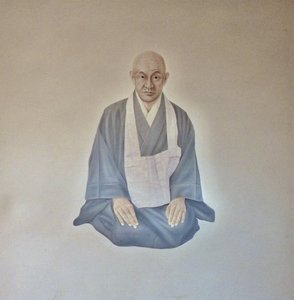
jakutan shunryū
1797 - 1869 , Japan
Quick Facts
- Artistic Movement Or Style: Sōtō Zen
- Date Of Birth: 1797
- Full Name: jakutan shunryū
- Nationality: Japanese
- Notable Artworks:
- Ink Drawing of the Buddha at Birth
- Ink Drawing of Śākyamuni Descending from the Mountain
- Place Of Birth: Mikawa Prefecture, Japan