 Preview
 Send
Send Share
Share
 Details

 Download
 Similars
 X-Ray
X-Ray Diaporama
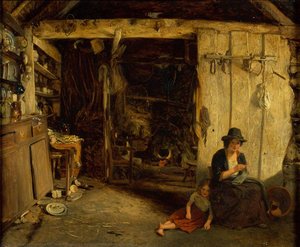
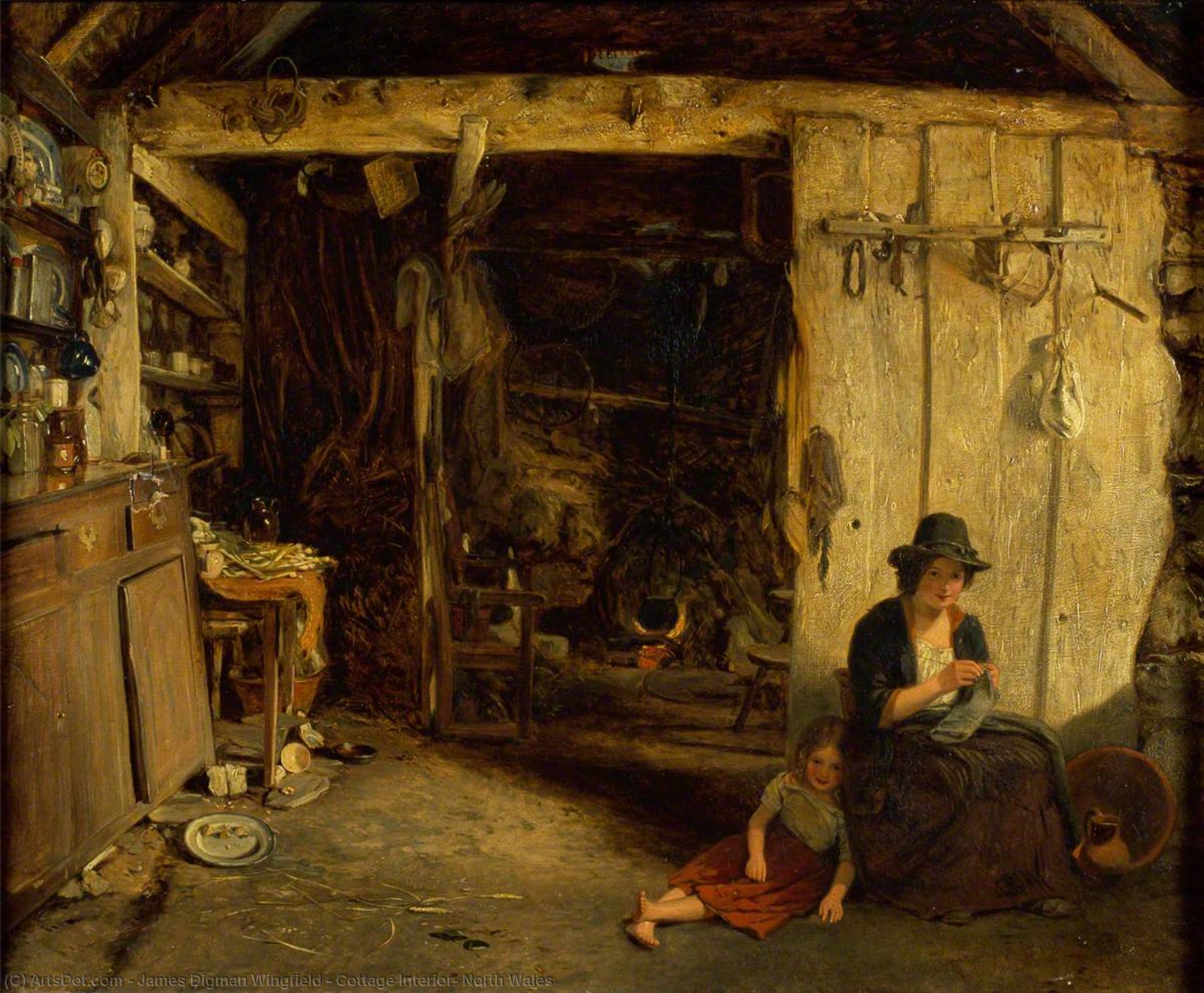
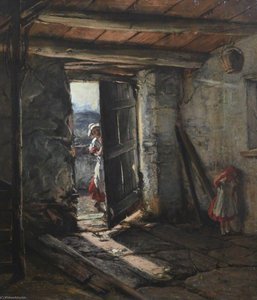
Cottage Interior, North Wales
 Contemporary Realism
 1850
1850 50.0 x 75.0 cm
 Llyfrgell Genedlaethol Cymru / The National Library of Wales
 Read More
Hand Made Oil Reproduction
Hand-painted oil on canvas in your size and frame, made to order by our artists. ( Buy Print Buy Image)




































Pick from our preset sizes that match the artwork's original proportions.

You may enter your own dimensions to fit a specific frame or space. If your selected size does not match the original image's proportions, we will either crop the artwork or extend the painting with additional hand-painted elements. A digital mockup will be sent for your approval before production begins.
Please note that the on-screen preview does not reflect the actual cropping or extension. Only the mockup will accurately show the final composition.
While custom sizes are available, we recommend selecting a dimension from the predefined list to preserve the original proportions.
After order, ArtsDot.com team will email client for instructions and provide a mockup preview
Worldwide Delivery () in 3/4 weeks instead of standard 5 weeks. (17 August). No compromise on quality.

Free Worldwide Express Shipping

High-Quality Linen Canvas

Full Shipping Insurance

Customs Tax Refund Guarantee

True Color Matching Guarantee

60-Day Return Policy (Defects Only)

100% Money-Back Guarantee

Bulk Discount Offer
 Glass option is only available in size under 110 CM

Cottage Interior, North Wales
Reproduction Medium
Reproduction Size
-


Total Price
$ 288
Related Artworks
Artist Biography
A Life Dedicated to Sacred Spaces: The World of James Digman Wingfield
The name James Digman Wingfield, though perhaps unfamiliar to many outside the art historical circles specializing in Central European religious painting, represents a significant figure in 19th-century Slovakian artistry. Born around 1800 and passing away in 1872, Wingfield dedicated his life to adorning churches with works of profound spiritual depth and technical skill. While biographical details remain scarce – a common fate for artists working within the confines of religious commissions and regional traditions – his surviving oeuvre speaks volumes about his dedication, talent, and the artistic currents that shaped his vision. He wasn’t merely a painter; he was a craftsman deeply embedded in the cultural and devotional life of Slovakia, particularly around Levoča, where his most celebrated work resides.The Artistic Landscape of 19th-Century Slovakia
To understand Wingfield's place within art history, one must consider the context of 19th-century Slovakia. This period was marked by a revival of national consciousness alongside the enduring power of the Catholic Church. The Baroque tradition, having flourished for centuries, continued to exert a strong influence, but it began to subtly blend with emerging Romantic sensibilities and a growing interest in historical styles, particularly Gothic art. Wingfield’s work embodies this fascinating intersection. He wasn't attempting radical innovation; rather, he excelled at mastering existing techniques – specifically wood carving and painting on wooden panels – and applying them to create emotionally resonant religious imagery. The demand for altarpieces, statues, and church decorations remained high, providing ample opportunities for skilled artists like Wingfield to thrive. His success wasn’t about forging a new path but perfecting one deeply rooted in tradition.The Masterpiece at St. James Church, Levoča
Wingfield is most prominently known for his extensive work within the iconic St. James Church in Levoča, a UNESCO World Heritage site renowned for its breathtaking Gothic altarpiece carved by Master Paul of Levoča in the early 16th century. While not responsible for the original masterpiece, Wingfield undertook significant restoration and expansion projects within the church throughout the mid-19th century. He created numerous paintings and sculptural elements that seamlessly integrated with the existing Baroque furnishings and the monumental Gothic structure. These additions weren’t intended to overshadow Paul's work but rather to complement it, enriching the overall devotional experience. The altars he crafted are characterized by their intricate detail, vibrant colors, and dramatic compositions – hallmarks of his style. He skillfully employed techniques like gilding and layering paint to create a sense of depth and luminosity, drawing viewers into the sacred narratives depicted.Technique and Symbolism: A Harmonious Blend
Wingfield’s artistic technique was deeply rooted in traditional craftsmanship. He worked primarily with wood, carving intricate details and then applying layers of paint to bring his compositions to life. His palette favored rich blues, reds, and golds – colors traditionally associated with the Virgin Mary, Christ, and the saints. The symbolism within his paintings is equally significant. Common motifs include depictions of the Crucifixion, the Annunciation, and scenes from the lives of local patron saints.- He often incorporated elements of local folklore and traditions into his work, making it particularly relevant to the community he served.
- The figures in his paintings are typically depicted with a sense of emotional intensity, conveying both suffering and spiritual grace.
- His use of light and shadow is masterful, creating a dramatic effect that draws attention to key elements within the composition.
Legacy and Historical Significance
Although James Digman Wingfield may not be a household name, his contribution to Slovakian religious art is undeniable. He represents a vital link between the Baroque tradition and the emerging artistic sensibilities of the 19th century. His work at St. James Church in Levoča stands as a testament to his skill, dedication, and deep understanding of sacred iconography. He preserved and enhanced a cultural treasure, ensuring that future generations could experience the beauty and spiritual power of this remarkable church. While further research is needed to fully illuminate his life and career, Wingfield’s surviving paintings and sculptures continue to inspire awe and reverence, solidifying his place as an important figure in the artistic heritage of Slovakia. His legacy lies not in revolutionizing art but in perfecting it – a testament to the enduring power of tradition and faith.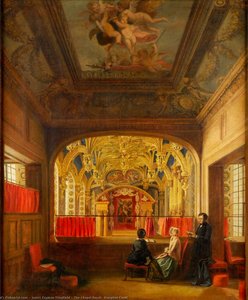
james digman wingfield
1800 - 1872
Quick Facts
- Artistic Movement Or Style: Romanticism
- Artists Or Movements Influenced By This Artist: ['Richard Parkes Bonington']
- Artists Who Influenced This Artist: ['Jean-Antoine Watteau']
- Date Of Birth: 1800
- Date Of Death: 1872
- Full Name: James Digman Wingfield
- Nationality: British
- Notable Artworks:
- The Falconer
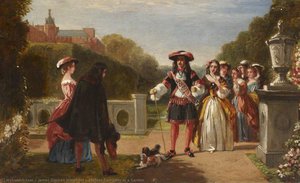
- Elegant Company in a Garden
- Place Of Birth: Westminster, England
Related Articles
Marianne North's Masterpieces: 25 Botanical Paintings That Bloom With Adventure | ArtsDot
Journey through the vibrant world of Marianne North’s botanical paintings! Explore 25 iconic artworks from this Victorian artist, celebrating exotic flora & travel. Find museum-quality reproductions and curated decor ideas at ArtsDot.com.
Romantic Realism's Finest: 10 Masterpieces for Your Home | ArtsDot
Explore 10 defining masterpieces of Romantic Realism! Discover Courbet, Millet & Daumier's powerful paintings—capturing emotion and social realities. Find museum-quality reproductions for your home at ArtsDot.com.
The Evocative Embrace of Reality: Exploring Romantic Realism in 19th-Century Painting
Explore the captivating world of Romantic Realism! Discover key artists like Courbet & Millet, masterpieces, and the social context behind this influential art movement. Expert insights for collectors at ArtsDot.
19th Century Masterpieces: 10 Paintings That Defined an Era | ArtsDot
Journey through 19th century art with ArtsDot! Explore 10 iconic paintings – from Monet & Renoir to Courbet – and discover the stories behind Romanticism, Realism & Impressionism. Find museum-quality reproductions for your home decor. Explore the full collection online!
The Poetic Truth of Observation: Exploring 19th-Century Realism in Painting
Explore the captivating world of 19th-century Realism! Discover key artists like Courbet & Millet, masterpieces, and the powerful social commentary behind this influential art movement. Expert insights at ArtsDot.