 Preview
 Send
Send Share
Share
 Details

 Download
 Similars
 X-Ray
X-Ray Diaporama
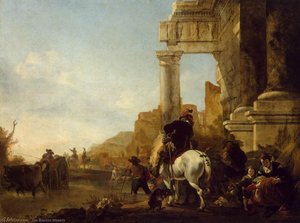
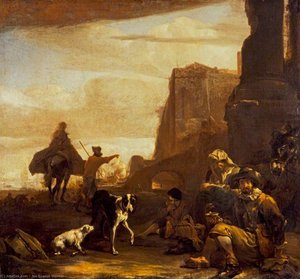
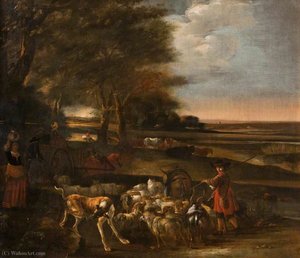
The Ford in the River
 Oil On Canvas
- WallArt
- Dutch Golden Age
 1647
1647- Renaissance
 100.0 x 132.0 cm
 Hermitage Museum
 Read More
Hand Made Oil Reproduction
Hand-painted oil on canvas in your size and frame, made to order by our artists. ( Buy Print Buy Image)




P118B $10

P118H $10

P118W $10

P438Z $10

P508JH $12

P508YH $12

P805H $10

P805Z $10

P919BZ $10

P919G $10

P919XJ $10

P959ZH $10

P968JZ $12

W106C $8

W218G $10

W218JH $8

W218Y $10

W307PJ $10

W316G $10

W316PJ $8

W316Y $10

W398PJ $8

W4111J $10

W500HY $15

W500JH $15

W692G $12

W849H $8

W940BG $15

W953PJ $8




Pick from our preset sizes that match the artwork's original proportions.

You may enter your own dimensions to fit a specific frame or space. If your selected size does not match the original image's proportions, we will either crop the artwork or extend the painting with additional hand-painted elements. A digital mockup will be sent for your approval before production begins.
Please note that the on-screen preview does not reflect the actual cropping or extension. Only the mockup will accurately show the final composition.
While custom sizes are available, we recommend selecting a dimension from the predefined list to preserve the original proportions.
After order, ArtsDot.com team will email client for instructions and provide a mockup preview
Worldwide Delivery () in 3/4 weeks instead of standard 5 weeks. (16 August). No compromise on quality.

Free Worldwide Express Shipping

High-Quality Linen Canvas

Full Shipping Insurance

Customs Tax Refund Guarantee

True Color Matching Guarantee

60-Day Return Policy (Defects Only)

100% Money-Back Guarantee

Bulk Discount Offer
 Glass option is only available in size under 110 CM

The Ford in the River
Reproduction Medium
Reproduction Size
-


Total Price
$ 263
Artwork Description
A Window into Dutch Renaissance Landscape
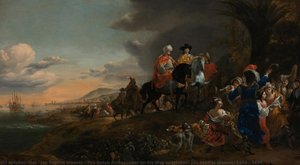
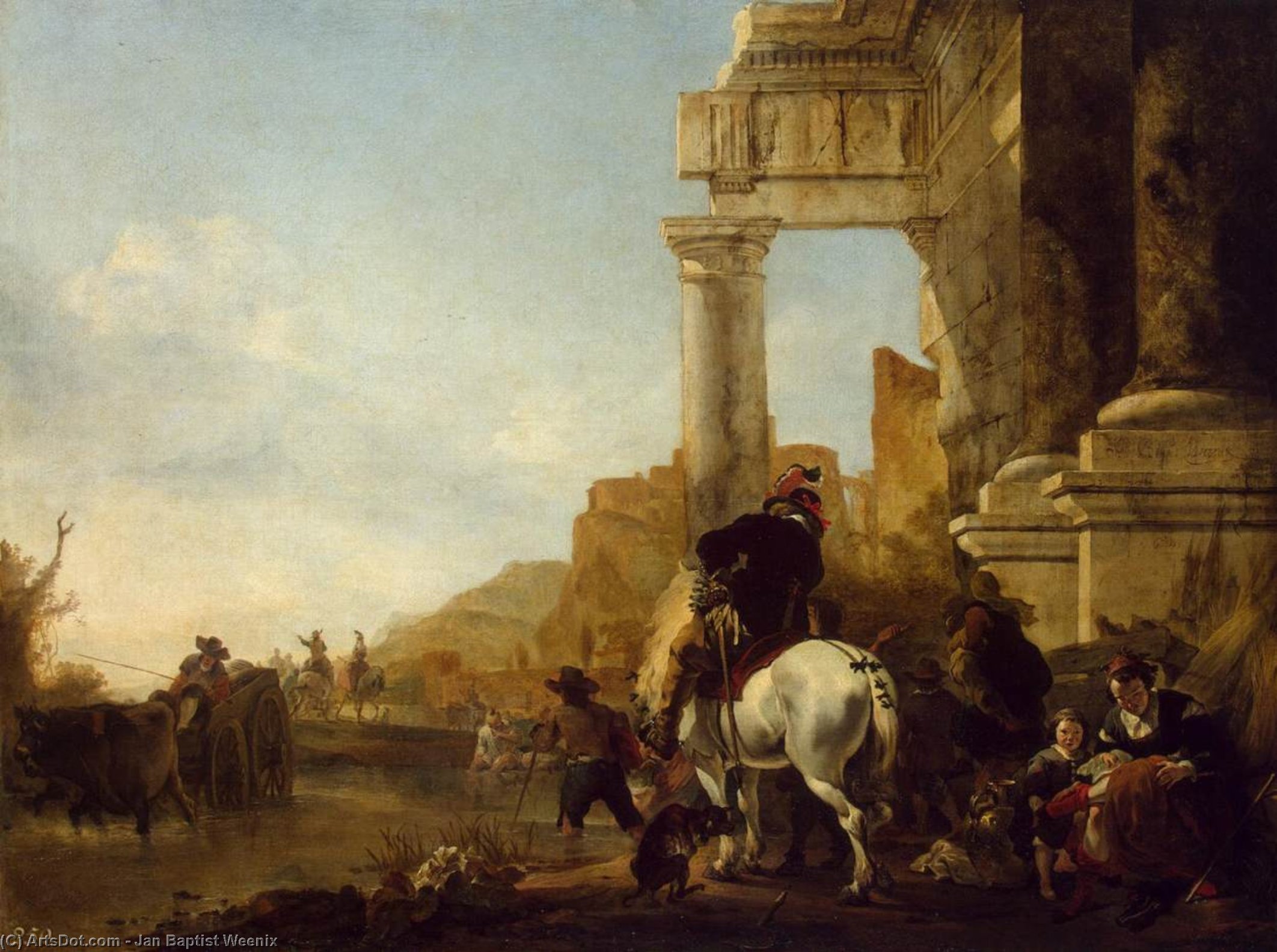
Jan Baptist Weenix’s “The Ford in the River,” painted in 1647, transcends mere depiction; it embodies the spirit of the Dutch Golden Age and represents a pivotal moment in artistic innovation. Housed within the Hermitage Museum's collection in St. Petersburg, Russia—a testament to its enduring appeal—this monumental canvas (100 x 132 cm) offers more than just a visual feast – it invites contemplation on themes of rural tranquility juxtaposed with human endeavor and echoes the stylistic influence of Italian Renaissance masters.The Landscape's Visionary Influence
Weenix’s genius lay in his audacious reimagining of the landscape genre. Departing from traditional depictions focused solely on topographical accuracy, he embraced the burgeoning fascination with Italianate scenery prevalent during his time. Artists like Titian and Raphael had captivated audiences with idealized vistas brimming with figures—a technique Weenix skillfully adopted, elevating Dutch art beyond purely realistic representations. The scene unfolds against a backdrop of brooding clouds, hinting at an early morning or late afternoon light that casts dramatic shadows across the riverbank. This masterful use of chiaroscuro – the interplay between light and dark – is characteristic of Baroque painting but foreshadows developments in Impressionism decades later, demonstrating Weenix’s profound understanding of artistic principles.Detailed Observation & Artistic Technique
The painting's meticulous execution speaks volumes about Weenix’s dedication to craftmanship. Oil paint on canvas allows for unparalleled tonal richness and textural nuance—evident in the glistening surface of the river water and the folds of fabric worn by the figures. The artist painstakingly rendered every detail, from the individual hairs of horses to the textures of animal hides, reflecting the prevailing artistic ethos of the period: a commitment to realism informed by scientific observation. Weenix’s palette leans heavily on earthy hues—ochres, siennas, and umbers—creating an atmosphere of warmth and immediacy that captures the essence of the rural landscape.Symbolism & Narrative Resonance
Beyond its technical brilliance, “The Ford in the River” resonates with symbolic significance. The ford itself represents a transition – passage from one state to another – mirroring themes explored throughout Western art history. Furthermore, the presence of livestock—cattle and horses—symbolizes prosperity and fertility, reflecting the economic vitality of the Netherlands during the seventeenth century. The figures engaged in activity around the river convey a sense of human connection with nature and underscore the importance of labor within the agricultural cycle. The architectural ruin glimpsed in the distance serves as a reminder of antiquity and adds an element of melancholic grandeur to the composition.Emotional Impact & Legacy
Ultimately, “The Ford in the River” succeeds in evoking a profound emotional response. Its serene beauty combined with subtle dynamism invites viewers to contemplate the passage of time and the enduring power of nature. Weenix’s masterpiece stands as a cornerstone of Dutch landscape painting—inspiring generations of artists who followed him—and continues to captivate audiences today with its masterful blend of observation, imagination, and artistic skill. It remains an exceptional example of how art can communicate complex ideas and emotions through visual language.Related Artworks
Artist Biography
The Visionary of the Dutch Golden Age
Jan Baptist Weenix stands as a singular figure within the Dutch Golden Age, celebrated for his distinctive blend of meticulous observation and imaginative vision. Though his artistic output was relatively modest compared to contemporaries like Rembrandt or Vermeer, Weenix’s contribution to Dutch art history is undeniable—particularly his groundbreaking exploration of Italian landscapes infused with human figures, establishing a stylistic precedent that would resonate throughout subsequent generations. Born in Amsterdam near the bustling harbor in 1621, Weenix descended from a family of architects, a lineage that likely shaped his formative years amidst the intellectual and structural ferment of the era.
Despite facing personal challenges—accounts suggest he struggled with speech due to a medical condition—Weenix possessed an ardent passion for literature and art, fostered by a mother who proactively arranged for him to apprentice under Jan Micker, Rembrandt’s brother-in-law. This early training instilled in him a disciplined approach to drawing and observation that would become the hallmarks of his oeuvre. He further honed his skills at Utrecht under the guidance of Abraham Bloemaert and returned to Amsterdam to study with Claes Corneliszoon Moeyaert, cementing his grounding in the prevailing artistic currents of the Netherlands.
A Journey Through Light and Landscape
The trajectory of Weenix’s career was profoundly altered by his travels, most notably his journey to Rome in 1643 alongside Nicolaes Pieterszoon Berchem. This excursion allowed him to encounter the vibrant intellectual and artistic milieu of the Bentvueghels guild, an experience that propelled him towards a more expansive stylistic range. In Rome, he embraced the Italianate style, characterized by warm, golden light and classical landscapes that contrasted beautifully with the cooler, more somber tones of traditional Dutch painting. This period of Roman influence allowed him to master the art of the "Italianate landscape," where the rugged beauty of southern Europe was reimagined through a Northern European lens.
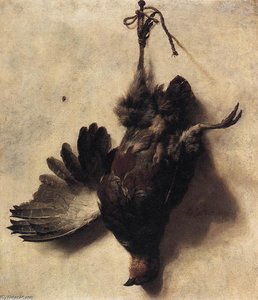
His work during this era often blended the grandeur of classical settings with intimate, human elements. Whether depicting harbor scenes that whispered of maritime commerce or expansive vistas that evoked a sense of timelessness, Weenix possessed a unique ability to capture the atmosphere of a place. His mastery was not limited to vast horizons; he was equally adept at capturing the quiet, often visceral reality of life through his still lifes. His depictions of dead game and animals were marked by a startling realism, where every texture—from the coarse fur of a hunting dog to the delicate sheen of feathers—was rendered with breathtaking precision.
Legacy of Realism and Artistry
The significance of Jan Baptist Weenix lies in his ability to bridge the gap between the gritty realism of Dutch tradition and the idealized beauty of the Italianate movement. His versatility allowed him to navigate diverse subject matters, from the dramatic tension found in works like After the Hunt to the quiet, almost somber intensity of his animal studies. Through his brush, the viewer is invited into a world where the boundaries between the observed natural world and the imagined classical past are beautifully blurred.
As we reflect on his life and work, several key elements define his enduring importance:
- Stylistic Innovation: He was a pioneer in integrating Italianate landscape elements into the Dutch tradition, creating a new visual language for his contemporaries.
- Technical Mastery: His disciplined training allowed for an extraordinary level of detail in both large-scale landscapes and intimate still lifes.
- Versatility: His ability to move seamlessly between harbor scenes, hunting motifs, and animal portraits demonstrates a rare breadth of talent.
- Historical Impact: As a member of the Bentvueghels, he helped foster the international exchange of artistic ideas that defined the 17th-century art world.
Though his life was relatively short, ending in 1661, the imprint left by Jan Baptist Weenix remains visible in the evolution of landscape painting. He taught future generations how to look at the horizon not just as a boundary, but as a canvas for light, history, and human emotion.
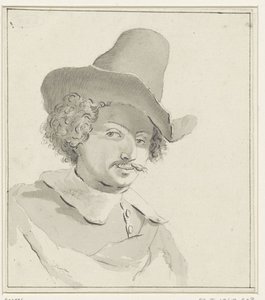
Jan Baptist Weenix
1621 - 1661 , Netherlands
Quick Facts
- Artistic Movement Or Style: Dutch Golden Age
- Artists Or Movements Influenced By This Artist: ['Italianate painting']
- Artists Who Influenced This Artist:
- Abraham Bloemaert
- Claes Corneliszoon Moeyaert
- Date Of Birth: Amsterdam, Netherlands (1621)
- Date Of Death: 1661
- Full Name: Jan Baptist Weenix
- Nationality: Dutch
- Notable Artworks:
- After the Hunt
- The Tinker and His Dog
- A Dog and a Cat near a partially disembowelled Deer
- Place Of Birth: Amsterdam
Related Articles
Nicolaes Berchem: Dutch Golden Age Pastoralism & the Evolution of Landscape Painting
Explore the captivating world of Nicolaes Berchem, a leading Dutch Golden Age painter. Discover his idyllic landscapes, masterful technique & lasting influence on art history. Learn more at ArtsDot.
Golden Light & Dutch Skies: Bringing the Magic of Dutch Golden Age Landscapes into Your Home
Transform your home with the breathtaking light of Dutch Golden Age landscapes. Discover how hand-painted oil reproductions of masterworks like Ruisdael and Vermeer bring timeless elegance, atmosphere, and soulful texture to modern interiors. Elevate your space with museum-quality art.

Dutch Masters: 10 Golden Age Paintings That Still Inspire |
Journey into the Dutch Golden Age! Explore 10 iconic paintings by Rembrandt, Vermeer & Hals. Discover the stories behind these Baroque masterpieces and find museum-quality art reproductions to elevate your home decor on .
Charles Leickert: Capturing the Dutch Golden Age Light – A Comprehensive Study of Technique, Context, and Legacy
Explore the captivating winter landscapes of Charles Leickert, a master of Dutch Golden Age light & atmosphere. Discover his techniques, symbolism, and lasting legacy – a comprehensive study for art enthusiasts and collectors.

Golden Age Reflections: Dutch Baroque Painting & Cultural Innovation
Explore the Dutch Golden Age of painting! Discover key artists like Vermeer & ter Borch, their innovative techniques, and the rich cultural context behind these Baroque masterpieces. Learn about collecting & appreciating this iconic art period.