 Preview
 Send
Send Share
Share
 Details

 Download
 Similars
 X-Ray
X-Ray Diaporama
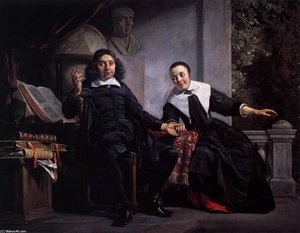
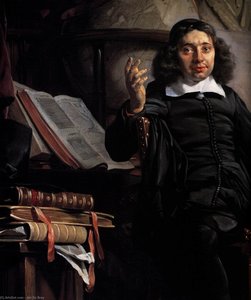
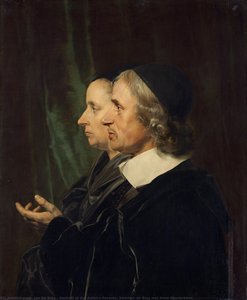
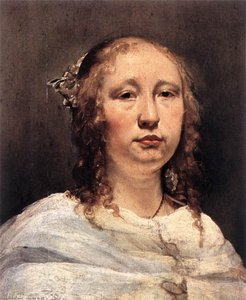
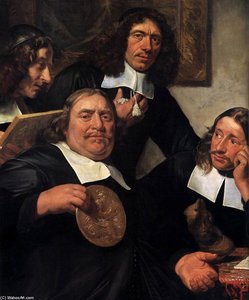
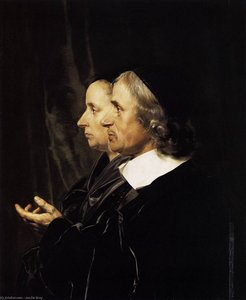
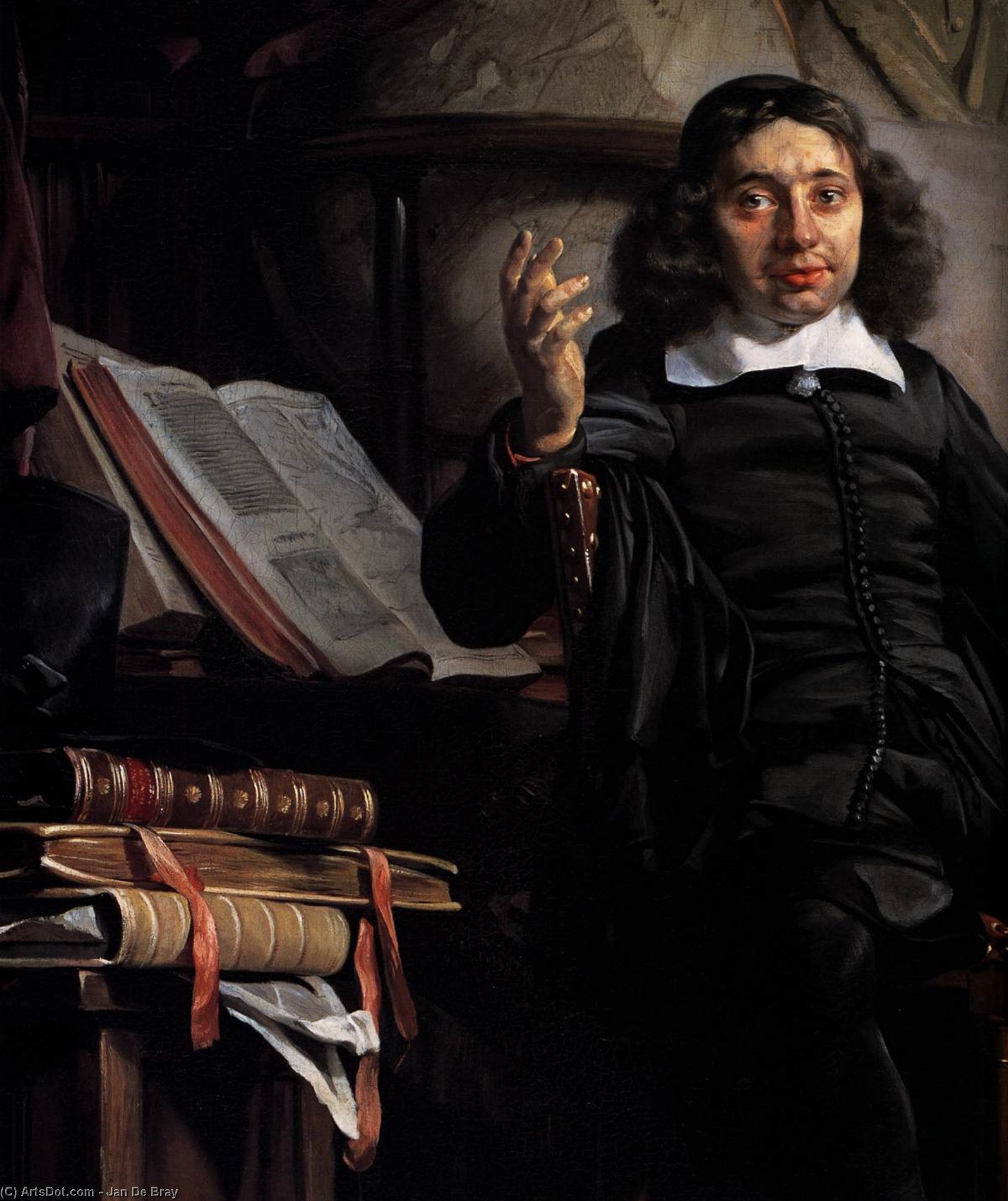
Haarlem Printer Abraham Casteleyn and His Wife Margarieta van Bancken (detail)


 Read More
Hand Made Oil Reproduction
Hand-painted oil on canvas in your size and frame, made to order by our artists. ( Buy Print Buy Image)




P118B $10

P118H $10

P118W $10

P438Z $10

P508JH $12

P508YH $12

P805H $10

P805Z $10

P919BZ $10

P919G $10

P919XJ $10

P959ZH $10

P968JZ $12

W106C $8

W218G $10

W218JH $8

W218Y $10

W307PJ $10

W316G $10

W316PJ $8

W316Y $10

W398PJ $8

W4111J $10

W500HY $15

W500JH $15

W692G $12

W849H $8

W940BG $15

W953PJ $8




Pick from our preset sizes that match the artwork's original proportions.

You may enter your own dimensions to fit a specific frame or space. If your selected size does not match the original image's proportions, we will either crop the artwork or extend the painting with additional hand-painted elements. A digital mockup will be sent for your approval before production begins.
Please note that the on-screen preview does not reflect the actual cropping or extension. Only the mockup will accurately show the final composition.
While custom sizes are available, we recommend selecting a dimension from the predefined list to preserve the original proportions.
After order, ArtsDot.com team will email client for instructions and provide a mockup preview
Worldwide Delivery () in 3/4 weeks instead of standard 5 weeks. (22 August). No compromise on quality.

Free Worldwide Express Shipping

High-Quality Linen Canvas

Full Shipping Insurance

Customs Tax Refund Guarantee

True Color Matching Guarantee

60-Day Return Policy (Defects Only)

100% Money-Back Guarantee

Bulk Discount Offer
 Glass option is only available in size under 110 CM

Haarlem Printer Abraham Casteleyn and His Wife Margarieta van Bancken (detail)
Reproduction Medium
Reproduction Size
-


Total Price
$ 263
Artwork Description
A Glimpse into the Intellectual Life of the Dutch Golden Age
This captivating portrait, depicting Haarlem Printer Abraham Casteleyn alongside his wife Margarieta van Bancken, offers an intimate window into the world of 17th-century Dutch intellectualism. The scene is rich with narrative suggestion; it is not merely a record of likenesses, but a carefully constructed tableau vivant celebrating the culture of print and scholarship that defined this remarkable era. Abraham Casteleyn himself is presented in sober, dark attire, accented by a crisp white collar and wig—the uniform of a man of letters and commerce. His pose, with one hand delicately raised near his face, suggests deep contemplation, as if caught mid-thought while pondering the weighty matters contained within the surrounding volumes.
The Symbolism of Scholarship and Domesticity
What immediately draws the eye, beyond the figures themselves, is the meticulous arrangement of objects that populate the space. Scattered across the floor and resting upon unseen surfaces are numerous books. These are not mere props; they are potent symbols of knowledge, industry, and the burgeoning print culture that fueled the Dutch Republic’s prosperity. The presence of these texts anchors the couple within a sphere of learning. Furthermore, the inclusion of Margarieta van Bancken grounds the portrait in domestic reality, suggesting that intellectual pursuits were interwoven with the fabric of family life. Every element—the chair, the books, the careful drapery—contributes to an atmosphere of cultivated refinement and enduring scholarly partnership.
Masterful Technique and Period Context
Painted around 1663 by Jan de Bray, this work exemplifies the detailed realism characteristic of Dutch genre portraiture. De Bray possessed a remarkable ability to capture texture—the sheen on the black wool garments, the crispness of the linen collar, and the varied tones of aged paper. The technique employed is one of subtle chiaroscuro, allowing the light source to illuminate the faces and key symbolic objects while allowing deeper shadows to lend gravity and depth to the composition. To own a reproduction of this piece is to possess a tangible connection to the meticulous craftsmanship and sophisticated patronage of the Dutch Golden Age.
An Emotional Resonance for the Modern Collector
For the contemporary collector or designer, this artwork transcends its historical function. It speaks to a universal appreciation for knowledge, partnership, and enduring legacy. The quiet dignity emanating from Casteleyn and Margarieta invites viewers into a moment of profound stillness amidst intellectual activity. Imagine this piece gracing a library, an elegant study, or a drawing-room—it does not shout for attention; rather, it commands respect through its sheer depth and narrative richness. It is a sophisticated statement piece that whispers tales of Enlightenment ideals long before the term was coined.
Related Artworks





Artist Biography
Jan Siberechts: Bridging the Divide Between Flanders and England
Jan Siberechts, born in Antwerp around 1627 and passing away in England circa 1700, represents a fascinating confluence of artistic influences – a testament to the dynamic exchange between the Netherlands and Britain during the late 17th century. His story isn’t one of singular innovation, but rather a skillful synthesis of Flemish landscape tradition with the evolving tastes of English aristocratic patrons. Siberechts's career unfolded against the backdrop of significant political and religious shifts; he arrived in England as a Catholic amidst a period of increasing tensions between Protestantism and Catholicism, adding another layer to his artistic journey.- Early Life and Training: Siberechts’s father was a sculptor, providing him with an early exposure to the visual arts. He received formal training at the Guild of St Luke in Antwerp, a crucial step towards establishing himself as a professional artist. This foundation instilled within him a deep understanding of classical composition and artistic technique.
- Italian Influence: Initial works reveal a clear debt to Italianate landscape painting – a stylistic trend prevalent throughout Europe during this period. These early pieces demonstrate his study of the idealized landscapes favored by artists like Titian and Canaletto, showcasing a meticulous attention to detail and atmospheric perspective.
- Flemish Roots in England: Siberechts’s style gradually evolved as he spent time in England, absorbing influences from the local landscape and adapting to the specific demands of his English clientele. He developed a distinctive approach that blended Flemish compositional techniques with depictions of the British countryside – particularly the Peak District.
A Patron's Eye: Landscapes for Country Houses
Siberechts’s most significant contribution lies in his role as a landscape painter for wealthy English landowners. He was commissioned to create views of prestigious country houses, including Longleat, Chevely, Chatsworth, and Wollaton – each painting offering a glimpse into the grandeur and lifestyle of the elite. These commissions weren't merely exercises in topographical accuracy; they were carefully crafted representations designed to enhance the prestige and status of their patrons. Siberechts skillfully employed atmospheric perspective, creating a sense of depth and distance that emphasized the scale and beauty of these estates.- The Peak District: He became particularly renowned for his depictions of the rugged landscapes of the Peak District, capturing its dramatic cliffs, rolling hills, and meandering rivers with remarkable precision.
- Royal Connections: Siberechts’s work gained favor within the court of George Villiers, 2nd Duke of Buckingham, who had previously admired some of his paintings in Antwerp. This connection opened doors to further commissions from influential figures.
- A Reflection of Status: The landscapes he painted were not simply representations of scenery; they were carefully constructed statements about wealth, power, and the appreciation of nature – all vital elements within the social fabric of 17th-century England.
Beyond the View: Siberechts’s Artistic Techniques
While often categorized as a landscape painter, Siberechts's work demonstrates a sophisticated understanding of artistic principles beyond mere representation. He was particularly adept at capturing light and shadow, creating a sense of realism and atmosphere that set his paintings apart. His meticulous attention to detail—evident in the rendering of foliage, rocks, and water—reveals a deep appreciation for the natural world.- Compositional Mastery: Siberechts’s compositions are characterized by a balanced use of space, color, and form, reflecting his training in Flemish landscape tradition.
- Use of Color: He skillfully employed a muted palette—dominated by earthy tones—to create a sense of realism and atmospheric depth.
- Perspective Techniques: Siberechts’s mastery of perspective is particularly evident in his depictions of distant landscapes, where he used atmospheric haze to suggest depth and distance.
Legacy and Historical Context
Jan Siberechts's work holds a unique place in the history of British landscape painting. He represents one of the earliest examples of topographical views created in England, laying the groundwork for subsequent generations of artists who would explore the country’s diverse landscapes. His paintings offer valuable insights into the social and cultural life of 17th-century England, reflecting the tastes and aspirations of its wealthy landowners. Siberechts's journey from Antwerp to England exemplifies the interconnectedness of European artistic networks during a period of significant change and demonstrates how artists could adapt their styles while retaining their core traditions. His legacy endures through his meticulously rendered landscapes, which continue to captivate viewers with their beauty and historical significance.
jan de bray
1627 - 1697 , Netherlands
Quick Facts
- Artistic Movement Or Style: Netherlands-trained
- Artists Or Movements Influenced By This Artist: ['British landscape painting']
- Artists Who Influenced This Artist: ['Rembrandt van Rijn']
- Date Of Birth: 1627
- Date Of Death: c.1700
- Full Name: Jan Siberechts
- Nationality: Dutch
- Notable Artworks:
- A View from Richmond Hill
- Later Stuart landscapes
- Place Of Birth: Antwerp, Belgium
Related Articles

Golden Age Reflections: Dutch Baroque Painting & Cultural Innovation
Explore the Dutch Golden Age of painting! Discover key artists like Vermeer & ter Borch, their innovative techniques, and the rich cultural context behind these Baroque masterpieces. Learn about collecting & appreciating this iconic art period.

Dutch Baroque Masters: 10 Paintings That Shaped an Era | ArtsDot
Journey through the Golden Age with our guide to the Top 10 Dutch Baroque masterpieces! Explore iconic paintings by Rembrandt, Vermeer & Frans Hals. Find museum-quality art reproductions and elevate your home decor at ArtsDot.com.

Oil on Canvas: A Historical & Technical Exploration of a Timeless Artistic Medium
Explore the rich history & enduring techniques of oil painting on canvas. Discover the science behind its longevity, conservation practices, and contemporary relevance. Expert insights for art enthusiasts.

The Enduring Legacy of Oil on Canvas: Technique, History & Aesthetic Impact
Explore the rich history & techniques of oil painting – from Renaissance masters to Impressionism. Discover pigments, layering methods, and why this timeless medium endures. Expert insights for artists & art enthusiasts.
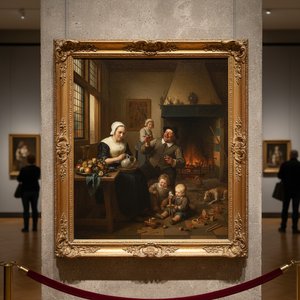
Genre Painting: A Window into Daily Life & Societal Values of the Dutch Golden Age
Explore the captivating world of Dutch Golden Age genre painting! Discover realistic depictions of daily life, masterful artists like Ostade & Metsu, and hidden symbolism. Learn about this influential art movement with ArtsDot.