 Preview
 Send
Send Share
Share
 Details

 Download
 Similars
 X-Ray
X-Ray Diaporama
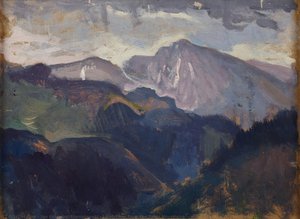
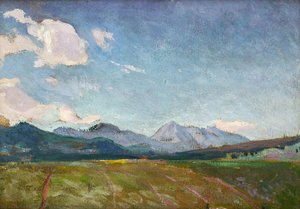
View towards Osobita (Zakopane)


 Read More
Hand Made Oil Reproduction
Hand-painted oil on canvas in your size and frame, made to order by our artists. ( Buy Print Buy Image)




P118B $10

P118H $10

P118W $10

P438Z $10

P508JH $12

P508YH $12

P805H $10

P805Z $10

P919BZ $10

P919G $10

P919XJ $10

P959ZH $10

P968JZ $12

W106C $8

W218G $10

W218JH $8

W218Y $10

W307PJ $10

W316G $10

W316PJ $8

W316Y $10

W398PJ $8

W4111J $10

W500HY $15

W500JH $15

W692G $12

W849H $8

W940BG $15

W953PJ $8




Pick from our preset sizes that match the artwork's original proportions.

You may enter your own dimensions to fit a specific frame or space. If your selected size does not match the original image's proportions, we will either crop the artwork or extend the painting with additional hand-painted elements. A digital mockup will be sent for your approval before production begins.
Please note that the on-screen preview does not reflect the actual cropping or extension. Only the mockup will accurately show the final composition.
While custom sizes are available, we recommend selecting a dimension from the predefined list to preserve the original proportions.
After order, ArtsDot.com team will email client for instructions and provide a mockup preview
Worldwide Delivery () in 3/4 weeks instead of standard 5 weeks. (27 August). No compromise on quality.

Free Worldwide Express Shipping

High-Quality Linen Canvas

Full Shipping Insurance

Customs Tax Refund Guarantee

True Color Matching Guarantee

60-Day Return Policy (Defects Only)

100% Money-Back Guarantee

Bulk Discount Offer
 Glass option is only available in size under 110 CM

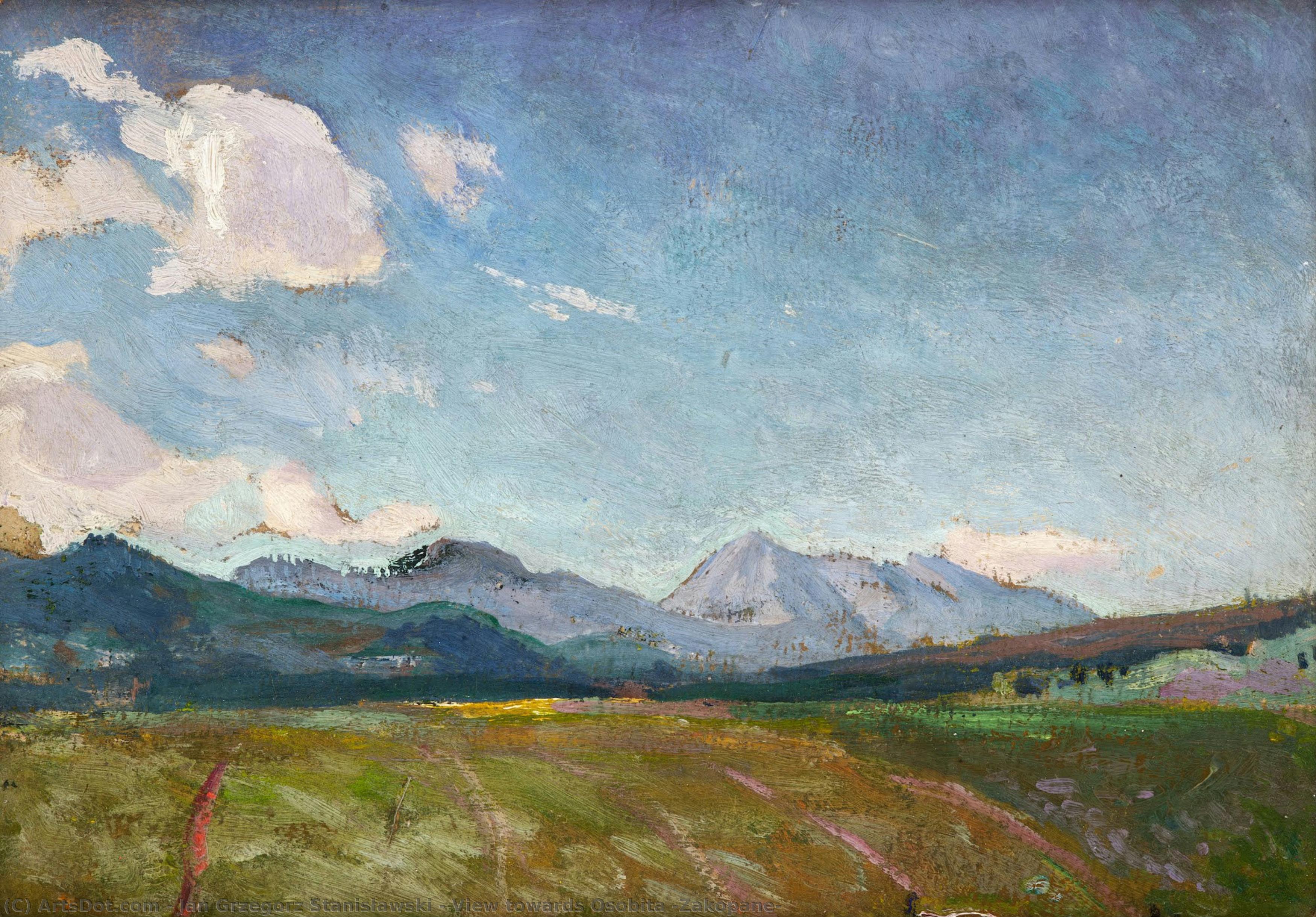
View towards Osobita (Zakopane)
Reproduction Medium
Reproduction Size
-


Total Price
$ 263
Artwork Description
A Window into the Tatra Majesty
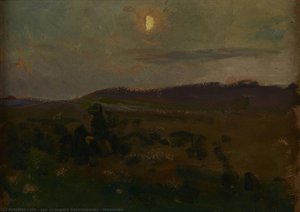
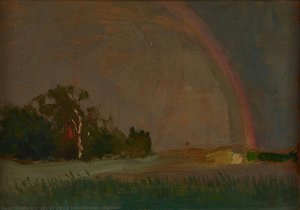
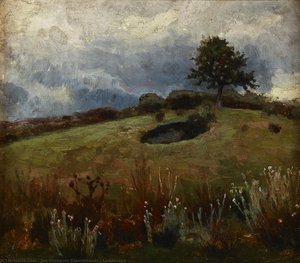
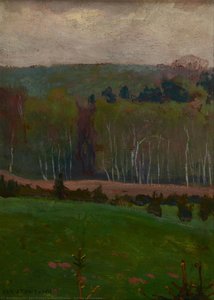
In the quietude of 1901, Jan Grzegorz Stanisławski captured more than just a landscape; he bottled the very breath of the Polish highlands. View towards Osobita (Zakopane) serves as a profound meditation on the relationship between humanity and the untamed grandeur of the mountains. The scene unfolds with a sweeping perspective of the Zakopane valley, where the earth meets the sky in a delicate dance of light and shadow. At first glance, the viewer is drawn into a lush foreground of verdant grasses and scattered trees, but as the eye wanders upward, it is met by the rhythmic undulations of distant peaks. These mountains, rendered in ethereal layers of cerulean, indigo, and soft emerald, create a sense of infinite recession, pulling the soul toward the horizon.
The composition is masterfully balanced by the subtle presence of two figures, positioned almost as silent witnesses to the majesty before them. Their small scale relative to the towering landscape does not diminish their importance; rather, it provides a vital emotional anchor, offering a sense of scale and a shared moment of quiet contemplation. This inclusion invites the viewer to step into the frame, to feel the cool mountain air and hear the rustle of the wind through the valley. It is a painting that celebrates the sublime—that specific, breathtaking intersection where beauty meets the overwhelming power of nature.
The Impressionist Touch and Technical Brilliance
As a pioneer of Polish Impressionism, Stanisławski utilizes a technique that prioritizes the sensation of light over rigid anatomical precision. The brushwork in View towards Osobita is fluid and expressive, characteristic of an artist who understood that nature is never static. The clouds, drifting across the sky, are not merely white shapes but complex textures of light and moisture, adding a palpable dimension to the atmosphere. Through the careful layering of pigments, the artist achieves a luminous quality, where the sunlight seems to filter through the very fabric of the canvas.
For the discerning collector or interior designer, this piece offers a sophisticated interplay of color and texture. The cool palette of blues and greens provides a serene, calming influence, making it an ideal centerpiece for spaces designed for reflection and tranquility. Whether placed in a sun-drenched modern gallery or a classic, richly textured study, the painting’s ability to evoke depth and atmosphere remains unparalleled. It is not merely a reproduction of a view; it is a high-quality window into a historical moment of artistic discovery, bringing the timeless spirit of the Tatra Mountains into the contemporary home.
Related Artworks
Artist Biography
The Soul of the Polish Landscape: The Life of Jan Stanisławski
Jan Grzegorz Stanisławski stands as a pivotal figure in the burgeoning landscape art scene of Poland at the turn of the century, a master who breathed life into the very atmosphere of his homeland. Born in 1860 in Velsk, Russia, his path to artistic greatness was unexpectedly paved by a foundation in mathematics. This early intellectual rigor provided him with a unique lens through which to view the world, allowing him to approach the canvas with a precise understanding of structure and light, even as he surrendered himself to the fluid emotions of painting. His decisive embrace of art was fueled by formative encounters with masters such as Wojciech Gerson and Charles Emile Auguste Durand, mentors who helped transform his scientific observation into a profound aesthetic sensibility.
His formal education began at the Warsaw School of Fine Arts under the guidance of Gerson, a celebrated figure whose influence instilled in Stanisławski a deep reverence for capturing the true essence of nature. Seeking to expand his horizons beyond the borders of Poland, he pursued studies at the Imperial Technical Institute in St Petersburg and later immersed himself in the vibrant, revolutionary artistic currents of Paris. It was in the heart of France that he encountered the shimmering light of Impressionism and the flowing, organic lines of Art Nouveau. These international experiences equipped him with an invaluable toolkit, allowing him to translate fleeting visual impressions into enduring works of art that resonated with both modern innovation and classical beauty.
A Mastery of Light and Atmosphere
The canvases of Stanisławski pulsate with a rhythmic vitality, reflecting a masterful command of Impressionist principles while subtly weaving in the delicate ornamentation characteristic of Art Nouveau. His oeuvre is dominated by landscapes that do more than merely represent terrain; they evoke a sense of place through the manipulation of color and atmosphere. He possessed a singular ability to render the misty valleys of the Tatra Mountains, bathing them in golden sunlight or shrouding them in the soft, melancholic hues of twilight. His palette favored harmonious blends of colors, prioritizing atmospheric perspective to create a sense of depth that draws the viewer into a world of tranquility and wonder.
Beyond the grand vistas, Stanisławski found profound beauty in the intimate details of the natural world. His still lifes and smaller-scale studies demonstrate a meticulous attention to detail, where every petal and shadow contributes to a larger narrative of existence. The recurring motifs of his work—panoramic alpine scenery, sun-drenched meadows, and quiet, contemplative corners of nature—serve as a testament to his devotion to the landscape as a living, breathing entity. His technique, echoing the stylistic innovations of Durand, allowed him to capture the ephemeral quality of light, making the static medium of oil paint feel as transient and moving as a passing breeze.
Legacy and Historical Significance
The historical significance of Jan Stanisławski extends far beyond his individual technical achievements; he was a cornerstone of the Polish modernist movement. As a leading figure in influential art groups such as Sztuka, he helped foster a collective identity for Polish artists, bridging the gap between local traditions and the broader European avant-garde. His work provided a visual language for a nation seeking to define its cultural essence during a period of profound political and social change.
Today, Stanisławski is remembered not just as a painter of landscapes, but as a pioneer who redefined the boundaries of Polish Impressionism. His ability to blend scientific precision with emotive expression remains a hallmark of his greatness. The enduring legacy of his work can be seen in:
- The development of Polish Modernism: His role in shaping the aesthetic direction of the turn-of-the-century art scene.
- Innovation in Landscape Painting: The introduction of atmospheric, light-focused techniques to the Polish tradition.
- Cultural Leadership: His involvement in the Sztuka society, which promoted high artistic standards and international dialogue.
Through his eyes, the mountains were not merely stone and snow, but vessels of light and spirit, ensuring that his vision of the Polish landscape remains eternally vibrant in the annals of art history.
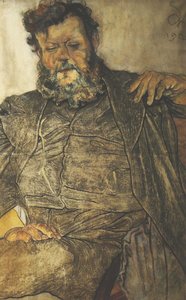
jan grzegorz stanisławski
1860 - 1907 , Russia
Quick Facts
- Artistic Movement Or Style: Modernist Art; Impressionism & Art Nouveau
- Artists Or Movements Influenced By This Artist: ['Joseph Roos der Ältere']
- Artists Who Influenced This Artist: ['Wojciech Gerson']
- Date Of Birth: June 24, 1860
- Date Of Death: 1907
- Full Name: Jan Grzegorz Stanisławski
- Nationality: Polish
- Notable Artworks:
- Spring Landscape
- Landscape from the Tatra Mountains
- Grey Spring Day
- View towards Osobita (Zakopane)
- Place Of Birth: Velsk, Russia
Related Articles
Slate Blue Masterpieces: 10 Iconic Paintings & Timeless Home Decor Ideas
Immerse yourself in the captivating world of slate blue! Explore 10 iconic paintings by Monet, Van Gogh & Renoir. Discover their stories, techniques & find museum-quality art reproductions for your home at .
The Allure of Azure: Exploring the Symbolic & Aesthetic Depths of Blue in Art History
Explore the rich history of blue in art! Discover its symbolism, from ancient pigments to modern masterpieces by Kandinsky & Seurat. Uncover the psychological impact and cultural meanings behind this captivating hue.

Cézanne's Masterpieces: 25 Iconic Artworks to Transform Your Space
Journey through 25 iconic artworks by Paul Cézanne – a master of Impressionism and Post-Impressionism. Explore his landscapes, still lifes, and the stories behind these timeless masterpieces. Discover museum-quality reproductions & curated decor at ArtsDot.com.

Impressionism's Masterpieces: 10 Paintings That Defined a Movement | ArtsDot
Journey through Impressionism's heart with 10 iconic paintings by Monet, Renoir & Degas. Explore light, color & the stories behind these masterpieces. Find museum-quality art reproductions and elevate your home decor on ArtsDot.com.
Stanisław Wyspiański: Symbolism, National Identity & the Polish Secession
Explore the life & work of Stanisław Wyspiański, a pivotal figure in Polish Symbolism and the Young Poland movement. Discover his iconic paintings, dramas, and stained glass designs reflecting national identity & artistic innovation.