

 Preview
 Send
Send Share
Share
 Details

 Download
 Similars
 X-Ray
X-Ray Diaporama
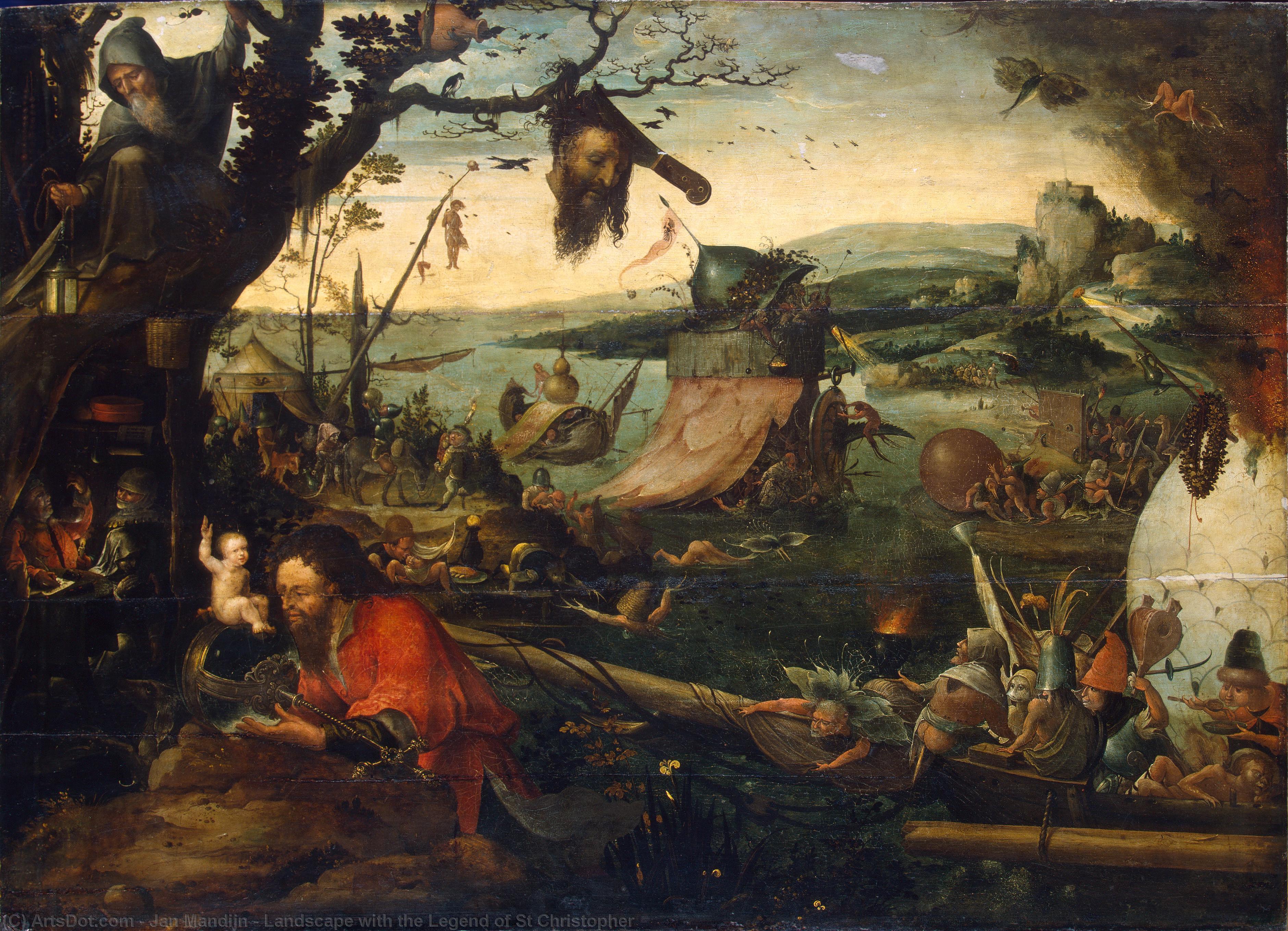
Landscape with the Legend of St Christopher
 Acrylic On Canvas
- WallArt
- Renaissance Boschian Echoes
 71.0 x 99.0 cm
 Hermitage Museum
 Read More
Purchase a high-resolution, enhanced digital image, far superior to the online preview.
Each file is meticulously prepared by our in-house specialists using advanced tools and expert manual retouching. We ensure every image has exceptional clarity, precise color accuracy, and fine detail.
The final file is delivered via email within 72 hours, optimized for immediate use in professional, editorial, and print environments. This is the same quality trusted by top-tier design studios, publishers, and galleries.
Digital Image
Download a high-resolution file for personal display, printing, and creative projects. ( Buy Print Buy Hand Made Painting)
Included in Every Digital Image Order
Expert Digital Delivery, Guaranteed
When you choose ArtsDot.com, you're not just getting an image - you're receiving a professionally enhanced digital artwork, crafted with precision and backed by a satisfaction guarantee. Here's everything that comes with your order, automatically:

Fast Email Delivery
Your high-resolution digital image file will be emailed to you within 72 hours of ordering - ready for immediate use.

AI-Enhanced Digital File
Your artwork is professionally optimized using advanced AI tools and manual editing, ensuring maximum detail, clarity, and color accuracy.

Free Lifetime Re-Delivery
Accidentally deleted or lost your file? No worries - we'll resend it to you anytime, free of charge.

No Import Fees - Ever
Enjoy your artwork instantly with zero customs, duties, or delivery fees - digital downloads are always tax-free.

Color Accuracy Guarantee
We ensure your digital image reflects the original colors as closely as possible using professional tools and color management.

60-Day Satisfaction Guarantee
If you're not satisfied with your digital image, we'll revise it or refund 100% within 60 days - no questions asked.

100% Money-Back Guarantee
Not satisfied? Get a full refund within 60 days of receiving your digital file - no questions asked.

Bulk Order Discounts
Buy 3 images, save 10% - Buy 5, save 15% - Buy 10+, save 20%. Great for creative projects, galleries, and agencies.
Collectible Description
Landscape with The Legend of St Christopher by Jan Mandijn – A Boschian Echo in Antwerp’s Artistic Soul
Jan Mandijn, born around 1500 in Haarlem and tragically deceased in Antwerp circa 1560, remains a figure shrouded in artistic mystery—a talented painter whose legacy was largely eclipsed by the towering genius of Hieronymus Bosch. Yet, within the vibrant tapestry of the Low Countries’ Renaissance art scene, Mandijn carved out a distinctive space, skillfully channeling Boschian influences into his own captivating oeuvre. This essay delves into the essence of “Landscape with The Legend of St Christopher,” exploring its stylistic nuances, historical significance, and enduring emotional resonance.A Masterful Imitation: Style and Technique
Mandijn’s artistic approach is undeniably rooted in Bosch’s distinctive visual language. Like Bosch, he embraced a painterly style characterized by meticulous detail and an unsettling blend of realism and fantasy. The painting employs oil on panel—a technique favored during the period—allowing for rich pigments and nuanced tonal gradations that convey a palpable sense of atmosphere. Observe how Mandijn meticulously renders textures – from the weathered stone walls of the village buildings to the glistening surfaces of the boats – creating an immersive experience for the viewer. Furthermore, he skillfully incorporates fantastical elements reminiscent of Bosch’s grotesque creatures: subtle hints of demonic figures peek through the landscape, subtly disrupting the idyllic pastoral scene. This deliberate juxtaposition underscores Mandijn's ambition to capture not merely a visual representation but also the psychological depth inherent in Bosch’s unsettling narratives.The Mythological Narrative and Symbolism
“Landscape with The Legend of St Christopher” recounts a biblical tale—the veneration of Saint Christopher, depicted as kneeling beside another figure engrossed in reading from a manuscript. This central image is imbued with symbolic significance, representing piety and intellectual contemplation amidst the encroaching darkness of earthly concerns. The inclusion of numerous boats traversing the water adds to this layered symbolism; they symbolize journeys – both physical and spiritual – fraught with peril yet ultimately leading towards salvation. The artist’s careful composition directs the viewer's gaze toward the kneeling saint, emphasizing his role as a beacon of faith in a world populated by unsettling visions.Historical Context: Antwerp’s Artistic Crucible
Antwerp during Mandijn’s lifetime was a crucible of artistic innovation and commercial prosperity—a hub for Flemish painters eager to capitalize on the burgeoning demand for Boschian-inspired imagery, particularly within Spain's Catholic realm. Recognizing Bosch’s unparalleled popularity, Mandijn skillfully adapted his style to meet this market preference, producing works that mirrored Bosch’s unsettling aesthetic while maintaining a distinct artistic identity. Collaborations with Pieter Aertsen further solidified Antwerp’s position as a center for fantastical art, fostering an environment where artists could experiment and push boundaries—a legacy that continues to inspire contemporary interpretations of Boschian symbolism.Emotional Resonance: Capturing the Sublime
Ultimately, “Landscape with The Legend of St Christopher” transcends mere visual representation; it evokes a profound emotional response. The painting’s subdued palette – dominated by earthy tones punctuated by flashes of vibrant color—creates an atmosphere of contemplative solemnity. Yet, beneath this surface tranquility lurks an unsettling awareness of the darker forces at play—a subtle reminder that beauty and terror coexist within the human experience. Like Bosch himself, Mandijn sought to unsettle viewers, prompting introspection and confronting them with uncomfortable truths about faith, mortality, and the pervasive influence of demonic imagery. This enduring artistic achievement stands as testament to Mandijn’s mastery of technique and his profound understanding of the psychological complexities inherent in capturing the sublime—a legacy that continues to resonate powerfully within the annals of Renaissance art history.Related Artworks
Artist Biography
Jan Mandijn: A Dutch Renaissance Painter in Bosch's Shadow
- Born: Haarlem, Netherlands (c. 1500)
- Died: Antwerp (c. 1560)
Jan Mandijn, also known as Jan Mandyn, was a Dutch Renaissance painter who flourished in Antwerp after 1530. While his career remained somewhat overshadowed by the monumental figure of Hieronymus Bosch, Mandijn carved out a distinct niche within the artistic landscape of the Low Countries, influencing subsequent generations of painters.
Early Life and Training
Born around 1500 in Haarlem, Jan Mandijn received his initial training in his hometown. Details about his early education remain scarce, but it's evident that he developed a strong foundation in painting techniques during this period. Around 1530, he relocated to Antwerp, a burgeoning center of artistic activity and trade.
Artistic Style and Influences
- Boschian Echoes: Mandijn’s style is most readily recognized by its striking resemblance to that of Hieronymus Bosch. Like Bosch, Mandijn populated his canvases with fantastical creatures and nightmarish landscapes.
- Hybrid Demons: A hallmark of Mandijn's work is the depiction of hybrid demons—grotesque combinations of insects, amphibians, reptiles, and birds. These figures, while sharing a visual kinship with Bosch’s creations, often lack the harmonious color palette and compositional balance found in the earlier master’s paintings.
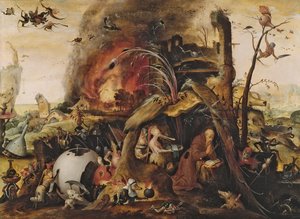
- Antwerp "Devil Pictures": Mandijn is associated with a series of Antwerp “devil pictures,” including The Temptation of Saint Christopher, which showcases his ability to evoke a sense of unease and otherworldly horror.
- Freer Style: While influenced by Bosch, Mandijn’s style exhibits a looser, more painterly quality. His brushwork is often less precise, contributing to a dynamic and somewhat chaotic visual effect.
Notable Works and Legacy
- The Temptation of Saint Anthony: This painting, housed in the Frans Hals Museum in Haarlem, is Mandijn’s only signed work and stands as a prime example of his artistic skill. It depicts Saint Anthony besieged by demonic figures, showcasing his talent for creating detailed and fantastical scenes.
- Teaching Influence: Mandijn's legacy extends beyond his own paintings; he served as a teacher to several notable artists, including Jan van der Elburcht, Gillis Mostaert, and Bartholomeus Spranger. The stylistic similarities observed in the works of these pupils suggest that Mandijn imparted valuable lessons in composition, color theory, and the depiction of fantastical subjects.
- Historical Significance: Although overshadowed by Bosch, Mandijn’s contribution to Dutch Renaissance painting is significant. His unique blend of Boschian imagery with a more accessible style helped popularize fantastical themes among a wider audience.
Later Years and Death
Jan Mandijn continued to work in Antwerp until his death around 1560. While his oeuvre remains relatively small compared to other Renaissance masters, his influence on subsequent generations of artists is undeniable. His paintings continue to be studied by art historians and appreciated by enthusiasts for their imaginative depictions of the supernatural and their unique interpretation of Bosch’s legacy.
Jan Mandijn
1500 - 1560 , Netherlands
Quick Facts
- Artistic Movement Or Style: Dutch Renaissance
- Artists Or Movements Influenced By This Artist:
- Jan van der Elburcht
- Gillis Mostaert
- Bartholomeus Spranger
- Artists Who Influenced This Artist: ['Hieronymus Bosch']
- Date Of Birth: c. 1500
- Date Of Death: 1560
- Full Name: Jan Mandijn
- Nationality: Dutch
- Notable Artworks:
- The Temptation of Saint Anthony
- Landscape with St Christopher
- Place Of Birth: Haarlem, Netherlands

