 Preview
 Send
Send Share
Share
 Details

 Download
 Similars
 X-Ray
X-Ray Diaporama
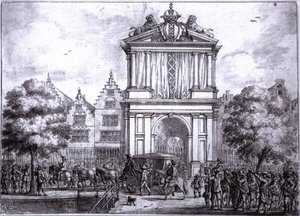
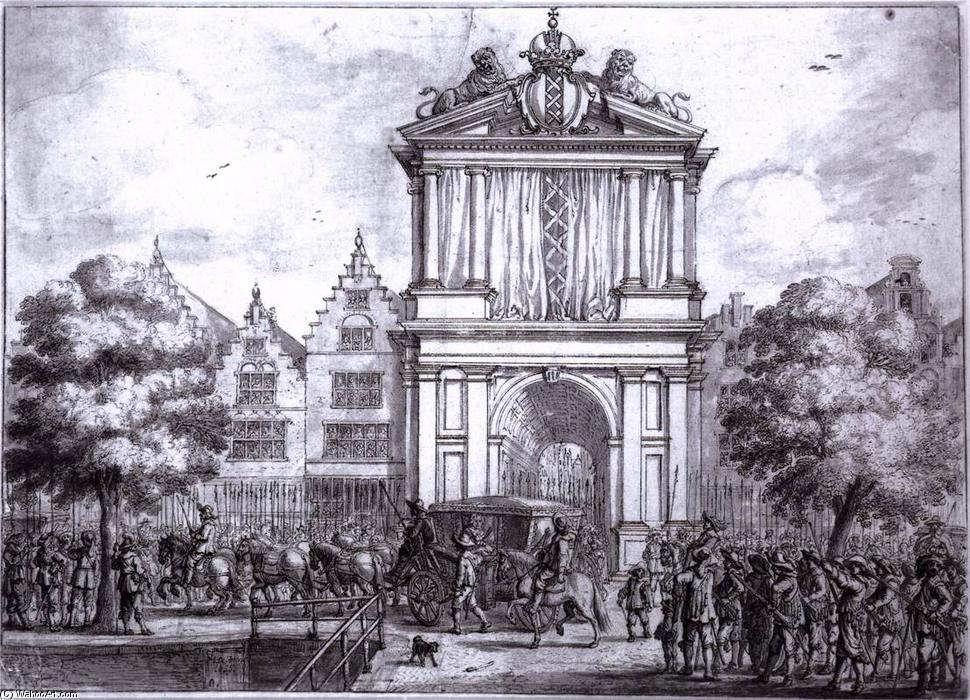
The Entry of Maria de' Medici to Amsterdam
 Acrylic On Canvas
- WallArt
- Dutch Baroque
 1638
1638 280.0 x 388.0 cm
 Rijksmuseum
 Read More
Giclée / Art Print
Museum-quality giclée or canvas print with fast production and flexible finish options. ( Buy Hand Made Painting Buy Image)




P118B $10

P118H $10

P118W $10

P438Z $10

P508JH $12

P508YH $12

P805H $10

P805Z $10

P919BZ $10

P919G $10

P919XJ $10

P959ZH $10

P968JZ $12

W106C $8

W218G $10

W218JH $8

W218Y $10

W307PJ $10

W316G $10

W316PJ $8

W316Y $10

W398PJ $8

W4111J $10

W500HY $15

W500JH $15

W692G $12

W849H $8

W940BG $15

W953PJ $8




Pick from our preset sizes that match the artwork's original proportions.

You may enter your own dimensions to fit a specific frame or space. If your selected size does not match the original image's proportions, we will either crop the artwork or extend the image with a mirrored or solid-fill edge. A digital mockup will be sent for your approval before production begins.
Please note that the on-screen preview does not reflect the actual cropping or extension. Only the mockup will accurately show the final composition.
While custom sizes are available, we recommend selecting a dimension from the predefined list to preserve the original proportions.
Worldwide Delivery () in 2 weeks instead of standard 4/5 weeks. (6 September)

Free Worldwide Express Shipping

High-Quality Linen Canvas

Full Shipping Insurance

Customs Tax Refund Guarantee

True Color Matching Guarantee

100-Day Return Policy (Defects Only)

100% Money-Back Guarantee

Bulk Discount Offer
 Glass option is only available in size under 110 CM

The Entry of Maria de' Medici to Amsterdam
Giclée / Art Print
Reproduction Size
-


Total Price
$ 63
A Grand Spectacle Captured in Ink and Light
Jan Martszen de Jonge’s “The Entry of Maria de' Medici to Amsterdam,” created in 1638, stands as a remarkable testament to the artistic fervor of the Dutch Golden Age—a period defined by unprecedented prosperity and intellectual curiosity. More than just a depiction of an important historical event, this etching embodies the stylistic sensibilities of its time, skillfully blending Flemish tradition with Baroque grandeur to convey both meticulous realism and profound emotional resonance. The artwork’s enduring appeal lies in its ability to transport viewers back to 17th-century Amsterdam, immersing them in the opulent procession commemorating Maria de' Medici’s arrival as Queen consort—a pivotal moment shaping the political landscape of Europe.- Subject Matter: The etching portrays a meticulously rendered scene capturing the ceremonial entry of Maria de' Medici into Amsterdam. At its core is a monumental archway adorned with heraldic symbols – lions and a shield – signifying royal authority and prestige, immediately establishing the grandeur of the occasion. Surrounding this focal point are numerous figures dressed in elaborate costumes reflecting the fashions of the era, meticulously capturing the details of the procession’s participants.
- Style & Technique: Martszen's masterful technique exemplifies the prevailing artistic style of the Baroque period. Employing etching—a printing process known for its ability to achieve exceptional tonal gradations and textural nuances—he achieved remarkable precision in conveying light, shadow, and surface detail. The artist’s meticulous attention to perspective creates a convincing illusion of depth, enhancing the dramatic impact of the composition.
- Historical Context: Amsterdam during 1638 was at the zenith of its influence as a commercial and cultural hub—a city eager to assert its status on the European stage. Maria de' Medici’s return symbolized not only dynastic stability but also reaffirmed the alliance between Spain and the Netherlands, marking a crucial juncture in the Thirty Years’ War. Martszen’s artwork serves as a visual chronicle of this momentous occasion, reflecting the anxieties and aspirations of the time.
- Symbolism: The archway itself carries symbolic significance—representing triumph and majesty—while the heraldic emblems underscore the importance of royal lineage and power. Furthermore, the depiction of civic guardsmen armed with muskets and pikes underscores the military dimension of the celebration, reflecting the prevailing geopolitical tensions of the era.
- Emotional Impact: Beyond its factual representation of history, “The Entry of Maria de' Medici to Amsterdam” evokes a palpable sense of spectacle and grandeur—capturing the energy and excitement surrounding this historic procession. Martszen’s skillful use of tonal shading imbues the scene with warmth and luminosity, conveying an atmosphere of celebration and reaffirmation.
Further Exploration: The Rijksmuseum Collection
A captivating glimpse into Martszen's artistic vision can be found within the Rijksmuseum’s impressive collection—specifically, “The Entry of Maria de Medici to Amsterdam” (907bbd081a155289e0a659a480eb0f0d). This monumental etching offers scholars and enthusiasts alike an opportunity to appreciate Martszen's artistic prowess firsthand—examining the intricacies of his technique and immersing oneself in the historical context surrounding its creation. You can access detailed information about the artwork’s provenance, dimensions, and stylistic characteristics on their website: https://www.rijksmuseum.nl/en/collection/object/Marie-de-Medici-s-Entry-into-Amsterdam-in-1638--907bbd081a155289e0a659a480eb0f0dReproductions Available
Would you like to experience the beauty and artistry of “The Entry of Maria de' Medici to Amsterdam” in a stunning high-quality reproduction? ArtsDot.com offers exceptional prints crafted with meticulous attention to detail—preserving Martszen’s masterful technique and capturing the essence of this iconic Baroque masterpiece. Explore our selection of sizes and framing options: https://ArtsDot.com/en/art/jan-the-younger-martszen-the-entry-of-maria-de-medici-to-amsterdam-8XZLMG-en/Related Artworks

Artist Biography
Jan Martszen de Jonge (1609 – 1647): A Flemish Landscape Painter Amidst Baroque Splendor
Jan Martszen de Jonge (1609 in Haarlem – 1647 in Haarlem) stands as a relatively obscure figure within the illustrious tapestry of Dutch Golden Age art, yet his contribution to landscape painting and particularly his depictions of military skirmishes holds considerable interest for scholars examining the artistic currents of the era. Primarily active in Haarlem, Martszen’s oeuvre reflects both the stylistic innovations of the Baroque period and a grounding in Flemish traditions—a duality that distinguishes him from many of his contemporaries.- Early Life & Training: Precise biographical details surrounding Martszen's formative years remain scarce. He apprenticed under Hans van Steenwyck II, a prominent Haarlem landscape painter known for his dramatic compositions and meticulous attention to detail. This association undoubtedly instilled in Martszen a foundational understanding of Flemish landscape aesthetics—characterized by atmospheric perspective, luminous color palettes, and an emphasis on conveying mood and emotion through visual cues.
- Notable Works & Artistic Style: Martszen’s artistic style is notable for its blend of Baroque grandeur and Flemish realism. He excelled in capturing the dynamism of battle scenes with impressive accuracy—a genre that gained considerable popularity during his lifetime, fueled by ongoing conflicts between European powers. However, he wasn't solely focused on military subjects; he produced serene landscapes imbued with subtle tonal variations and evocative lighting effects. The Rijksmuseum houses several paintings attributed to Martszen, including “The Entry of Maria de’ Medici to Amsterdam,” showcasing his masterful command of color and composition.
- Influences & Connections: Martszen's artistic sensibilities were undoubtedly shaped by the broader artistic landscape of Haarlem during the Baroque period. He collaborated closely with Jan Brueghel the Elder, a celebrated Flemish painter known for his monumental landscapes and allegorical narratives—a partnership that exemplifies the cross-border exchange of ideas and techniques prevalent in 17th-century art circles. Furthermore, Martszen’s work demonstrates an awareness of scientific observation, mirroring the burgeoning interest in natural history during this era.
- Legacy & Historical Significance: While Martszen's fame didn't rival that of Rembrandt or Vermeer, his paintings continue to resonate with viewers today due to their skillful execution and expressive qualities. He represents a crucial link between Flemish landscape painting and the Dutch Baroque tradition—a testament to Haarlem’s artistic vitality during its golden age. His contribution to documenting military events provides valuable insight into the visual culture of the time.
Exploring Martszen's Landscape Vision
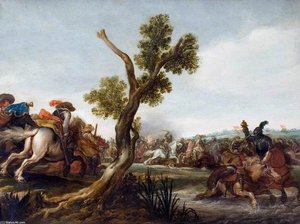
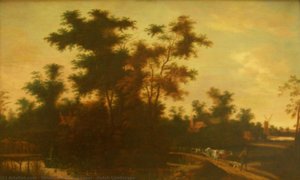
Martszen’s landscapes aren’t merely scenic representations; they are imbued with a palpable sense of atmosphere and emotion. Unlike some contemporaries who prioritized idealized beauty, Martszen sought to capture the complexities of nature—its subtle shifts in light and color—with remarkable precision. His use of tonal gradations—particularly his masterful manipulation of chiaroscuro—creates dramatic contrasts that heighten visual impact and convey psychological depth. Consider “Battle Scene,” where Martszen skillfully depicts a chaotic battlefield, utilizing muted colors and dynamic brushstrokes to convey the intensity of combat. This approach aligns with the broader Baroque preoccupation with conveying emotion through art, distinguishing Martszen from artists prioritizing purely decorative considerations.Further Resources
For deeper exploration into Jan Martszen de Jonge’s artistic life and work, consult the following resources:- Wikipedia: https://en.wikipedia.org/wiki/Jan_Martszen_de_Jonge
- Rijksmuseum Collection: https://www.rijksmuseum.nl/explore/artists/jan-martszen-de-jonge/
Related Artists
Consider examining the works of Jan Brueghel the Elder and Pieter Van Laan for comparative insights into Flemish Baroque landscape painting during Martszen’s era.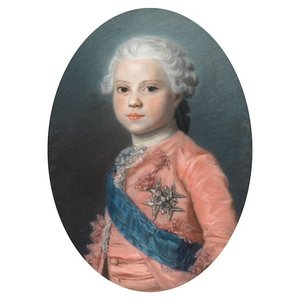
jan the younger martszen
1609 - 1647 , Netherlands
Quick Facts
- Artistic Movement Or Style: Italianate Painting
- Artists Or Movements Influenced By This Artist: ['Baroque']
- Artists Who Influenced This Artist:
- Hans Memling
- Jan Brueghel the Elder
- Date Of Birth: 1609 Haarlem Netherlands
- Full Name: Jan Martszen de Jonge
- Nationality: Dutch
- Notable Artworks:
- The Entry of Maria de' Medici to Amsterdam
- Battle Scene
- Place Of Birth: Haarlem Netherlands
Related Articles

Dutch Masters: 10 Golden Age Paintings That Still Inspire |
Journey into the Dutch Golden Age! Explore 10 iconic paintings by Rembrandt, Vermeer & Hals. Discover the stories behind these Baroque masterpieces and find museum-quality art reproductions to elevate your home decor on .
Pieter de Hooch: Illuminating Dutch Domestic Life & Golden Age Charm
Explore the captivating world of Pieter de Hooch, a master of Dutch Golden Age painting. Discover his innovative use of light, intimate domestic scenes, and lasting influence on art history. Learn more at ArtsDot.
Jan Steen: A Master of Dutch Genre Painting & the Golden Age
Explore the life & art of Jan Steen, a leading Dutch Golden Age painter renowned for his humorous genre scenes & insightful social commentary. Discover his techniques, legacy, and collecting tips.
Willem van de Velde the Elder: Master of Maritime Painting & Chronicler of the Dutch Golden Age
Discover the captivating maritime paintings of Willem van de Velde the Elder, a master chronicler of the Dutch Golden Age. Explore his unparalleled realism and lasting influence on naval art history.

Golden Age Reflections: Dutch Baroque Painting & Cultural Innovation
Explore the Dutch Golden Age of painting! Discover key artists like Vermeer & ter Borch, their innovative techniques, and the rich cultural context behind these Baroque masterpieces. Learn about collecting & appreciating this iconic art period.