 Preview
 Send
Send Share
Share
 Details

 Download
 Similars
 X-Ray
X-Ray Diaporama
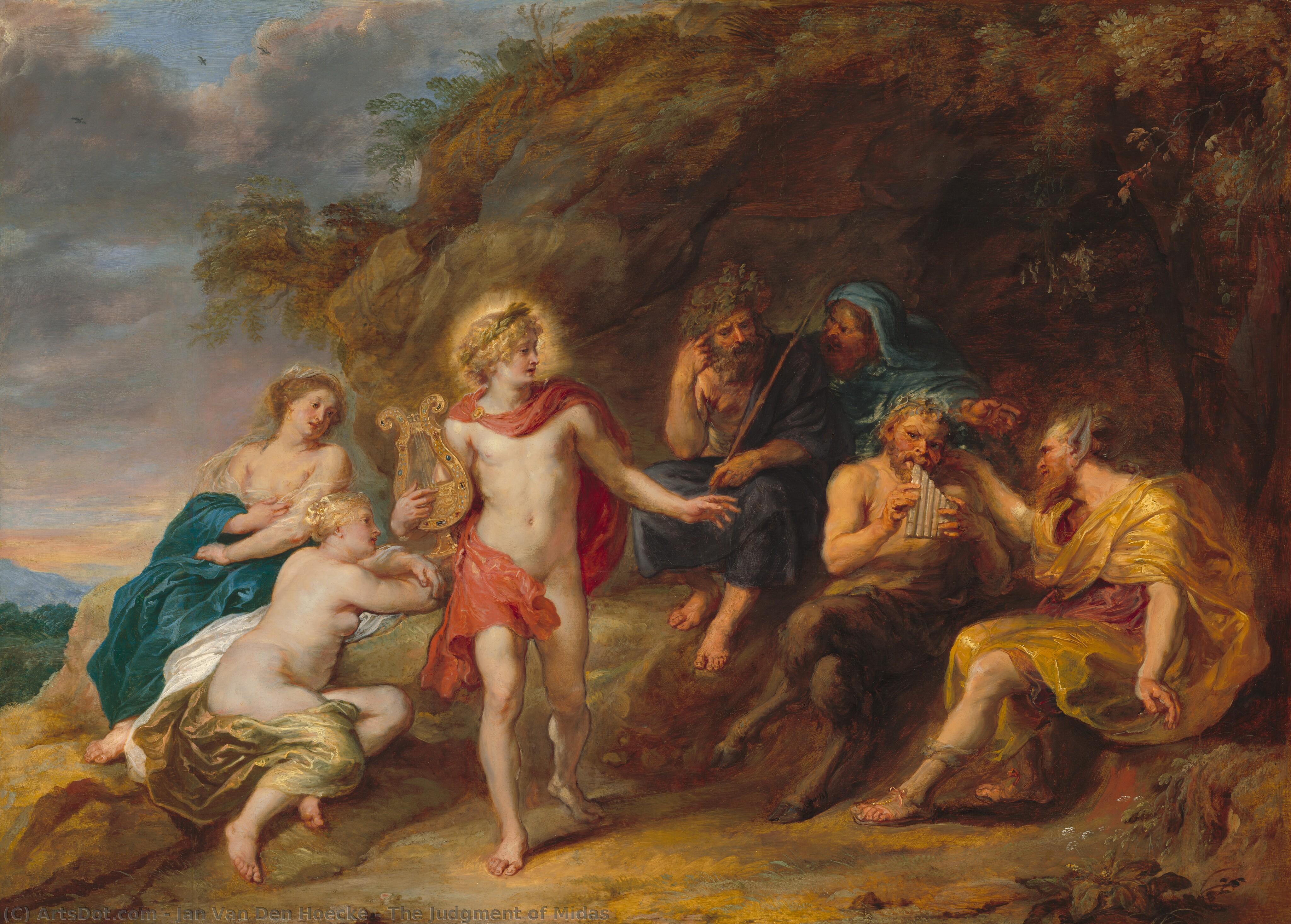
The Judgment of Midas
 1640
1640 97.0 x 126.0 cm
 Read More
Hand Made Oil Reproduction
Hand-painted oil on canvas in your size and frame, made to order by our artists. ( Buy Print Buy Image)




































Pick from our preset sizes that match the artwork's original proportions.

You may enter your own dimensions to fit a specific frame or space. If your selected size does not match the original image's proportions, we will either crop the artwork or extend the painting with additional hand-painted elements. A digital mockup will be sent for your approval before production begins.
Please note that the on-screen preview does not reflect the actual cropping or extension. Only the mockup will accurately show the final composition.
While custom sizes are available, we recommend selecting a dimension from the predefined list to preserve the original proportions.
After order, ArtsDot.com team will email client for instructions and provide a mockup preview
Worldwide Delivery () in 3/4 weeks instead of standard 5 weeks. (17 August). No compromise on quality.

Free Worldwide Express Shipping

High-Quality Linen Canvas

Full Shipping Insurance

Customs Tax Refund Guarantee

True Color Matching Guarantee

60-Day Return Policy (Defects Only)

100% Money-Back Guarantee

Bulk Discount Offer
 Glass option is only available in size under 110 CM

The Judgment of Midas
Reproduction Medium
Reproduction Size
-


Total Price
$ 263
Artwork Description
Related Artworks
Artist Biography
Jan van den Hoecke: A Rediscovered Baroque Collaborator
Jan van den Hoecke (1611-1651) stands as a fascinating figure in the artistic landscape of Antwerp and Rome during the Baroque era, largely overshadowed by his more celebrated contemporaries like Rubens. Yet, recent scholarship has begun to illuminate his considerable contribution to Flemish art history, revealing him as a pivotal assistant within Rubens’ studio and a prolific painter of monumental commissions. His legacy resides not only in his completed works but also in the collaborative spirit that characterized his artistic endeavors—a spirit that profoundly impacted the visual culture of his time.Early Life and Training
Born in Antwerp to Gaspar van den Hoecke, a respected painter himself, Jan’s artistic lineage instilled within him an early appreciation for visual artistry. While precise details regarding his formative years remain elusive, it is believed he initially apprenticed under his father, absorbing foundational techniques and stylistic sensibilities prevalent in the Antwerp School of Painting. Furthermore, evidence suggests that Robert van den Hoecke, his half-brother, also pursued artistic training alongside Jan, fostering a familial commitment to painting within their household. This upbringing undoubtedly shaped Jan’s subsequent artistic development and positioned him favorably for collaboration with Rubens.Service Under Rubens: A Partnership Forged in Brilliance
Jan van den Hoecke's career truly blossomed during his tenure as Rubens’ studio assistant from the mid-1630s to 1651. This association proved transformative, propelling him into the epicenter of artistic innovation and cementing his reputation as one of Rubens’ most trusted collaborators. He wasn’t merely a draughtsman; he actively participated in the conception and execution of ambitious projects—most notably the ceiling decorations for the banquet hall of Rubens’ Palazzo Bolognese in Rome. Together with Rubens and other artists, Jan contributed to creating an immersive visual experience that celebrated papal grandeur and artistic excellence. The collaborative spirit extended beyond architectural schemes. He worked diligently on preparatory sketches and compositional studies, ensuring that Rubens' vision was flawlessly realized. Perhaps his most enduring contribution was his involvement in the monumental depiction of “The Battle of Nördlingen,” 1634—a painting conceived by Rubens but entrusted to Jan for execution. This ambitious undertaking showcased Jan’s mastery of perspective and dramatic storytelling, mirroring Rubens’ stylistic prowess. Notably, Jacob Jordaens undertook retouching work on the canvas after Van den Hoecke's departure from Rome, demonstrating the enduring importance of his artistic legacy.Notable Paintings and Artistic Style
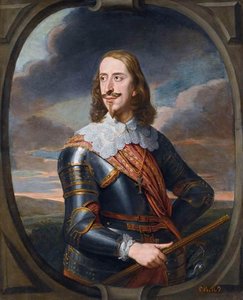
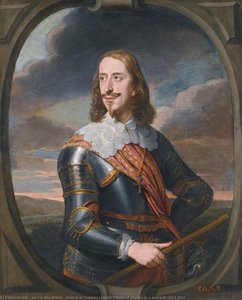
Jan van den Hoecke produced a diverse body of work encompassing portraits, history paintings, and allegorical compositions—all characterized by a refined aesthetic sensibility rooted in Italian Classicism blended with Flemish Baroque traditions. His portrait commissions captured the dignity and grandeur of noble patrons, reflecting the artistic conventions of his era. However, it was his monumental history paintings that truly distinguished him as an artist. “The Judgment of Midas” exemplifies his ability to convey complex narratives through masterful use of color and composition—a hallmark of Rubens’ influence. Similarly, "Portrait of Archduke Leopold Wilhelm of Austria, as a Marshall" demonstrates Jan's meticulous attention to detail and psychological insight. His artistic style was marked by subtle tonal gradations, precise rendering of textures, and an understated elegance that distinguished him from more flamboyant contemporaries. Like Rubens, he skillfully employed atmospheric perspective—creating depth and realism through the depiction of distant landscapes—a technique that elevated his paintings beyond mere representation into evocative expressions of emotion and intellect.Historical Significance and Rediscovery
Despite fading into relative obscurity during his lifetime, Jan van den Hoecke’s artistic achievements have experienced a resurgence of interest in recent decades thanks to ongoing research and scholarly reassessment. Museums like the Museum Mayer van den Bergh and Kunstmuseum Den Haag are actively showcasing rediscovered works by Van den Hoecke, ensuring that his contribution to Baroque art history is recognized anew. Furthermore, institutions such as ArtsDot.com continue to promote awareness of his artistic legacy—demonstrating that Jan van den Hoecke’s oeuvre deserves a prominent place within the broader narrative of Flemish Baroque painting. His rediscovery underscores the importance of meticulous archival research and celebrates the enduring power of art to transcend time and inspire contemporary appreciation for artistic excellence.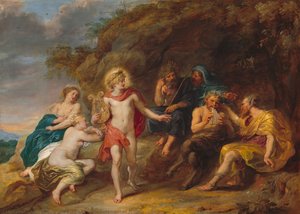
Jan van den Hoecke
1611 - 1651
Quick Facts
- Artistic Movement Or Style: Baroque
- Artists Or Movements Influenced By This Artist: ['Rubens']
- Artists Who Influenced This Artist: ['Peter Paul Rubens']
- Date Of Birth: 1611
- Date Of Death: 1651
- Full Name: Jan van den Hoecke
- Nationality: Flemish
- Notable Artworks:
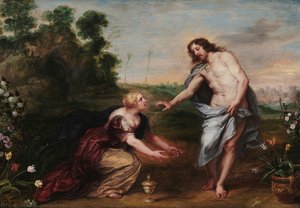
- Noli Me Tangere
- The Judgment of Midas
- Portrait of Archduke Leopold Wilhelm
- Place Of Birth: Antwerp, Belgium