 Preview
 Send
Send Share
Share
 Details

 Download
 Similars
 X-Ray
X-Ray Diaporama
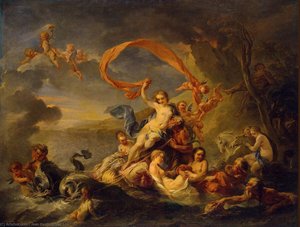
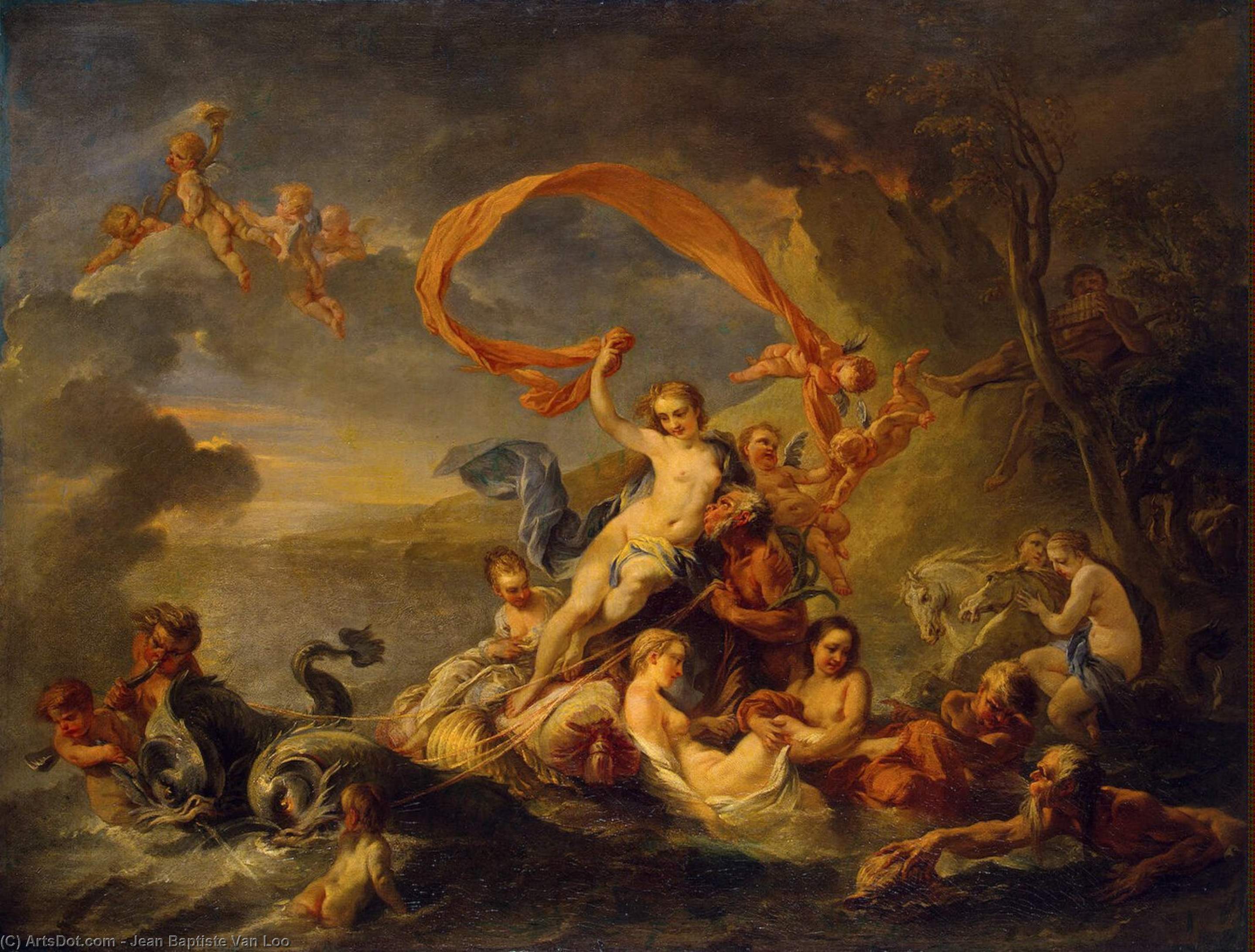
Triumph of Galatea
 Acrylic On Canvas
- WallArt
- Rococo Painting
 1720
1720 90.0 x 116.0 cm
 Hermitage Museum
 Read More
Hand Made Oil Reproduction
Hand-painted oil on canvas in your size and frame, made to order by our artists. ( Buy Print Buy Image)




P118B $10

P118H $10

P118W $10

P438Z $10

P508JH $12

P508YH $12

P805H $10

P805Z $10

P919BZ $10

P919G $10

P919XJ $10

P959ZH $10

P968JZ $12

W106C $8

W218G $10

W218JH $8

W218Y $10

W307PJ $10

W316G $10

W316PJ $8

W316Y $10

W398PJ $8

W4111J $10

W500HY $15

W500JH $15

W692G $12

W849H $8

W940BG $15

W953PJ $8




Pick from our preset sizes that match the artwork's original proportions.

You may enter your own dimensions to fit a specific frame or space. If your selected size does not match the original image's proportions, we will either crop the artwork or extend the painting with additional hand-painted elements. A digital mockup will be sent for your approval before production begins.
Please note that the on-screen preview does not reflect the actual cropping or extension. Only the mockup will accurately show the final composition.
While custom sizes are available, we recommend selecting a dimension from the predefined list to preserve the original proportions.
After order, ArtsDot.com team will email client for instructions and provide a mockup preview
Worldwide Delivery () in 3/4 weeks instead of standard 5 weeks. (16 August). No compromise on quality.

Free Worldwide Express Shipping

High-Quality Linen Canvas

Full Shipping Insurance

Customs Tax Refund Guarantee

True Color Matching Guarantee

60-Day Return Policy (Defects Only)

100% Money-Back Guarantee

Bulk Discount Offer
 Glass option is only available in size under 110 CM

Triumph of Galatea
Reproduction Medium
Reproduction Size
-


Total Price
$ 263
Artwork Description
The Genesis of a Mythological Vision
Jean-Baptiste van Loo’s “Triumph of Galatea,” painted in 1720, isn't merely a depiction of a classical myth; it’s an immersive experience, a vibrant tableau vivant that transports the viewer to the heart of Roman mythology and the opulent world of the Farnese villa. The painting captures a pivotal moment from Ovid’s *Metamorphoses*, where the sea nymph Galatea is celebrated by a throng of gods, angels, and mythological figures – a testament to her beauty and a joyous affirmation of her divine status. Van Loo masterfully blends elements of classical narrative with Baroque theatricality, creating an atmosphere thick with celebration, light, and movement.
The scene unfolds within a lavishly decorated grotto, its walls adorned with intricate carvings and shimmering marble. At the center stands Galatea herself, holding aloft a ribbon or flag – a deliberate gesture of leadership and triumph. Her pose is graceful yet commanding, radiating an ethereal beauty that draws the eye immediately. Surrounding her are a host of figures: cherubic angels showering her with flowers, playful putti engaged in various activities, and classical deities like Neptune, presiding over the scene with regal authority. The composition isn’t static; it's brimming with dynamic energy – dancers twirl, musicians play their instruments, and messengers deliver messages, all contributing to a sense of perpetual revelry.
A Baroque Symphony of Light and Color
Van Loo’s technical prowess is immediately evident in the painting’s masterful use of light and color. He employs a dramatic chiaroscuro technique – a stark contrast between light and shadow – to sculpt the figures, creating a sense of depth and volume. The highlights gleam on Galatea's skin and clothing, while the surrounding figures are bathed in a warm, golden glow, emanating from unseen sources. The palette is rich and vibrant, dominated by shades of blue, gold, pink, and white, reflecting the opulence of the Farnese villa and the divine nature of the subjects. The artist’s meticulous attention to detail extends to the textures – the flowing drapery, the delicate petals of flowers, and the intricate patterns on the grotto walls—all rendered with astonishing realism.
The brushwork is remarkably smooth and refined, characteristic of the Baroque style. Van Loo skillfully blended colors to create seamless transitions and a sense of fluidity in movement. He utilized layering techniques to build up forms gradually, achieving a remarkable level of detail without sacrificing clarity or spontaneity. The overall effect is one of polished elegance and artistic virtuosity.
Symbolism and the Echoes of Roman Mythology
Beyond its aesthetic beauty, “Triumph of Galatea” is laden with symbolic meaning. Galatea herself represents not only physical beauty but also virtue and grace – qualities highly valued in classical art. Her celebration signifies the triumph of divine order over chaos and the affirmation of mythological narratives as sources of moral instruction. The presence of Neptune underscores the connection between the myth and the sea, while the angels symbolize divine favor and protection. The act of celebrating Galatea can be interpreted as a commentary on the power of beauty to inspire awe and reverence.
Furthermore, the painting’s setting within a grotto evokes associations with classical mythology – particularly the stories of nymphs and sea deities. The grotto itself serves as a symbolic space, representing both earthly pleasure and divine realms. The inclusion of various mythological figures—including Apollo, Diana, and Venus—reinforces the painting's connection to the broader pantheon of Greek gods and goddesses.
A Legacy of Elegance: Van Loo’s Artistic Influence
Jean-Baptiste van Loo was a pivotal figure in 18th-century French art, renowned for his portraits and mythological scenes. His work exemplifies the Baroque style's emphasis on grandeur, drama, and technical skill. “Triumph of Galatea” stands as one of his most celebrated achievements, showcasing his mastery of composition, color, and light. Reproductions of this magnificent painting continue to captivate audiences today, offering a glimpse into the artistic sensibilities of a bygone era. Its enduring appeal lies in its ability to transport viewers to a world of mythic beauty and Baroque splendor—a testament to Van Loo’s exceptional talent and vision.
Related Artworks
Artist Biography
A Legacy of Likeness: The Life and Art of Jean-Baptiste van Loo
Jean-Baptiste van Loo, born in Aix-en-Provence in 1684, emerged from a distinguished lineage of artists, a heritage that profoundly shaped his artistic journey. His father, Louis-Abraham van Loo, himself the son of Jacob van Loo, instilled in him not only technical skill but also an appreciation for the power and prestige associated with portraiture. This familial foundation proved crucial as young Jean-Baptiste embarked on a career destined to capture the likenesses of Europe’s elite. Early training laid the groundwork for his future success, fostering a meticulous attention to detail and a developing understanding of composition that would become hallmarks of his style. The initial artistic explorations within Aix and Toulon were abruptly interrupted by the siege of 1707, an event that propelled him toward new opportunities and further refinement of his craft.From Roman Churches to Parisian Salons
A pivotal moment arrived with the patronage of Prince Emmanuel Philibert of Carignano, who recognized van Loo’s burgeoning talent and sponsored his journey to Rome. This sojourn proved transformative. Under the tutelage of Benedetto Luti, van Loo immersed himself in the vibrant artistic milieu of the Italian capital, honing his skills while contributing significantly to the city's religious landscape. His “Scourging of Christ” for the church of Santa Maria in Monticelli garnered considerable acclaim, demonstrating a mastery of dramatic composition and emotional intensity. This early success established him as a painter capable of both technical brilliance and profound spiritual expression. Following Rome, van Loo’s artistic path led him to Turin, where he painted portraits of Charles Emmanuel II, Duke of Savoy, and members of his court, further solidifying his reputation among European nobility. The culmination of this period saw his election into the prestigious Académie Royale de Peinture et de Sculpture in Paris, marking a significant milestone in his career and opening doors to commissions from the highest echelons of French society. He also undertook restoration work at Fontainebleau, demonstrating versatility beyond portraiture.Capturing an Era: Portraiture and Aristocratic Patronage
Van Loo’s true mastery lay in the art of portraiture. He possessed a remarkable ability to capture not merely physical resemblance but also the essence of his sitters – their status, personality, and even subtle nuances of character. His portraits were sought after by aristocrats across Europe, including a young William Murray (later the 1st Lord Mansfield) during his time in Paris, and later Sir Robert Walpole in England. The portrait of Walpole, now residing in the National Portrait Gallery, London, exemplifies van Loo’s style: a dignified depiction emphasizing power and authority through meticulous detail in attire and pose. While celebrated for his technical skill, it's worth noting that van Loo’s portraits were often described as unflattering, prioritizing faithful representation over idealization. This commitment to realism, while perhaps not always appreciated by his subjects, contributed to the historical value of his work, offering invaluable insights into the appearance and demeanor of prominent figures of the 18th century. His ability to convey social standing through artistic choices made him a favored artist among those seeking to project an image of power and refinement.A Brief English Interlude and Enduring Influence
In 1737, van Loo ventured to England, where he quickly gained recognition for his portraits of Colley Cibber and Owen McSwiny. However, his time in Britain was cut short by declining health, forcing him to return to France in 1742 and eventually settle back in Aix-en-Provence, where he passed away in 1745. Despite the brevity of his English sojourn, it left a lasting impression on the artistic landscape of the period. His work influenced subsequent generations of portrait painters, who admired his technical precision and commitment to realism. The legacy of Jean-Baptiste van Loo extends beyond individual masterpieces; he represents a pivotal figure in the development of 18th-century portraiture, bridging the gap between the Baroque and Rococo styles. Today, his paintings continue to captivate audiences with their historical significance and artistic merit, offering a glimpse into a bygone era of elegance, power, and refined artistry. His works can be found in prominent collections such as the National Portrait Gallery in London, ensuring that his contribution to art history remains accessible for generations to come.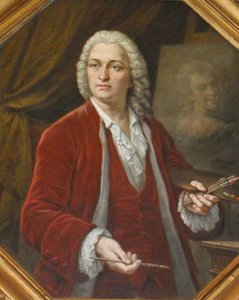
Jean-Baptiste van Loo
1684 - 1745 , France
Quick Facts
- Artistic Movement Or Style: Baroque, Rococo
- Artists Who Influenced This Artist: ['Benedetto Luti']
- Date Of Birth: 1684
- Date Of Death: 1745
- Full Name: Jean-Baptiste van Loo
- Nationality: French
- Notable Artworks:
- Scourging of Christ
- Portrait of Walpole
- King Louis XV portrait
- Place Of Birth: Aix-en-Provence, France
Related Articles
Van Gogh's Masterpieces: Explore 25 Iconic Paintings & Art for Your Home
Journey through Vincent van Gogh's 25 most iconic paintings! Explore 'Starry Night', 'Sunflowers,' and more—discover the stories, techniques & emotions behind these Post-Impressionist masterpieces. Find museum-quality art reproductions for your home at ArtsDot.com.
Charles-André van Loo: A Study in Rococo Portraiture & the French Court's Artistic Dynamics
Explore the elegant world of Charles-André van Loo, a master of Rococo portraiture at the French court. Discover his life, techniques, and enduring influence on 18th-century art. Hand-painted reproductions available.

Rembrandt's Masterpieces: Explore 25 Iconic Paintings & Prints | ArtsDot
Journey through Rembrandt van Rijn's 25 most iconic paintings & etchings. Explore Dutch Golden Age masterpieces, dramatic chiaroscuro, and timeless portraits. Find museum-quality art reproductions to elevate your home decor on ArtsDot.com.
Early Netherlandish Masters: 10 Paintings That Revolutionized Art & Decor
Journey into the world of Early Netherlandish painting! Explore 10 masterpieces by Jan van Eyck, Rogier van der Weyden & more. Discover stunning detail, symbolism & Renaissance art for your home decor. Find museum-quality reproductions on ArtsDot.com
Early Netherlandish Masters: 10 Paintings That Revolutionized Art & Decor
Journey into the Early Netherlandish Renaissance! Explore 10 iconic paintings by Jan van Eyck, Rogier van der Weyden & more. Discover stunning detail, symbolism, and oil painting techniques. Find museum-quality art reproductions for your home at ArtsDot.com.