 Preview
 Send
Send Share
Share
 Details

 Download
 Similars
 X-Ray
X-Ray Diaporama
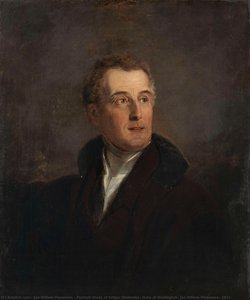
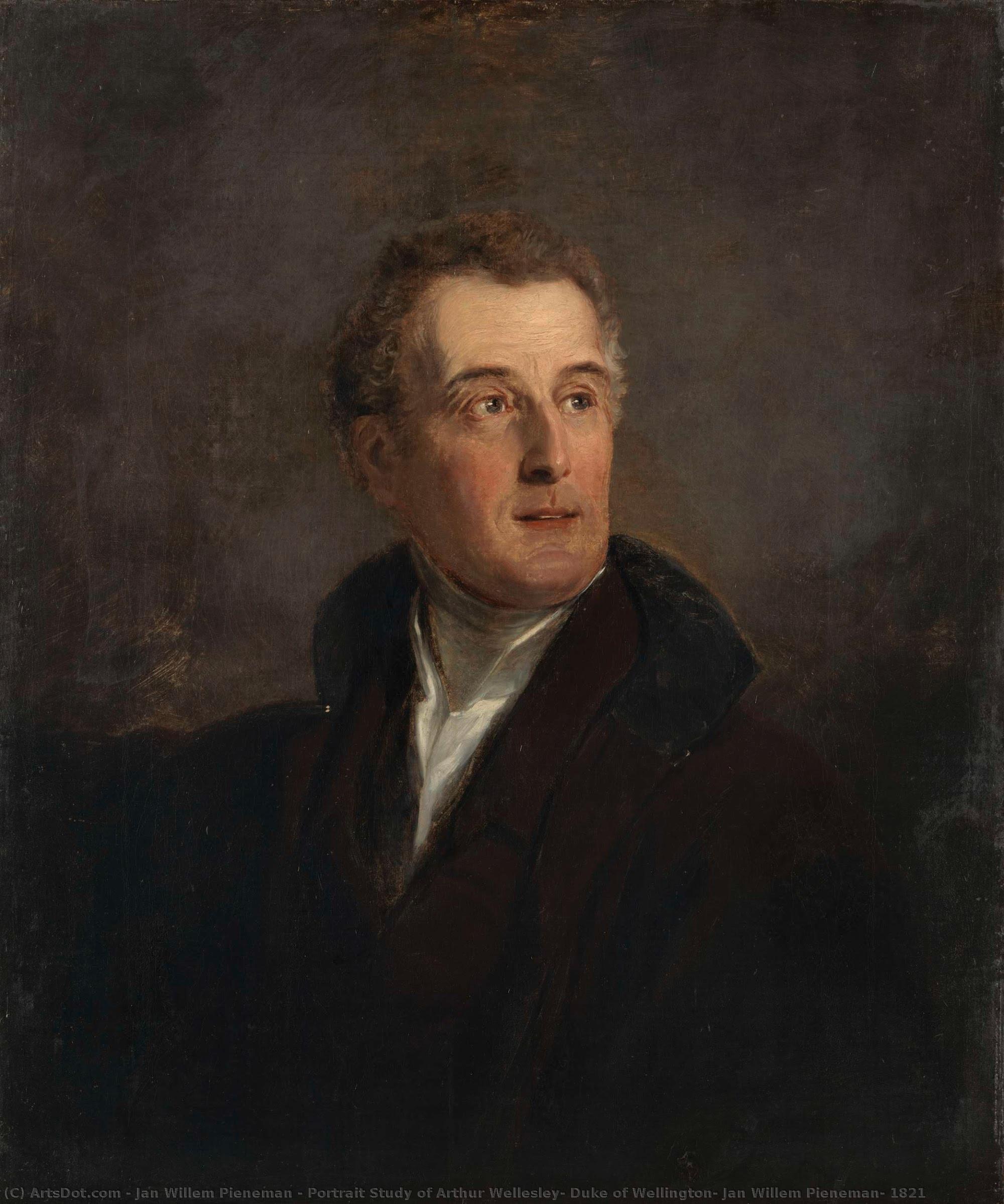
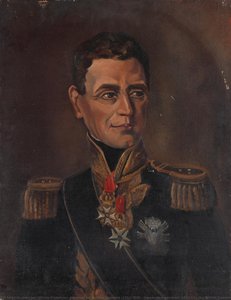
Portrait Study of Arthur Wellesley, Duke of Wellington, Jan Willem Pieneman, 1821
 Neoclassicism
 1821
1821 76.0 x 64.0 cm
 Read More
Hand Made Oil Reproduction
Hand-painted oil on canvas in your size and frame, made to order by our artists. ( Buy Print Buy Image)




































Pick from our preset sizes that match the artwork's original proportions.

You may enter your own dimensions to fit a specific frame or space. If your selected size does not match the original image's proportions, we will either crop the artwork or extend the painting with additional hand-painted elements. A digital mockup will be sent for your approval before production begins.
Please note that the on-screen preview does not reflect the actual cropping or extension. Only the mockup will accurately show the final composition.
While custom sizes are available, we recommend selecting a dimension from the predefined list to preserve the original proportions.
After order, ArtsDot.com team will email client for instructions and provide a mockup preview
Worldwide Delivery () in 3/4 weeks instead of standard 5 weeks. (16 August). No compromise on quality.

Free Worldwide Express Shipping

High-Quality Linen Canvas

Full Shipping Insurance

Customs Tax Refund Guarantee

True Color Matching Guarantee

60-Day Return Policy (Defects Only)

100% Money-Back Guarantee

Bulk Discount Offer
 Glass option is only available in size under 110 CM

Portrait Study of Arthur Wellesley, Duke of Wellington, Jan Willem Pieneman, 1821
Reproduction Medium
Reproduction Size
-


Total Price
$ 263
Artwork Description
Related Artworks
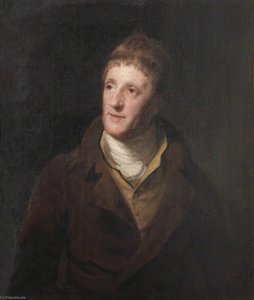
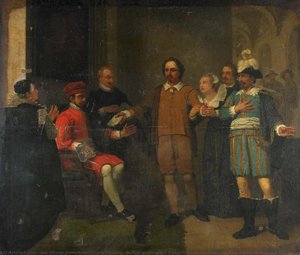
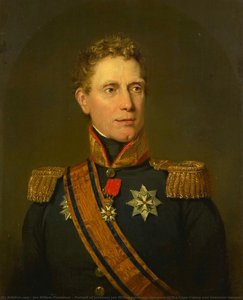
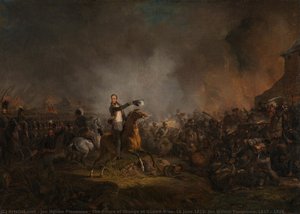
Artist Biography
Jan Willem Pieneman: A Dutch Master of Historical Narrative
Jan Willem Pieneman (1779-1853) stands as a pivotal figure in 19th-century Dutch art, celebrated primarily for his monumental historical paintings that captured the spirit and drama of key moments in British and Dutch history. Born in Abcoude, Netherlands, he began his artistic journey with foundational training in wallpaper painting before pursuing formal studies at the Amsterdam Stadstekenacademie, establishing a solid grounding in classical technique. His early career saw him working as a salesman alongside honing his artistic skills—a testament to his pragmatic approach blended with unwavering dedication to art.- Early Influences & Training: Pieneman’s formative years were marked by exposure to the artistic traditions of Amsterdam, where he absorbed stylistic cues from prominent painters of his time. The Stadstekenacademie provided invaluable academic instruction, equipping him with the skills necessary for tackling ambitious historical commissions.
- Appointment at Amersfoort & Artistic Recognition: In 1805, Pieneman secured a prestigious position as drawing instructor at the artillery and engineering training centre in Amersfoort—a role that not only solidified his reputation but also exposed him to the burgeoning intellectual currents of the era.
The Epic Canvas: Painting Battles & Royal Portraits
- Battle Scenes – Waterloo and Quatre Bras: Pieneman’s fame ascended dramatically with his depiction of the Battle of Waterloo (1824) and the heroic defense at Quatre Bras (1806), commissioned by Duke Wellington himself. These canvases exemplify his masterful command of composition, dramatic lighting, and meticulous detail—capturing the visceral energy and strategic complexities of warfare.
- Royal Patronage & Portraiture: Wellington’s admiration for Pieneman led to repeated invitations to England, where he produced portraits of influential figures, including King William IV. His ability to convey character and dignity through portraiture cemented his position as one of the era's foremost portraitists.
Directorate & Artistic Legacy
- Head of the Royal Academy: From 1820, Pieneman served as Director of the Royal Academy of Fine Arts in Amsterdam—a role he held until his death. During this period, he fostered a vibrant artistic environment and nurtured the talents of numerous young artists, notably Jozef Israëls.
- Influence on Rijksmuseum & Artistic Mentorship: He also contributed to the establishment of the Rijksmuseum (later Mauritshuis), initially serving as assistant director. Furthermore, Pieneman’s influence extended beyond formal institutions; he mentored a generation of painters who would become celebrated figures in Dutch art history.
Notable Works & Artistic Style
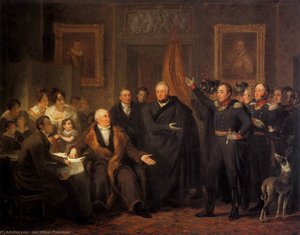
- Allegory on the Death of William V: His allegorical painting “Allegory on the Death of William V” exemplifies his penchant for conveying complex narratives through symbolic imagery—a hallmark of neoclassical artistic practice.
- Stylistic Characteristics: Pieneman’s paintings are characterized by a meticulous attention to detail, balanced compositions, and a restrained palette dominated by earthy tones. He skillfully employed chiaroscuro – dramatic contrasts between light and dark – to heighten the emotional impact of his scenes.
Concluding Significance Jan Willem Pieneman’s contribution to Dutch art transcends mere technical proficiency; he captured the essence of historical events with profound artistic sensitivity. His paintings continue to resonate today as powerful reminders of pivotal moments in European history and stand as enduring monuments to his artistic vision.
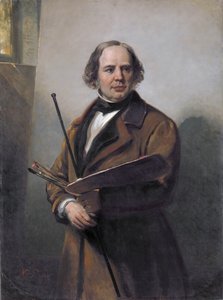
Jan Willem Pieneman
1779 - 1853 , Netherlands
Quick Facts
- Artistic Movement Or Style: Neoclassical
- Artists Or Movements Influenced By This Artist: ['Romanticism']
- Artists Who Influenced This Artist: ['']
- Date Of Birth: November 4, 1779
- Date Of Death: April 8, 1853
- Full Name: Jan Willem Pieneman
- Nationality: Dutch
- Notable Artworks:
- Allegory on the Death of William V,
- Self-Sacrifice of Pastor Hambroek on Formosa,
- Battle of Waterloo (detail)
- Portrait of Wellington
- Portrait Study of Arthur Wellesley
- Place Of Birth: Abcoude, Netherlands
Related Articles
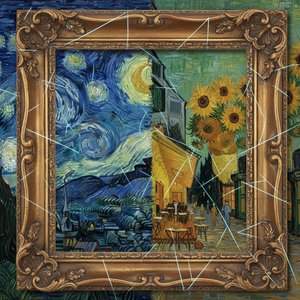
Van Gogh's Masterpieces: Explore 25 Iconic Paintings & Art for Your Home
Journey through Vincent van Gogh's 25 most iconic paintings! Explore 'Starry Night', 'Sunflowers,' and more—discover the stories, techniques & emotions behind these Post-Impressionist masterpieces. Find museum-quality art reproductions for your home at ArtsDot.com.
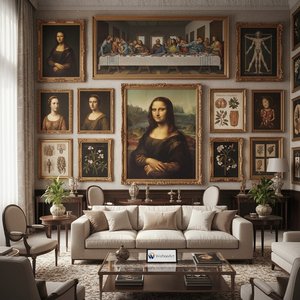
Leonardo da Vinci's Masterpieces: Explore 25 Iconic Artworks for Your Home | ArtsDot
Journey through Leonardo da Vinci's genius with our curated selection of 25 iconic artworks. Explore the stories behind Mona Lisa, The Last Supper & more Renaissance masterpieces. Find museum-quality art reproductions for your home at ArtsDot.com.
Jan Lievens & Rembrandt: A Comparative Study of Baroque Innovation
Explore the fascinating artistic dialogue between Jan Lievens and Rembrandt van Rijn. Discover Lievens’s unique Baroque style, continental influences, and evolving legacy – a must-read for discerning art collectors.
Jan Gossaert (Mabuse): Pioneering Renaissance Style & the Birth of Netherlandish Antiquity
Explore the groundbreaking art of Jan Gossaert (Mabuse), a pioneer of Renaissance painting in the Low Countries. Discover his Romanist style, stunning portraits, and influence on Northern European art history.
Neoclassical Art: 10 Masterpieces That Shaped History |
Explore 10 defining Neoclassical masterpieces by David, Ingres & Canova. Discover the history, symbolism & artistry behind these iconic paintings and sculptures. Find museum-quality art reproductions at – elevate your home with timeless beauty.