 Preview
 Send
Send Share
Share
 Details

 Download
 Similars
 X-Ray
X-Ray Diaporama
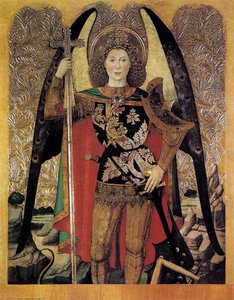
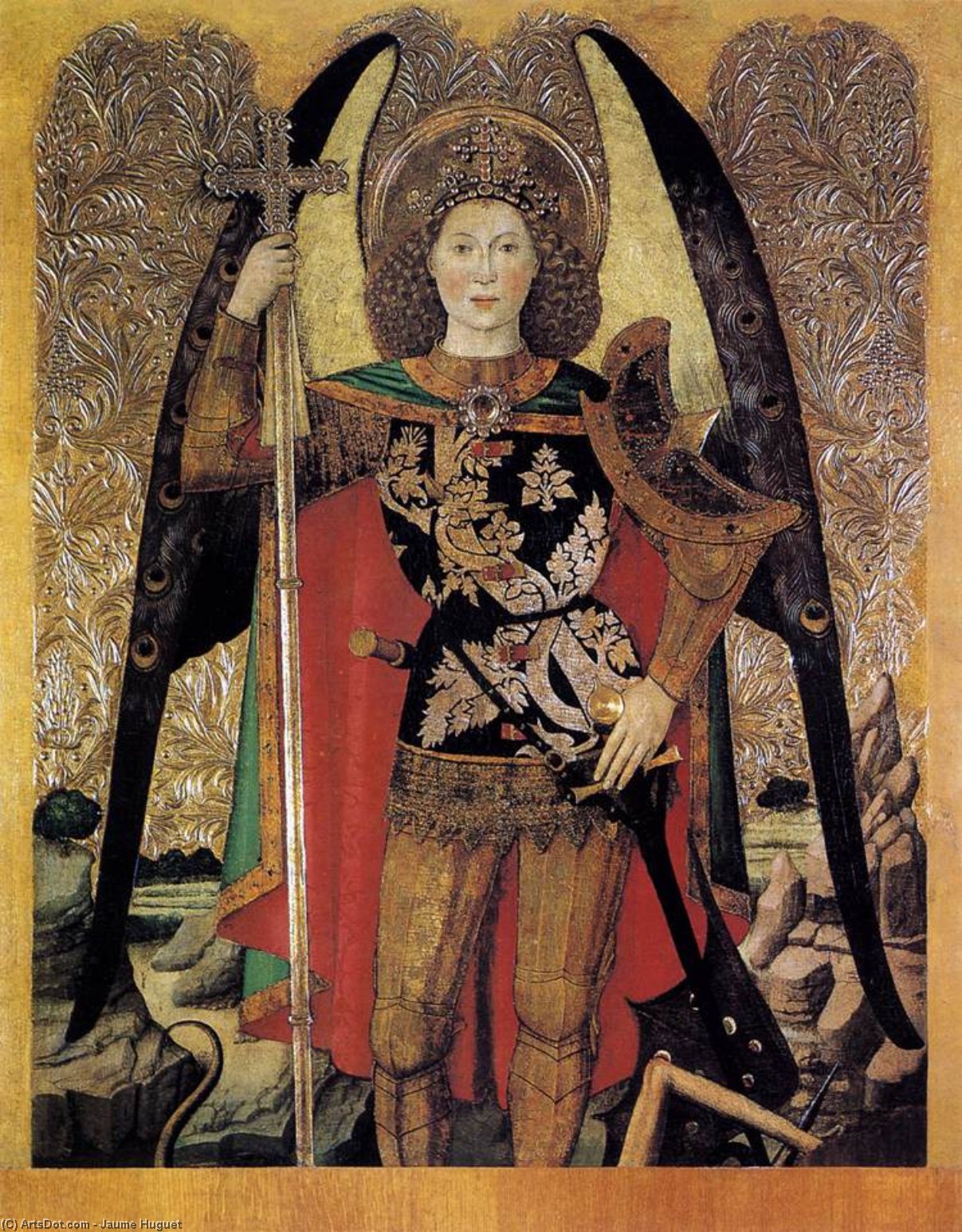
The Archangel St Michael
 Acrylic
- WallArt
- Gothic
 1456
1456 213.0 x 136.0 cm
 Museu Nacional d'Art de Catalunya
 Read More
Hand Made Oil Reproduction
Hand-painted oil on canvas in your size and frame, made to order by our artists. ( Buy Print Buy Image)




P118B $10

P118H $10

P118W $10

P438Z $10

P508JH $12

P508YH $12

P805H $10

P805Z $10

P919BZ $10

P919G $10

P919XJ $10

P959ZH $10

P968JZ $12

W106C $8

W218G $10

W218JH $8

W218Y $10

W307PJ $10

W316G $10

W316PJ $8

W316Y $10

W398PJ $8

W4111J $10

W500HY $15

W500JH $15

W692G $12

W849H $8

W940BG $15

W953PJ $8




Pick from our preset sizes that match the artwork's original proportions.

You may enter your own dimensions to fit a specific frame or space. If your selected size does not match the original image's proportions, we will either crop the artwork or extend the painting with additional hand-painted elements. A digital mockup will be sent for your approval before production begins.
Please note that the on-screen preview does not reflect the actual cropping or extension. Only the mockup will accurately show the final composition.
While custom sizes are available, we recommend selecting a dimension from the predefined list to preserve the original proportions.
After order, ArtsDot.com team will email client for instructions and provide a mockup preview
Worldwide Delivery () in 3/4 weeks instead of standard 5 weeks. (17 August). No compromise on quality.

Free Worldwide Express Shipping

High-Quality Linen Canvas

Full Shipping Insurance

Customs Tax Refund Guarantee

True Color Matching Guarantee

60-Day Return Policy (Defects Only)

100% Money-Back Guarantee

Bulk Discount Offer
 Glass option is only available in size under 110 CM

The Archangel St Michael
Reproduction Medium
Reproduction Size
-


Total Price
$ 263
Artwork Description
A Vision of Divine Protection: Exploring Jaume Huguet’s “The Archangel St Michael”
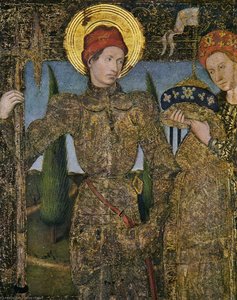
- Subject Matter and Narrative The painting depicts Saint Michael, arguably the most revered archangel in Christian iconography, engaged in a heroic posture. He stands prominently against a backdrop of stylized foliage, clutching a cross – a symbol of unwavering faith – and wielding a sword, representing divine justice and martial prowess. This depiction aligns perfectly with medieval artistic conventions where saints were portrayed as warriors safeguarding Christendom.
- Style: Late Gothic Grandeur Huguet’s masterpiece embodies the zenith of late Gothic art. Characterized by monumental scale and opulent decoration, it reflects the spiritual fervor of the period. The artist skillfully employs geometric forms and flattened perspectives to prioritize clarity of form over realistic representation—a hallmark of Gothic artistic ideals.
- Technique: Tempera on Wood Panel Executed in tempera paint on a wood panel, “The Archangel St Michael” showcases meticulous craftsmanship. Tempera pigments bind together with egg yolk and create durable, luminous colors that retain their brilliance over centuries. The slightly matte surface of the panel contributes to the artwork’s solemn atmosphere.
- Historical Context: Florence Amidst Transformation Created in 1456, “The Archangel St Michael” emerges from a pivotal moment in Florentine history—the burgeoning Renaissance. While Huguet's style retains Gothic traditions, it simultaneously anticipates the humanist ideals and artistic innovations that would soon dominate the art world. Lorenzo di Niccolò’s workshop was instrumental in bridging the gap between medieval aesthetics and emerging Renaissance sensibilities.
- Symbolism: Faith, Justice, and Divine Power Beyond its visual splendor, “The Archangel St Michael” is laden with symbolic significance. The cross symbolizes Christian faith; the sword embodies divine justice and courageously defends righteousness; and the angel wings represent God’s omnipresent protection and spiritual authority. These elements resonate deeply within the viewer's psyche, conveying a powerful message of hope and devotion.
Related Artworks
Artist Biography
Lorenzo di Niccolò: A Bridge Between Gothic and Renaissance Florence
Lorenzo di Niccolò, born around 1374 (though the exact date remains elusive), stands as a pivotal figure in the early development of Florentine painting. Active primarily from 1391 to 1412, he represents a fascinating transitional period – a bridge between the established Gothic sensibilities of the Middle Ages and the burgeoning innovations of the nascent Renaissance. His work, largely centered on religious scenes executed in tempera with lavish gold backgrounds, offers a tangible glimpse into this crucial moment of artistic evolution within Florence. While not as widely celebrated as some of his contemporaries, Lorenzo’s contributions are significant for their stylistic blend and their role in shaping the visual landscape of early 15th-century Italy.Early Training and Influences
Lorenzo's formative years were spent within the workshop of Niccolò di Pietro Gerini, a prominent Florentine painter known for his prolific output and management of large-scale projects rather than specializing in individual artistic mastery. It’s increasingly believed that Lorenzo wasn’t simply an apprentice but rather a pupil deeply influenced by Gerini's approach – a model emphasizing organizational skills and collaborative effort over the pursuit of purely individual artistic brilliance. This apprenticeship, however, was not solely defined by imitation; Lorenzo also drew inspiration from figures like Spinello Aretino, a renowned fresco painter known for his expressive style and willingness to experiment with composition and narrative. Spinello’s larger-scale works encouraged a greater freedom of imagination within the artist's vision, a departure from the more rigid conventions often associated with earlier Gothic art. Furthermore, Lorenzo’s artistic trajectory was subtly shaped by the stylistic echoes of masters like Lorenzo Monaco and Mariotto di Nardo, artists whose techniques and approaches he absorbed during his career.A Style Defined: Tempera on Gold
Lorenzo's distinctive style is immediately recognizable through his preference for tempera paint applied to gold backgrounds. This technique, prevalent throughout the Trecento period, created a luminous and opulent effect, characteristic of Florentine painting at the time. His works typically depict religious scenes – often featuring saints or biblical figures – rendered with a meticulous attention to detail and a restrained emotionalism. The use of gold wasn’t merely decorative; it served as a symbolic representation of divine light and glory, elevating the spiritual significance of the subject matter. The compositions are generally balanced and formal, reflecting the influence of Gothic traditions while incorporating elements of emerging Renaissance perspective and naturalism. Lorenzo's paintings frequently showcase a sense of depth achieved through careful layering of figures and architectural details, albeit within the limitations of tempera’s inherent qualities.Notable Works and Guild Affiliations
Among Lorenzo’s documented works is *S. Giovanni e il suo nemico davanti al crucefisso in San Miniato*, a powerful depiction of John the Baptist confronting his enemies before Christ's cross, currently housed in Florence. This painting exemplifies his ability to convey narrative complexity within a relatively compact format. Records also indicate that Lorenzo was a member of the influential Medici e Speziali guild around 1408 and later joined the Compagnia di San Luca in 1410 – organizations vital for regulating artistic practice and ensuring quality standards within Florence’s thriving art scene. These affiliations underscore his integration into the established Florentine artistic community. His son, Piero, continued the family tradition, further solidifying Lorenzo's legacy within the city’s artistic landscape.Legacy and Historical Significance
Lorenzo di Niccolò’s work represents a crucial link between the Gothic and Renaissance periods in Florentine art. He wasn’t a revolutionary innovator, but rather a skilled craftsman who skillfully blended established traditions with emerging stylistic trends. His paintings offer valuable insights into the artistic practices and social dynamics of early 15th-century Florence – a time of immense cultural and political change. While his individual fame may have been limited during his lifetime, Lorenzo’s contributions are increasingly recognized for their importance in shaping the trajectory of Florentine painting and marking a significant step towards the High Renaissance that would follow. His legacy lies not only in specific artworks but also as a representative figure embodying the complex transition between artistic styles and the evolving spirit of the era.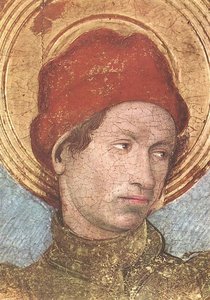
jaume huguet
1412 - 1492 , Spain
Quick Facts
- Artistic Movement Or Style:
- Trecento
- Early Renaissance
- Gothic influences
- Artists Or Movements Influenced By This Artist: ['Spinello Aretino']
- Artists Who Influenced This Artist:
- Niccolò di Pietro Gerini
- Lorenzo Monaco
- Mariotto di Nardo
- Andrea di Giusto
- Date Of Death: 1492
- Full Name: Lorenzo di Niccolò
- Nationality: Italian
- Notable Artworks: ['S. Giovanni and his enemy']
- Place Of Birth: Florence, Italy
Related Articles
The Radiant Dusk of Medieval Vision: Exploring Late Gothic Art's Synthesis of Faith, Form & Emotionality (c. 1300-1500)
Explore the exquisite beauty & spiritual depth of Late Gothic art (c. 1300-1500). Discover key artists, symbolism, and its lasting influence on the Renaissance. Expert insights at ArtsDot.
High Medieval Art: 10 Masterpieces That Shaped an Era | ArtsDot
Journey through High Medieval Art! Explore 10 iconic masterpieces – from Giotto's frescoes to stunning Gothic cathedrals. Discover the stories behind these timeless paintings, sculptures & illuminated manuscripts. Find museum-quality art reproductions at ArtsDot.com.
Late Medieval Masterpieces: 10 Artworks That Defined an Era | ArtsDot
Journey through 10 defining Late Medieval masterpieces – from Giotto's frescoes to Jan van Eyck’s realism. Explore the stories, techniques & vibrant colors of Gothic art. Find museum-quality reproductions and elevate your home decor with ArtsDot.com! Discover all masterpieces on ArtsDot.com
The Shadow of Faith: Exploring Gothic Art's Spiritual Intensity & Architectural Innovation
Explore the spiritual intensity & architectural innovation of Gothic art! Discover the symbolism behind cathedrals, stained glass & master artists like Giotto and Monet. A deep dive into medieval history & artistic expression.
Beyond Borders: The Spiritual & Stylistic Innovations of International Gothic Art
Explore the exquisite beauty & spiritual depth of International Gothic art. Discover key artists like Simone Martini & Pol de Limbourg, its origins, symbolism, and lasting influence on European painting. Expert insights at ArtsDot.