 Preview
 Send
Send Share
Share
 Details

 Download
 Similars
 X-Ray
X-Ray Diaporama
Lorenzo Bartolini
 Oil On Canvas
- WallArt
- Neoclassical Style
 1805
1805 98.0 x 80.0 cm
 Musée Ingres Bourdelle
 Read More
Hand Made Oil Reproduction
Hand-painted oil on canvas in your size and frame, made to order by our artists. ( Buy Print Buy Image)




P118B $10

P118H $10

P118W $10

P438Z $10

P508JH $12

P508YH $12

P805H $10

P805Z $10

P919BZ $10

P919G $10

P919XJ $10

P959ZH $10

P968JZ $12

W106C $8

W218G $10

W218JH $8

W218Y $10

W307PJ $10

W316G $10

W316PJ $8

W316Y $10

W398PJ $8

W4111J $10

W500HY $15

W500JH $15

W692G $12

W849H $8

W940BG $15

W953PJ $8




Pick from our preset sizes that match the artwork's original proportions.

You may enter your own dimensions to fit a specific frame or space. If your selected size does not match the original image's proportions, we will either crop the artwork or extend the painting with additional hand-painted elements. A digital mockup will be sent for your approval before production begins.
Please note that the on-screen preview does not reflect the actual cropping or extension. Only the mockup will accurately show the final composition.
While custom sizes are available, we recommend selecting a dimension from the predefined list to preserve the original proportions.
After order, ArtsDot.com team will email client for instructions and provide a mockup preview
Worldwide Delivery () in 3/4 weeks instead of standard 5 weeks. (16 August). No compromise on quality.

Free Worldwide Express Shipping

High-Quality Linen Canvas

Full Shipping Insurance

Customs Tax Refund Guarantee

True Color Matching Guarantee

60-Day Return Policy (Defects Only)

100% Money-Back Guarantee

Bulk Discount Offer
 Glass option is only available in size under 110 CM

Lorenzo Bartolini
Reproduction Medium
Reproduction Size
-


Total Price
$ 263
Artwork Description
A Portrait Steeped in Classical Dignity: Exploring Ingres’s Lorenzo Bartolini
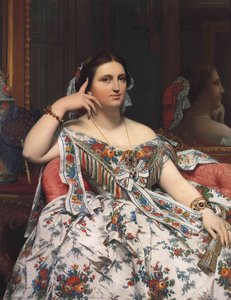
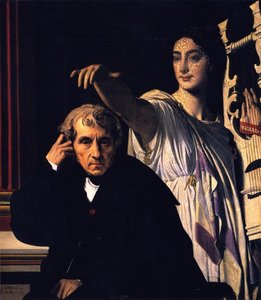
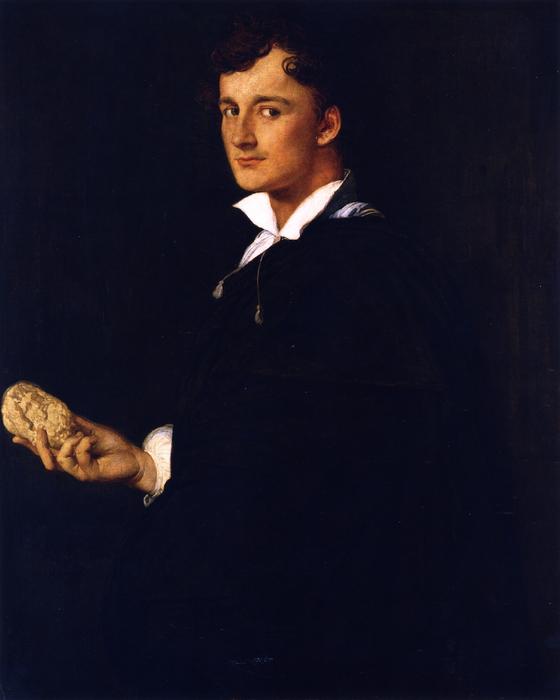
Jean-Auguste-Dominique Ingres's "Lorenzo Bartolini" stands as an enduring testament to the Neoclassical movement’s obsession with idealized form and meticulous observation. Completed in 1805, this monumental portrait transcends mere representation; it embodies a profound engagement with artistic tradition while simultaneously asserting Ingres’s distinctive vision—a vision characterized by unwavering precision and a subtle infusion of sensual beauty. Currently residing at the Musée Ingres in Montauban, France, the painting continues to captivate viewers with its serene composure and masterful execution.The Essence of Neoclassicism: Form and Order Elevated
Ingres’s stylistic approach firmly anchors "Lorenzo Bartolini" within the broader context of Neoclassical art. Rejecting the exuberant Baroque excesses that preceded it, Neoclassicism championed rationality and clarity, drawing inspiration from ancient Greek and Roman sculpture—specifically the idealized figures sculpted by Polykleitos and Phidias. Ingres meticulously adhered to these principles, prioritizing geometric precision and balanced composition. The three-quarter pose of Bartolini is deliberately restrained, emphasizing his torso and facial features while minimizing extraneous detail. This deliberate simplification serves not only aesthetic purpose but also underscores the movement’s belief in conveying virtue and dignity through idealized representation.Technical Brilliance: Ingres's Mastery of Light and Texture
The painting’s remarkable beauty stems from Ingres’s unparalleled technical skill. He employed a masterful technique known as chiaroscuro—the dramatic interplay between light and shadow—to sculpt Bartolini’s form with breathtaking realism. Intense highlights illuminate his face and hands, creating an illusion of volume and luminosity that draws the eye inward. Simultaneously, deep shadows delineate musculature and drapery, adding depth and texture to the canvas. Ingres achieved this effect through painstaking layering of glazes—thin washes of translucent pigment applied over subsequent layers—allowing for subtle tonal variations and a luminous surface finish. The artist’s meticulous attention to detail extends beyond mere shading; he painstakingly rendered every crease in Bartolini's shirt and the contours of his rock, demonstrating an unwavering commitment to capturing the essence of materiality.Symbolism Beyond Appearance: Dignity and Reflection
Beyond its formal beauty, "Lorenzo Bartolini" carries symbolic weight. Bartolini’s solemn gaze conveys a sense of intellectual contemplation—a reflection of Ingres's own philosophical inclinations. The rock he holds serves as a potent emblem of strength and stability, mirroring the enduring values championed by Neoclassical artists. More subtly, the painting invites viewers to consider themes of honor and virtue—qualities considered paramount in classical ideals. Ingres’s deliberate choice of subject matter—a portrait of a prominent figure—further reinforces this connection to tradition and elevates Bartolini's image beyond mere likeness.A Legacy Enduring Through Time: Inspiration for Artists and Collectors
“Lorenzo Bartolini” remains an inspirational masterpiece, demonstrating the transformative power of artistic discipline and unwavering devotion to classical principles. Its enduring appeal lies not only in its visual splendor but also in its profound intellectual depth—a testament to Ingres’s genius as both artist and thinker. For those seeking a connection with art history or inspiration for interior design projects, owning a high-quality reproduction offers a tangible link to this iconic work of Neoclassical art. Explore the Musée Ingres's collection online at ArtsDot.com to immerse yourself in the artistic legacy of Jean Auguste Dominique Ingres and experience the timeless beauty of “Lorenzo Bartolini.”Related Artworks
Artist Biography
A Legacy of Line and Form: The World of Jean-Auguste-Dominique Ingres
Jean-Auguste-Dominique Ingres, a name synonymous with Neoclassical precision and an almost sculptural approach to painting, occupies a unique position in the history of art. Born in Montauban, France, in 1780, his artistic journey was one of unwavering dedication to classical ideals, tempered by a burgeoning sensuality and a willingness to challenge convention. Ingres wasn’t merely replicating the past; he was engaging in a profound dialogue with it, forging a style that would both define an era and anticipate the revolutions to come.
His early life provided a solid foundation for his future artistic pursuits. His father, Jean-Marie-Joseph Ingres, was himself a painter and sculptor, instilling in young Dominique a love for form and technique from a tender age. This initial training was followed by studies at the Académie Royale de Peinture, Sculpture et Architecture in Toulouse, where he honed his skills under Guillaume-Joseph Roques. However, it was his move to Paris in 1797 and subsequent apprenticeship with Jacques-Louis David that truly set him on his path. David, the leading figure of Neoclassicism, imparted a rigorous discipline and an emphasis on line, form, and historical subject matter – principles that would remain central to Ingres’s work throughout his career.
The Pursuit of Ideal Beauty
Ingres' artistic philosophy was deeply rooted in admiration for the Italian Renaissance masters—Raphael, in particular, served as a constant source of inspiration. He believed in the power of line to define form and convey emotion, striving for an idealized beauty that transcended mere representation. This pursuit is evident in his early works, such as The Ambassadors of Agamemnon in the Tent of Achilles (1801), which earned him the prestigious Prix de Rome. The painting showcases his meticulous attention to detail, precise draftsmanship, and a clear narrative focus—hallmarks of Neoclassical style.
However, Ingres wasn’t simply a copyist. He gradually developed a distinctive voice, infusing classical principles with a unique blend of sensuality and psychological insight. His portraits, in particular, demonstrate this evolution. While maintaining the formal elegance characteristic of Neoclassicism, he began to subtly distort forms and spaces, creating an unsettling yet captivating effect that foreshadowed the expressive distortions of later movements like Cubism. Portrait of Monsieur Bertin (1833-1834), with its elongated hands and intense gaze, is a prime example of this innovative approach.
Beyond History: Orientalism and Late Masterpieces
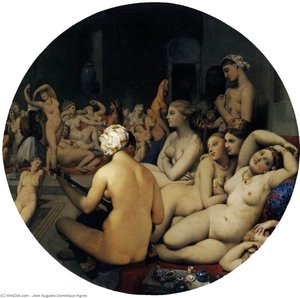
While celebrated for his historical and mythological paintings—like The Vow of Louis XIII (1827)—Ingres also explored other genres, most notably Orientalism. His depictions of exotic scenes and female nudes, such as The Turkish Bath (1862), completed when he was an astonishing 83 years old, reveal a fascination with the sensual and the mysterious. These works, though sometimes criticized for their idealized representations, demonstrate his continued willingness to experiment and push boundaries.
Ingres’s later career saw him navigate a changing artistic landscape. The rise of Romanticism challenged the dominance of Neoclassicism, but Ingres remained steadfast in his commitment to classical ideals while simultaneously incorporating elements of Romantic sensibility into his work. He became a highly influential teacher, shaping the next generation of artists and solidifying his position as a bridge between tradition and modernity.
A Lasting Influence
Jean-Auguste-Dominique Ingres died in Paris in 1867, leaving behind a legacy that continues to resonate today. His emphasis on line, form, and idealized beauty profoundly influenced artists across generations. Remarkably, his work captivated even those who championed radically different styles—artists like Henri Matisse and Pablo Picasso admired his innovative approach to composition and his ability to imbue classical forms with a sense of vitality and emotion.
Ingres’s paintings are now housed in major museums around the world, serving as testaments to his enduring artistic vision. He remains a pivotal figure in art history—a master who not only preserved the traditions of the past but also paved the way for the future. His work invites us to contemplate the nature of beauty, the power of line, and the timeless allure of classical ideals.
Notable Works
- The Ambassadors of Agamemnon in the Tent of Achilles (1801)
- The Vow of Louis XIII (1827)
- Portrait of Monsieur Bertin (1833-1834)
- The Turkish Bath (1862)
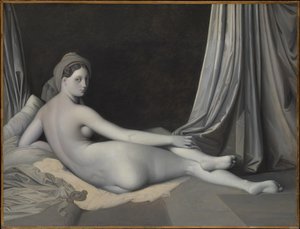
- Grande Odalisque (1814)
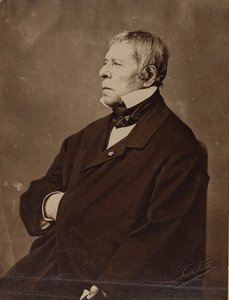
Jean-Auguste-Dominique Ingres
1780 - 1867 , France
Quick Facts
- Artistic Movement Or Style: Neoclassicism
- Artists Or Movements Influenced By This Artist:
- Henri Matisse
- Pablo Picasso
- Artists Who Influenced This Artist:
- Raphael
- Nicolas Poussin
- Jacques-Louis David
- Date Of Birth: August 29, 1780
- Date Of Death: January 14, 1867
- Full Name: Jean-Auguste-Dominique Ingres
- Nationality: French
- Notable Artworks:
- The Ambassadors of Agamemnon
- The Vow of Louis XIII
- Portrait of Monsieur Bertin
- The Turkish Bath
- Place Of Birth: Montauban, France
Related Articles
Renoir's Masterpieces: Explore 25 Iconic Paintings & Bring Art Home | ArtsDot
Explore 25 iconic Pierre-Auguste Renoir paintings! Discover the stories behind Impressionist masterpieces like 'Dance at Le Moulin de la Galette' & 'Luncheon of the Boating Party'. Find museum-quality art reproductions and elevate your home decor with ArtsDot.com.
Neoclassical Art: 10 Masterpieces That Shaped History |
Explore 10 defining Neoclassical masterpieces by David, Ingres & Canova. Discover the history, symbolism & artistry behind these iconic paintings and sculptures. Find museum-quality art reproductions at – elevate your home with timeless beauty.

Neo-Classicism's Greatest Hits: 10 Masterpieces for Your Home |
Journey through Neo-Classicism's finest! Explore 10 iconic masterpieces by David, Ingres & Canova. Discover art history, techniques & timeless beauty – perfect for inspiring your home decor. Find museum-quality reproductions at

Jean Dominique Antony Metzinger: Pioneering Cubism & the Evolution of Abstract Form
Explore the life & work of Jean Metzinger, a pivotal Cubist painter and theorist. Discover his innovations in proto-Cubism, 'Du Cubisme,' and Crystal Cubism – a journey through modern art's evolution.

Jean-Baptiste Carpeaux: Sculpting Passion & Controversy in 19th-Century France
Explore the passionate life & controversial works of Jean-Baptiste Carpeaux, a leading French sculptor of the Second Empire. Discover his realism, iconic sculptures like 'Ugolino,' and lasting legacy as a precursor to Rodin.