 Send
Send Share
Share
 Details

 Download
 Similars
 Diaporama
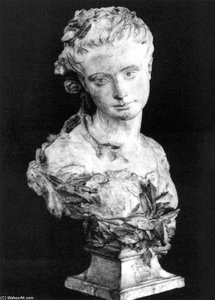
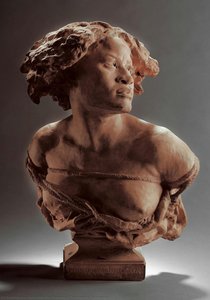
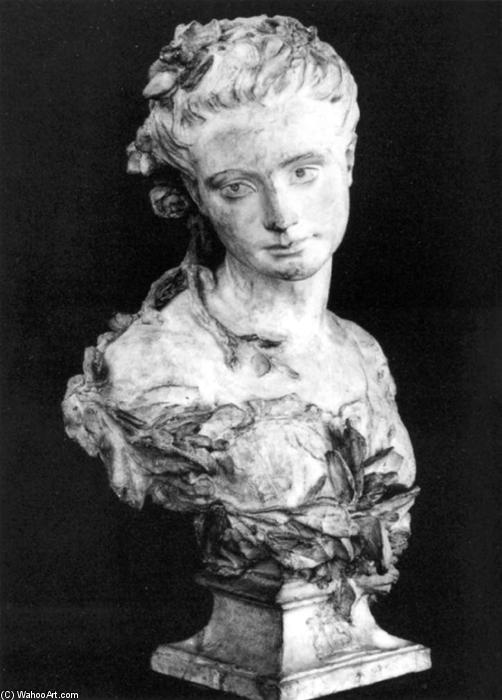
Amélie de Montfort Dressed as a Bride


 Read More
Giclée / Art Print
Museum-quality giclée or canvas print with fast production and flexible finish options. ( Buy Hand Made Painting Buy Image)




































Pick from our preset sizes that match the artwork's original proportions.

You may enter your own dimensions to fit a specific frame or space. If your selected size does not match the original image's proportions, we will either crop the artwork or extend the image with a mirrored or solid-fill edge. A digital mockup will be sent for your approval before production begins.
Please note that the on-screen preview does not reflect the actual cropping or extension. Only the mockup will accurately show the final composition.
While custom sizes are available, we recommend selecting a dimension from the predefined list to preserve the original proportions.
Worldwide Delivery () in 2 weeks instead of standard 4/5 weeks. (26 August)

Free Worldwide Express Shipping

High-Quality Linen Canvas

Full Shipping Insurance

Customs Tax Refund Guarantee

True Color Matching Guarantee

60-Day Return Policy (Defects Only)

100% Money-Back Guarantee

Bulk Discount Offer
 Glass option is only available in size under 110 CM

Amélie de Montfort Dressed as a Bride
Giclée / Art Print
Reproduction Size
-


Total Price
$ 63
Collectible Description
The Poetic Echoes of Bridal Grace
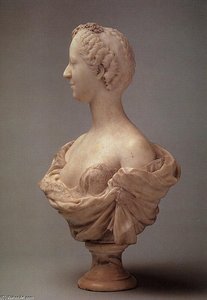
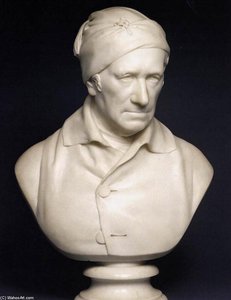
To gaze upon Amélie de Montfort Dressed as a Bride is to encounter a moment suspended in the amber glow of nineteenth-century romance. Jean-Baptiste Carpeaux, master sculptor whose work pulsed with palpable emotion, captured here not merely a likeness, but an entire state of being—the exquisite anticipation surrounding vows and beginnings. The marble itself seems to breathe, channeling the dynamism that defined Carpeaux’s career. From the flowing cascade of hair, adorned delicately with floral elements, to the gentle curve of the neck, every aspect speaks of studied elegance. It is a portrait steeped in the visual poetry of transition, where the weight of tradition meets the lightness of burgeoning love.
Mastery in Marble: Technique and Form
Carpeaux’s technical brilliance shines through in the handling of this seemingly simple bust. The sculptor achieved a remarkable textural contrast; one can almost feel the cool, polished smoothness of the marble juxtaposed against the imagined softness of the bridal drapery and the tresses. Notice how the directional lighting, even in its photographic reproduction, emphasizes the deep undercuts and subtle gradations of shadow that give the piece such profound three-dimensionality. The composition is a study in organic flow—the sinuous lines of the hair contrasting beautifully with the more structured geometry of the pedestal upon which it rests. This interplay between the natural curve and the architectural base grounds the ethereal subject matter, giving the work both weight and lift.
A Tapestry of Symbolism and Sentiment
The choice of bridal attire elevates this piece beyond mere portraiture; it imbues it with potent symbolism. The bride represents purity, commitment, and the threshold between one life chapter and the next. Carpeaux masterfully channels these universal themes—love, devotion, and the solemn beauty of union—into a tangible form. For the collector or designer, this piece offers more than aesthetic appeal; it serves as an enduring muse for sentiments of profound connection. It whispers tales of grand romantic gestures and the timeless promise exchanged at the altar.
Historical Resonance and Enduring Appeal
Created in 1869, this work stands firmly within the spirit of Realism that characterized much of the Second Empire period. While Carpeaux’s style is often noted for its dramatic flair—a passion that sometimes bordered on controversy—here it settles into a more contained, almost dreamlike grace. Owning a reproduction allows one to bring home a piece connected to such a pivotal moment in art history. It speaks to an era obsessed with visible emotion and heightened romanticism, making it a breathtaking focal point for any richly decorated salon or gallery space.
Related Artworks
Artist Biography
A Life Sculpted in Passion: The World of Jean-Baptiste Carpeaux
Jean-Baptiste Carpeaux, a name synonymous with dynamism and emotional depth in 19th-century French sculpture, emerged from humble beginnings to become one of the most celebrated artists of his time. Born in Valenciennes in 1827, the son of a mason, Carpeaux’s early life was steeped in the physicality of craftsmanship – an influence that would profoundly shape his artistic sensibility. This grounding in tangible creation fostered a deep understanding of materials and form, setting the stage for a career defined by its tactile realism and expressive power. His initial training under François Rude, famed for his dramatic reliefs on the Arc de Triomphe, provided a solid foundation in classical technique, but it was at the École des Beaux-Arts that Carpeaux truly began to hone his unique vision. The academic rigor of the school, combined with his innate talent, propelled him towards winning the prestigious Prix de Rome in 1854 – a pivotal moment that would send him on a transformative journey to Italy.Roman Reveries and the Birth of a New Style
The years Carpeaux spent in Rome were crucial in his artistic development. Immersed in the masterpieces of Michelangelo, Donatello, and Verrocchio, he absorbed their mastery of anatomy, composition, and emotional intensity. However, rather than simply imitating these Renaissance giants, Carpeaux began to forge his own path, rejecting the rigid formality that characterized much of Neoclassical sculpture. He sought a more fluid, spontaneous approach, one that captured the energy and vitality of life itself. This shift was evident in works like *Pêcheur napolitain à la coquille* (Neapolitan Fisherboy), created during this period. The sculpture, depicting a young boy with a shell, is remarkable for its naturalism and sense of movement – qualities that would become hallmarks of Carpeaux’s style. It wasn't merely a representation of a figure; it was an embodiment of youthful exuberance and carefree joy. This work garnered significant attention upon its exhibition in Paris, establishing Carpeaux as a rising star and securing commissions from Empress Eugénie herself.Triumph and Turmoil: The Second Empire Years
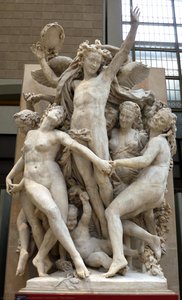
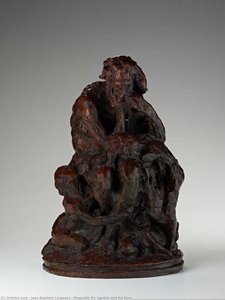
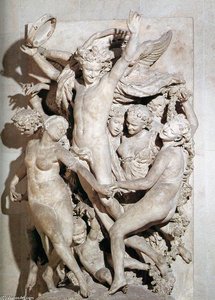
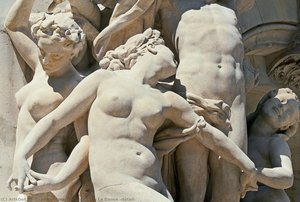
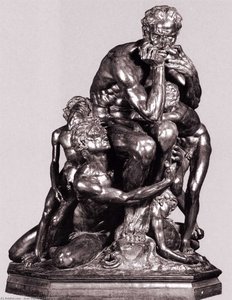
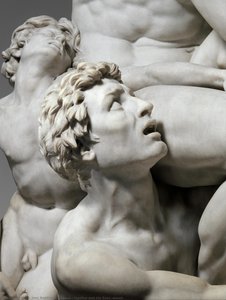
Carpeaux’s talent flourished during the Second Empire under Napoleon III, an era characterized by artistic innovation and grand public projects. He became a favorite of the imperial court, receiving numerous commissions for portraits and monumental sculptures. His work on the façade of the Opéra Garnier in Paris, *La Danse*, remains one of his most iconic achievements. This high-relief sculpture is a breathtaking display of dynamic movement and graceful forms, depicting figures caught in a swirling vortex of energy. However, this masterpiece was not without controversy; its overt sensuality sparked outrage among some conservative critics who deemed it indecent. Despite the criticism, *La Danse* cemented Carpeaux’s reputation as a bold and innovative artist, unafraid to push boundaries and challenge conventions. Other significant works from this period include *Ugolino and His Sons*, a harrowing depiction of Dante's tragic tale of starvation and despair, showcasing his ability to convey profound emotional depth through sculpted form.A Legacy Forged in Movement and Emotion
Despite facing financial difficulties and health challenges in later life, Carpeaux continued to create until his untimely death in 1875. His influence on subsequent generations of sculptors is undeniable. He broke away from the constraints of academic tradition, embracing a more naturalistic and expressive style that paved the way for artists like Auguste Rodin. Rodin, often considered the father of modern sculpture, acknowledged Carpeaux as a key precursor, recognizing his pioneering efforts in capturing movement and emotion in three dimensions. Carpeaux’s emphasis on realism, combined with his ability to infuse his works with psychological depth, resonated deeply with artists seeking to move beyond mere imitation and explore the complexities of the human experience. His students – including Jules Dalou, Jean-Louis Forain, and Olin Levi Warner – carried forward his legacy, further expanding the boundaries of sculptural expression. Today, Carpeaux’s sculptures are displayed in prominent museums around the world, serving as a testament to his enduring artistic vision and his profound impact on the history of sculpture. His work continues to captivate audiences with its raw emotion, dynamic energy, and timeless beauty.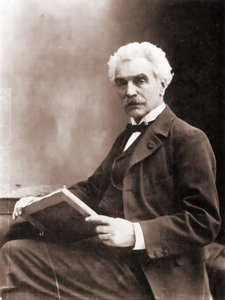
Jean-Baptiste Carpeaux
1827 - 1875 , France
Quick Facts
- Artistic Movement Or Style: Naturalism, Realism
- Artists Or Movements Influenced By This Artist: ['Auguste Rodin']
- Artists Who Influenced This Artist:
- Michelangelo
- Donatello
- Verrocchio
- François Rude
- Date Of Birth: 1827
- Date Of Death: 1875
- Full Name: Jean-Baptiste Carpeaux
- Nationality: French
- Notable Artworks:
- Ugolino and his Sons
- Neapolitan Fisherboy
- La Danse
- The negress
- Place Of Birth: Valenciennes, France
Related Articles

Bronze Sculptures That Defined Art History | ArtsDot
Journey through art history with our Top 10 bronze sculptures! Explore masterpieces by Rodin, Michelangelo & more. Discover stories behind iconic statues and find museum-quality reproductions for your home decor at ArtsDot.com.
The Enduring Allure of Marble in Art History: From Classical Sculpture to Modern Abstraction
Explore the captivating history of marble sculpture from ancient Greece to modern art. Discover renowned artists like Canova & Michelangelo, carving techniques, and investment insights at ArtsDot.

Jean-Baptiste Carpeaux: Sculpting Passion & Controversy in 19th-Century France
Explore the passionate life & controversial works of Jean-Baptiste Carpeaux, a leading French sculptor of the Second Empire. Discover his realism, iconic sculptures like 'Ugolino,' and lasting legacy as a precursor to Rodin.

The Enduring Form: Exploring Themes & Techniques in Sculpture Across Historical Periods
Explore the rich history of sculpture from ancient masterpieces to contemporary innovations. Discover key techniques, influential artists & investment potential for discerning art collectors.

Antonio Canova: Neoclassical Sculpture & the Pursuit of Emotional Perfection
Explore the life & art of Antonio Canova, the greatest Neoclassical sculptor. Discover his masterpieces, innovative techniques, and lasting influence on fine art collecting. Expert insights for discerning investors.