 Preview
 Send
Send Share
Share
 Details

 Download
 Similars
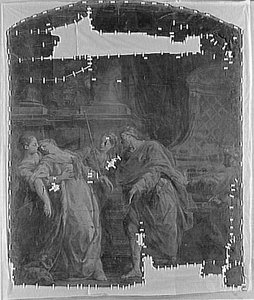
 X-Ray
X-Ray Diaporama
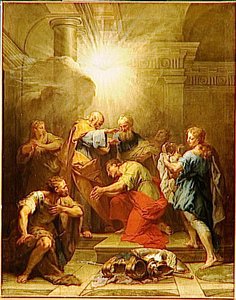
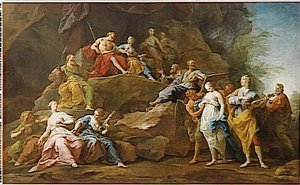
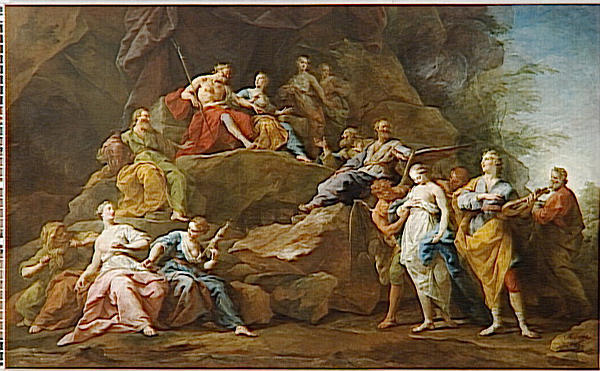
ORPHEE DESCENDU AUX ENFERS POUR DEMANDER EURYDICE OU LA MUSIQUE


 Read More
Giclée / Art Print
Museum-quality giclée or canvas print with fast production and flexible finish options. ( Buy Hand Made Painting Buy Image)




P118B $10

P118H $10

P118W $10

P438Z $10

P508JH $12

P508YH $12

P805H $10

P805Z $10

P919BZ $10

P919G $10

P919XJ $10

P959ZH $10

P968JZ $12

W106C $8

W218G $10

W218JH $8

W218Y $10

W307PJ $10

W316G $10

W316PJ $8

W316Y $10

W398PJ $8

W4111J $10

W500HY $15

W500JH $15

W692G $12

W849H $8

W940BG $15

W953PJ $8




Pick from our preset sizes that match the artwork's original proportions.

You may enter your own dimensions to fit a specific frame or space. If your selected size does not match the original image's proportions, we will either crop the artwork or extend the image with a mirrored or solid-fill edge. A digital mockup will be sent for your approval before production begins.
Please note that the on-screen preview does not reflect the actual cropping or extension. Only the mockup will accurately show the final composition.
While custom sizes are available, we recommend selecting a dimension from the predefined list to preserve the original proportions.
Worldwide Delivery () in 2 weeks instead of standard 4/5 weeks. (24 August)

Free Worldwide Express Shipping

High-Quality Linen Canvas

Full Shipping Insurance

Customs Tax Refund Guarantee

True Color Matching Guarantee

60-Day Return Policy (Defects Only)

100% Money-Back Guarantee

Bulk Discount Offer
 Glass option is only available in size under 110 CM

ORPHEE DESCENDU AUX ENFERS POUR DEMANDER EURYDICE OU LA MUSIQUE
Giclée / Art Print
Reproduction Size
-


Total Price
$ 63
Collectible Description
Jean-Bernard Restout’s “Orphée Descendu Aux Enfers Pour Demander Eurydice Ou La Musique” – A Symphony of Myth and Technique
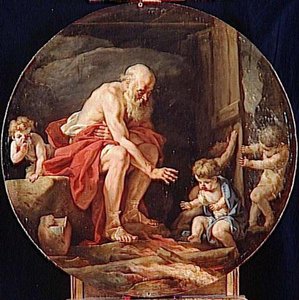
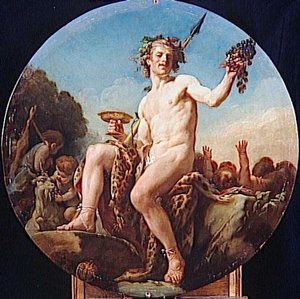
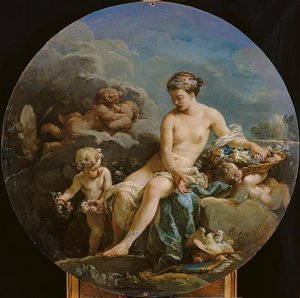
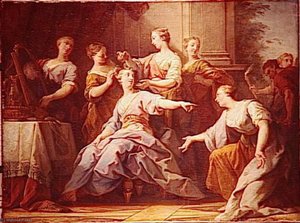
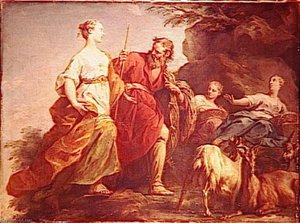
“Orphée Descendu Aux Enfers Pour Demander Eurydice Ou La Musique,” painted in 1763 by Jean-Bernard Restout, stands as a cornerstone of Rococo artistry—a testament to the École de Rouen’s tradition and imbued with the spirit of revolutionary fervor. This monumental tapestry design, destined for the Gobelins Manufactory, captures a pivotal moment from Greek mythology: Orpheus's perilous descent into Hades in pursuit of his beloved Eurydice after her tragic death. More than just an illustration, it’s a carefully orchestrated visual narrative that speaks to themes of loss, perseverance, and the transformative power of art itself.Composition and Perspective – A Landscape Steeped in Depth
Restout’s masterful composition immediately draws the viewer's eye into the subterranean realm. The scene unfolds across a tiered landscape dominated by jagged rocks and verdant foliage—a deliberate choice that establishes a palpable sense of depth and reinforces the dramatic tension inherent in Orpheus’s quest. Figures are arranged with meticulous precision, guiding the gaze upwards towards Pluton and Proserpine seated at the entrance to Hades, while simultaneously anchoring it to the earthly realm below. The overlapping forms and diminishing size of objects create an illusionistic space that transports the viewer into the heart of the mythic drama.Color Palette and Texture – Hints of Brilliance Amidst Earthy Undertones
The color palette is predominantly earthy—browns, greens, ochres—reflecting the bleakness of the underworld yet punctuated by splashes of crimson, azure, and rose adorning the figures’ garments. This restrained vibrancy avoids overwhelming the viewer while subtly conveying emotion; it's a masterful demonstration of Rococo aesthetics where muted hues harmonize to create an atmosphere of melancholic beauty. Restout skillfully employs brushstrokes to render textures—smooth surfaces for drapery and skin, rough stone formations—adding tactile richness to the visual experience and enhancing the overall impression of grandeur.Symbolism and Narrative – Music as a Conduit to Redemption
At the forefront stands Orpheus, clutching his lyre—a potent symbol representing music and poetry—as he pleads with Hades for Eurydice’s return. The accompanying figures embody various roles within the mythic narrative: ministers of the underworld, judges presiding over the afterlife, and nymphs symbolizing the ethereal realm of Elysium. Restout's depiction isn’t merely a recounting of events; it’s an exploration of profound emotional themes—the agony of grief, the unwavering hope for reunion, and the belief that artistic expression can transcend mortality.Technique and Materials – Oil Paint on Canvas: A Legacy of Classical Precision
Restout’s technique exemplifies the meticulous craftsmanship characteristic of 18th-century oil painting. Layers upon layers of pigment are applied to a primed canvas—a process demanding considerable skill and patience—to achieve remarkable depth and luminosity. The careful blending of colors creates subtle gradations that contribute to the atmospheric effect, while textural nuances convey the materiality of each element within the composition. This dedication to classical artistic principles underscores Restout’s commitment to honoring tradition while simultaneously injecting it with a vibrant spirit of innovation.- Provenance: Gobelins Manufactory
- Style: Rococo
- Artist: Jean II Restout (1692 – 1768)
- Medium: Oil on Canvas
Related Artworks
Artist Biography
early life and training
jean-bernard restout, a french painter, was born in paris in 1732 and died in the same city in 1797. he was the son of jean ii restout and, like his father, a member of the académie de rouen.artistic achievements
* jean-bernard restout won the prestigious prix de rome in 1758. * he was aggregated to the académie royale upon his return from italy in 1765 and received into it in 1769.notable exhibitions and collections
* jean-bernard restout frequently exhibited at the salon de paris from 1767 to 1791. * his work is part of the collection at the musée des beaux-arts de rouen, which can be explored through [ArtsDot.com's platform](https://ArtsDot.com/@@/a@d3aq25).revolutionary involvement and later life
* during the french revolution, jean-bernard restout was president of the commune des arts. * he campaigned for the suppression of the académie with its founder david. * as guardian of the garde-meuble royal under roland, he faced imprisonment during the reign of terror but was released after the 9 thermidor coup d'etat in 1794.legacy and artistic significance
* jean-bernard restout's artistic legacy is marked by his adherence to traditional french painting techniques while reflecting the early stirrings of revolutionary fervor. * his work, though less celebrated than some of his contemporaries, offers a unique window into the artistic and political landscape of 18th-century france.key works and collections
- jean-bernard restout's paintings are characterized by their elegance and restraint, reflecting his training in the académie de rouen tradition.
- explore more of jean-bernard restout's work and other french artists on [ArtsDot.com](https://ArtsDot.com/@/jean-bernard-restout).
- discover the masterpieces of musée des beaux-arts de rouen, featuring works by jean-bernard restout and other french artists, at [ArtsDot.com's musée des beaux-arts de rouen collection](https://ArtsDot.com/@@/a@d3aq25).
conclusion
jean-bernard restout, a figure of french art history, left an indelible mark on the world of painting with his unique blend of traditional techniques and revolutionary fervor. his legacy, though less widely recognized, offers a compelling glimpse into the artistic and political currents of 18th-century france.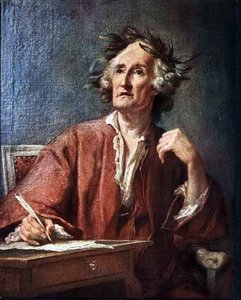
jean-bernard restout
1732 - 1797 , France
Related Articles

Giclée Prints: Archival Quality & Aesthetic Nuances for the Discerning Collector
Explore the world of giclée prints with ArtsDot. Learn about archival quality, aesthetic nuances & investment potential. Expert guidance for discerning art collectors seeking museum-quality reproductions and lasting value.

Rococo's Radiant Legacy: 10 Masterpieces for Your Home |
Indulge in the elegance of Rococo! Explore 10 masterpieces by Fragonard, Boucher & Watteau. Discover the stories behind these iconic paintings and bring timeless art to your home with museum-quality reproductions from .

F.A.Q.: Giclée Canvas Prints – Authenticity, Longevity & Value for Elite Collectors
Discover the exceptional quality of ’s giclée canvas prints. Learn about our commitment to authenticity, archival inks & stunning detail – trusted by elite collectors for lasting beauty and investment value.

The Rococo Aesthetic: Opulence, Rebellion & the Pursuit of Pleasure in 18th-Century Art
Explore the opulent world of Rococo art! Discover its origins, key artists like Watteau & Boucher, and lasting influence on design. Expert insights for collectors & enthusiasts.

F.A.Q.: Giclée Canvas Prints – Authenticity, Longevity & Detail for the Elite Collector
Discover the exceptional quality of ’s giclée canvas prints. Learn about our commitment to authenticity, archival inks & stunning detail – trusted by elite collectors for lasting beauty and investment value.