 Preview
 Send
Send Share
Share
 Details

 Download
 Similars
 X-Ray
X-Ray Diaporama
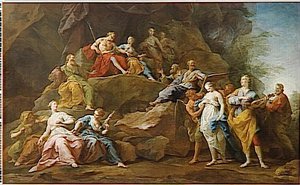
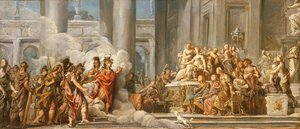
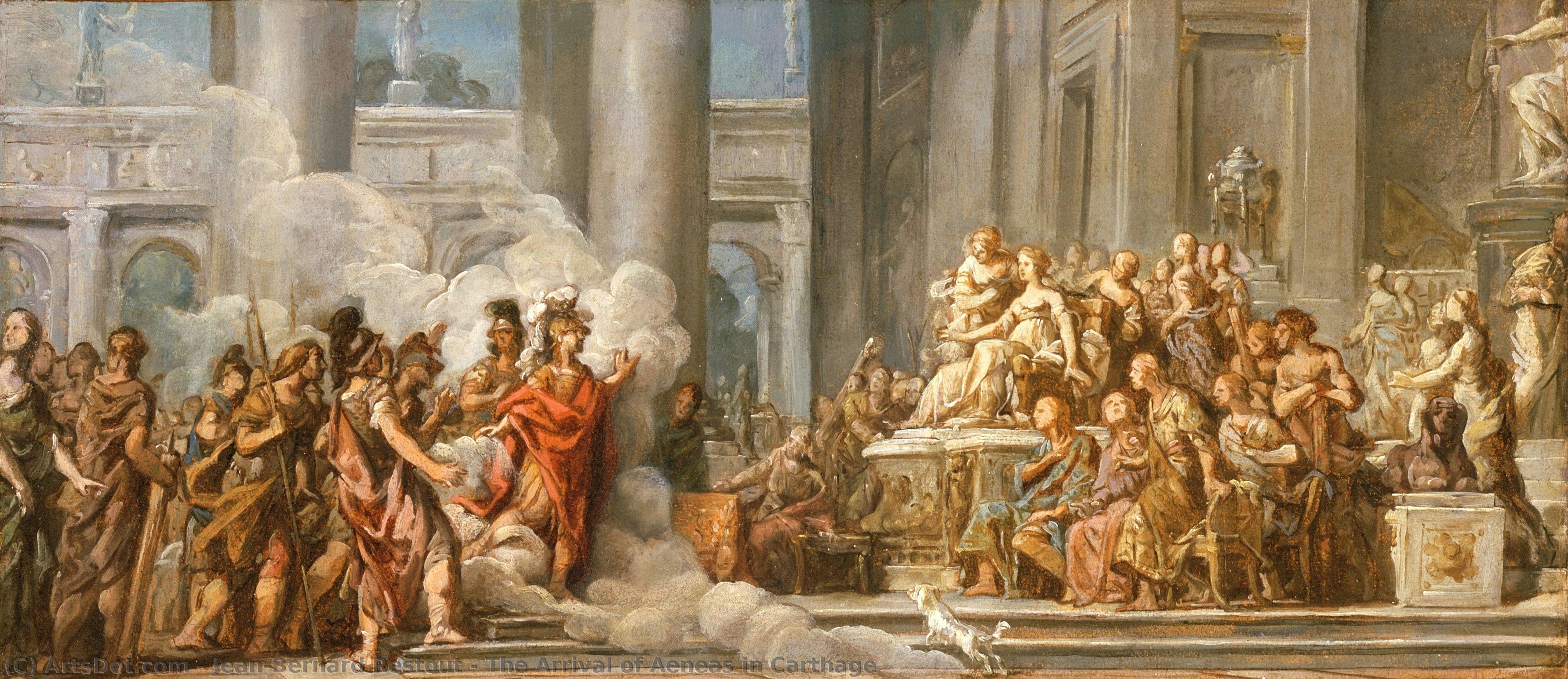
The Arrival of Aeneas in Carthage
 Oil On Canvas
- WallArt
- Neoclassicism
 1774
1774- Early Modern
 31.0 x 70.0 cm
 Los Angeles County Museum of Art
 Read More
Hand Made Oil Reproduction
Hand-painted oil on canvas in your size and frame, made to order by our artists. ( Buy Print Buy Image)




P118B $10

P118H $10

P118W $10

P438Z $10

P508JH $12

P508YH $12

P805H $10

P805Z $10

P919BZ $10

P919G $10

P919XJ $10

P959ZH $10

P968JZ $12

W106C $8

W218G $10

W218JH $8

W218Y $10

W307PJ $10

W316G $10

W316PJ $8

W316Y $10

W398PJ $8

W4111J $10

W500HY $15

W500JH $15

W692G $12

W849H $8

W940BG $15

W953PJ $8




Pick from our preset sizes that match the artwork's original proportions.

You may enter your own dimensions to fit a specific frame or space. If your selected size does not match the original image's proportions, we will either crop the artwork or extend the painting with additional hand-painted elements. A digital mockup will be sent for your approval before production begins.
Please note that the on-screen preview does not reflect the actual cropping or extension. Only the mockup will accurately show the final composition.
While custom sizes are available, we recommend selecting a dimension from the predefined list to preserve the original proportions.
After order, ArtsDot.com team will email client for instructions and provide a mockup preview
Worldwide Delivery () in 3/4 weeks instead of standard 5 weeks. (16 August). No compromise on quality.

Free Worldwide Express Shipping

High-Quality Linen Canvas

Full Shipping Insurance

Customs Tax Refund Guarantee

True Color Matching Guarantee

60-Day Return Policy (Defects Only)

100% Money-Back Guarantee

Bulk Discount Offer
 Glass option is only available in size under 110 CM

The Arrival of Aeneas in Carthage
Reproduction Medium
Reproduction Size
-


Total Price
$ 263
Artwork Description
A Grand Encounter on the Shores of Carthage
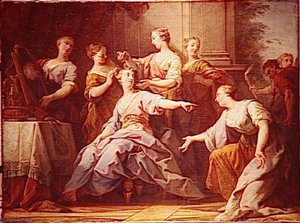
In the sweeping expanse of Jean-Bernard Restout’s 1774 masterpiece, The Arrival of Aeneas in Carthage, we are transported to a pivotal moment of classical antiquity. The canvas breathes with the tension and grandeur of an epic poem brought to life through oil and pigment. As the Trojan hero Aeneas makes his landfall, the painting captures not just a physical arrival, but a profound meeting of destinies. Restout masterfully orchestrates a crowded, vibrant scene where the eyes of onlookers—at least fourteen distinct figures—are drawn toward the central drama. The composition is anchored by the commanding presence of Aeneas, standing upon a platform with arms outstretched in a gesture that oscillates between a warm welcome and a solemn proclamation. This theatrical pose serves as the emotional heartbeat of the work, inviting the viewer to participate in the collective awe of the Carthaginian people.
The artist’s technique reflects the refined elegance of the late 1-8th century French tradition, blending the structured discipline of the Académie Royale with a burgeoning sense of narrative movement. Restout utilizes a sophisticated play of light and shadow to create depth, guiding the eye from the detailed figures in the foreground toward the architectural majesty of the background. The inclusion of towering columns provides a sense of permanence and classical stability, framing the transient human emotions with the weight of history. Every brushstroke contributes to a sense of atmospheric realism, where the textures of fabric, the cold stone of the architecture, and the very air of the Mediterranean coast feel tangibly present.
Historical Resonance and Aesthetic Splendor
Beyond its immediate visual impact, this painting serves as a window into the Neoclassical spirit that flourished during Restout’s era. As a painter who navigated the transition from the elegance of the Ancien Régime to the turbulent fervor of the French Revolution, Restout imbues this historical subject with a timeless gravity. The arrival of Aeneas is a moment steeped in symbolism—representing the themes of migration, fate, and the foundation of empires. For the discerning collector or interior designer, this piece offers more than mere decoration; it provides a sophisticated focal point that commands attention through its intellectual depth and classical prestige.
Integrating a high-quality reproduction of such a significant work into a curated space can transform an environment. Whether placed in a formal study, a grand hallway, or a contemporary living area, the painting’s rich palette and dramatic composition evoke a sense of cultured heritage. It is a piece designed to inspire conversation, acting as a bridge between the ancient myths that shaped Western civilization and the modern appreciation for fine art. To possess such a work is to hold a fragment of history, rendered with the exquisite skill of a master who understood how to capture the eternal pulse of human drama.
Related Artworks

Artist Biography
early life and training
jean-bernard restout, a french painter, was born in paris in 1732 and died in the same city in 1797. he was the son of jean ii restout and, like his father, a member of the académie de rouen.artistic achievements
* jean-bernard restout won the prestigious prix de rome in 1758. * he was aggregated to the académie royale upon his return from italy in 1765 and received into it in 1769.notable exhibitions and collections
* jean-bernard restout frequently exhibited at the salon de paris from 1767 to 1791. * his work is part of the collection at the musée des beaux-arts de rouen, which can be explored through [ArtsDot.com's platform](https://ArtsDot.com/@@/a@d3aq25).revolutionary involvement and later life
* during the french revolution, jean-bernard restout was president of the commune des arts. * he campaigned for the suppression of the académie with its founder david. * as guardian of the garde-meuble royal under roland, he faced imprisonment during the reign of terror but was released after the 9 thermidor coup d'etat in 1794.legacy and artistic significance
* jean-bernard restout's artistic legacy is marked by his adherence to traditional french painting techniques while reflecting the early stirrings of revolutionary fervor. * his work, though less celebrated than some of his contemporaries, offers a unique window into the artistic and political landscape of 18th-century france.key works and collections
- jean-bernard restout's paintings are characterized by their elegance and restraint, reflecting his training in the académie de rouen tradition.
- explore more of jean-bernard restout's work and other french artists on [ArtsDot.com](https://ArtsDot.com/@/jean-bernard-restout).
- discover the masterpieces of musée des beaux-arts de rouen, featuring works by jean-bernard restout and other french artists, at [ArtsDot.com's musée des beaux-arts de rouen collection](https://ArtsDot.com/@@/a@d3aq25).
conclusion
jean-bernard restout, a figure of french art history, left an indelible mark on the world of painting with his unique blend of traditional techniques and revolutionary fervor. his legacy, though less widely recognized, offers a compelling glimpse into the artistic and political currents of 18th-century france.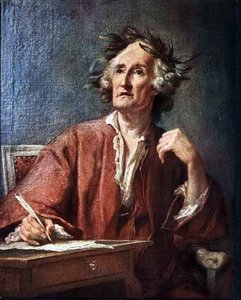
jean-bernard restout
1732 - 1797 , France
Related Articles
The Enduring Legacy of Classicism: Principles, Evolution & Influence in Western Art
Explore the enduring legacy of Classicism in Western art! Discover its historical context, key principles, iconic masterpieces & lasting influence. Learn about Renaissance and Neoclassical movements with ArtsDot.
Charles Le Brun: Master of French Baroque Classicism & His Enduring Legacy
Explore the life & art of Charles Le Brun, master of French Baroque Classicism. Discover his royal commissions, influence on Versailles, and enduring legacy through detailed analysis & stunning artworks.
Timeless Resonance: Exploring Classic Vibe in Art – A Historical & Aesthetic Analysis
Explore the rich history & enduring aesthetic of Classicism art! Discover key movements, iconic artists like Raphael & David, and its lasting influence on Western art. Deepen your appreciation today.
The Enduring Legacy of Classical Style: Form, Narrative & Influence in Art
Explore the enduring legacy of classical art – from ancient Greece & Rome to Neoclassicism. Discover key artists, philosophical roots & build a timeless collection with ArtsDot's expert guidance.
Neo-Classicism's Greatest Hits: 10 Masterpieces for Your Home |
Journey through Neo-Classicism's finest! Explore 10 iconic masterpieces by David, Ingres & Canova. Discover art history, techniques & timeless beauty – perfect for inspiring your home decor. Find museum-quality reproductions at