 Preview
 Send
Send Share
Share
 Details

 Download
 Similars
 X-Ray
X-Ray Diaporama
 Stats
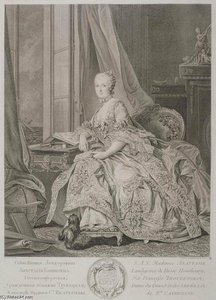
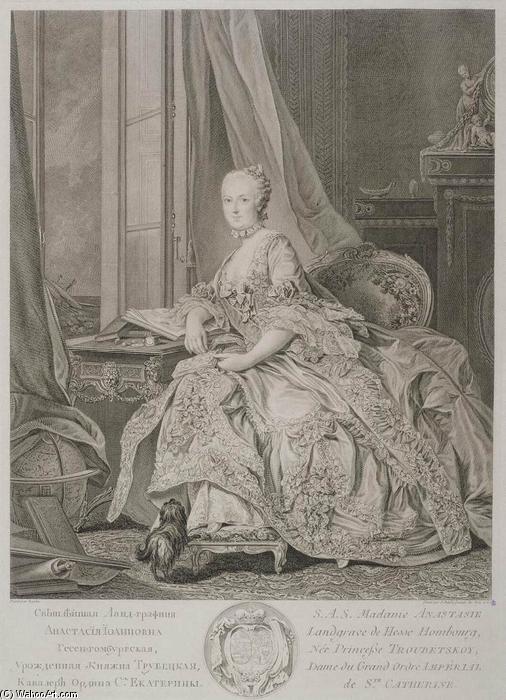
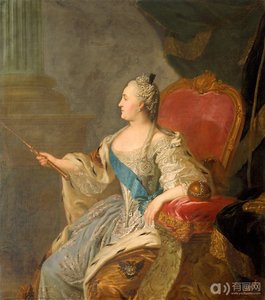
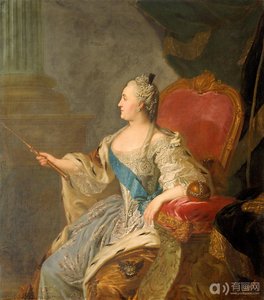
StatsPortrait of Anastasia Ioannovna, Landgravine of Hesse-Homburg
 Engraving
- WallArt
- Rococo
 1761
1761- Early Modern
 576.0 x 430.0 cm
 Hermitage Museum
 Read More
Hand Made Oil Reproduction
Hand-painted oil on canvas in your size and frame, made to order by our artists. ( Switch to Print Switch to Digital Image)




P118B $10

P118H $10

P118W $10

P438Z $10

P508JH $12

P508YH $12

P805H $10

P805Z $10

P919BZ $10

P919G $10

P919XJ $10

P959ZH $10

P968JZ $12

W106C $8

W218G $10

W218JH $8

W218Y $10

W307PJ $10

W316G $10

W316PJ $8

W316Y $10

W398PJ $8

W4111J $10

W500HY $15

W500JH $15

W692G $12

W849H $8

W940BG $15

W953PJ $8




Pick from our preset sizes that match the artwork's original proportions.

You may enter your own dimensions to fit a specific frame or space. If your selected size does not match the original image's proportions, we will either crop the artwork or extend the painting with additional hand-painted elements. A digital mockup will be sent for your approval before production begins.
Please note that the on-screen preview does not reflect the actual cropping or extension. Only the mockup will accurately show the final composition.
While custom sizes are available, we recommend selecting a dimension from the predefined list to preserve the original proportions.
After order, ArtsDot.com team will email client for instructions and provide a mockup preview
Worldwide Delivery () in 3/4 weeks instead of standard 5 weeks. (10 September). No compromise on quality.

Free Worldwide Express Shipping

High-Quality Linen Canvas

Full Shipping Insurance

Customs Tax Refund Guarantee

True Color Matching Guarantee

100-Day Return Policy (Defects Only)

100% Money-Back Guarantee

Bulk Discount Offer
 Glass option is only available in size under 110 CM

Portrait of Anastasia Ioannovna, Landgravine of Hesse-Homburg
Reproduction Medium
Reproduction Size
-


Total Price
$ 263
A Vision of Rococo Elegance
In the delicate interplay of light and shadow captured within this exquisite engraving, we encounter a moment frozen in time from the year 1761. The Portrait of Anastasia Ioannovna, Landgravine of Hesse-Homburg, serves as a breathtaking window into the mid-18th century, embodying the very essence of the Rococo era. Through the masterful hand of Jean Daullé, the subject is not merely depicted but brought to life with a sense of profound grace and aristocratic poise. The composition draws the eye immediately to the Landgravine, whose presence commands the frame through a perfect balance of regal dignity and soft, approachable charm. Every line etched into the plate speaks to a period defined by luxury, where the boundaries between art and lifestyle were seamlessly intertwined.
The technical brilliance of Daullé’s engraving technique is nothing short of extraordinary. As a master of the French engraving tradition, he utilizes fine, precise strokes to render the tactile reality of the scene. One can almost feel the weight of the heavy, draped curtains and the intricate, airy texture of the lace adorning the Landgravine's gown. The artist employs a sophisticated range of tonal subtleties to create depth, using light streaming from the large window to illuminate the central figure while allowing the corners of the opulent room to recede into soft mystery. This mastery of chiaroscuro—the contrast between light and dark—not only provides a sense of three-dimensional volume but also imbues the portrait with an atmospheric, almost dreamlike quality that captivates the viewer.
Symbolism and the Art of Status
Beyond its aesthetic splendor, the artwork is rich with the symbolic language of 18th-century nobility. The Landgravine is depicted holding a book, a deliberate choice that transcends mere decoration; it signals her intellect, cultivation, and engagement with the Enlightenment ideals of learning and literacy. This subtle detail elevates her character from a figure of mere fashion to one of substance and thought. Furthermore, the inclusion of a small, loyal dog resting at her feet serves as a classic symbol of fidelity and domestic tranquility, grounding the grandeur of her station in a sense of warmth and companionship.
The setting itself acts as an extension of her identity. The large mirror, reflecting the grandeur of the room, expands the perceived space, suggesting an environment of limitless luxury and architectural splendor. For the discerning collector or interior designer, this piece offers more than just a historical record; it provides a focal point of immense sophistication. Whether placed in a grand library, a formal dining hall, or a contemporary study, a high-quality reproduction of this engraving brings with it an aura of timelessness. It invites conversation about history, craftsmanship, and the enduring allure of the Rococo spirit, making it an incomparable addition to any curated collection of fine art.
Related Artworks
![Three Studies Of A Woman's Head And A Study Of Hands [recto], — Jean-antoine Watteau, Rococo Style](/media/artworks/images-thumb/65/73/65730255a762c06e3235059db7ffcb5f.jpg)

Artist Biography
The Precision of Light: The Life and Legacy of Jean Daullé
In the grand tapestry of eighteenth-century French art, few threads possess the delicate strength and luminous clarity found in the engravings of Jean Daullé. Born in 1703 in the quiet town of Abbeville, Picardy, Daullé emerged from a lineage of craftsmanship—the son of a silversmith—to become a master of the burin, translating the opulence of the Rococo era into the permanent language of ink and copper. His journey began not in the bustling studios of Paris, but within the contemplative halls of St. Peter’s Priory, where the tutelage of Dom Robart provided him with a disciplined foundation in etching. This early immersion in the meticulous world of religious and classical draughtsmanship instilled in him a reverence for precision that would later allow him to capture the most fleeting of human emotions through mere lines and shadows.
As Daull and moved toward the heart of the French art world, his talent acted as a magnet for the era's most influential figures. The transition from the provincial tranquility of Abbeville to the vibrant, competitive atmosphere of Paris marked a pivotal evolution in his technique. Under the guidance of Robert Hecquet, Daullé refined his ability to manipulate tonal subtleties, moving beyond simple outlines to create works that breathed with life. His ascent was further accelerated by the patronage of Pierre-Jean Mariette, a legendary connoisseur whose professional recommendations placed Daullé within the inner sanctum of the Parisian elite. This period of connection proved transformative, as it brought him into the orbit of the great Hyacinthe Rigaud, whose monumental portraiture demanded an engraver capable of translating flesh, fabric, and status into the monochromatic realm of printmaking.
A Mastery of Texture and Emotion
The true brilliance of Daullé’s oeuvre lies in his ability to marry technical rigor with a profound sense of atmosphere. Influenced by the luminous sfumato techniques reminiscent of Rembrandt, he mastered the art of chiaroscuro, using the stark contrast between light and dark to sculpt three-dimensional forms upon a flat surface. In his hands, a portrait was never merely a likeness; it was an exploration of character. When rendering the nobility of his time, Daullé did not simply etch the lace of a gown or the heavy drape of a curtain; he captured the tactile reality of luxury. One can almost feel the weight of velvet and the airy fragility of silk through the deliberate, rhythmic strokes of his needle.
His work often served as a sophisticated vehicle for the symbolic language of the Enlightenment and the Rococo. A notable example is found in his Portrait of Anastasia Ioannovna, Landgravine of Hesse-Homburg, where the interplay of light through a window does more than illuminate the subject—it creates a dreamlike, ethereal quality that elevates the sitter above the mundane. In such works, Daullé utilized subtle details, such as the inclusion of a book, to signal the intellectual cultivation and literacy prized by the era's aristocracy. This ability to weave narrative depth into technical excellence ensured that his prints were not merely reproductions of paintings, but independent masterpieces of graphic art.
Historical Significance and Artistic Enduring Spirit
The historical importance of Jean Daullé extends far beyond his individual portraits. He stood at the crossroads of tradition and innovation, bridging the gap between the disciplined classical engravings of the previous century and the more fluid, emotive sensibilities of the mid-1700s. His influence can be traced through the subsequent generations of engravers, including figures like Jean-Charles Le Vasseur, who studied under him and carried forward his commitment to varying style according to the painter's intent. Daullé’s career was a testament to the power of the print medium to disseminate the grandeur of French culture across the continent.
Though he passed away in Paris in 1763, leaving behind a legacy etched in the annals of art history, his contributions remain vital to our understanding of the eighteenth century. His works continue to be celebrated in prestigious collections such as the National Gallery of Art and the Metropolitan Museum of Art, serving as windows into a lost world of aristocratic poise and artistic refinement. Through his meticulous hand, the fleeting elegance of the Rococo was granted an enduring immortality, allowing modern viewers to witness the grace, intellect, and splendor of an era defined by its pursuit of beauty.
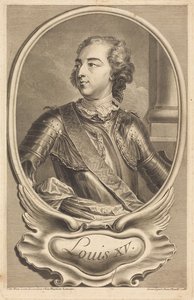
jean daullé
1703 - 1763 , France
Quick Facts
- Artistic Movement Or Style: Elegant Style & Detail
- Artists Or Movements Influenced By This Artist: ['Francesco Boucher']
- Artists Who Influenced This Artist: ['Robert Hecquet']
- Date Of Birth: 1703, Abbeville
- Date Of Death: 1763, Paris
- Full Name: Jean Daullé
- Nationality: French
- Notable Artworks: ['Portrait of Anastasia Ioannovna']
- Place Of Birth: Abbeville, France
Related Articles

The Rococo Aesthetic: Opulence, Rebellion & the Pursuit of Pleasure in 18th-Century Art
Explore the opulent world of Rococo art! Discover its origins, key artists like Watteau & Boucher, and lasting influence on design. Expert insights for collectors & enthusiasts.

Rococo's Radiant Legacy: 10 Masterpieces for Your Home |
Indulge in the elegance of Rococo! Explore 10 masterpieces by Fragonard, Boucher & Watteau. Discover the stories behind these iconic paintings and bring timeless art to your home with museum-quality reproductions from .
Engraving: A Historical Survey of Technique, Artistic Expression & Enduring Legacy
Explore the rich history of engraving with ArtsDot. Discover techniques, iconic artists like Dürer & Callot, collecting tips, and expert guidance for preserving your art investment. Learn about intaglio printing & more!
The Intricate World of Engraving: A Historical Survey of Technique, Artistic Expression & Enduring Legacy
Explore the rich history of engraving with ArtsDot. Discover techniques, iconic artists like Dürer & Callot, collecting tips, and expert guidance for preserving your art investment. Learn about intaglio printing & more!
Engraving's Golden Age: 10 Masterpieces That Redefined Art | ArtsDot
Journey through art history with our Top 10 Legendary Engravings! Explore masterpieces by Dürer, Rembrandt & Goya. Discover the stories behind these iconic prints and find museum-quality reproductions for your home at ArtsDot.com.