 Preview
 Send
Send Share
Share
 Details

 Download
 Similars
 X-Ray
X-Ray Diaporama
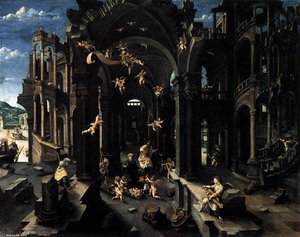
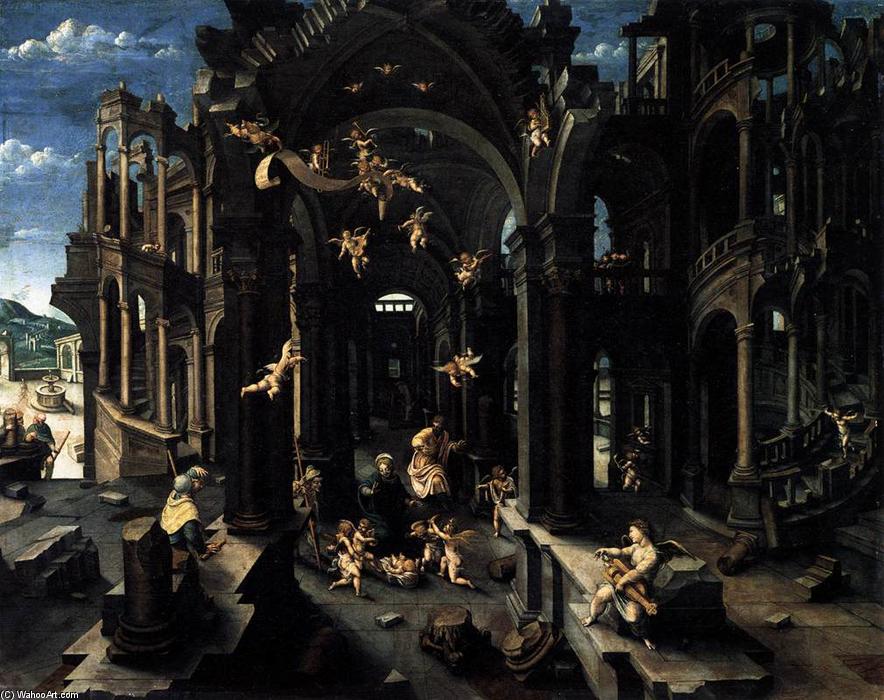
Adoration of the Shepherds
 Oil On Panel
- Renaissance
 1525
1525- Renaissance
 94.0 x 116.0 cm
 The Louvre
 Read More
Hand Made Oil Reproduction
Hand-painted oil on canvas in your size and frame, made to order by our artists. ( Buy Print Buy Image)




P118B $10

P118H $10

P118W $10

P438Z $10

P508JH $12

P508YH $12

P805H $10

P805Z $10

P919BZ $10

P919G $10

P919XJ $10

P959ZH $10

P968JZ $12

W106C $8

W218G $10

W218JH $8

W218Y $10

W307PJ $10

W316G $10

W316PJ $8

W316Y $10

W398PJ $8

W4111J $10

W500HY $15

W500JH $15

W692G $12

W849H $8

W940BG $15

W953PJ $8




Pick from our preset sizes that match the artwork's original proportions.

You may enter your own dimensions to fit a specific frame or space. If your selected size does not match the original image's proportions, we will either crop the artwork or extend the painting with additional hand-painted elements. A digital mockup will be sent for your approval before production begins.
Please note that the on-screen preview does not reflect the actual cropping or extension. Only the mockup will accurately show the final composition.
While custom sizes are available, we recommend selecting a dimension from the predefined list to preserve the original proportions.
After order, ArtsDot.com team will email client for instructions and provide a mockup preview
Worldwide Delivery () in 3/4 weeks instead of standard 5 weeks. (23 August). No compromise on quality.

Free Worldwide Express Shipping

High-Quality Linen Canvas

Full Shipping Insurance

Customs Tax Refund Guarantee

True Color Matching Guarantee

60-Day Return Policy (Defects Only)

100% Money-Back Guarantee

Bulk Discount Offer
 Glass option is only available in size under 110 CM

Adoration of the Shepherds
Reproduction Medium
Reproduction Size
-


Total Price
$ 263
Artwork Description
Jean de Gourmont’s “Adoration of the Shepherds”: A Renaissance Reverie
The Adoration of the Shepherds by Jean de Gourmont stands as a testament to the artistic fervor of the High Renaissance, capturing not merely a biblical narrative but also an idealized vision of piety and divine grace. Executed in 1525, this oil on wood painting resides within the hallowed halls of the Musée du Louvre in Paris, France—a location that underscores its significance as one of the era’s most celebrated achievements. Measuring 94 x 116 cm, it's a substantial canvas that invites contemplation and rewards close observation.- Composition & Setting: Gourmont skillfully orchestrates a scene within a Gothic cathedral—a deliberate choice reflecting the architectural grandeur of the period and symbolizing spiritual aspiration. The central focus is a group of shepherds kneeling before Jesus Christ, nestled in a manger adorned with straw. Above them looms the imposing edifice of the cathedral, its ribbed vaults and pointed arches emphasizing verticality and divine majesty. Sculptures adorning the walls contribute to the overall atmosphere of solemn reverence.
- Artistic Style & Influences: Gourmont’s style embodies the humanist ideals prevalent during his time—characterized by a harmonious blend of classical and Christian sensibilities. He employs earthy tones—primarily ochre, umber, and Sienna—creating a warm, inviting luminescence that envelops the figures. Subtle accents of blue and green introduce depth and visual interest without disrupting the dominant palette. The artist’s masterful use of chiaroscuro—the interplay between light and shadow—is particularly noteworthy, illuminating the shepherds' faces while casting the cathedral walls into deep shadows, enhancing dramatic effect.
- Technique: Gourmont demonstrates exceptional technical prowess through his meticulous brushwork and careful attention to detail. The surface texture is smooth yet retains a palpable sense of warmth and materiality. Layers of glaze contribute to the luminosity of the painting, capturing the ethereal quality of divine light. The artist’s painstaking rendering of architectural elements—the cathedral arches, vaults, and sculptures—reflects the Renaissance fascination with realism and accuracy.
- Symbolism: Beyond its depiction of a biblical episode, “Adoration of the Shepherds” is laden with symbolic meaning. The shepherds represent humility and pastoral care—qualities valued by Christian theologians as essential for spiritual devotion. Jesus Christ embodies divine compassion and redemption—themes central to Renaissance theology. The manger symbolizes incarnation—the belief that God became human in Jesus Christ.
- Emotional Impact: Gourmont’s painting evokes a profound sense of serenity and wonder. The shepherds' expressions convey awe and reverence as they gaze upon the infant Jesus, reflecting the spiritual ecstasy experienced by believers during Christmas celebrations. The overall atmosphere is imbued with warmth and tenderness—a testament to the artist’s ability to capture the essence of human emotion within a religious context.
Historical Context: Renaissance Piety and Artistic Patronage
The painting emerged from the crucible of the Renaissance, a period marked by renewed interest in classical art and philosophy alongside burgeoning Christian piety. The patronage system flourished during this era—wealthy families and ecclesiastical institutions commissioned artists to create works that glorified God and affirmed humanist values. Jean de Gourmont’s commission exemplifies this trend—reflecting the desire to express faith through beauty and artistic excellence.Further Exploration: Related Artists & Works
Consider exploring the oeuvre of fellow Renaissance masters such as Raphael, Michelangelo, and Titian—artists who similarly wrestled with themes of spirituality and human dignity. Examining their stylistic innovations and compositional strategies can illuminate the broader context of artistic production during this transformative period. Also, visit Musée du Louvre to admire other masterpieces from the Renaissance era alongside “Adoration of the Shepherds.”Reproductions Available
High-quality reproductions of Jean de Gourmont’s “Adoration of the Shepherds” are available for purchase on https://ArtsDot.com. These meticulously crafted prints utilize archival inks and premium canvas substrates, ensuring that they faithfully preserve the painting's original splendor for generations to come. Explore more about this artwork at /art/list/?Filter=8Y3BRM-Jean-De-Gourmont-Adoration-of-the-Shepherds.Related Artworks

Artist Biography
Raphael: The Harmonious Master of the High Renaissance
Raffaello Sanzio da Urbino, universally known as Raphael, remains one of the most beloved and profoundly influential figures in Western art history. Born in 1483 in the culturally rich city of Urbino, Italy, his life was tragically short – just thirty-seven years – yet within that brief span, he produced a body of work that redefined artistic ideals and continues to captivate audiences centuries later. Raphael’s genius lay not merely in technical skill, but in an extraordinary ability to synthesize the best elements of preceding masters—Perugino, Leonardo da Vinci, and Michelangelo—into a uniquely harmonious and profoundly moving style. He was, as Giorgio Vasari famously declared, “the most divine painter,” embodying the very essence of Renaissance humanism through his art.
His early life was steeped in artistic tradition. His father, Giovanni Santi, served as court painter to the Duke of Urbino, exposing young Raphael to a vibrant intellectual and artistic environment. This exposure fostered a deep appreciation for classical antiquity and humanist philosophy – principles that would profoundly shape his artistic vision. The sudden death of his father at eleven years old thrust upon Raphael the responsibility of managing the family workshop, an experience that honed his skills and instilled in him a remarkable work ethic. He quickly surpassed his father’s abilities, earning commissions and establishing himself as a rising star within the Italian art world.
- Early Training & Influences (1483-1504): Raphael's formal training began with his father, but he received crucial mentorship from Pietro Perugino in Perugia. This period was marked by a deliberate study of Perugino’s style – characterized by its serene beauty and balanced compositions—which served as the foundation for Raphael’s own developing aesthetic. Crucially, he spent time in Florence between 1504 and 1507, immersing himself in the revolutionary works of Leonardo da Vinci and Michelangelo. These encounters profoundly impacted his artistic sensibilities, pushing him to explore new approaches to perspective, anatomy, and emotional expression.
- The Florentine Period (1504-1508): During this time, Raphael developed a more dynamic and expressive style, evident in paintings like the *Entombment of Christ* (1507), which demonstrates his growing mastery of chiaroscuro and dramatic composition. The influence of Michelangelo’s powerful figures is particularly noticeable here, signaling a shift towards greater emotional intensity.
- Return to Rome & Papal Commissions (1508-1520): In 1508, Raphael accepted Pope Julius II's invitation to move to Rome and become his chief architect and painter. This marked the beginning of a hugely productive period, during which he was commissioned to decorate several important spaces within the Vatican Palace. These commissions—including the *Stanza della Segnatura* (Room of the Signatures) and the *Stanza di Eliodoro* (Room of Heliodorus)—represent the pinnacle of his artistic achievement.
The Madonnas: A Synthesis of Beauty and Grace
Raphael’s most enduring legacy lies in his series of “Madonnas,” paintings depicting the Virgin Mary with the infant Jesus. These works, beginning around 1504, represent a culmination of his artistic explorations and embody the ideals of Renaissance beauty and piety. Unlike earlier depictions of the Madonna, Raphael's Madonnas are imbued with a remarkable sense of naturalism, warmth, and psychological depth. He skillfully captured the tenderness and serenity of the mother-child bond, creating images that resonate deeply with viewers.
- Key Characteristics: Raphael’s Madonnas are distinguished by their balanced compositions, harmonious color palettes, and graceful figures. He employed a subtle sfumato technique—a delicate blurring of outlines—to create an atmosphere of ethereal beauty. The faces of the figures are remarkably expressive, conveying a range of emotions from gentle affection to profound contemplation.
- Notable Examples: Among his most celebrated Madonnas are *Madonna del Granduca* (1504), *Sistine Madonna* (1512-1514) – arguably his masterpiece, and *La Belle Jardinière* (1507). The *Sistine Madonna*, with its iconic placement of Saint Peter and Saint Paul on either side of the Virgin Mary and Christ Child, is particularly renowned for its luminous colors, dynamic composition, and profound spiritual resonance.
- Neoplatonic Influence: Raphael’s Madonnas were deeply influenced by Neoplatonic philosophy, which sought to reconcile Christian faith with classical ideals of beauty and harmony. He aimed to depict the Virgin Mary as a symbol of divine grace and earthly perfection, reflecting the harmonious union of the spiritual and material realms.
Major Works & Architectural Contributions
Beyond his celebrated Madonnas, Raphael produced a remarkable range of paintings that showcase his versatility and artistic mastery. His frescoes in the Vatican Palace—particularly those in the *Stanza della Segnatura*—are considered among the greatest achievements of the High Renaissance. These works depict scenes from biblical history and philosophy, embodying the humanist ideals of knowledge, wisdom, and virtue.
- The School of Athens (1509-1511): This fresco, located in the *Stanza della Segnatura*, is perhaps Raphael’s most iconic work. It depicts a gathering of philosophers and scientists from antiquity—including Plato and Aristotle—engaged in spirited debate. The composition is meticulously balanced, the figures are rendered with remarkable anatomical accuracy, and the overall effect is one of intellectual grandeur and harmonious order.
- Transfiguration (1514-1516): This painting depicts the Transfiguration of Jesus Christ, a pivotal event in Christian theology. Raphael masterfully captures the drama and emotion of the scene, creating an image that is both visually stunning and spiritually profound.
- Architectural Projects: Raphael also made significant contributions as an architect, designing several buildings within the Vatican Palace, including the Chapel of Sisto and the Belvedere Gardens. His architectural designs were characterized by their elegance, symmetry, and harmonious integration with the surrounding landscape.
Legacy & Historical Significance
Raphael’s untimely death in Rome at the age of thirty-seven cut short a brilliant career, but his legacy endures as one of the greatest artists in Western history. His works—particularly his Madonnas and *The School of Athens*—have been endlessly imitated and studied, influencing generations of artists. Raphael's commitment to clarity, harmony, and beauty helped to define the ideals of the High Renaissance and continues to inspire awe and admiration today.
He represents a pivotal figure in the transition from the Early Renaissance to the Baroque period, embodying the synthesis of classical antiquity, Christian faith, and humanist philosophy. Raphael’s art serves as a testament to the power of beauty, grace, and intellectual inquiry—qualities that remain profoundly relevant in our own time.
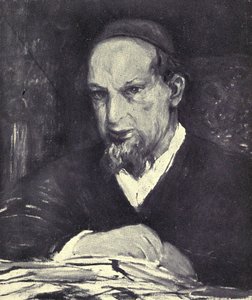
jean de gourmont
1483 - 1551 , France
Quick Facts
- Artistic Movement Or Style: High Renaissance
- Artists Or Movements Influenced By This Artist:
- Giorgione
- Raphael Rooms
- Artists Who Influenced This Artist:
- Pietro Perugino
- Leonardo da Vinci
- Michelangelo
- Date Of Birth: March 28, 1483
- Date Of Death: April 6, 1520
- Full Name: Raffaello Sanzio da Urbino
- Nationality: Italian
- Notable Artworks:
- Sistine Madonna
- The School of Athens
- Marriage of the Virgin
- Place Of Birth: Urbino, Italy
Related Articles

Giclée Prints: Archival Quality & Aesthetic Nuances for the Discerning Collector
Explore the world of giclée prints with ArtsDot. Learn about archival quality, aesthetic nuances & investment potential. Expert guidance for discerning art collectors seeking museum-quality reproductions and lasting value.

Echoes of Time: Exploring the Enduring Appeal & Historical Context of Vintage Art Prints
Explore the captivating world of vintage art prints! Discover their history, collecting tips & enduring appeal. Expert insights on chromolithography and building a legacy collection with ArtsDot.
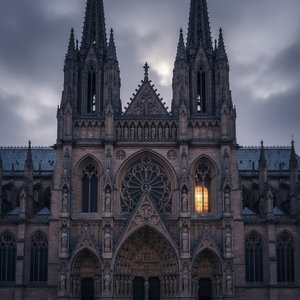
The Shadow of Faith: Exploring Gothic Art's Spiritual Intensity & Architectural Innovation
Explore the spiritual intensity & architectural innovation of Gothic art! Discover the symbolism behind cathedrals, stained glass & master artists like Giotto and Monet. A deep dive into medieval history & artistic expression.

The Enduring Legacy of Fine Art Prints: Technique, History & Aesthetic Impact
Explore the rich history & techniques of fine art prints. Discover investment potential, assess authenticity, and learn how to preserve your collection with expert guidance. Trusted insights for discerning collectors.

The Enduring Legacy of Printmaking: Techniques, Themes & Artistic Innovation Across Centuries
Explore the rich history of printmaking with ArtsDot. Discover techniques from intaglio to lithography, learn about collecting valuable prints & find museum-quality reproductions. Expert insights for art enthusiasts and collectors.