

 Preview
 Send
Send Share
Share
 Details

 Download
 Similars
 X-Ray
X-Ray Diaporama
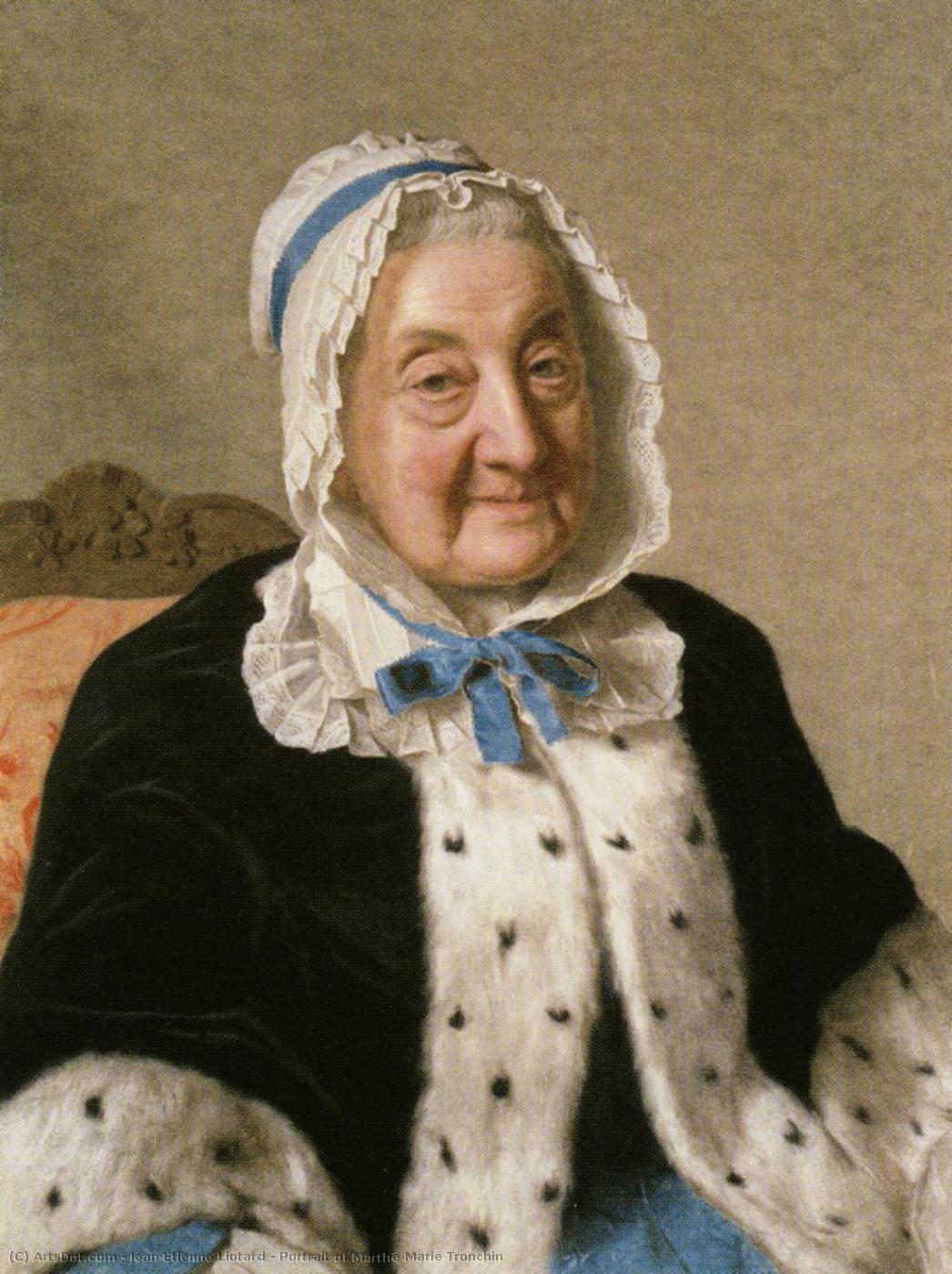
Portrait of Marthe Marie Tronchin


 Read More
Purchase a high-resolution, enhanced digital image, far superior to the online preview.
Each file is meticulously prepared by our in-house specialists using advanced tools and expert manual retouching. We ensure every image has exceptional clarity, precise color accuracy, and fine detail.
The final file is delivered via email within 72 hours, optimized for immediate use in professional, editorial, and print environments. This is the same quality trusted by top-tier design studios, publishers, and galleries.
Digital Image
Download a high-resolution file for personal display, printing, and creative projects. ( Buy Print Buy Hand Made Painting)
Included in Every Digital Image Order
Expert Digital Delivery, Guaranteed
When you choose ArtsDot.com, you're not just getting an image - you're receiving a professionally enhanced digital artwork, crafted with precision and backed by a satisfaction guarantee. Here's everything that comes with your order, automatically:

Fast Email Delivery
Your high-resolution digital image file will be emailed to you within 72 hours of ordering - ready for immediate use.

AI-Enhanced Digital File
Your artwork is professionally optimized using advanced AI tools and manual editing, ensuring maximum detail, clarity, and color accuracy.

Free Lifetime Re-Delivery
Accidentally deleted or lost your file? No worries - we'll resend it to you anytime, free of charge.

No Import Fees - Ever
Enjoy your artwork instantly with zero customs, duties, or delivery fees - digital downloads are always tax-free.

Color Accuracy Guarantee
We ensure your digital image reflects the original colors as closely as possible using professional tools and color management.

60-Day Satisfaction Guarantee
If you're not satisfied with your digital image, we'll revise it or refund 100% within 60 days - no questions asked.

100% Money-Back Guarantee
Not satisfied? Get a full refund within 60 days of receiving your digital file - no questions asked.

Bulk Order Discounts
Buy 3 images, save 10% - Buy 5, save 15% - Buy 10+, save 20%. Great for creative projects, galleries, and agencies.
Jean-Étienne Liotard: A Delicate Dance Between Observation and Imagination
Jean-Étienne Liotard (1702–1789), a Genevan painter, art connoisseur, and dealer, stands as an enigmatic figure in the Rococo landscape—a master of pastel and enamel whose work defies easy categorization. Unlike his contemporaries who embraced grand theatricality and opulent ornamentation, Liotard pursued a path of profound introspection, prioritizing meticulous detail and subtle tonal gradations to capture the essence of his subjects with remarkable accuracy. His artistic vision was deeply rooted in humanist ideals, reflecting an unwavering fascination for the human form and its interaction with the natural world—a dichotomy that defines much of his oeuvre.- Early Training & Influences: Liotard’s formative years were spent under the tutelage of Daniel Gardelle and Petitot, whose enamel techniques he painstakingly replicated, establishing a foundational understanding of surface texture and color manipulation. This meticulous approach would later permeate his pastel drawings, where he achieved unparalleled levels of realism through painstaking layering and blending.
- Travels & Artistic Transformation: Liotard’s wanderings across Europe—Paris, Rome, Istanbul, Vienna—were pivotal in shaping his artistic sensibilities. The vibrant atmosphere of Constantinople profoundly impacted his palette and compositional choices, evident in numerous pastel depictions of Turkish domestic scenes brimming with exotic flora and fauna.
- Technique & Style: Liotard’s signature technique involved applying pastel pigment onto vellum or paper using a stylus—a method that allowed for unparalleled control over tonal nuance and texture. He eschewed bold brushstrokes, favoring instead delicate strokes that captured the ephemeral qualities of light and shadow. This meticulous attention to detail resulted in portraits imbued with an uncanny sense of presence and psychological depth.
- Notable Works & Legacy: Among Liotard’s celebrated masterpieces are “Dutch Girl at Breakfast” (circa 1756), a masterful study of naturalism that exemplifies his commitment to portraying the human figure with unflinching honesty, and “La Liseuse,” depicting a young woman absorbed in contemplation—a testament to Liotard's ability to convey inner emotion through subtle visual cues.
- A Singular Vision: Despite facing resistance from the Académie Française, Liotard’s artistic independence secured him recognition within England, Holland, and Geneva. His enduring legacy lies not merely in his technical prowess but also in his unwavering belief that art should serve as a conduit for profound contemplation—a conviction that continues to inspire artists today.
The Pastel Medium: Precision & Illusion
Liotard’s mastery of pastel distinguishes him from many of his contemporaries, elevating it beyond mere decorative embellishment into a vehicle for conveying nuanced emotion and capturing the subtleties of light and atmosphere. Unlike oil paints, which rely on opaque pigments to build up layers of color, pastel employs powdered pigment mixed with binder—typically gum arabic—to create translucent washes that shimmer with luminosity. This technique demanded extraordinary patience and precision from the artist, who painstakingly applied pigment onto vellum or paper using a stylus, achieving remarkable tonal gradations and textural effects. The resulting images possess an ethereal quality, capturing fleeting moments of beauty and conveying psychological depth with unparalleled subtlety.Symbolism & Narrative Depth: Exploring Inner Landscapes
Liotard’s portraits transcend mere likeness, delving into the complexities of human psychology and embodying philosophical ideas. He meticulously crafted compositions that reflected not only physical appearance but also inner states—capturing expressions of contemplation, melancholy, or serene repose. Recurring motifs—such as flowers symbolizing beauty and fragility—served as visual metaphors for conveying intangible concepts—like virtue and intellect. Through his masterful use of color and light, Liotard invited viewers to engage in a dialogue with the subject’s psyche, prompting reflection on themes of human experience and spiritual aspiration.Influence & Artistic Significance: A Quiet Revolution
Jean-Étienne Liotard's artistic approach represents a significant departure from prevailing trends in Rococo art—a rejection of theatrical grandeur in favor of quiet observation and psychological insight. His unwavering commitment to naturalism challenged the conventions of his time, asserting that beauty could be found not only in opulent ornamentation but also in the faithful representation of human form and its relationship with nature. Liotard’s legacy extends beyond his individual artworks; he established a precedent for artistic exploration rooted in humanist values—a tradition that continues to resonate within contemporary art practice.Related Artworks
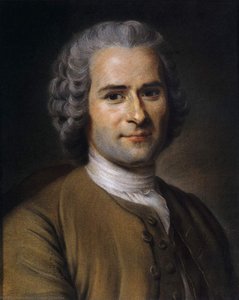
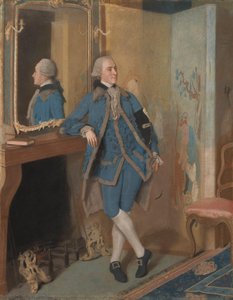
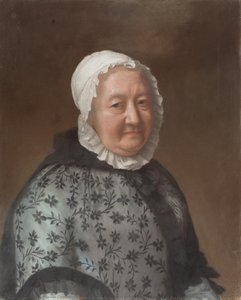
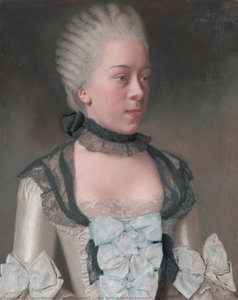
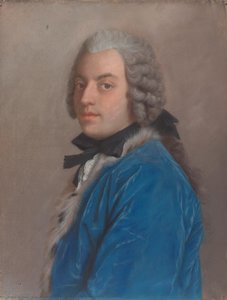
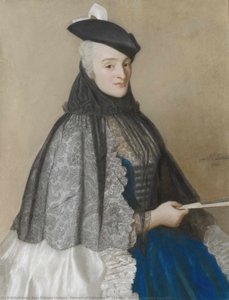
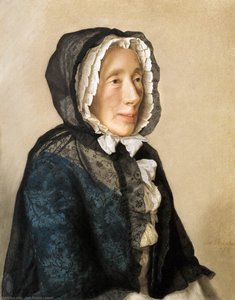
Artist Biography
early life and training
jean-étienne liotard, a renowned genevan painter, art connoisseur, and dealer, was born on december 22, 1702, in geneva, switzerland. his parents, french protestants, had fled to geneva after 1685. liotard's artistic journey began under the guidance of professors daniel gardelle and petitot, whose enamels and miniatures he skillfully replicated.artistic career
liotard's travels took him to various european capitals, including paris, rome, istanbul, and vienna, where his portraits were highly sought after. in 1725, he studied under jean-baptiste massé and françois lemoyne in paris. his time in constantinople (1738-1742) significantly influenced his work, as evident in his numerous pastel depictions of turkish domestic scenes.notable works and style
liotard's mastery of pastel is showcased in works like:- dutch girl at breakfast (ca. 1756, oil on canvas, rijksmuseum), demonstrating his versatility.
- la liseuse, the chocolate girl, and la belle lyonnaise at the dresden gallery, exemplifying his delicate pastel drawings.
- maria frederike van reede-athlone at seven (j. paul getty museum), a testament to his naturalistic portraiture.
legacy and later life
liotard's later years were marked by the publication of his treatise, traité des principes et des règles de la peinture (1781). he continued to paint still lifes and landscapes until his passing on june 12, 1789, in geneva. key links:- jean-étienne liotard | ArtsDot.com (artist page)
- jean-étienne liotard | wikipedia
- a woman in turkish dress | ArtsDot.com (painting)
museums and collections:
- the museum private collection (geneva, switzerland), featuring an impressive array of liotard's works.
- musée d'art et d'histoire (geneva, switzerland), housing a significant collection of liotard's pastels and drawings.
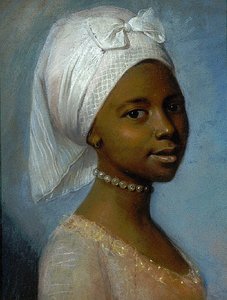
jean-étienne liotard
1702 - 1789 , Switzerland
Quick Facts
- Artistic Movement Or Style: Pastoralism
- Artists Or Movements Influenced By This Artist:
- Jean Baptiste Massé
- François Lemoyne
- Artists Who Influenced This Artist:
- Daniel Gardelle
- Petitot
- Date Of Birth: December 22, 1702
- Date Of Death: June 12, 1789
- Full Name: Jean-Étienne Liotard
- Nationality: Swiss
- Notable Artworks:
- Dutch Girl at Breakfast
- La Liseuse, The Chocolate Girl
- Maria Frederike van Reede-Athlone at Seven
- Place Of Birth: Geneva, Switzerland

